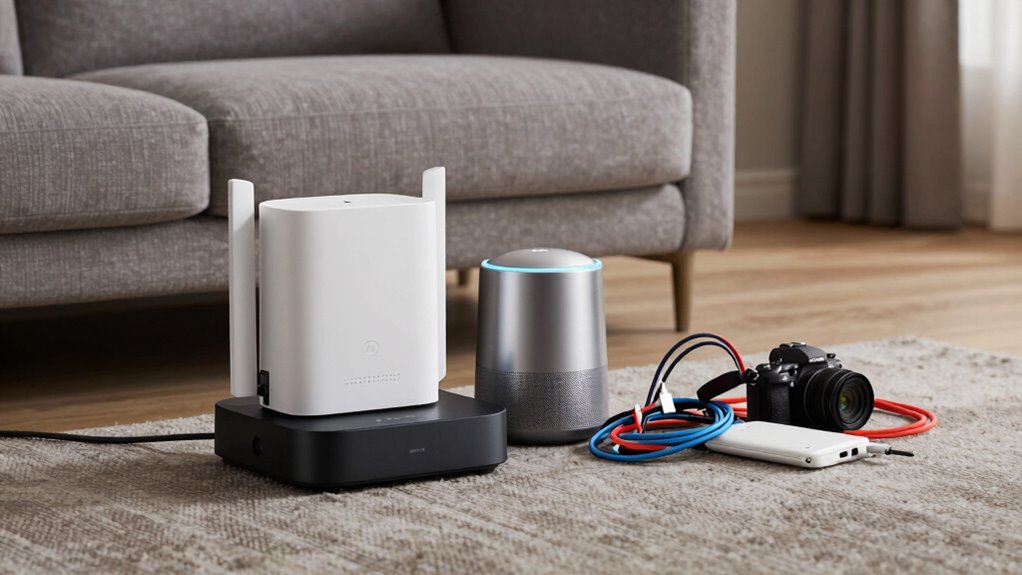

To build a reliable home device stack, stick with compatible brands that support common protocols like Zigbee, Z-Wave, or Thread. Avoid mixing incompatible hubs or high-bandwidth devices that can cause network issues. Always guarantee devices have security features and support firmware updates. Using a trusted ecosystem helps prevent conflicts and vulnerabilities. Keep your setup balanced, and you’ll enjoy seamless automation. If you keep exploring, you’ll find expert tips to optimize your smart home.
Key Takeaways
- Use devices supporting common standards like Wi-Fi, Zigbee, Z-Wave, or Thread for seamless compatibility.
- Avoid mixing incompatible hubs and high-bandwidth devices that can cause network conflicts or instability.
- Prioritize reputable brands with strong security protocols to ensure safe device integration.
- Regularly update firmware to maintain security, fix bugs, and enhance device interoperability.
- Implement network segmentation to isolate smart devices and prevent security vulnerabilities.
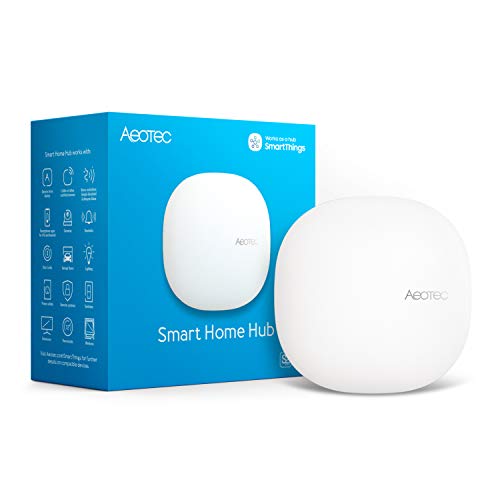
Aeotec Smart Home Hub, Works as a SmartThings Hub, Z-Wave, Zigbee, Matter Gateway, Compatible with Alexa, Google Assistant, WiFi
- Device Compatibility: Supports Z-Wave, Zigbee, Matter, WiFi
- Smart Home Control: Connects and manages compatible smart devices
- Automation Creation: Builds custom routines and automations
As an affiliate, we earn on qualifying purchases.
As an affiliate, we earn on qualifying purchases.
What Is the Home Device Stack and Why Does It Matter?

The home device stack refers to the layered system of gadgets and software that work together to create a connected, smart home environment. At its core, device interoperability guarantees these devices communicate seamlessly, allowing you to control everything effortlessly. Firmware updates are essential because they keep your devices functioning securely and efficiently, fixing bugs and adding features. When devices are compatible within the stack, they share data and commands smoothly, preventing frustrations and technical issues. Understanding this layered system helps you avoid compatibility problems and ensures your smart home runs reliably. A well-structured device stack enhances your experience, making automation simple and effective. Prioritizing interoperability and regular firmware updates keeps your connected home secure, functional, and future-proof. Additionally, device compatibility is crucial for maintaining a cohesive and reliable smart home ecosystem.
Which Devices Are Safe to Use Together?

Choosing devices that work well together depends on their compatibility with common standards like Wi-Fi, Zigbee, Z-Wave, or Thread. When selecting devices, confirm they support compatible protocols to communicate seamlessly. Device compatibility is key to avoiding issues like dropped connections or unresponsive features. Additionally, check that the devices follow robust security protocols to protect your network. Devices with strong security measures prevent unauthorized access and safeguard your privacy. It’s best to stick with devices from reputable brands that prioritize security and adhere to industry standards. By verifying both compatibility and security protocols beforehand, you create a reliable, safe smart home environment that functions smoothly and remains protected against vulnerabilities. Ensuring that devices support interoperability standards can greatly enhance your home’s overall smart system integration. Incorporating devices that support industry-wide security protocols helps ensure your network remains resilient against potential cyber threats. Always verify that your devices support secure communication methods to maintain data integrity and privacy. Moreover, selecting devices that support firmware updates ensures your system stays protected against new vulnerabilities over time. Regularly updating firmware is crucial for maintaining system security and responding to emerging threats.
Are There Devices You Should Never Use Together?
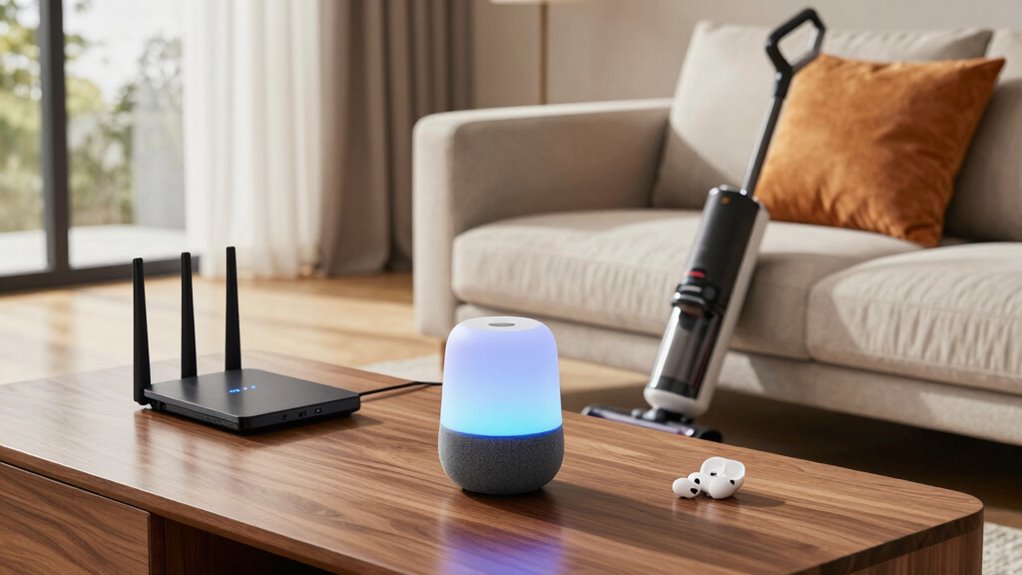
While compatibility and security are essential, some devices can cause problems when used together, leading to network conflicts or safety concerns. Certain combinations may interfere with each other’s signals or create vulnerabilities. Be cautious of:
- Mixing incompatible smart home hubs and devices, which can cause device conflicts and disrupt automation.
- Using multiple high-power Wi-Fi devices, like routers and extenders, on the same network, potentially causing network instability.
- Combining incompatible security cameras and alarm systems, risking safety concerns if they fail to communicate properly. Ensuring device interoperability is compatible can prevent such issues.
- Overloading your network with several high-bandwidth devices, which can slow down your internet and affect device performance. Additionally, neglecting to properly segment your network can help contain potential conflicts.
- Overlooking device firmware updates, which are crucial for maintaining security and compatibility across your smart home ecosystem.
- Ignoring security protocols that protect your network from unauthorized access, especially when integrating multiple connected devices.
Avoid these pairings to ensure your smart home runs smoothly and securely. Recognizing what not to combine helps prevent conflicts and safeguards your home’s safety. Always verify device compatibility before integration.
How to Choose the Best Smart Home Platform and Ecosystem
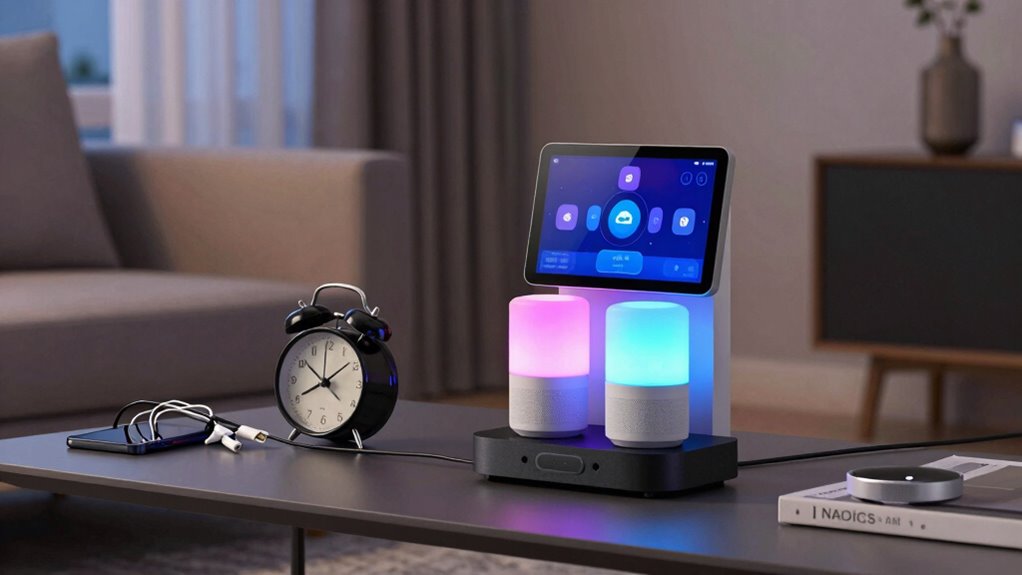
Selecting the right smart home platform sets the foundation for a seamless and integrated automation experience. To choose wisely, consider compatibility with your devices and how well it supports voice assistant integration. A good platform should enable you to create efficient smart home routines that simplify daily tasks. Additionally, understanding the essential oils for smart health support can enhance your overall wellness environment within your smart home ecosystem. Evaluating the device ecosystem compatibility ensures your various smart tools work harmoniously, avoiding frustration and incomplete integration. It’s also beneficial to assess the platform’s update and security policies, which are crucial for maintaining the safety and longevity of your smart home system. Ensuring the platform offers regular software updates helps protect against vulnerabilities and keeps your system running smoothly. Moreover, paying attention to interoperability standards can significantly improve device integration and expand your smart home capabilities over time.
How to Troubleshoot Compatibility and Security Problems in Your Smart Home
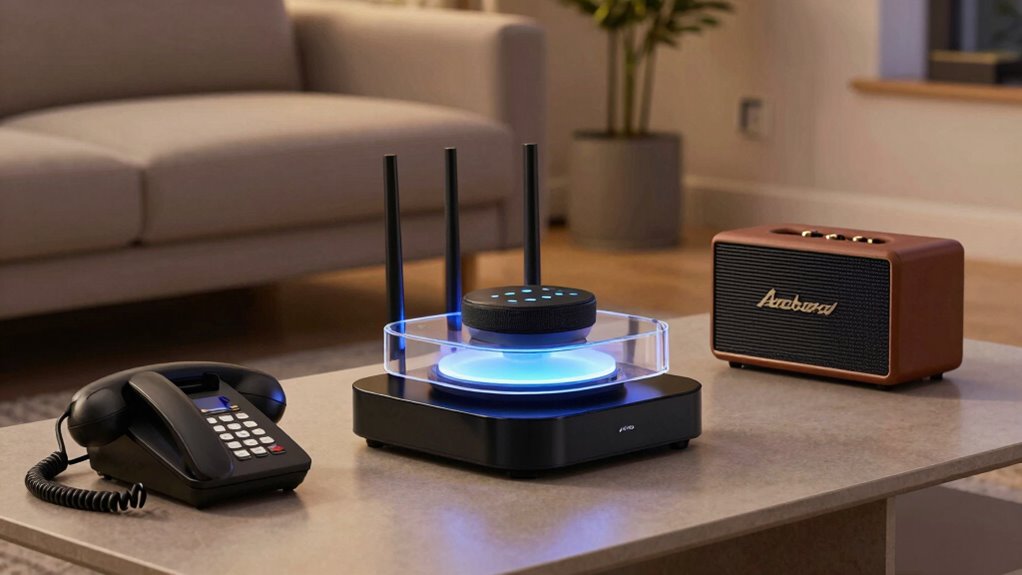
When compatibility issues arise or security concerns emerge in your smart home, addressing them promptly can prevent bigger problems down the line. Start by updating your device firmware regularly to fix bugs and patch vulnerabilities. Next, check if devices are on the same network segment; isolating smart devices through network segmentation reduces security risks. Properly managing device odor detection can also help identify suspicious activity or malfunctions early. Additionally, understanding golf history and LPGA milestones can help you make informed decisions when integrating new devices. Furthermore, being aware of device washability and removal features can assist in safe maintenance and troubleshooting. Verifying device compatibility with your hub or platform is crucial to prevent connection issues, and looking for firmware updates or alternative integrations can resolve many problems. Troubleshooting also involves reviewing device logs and testing connectivity. Staying informed about device interoperability enhances your ability to maintain a secure and efficient smart system. By staying proactive and maintaining your system, you ensure smoother operation and better security for your smart home. Remember, quick action now can save you headaches and potential breaches later. Additionally, understanding compatibility and security can help you make informed decisions when integrating new devices.
Frequently Asked Questions
How Can I Upgrade My Existing Smart Home Setup Safely?
To upgrade your smart home setup safely, start by researching compatible devices and update firmware regularly. Keep your smart home routines simple and avoid overloading your network. When customizing voice commands, make sure they’re distinct to prevent confusion. Test new devices incrementally, and always follow manufacturer guidelines. This approach helps you enhance your smart home experience while maintaining security and reliability.
What Are the Signs of Incompatible Smart Home Devices?
Like mismatched puzzle pieces, incompatible smart home devices can cause frustration. Signs include devices that won’t connect, respond slowly, or lose functionality after updates. Check device compatibility before purchasing, and keep firmware updates current to guarantee smooth operation. If your devices suddenly stop working together or show error messages, it’s a clear sign they might not be compatible. Address these issues promptly to avoid a tech headache.
Are There Specific Brands That Work Better Together?
Yes, some brands are known for better compatibility and ecosystem integration. For example, Apple’s HomeKit offers seamless brand compatibility within its ecosystem, making integration smooth if you stick with Apple devices. Similarly, Google Nest and Amazon Echo work well together within their respective ecosystems. To guarantee smooth operation, choose brands that prioritize ecosystem integration and compatibility, reducing issues and simplifying your smart home setup.
How Do I Ensure My Smart Home Remains Secure Over Time?
Imagine your smart home was hacked due to outdated firmware. To keep it secure, you should regularly update device firmware to patch vulnerabilities and address privacy concerns. Enable automatic updates when possible, and use strong, unique passwords. Stay informed about security risks and manufacturer alerts. By actively maintaining your system, you diminish the chances of breaches and ensure your smart home remains safe over time.
Can I Mix Different Smart Home Ecosystems in One House?
You can mix different smart home ecosystems in your house, but it requires careful attention to device compatibility and ecosystem integration. Make sure the devices you choose are compatible with each other or can connect through a common hub or platform. Use devices that support universal standards like Zigbee or Z-Wave, and consider using a smart home hub to facilitate seamless ecosystem integration, making your setup more efficient and easier to manage.
Conclusion
By understanding which devices can safely work together, you can create a smarter, more secure home. Did you know that 60% of smart home security breaches happen because devices aren’t compatible or properly secured? Staying informed about the right combinations and avoiding risky pairings helps protect your home and data. Take the time to choose the right platform and troubleshoot issues early—your peace of mind depends on it.