
To judge a red light panel before considering the price, focus on its light consistency, spectral purity, and build quality. Check if the panel delivers stable, accurate wavelengths within the right range for your needs. Look for high manufacturing standards and durable construction to guarantee longevity. Spectral stability over time shows its reliability for effective therapy. If you want to learn more about evaluating these factors thoroughly, keep going for detailed insights.

Get wellness gear delivered free — and shop member deals
- Fast, free delivery on millions of items
- Access to Prime Big Deal Days deals on October 6–7
- Prime Video, Amazon Music and more included
Key Takeaways
- Assess the light’s color accuracy and consistency to ensure reliable therapeutic results.
- Check the wavelength range and precision for targeted, predictable outcomes.
- Evaluate spectral purity to confirm minimal spectral overlap and high spectral focus.
- Examine manufacturing quality and build durability for long-term performance.
- Verify spectral stability over time to ensure sustained therapeutic effectiveness.

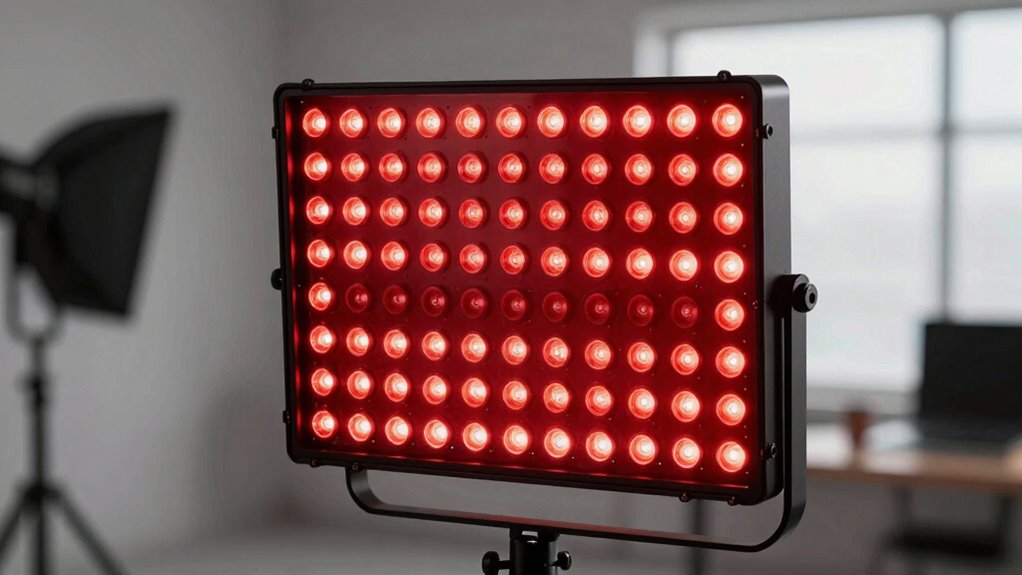
When evaluating red light panels, it’s tempting to focus solely on price, but that approach can lead to overlooking key quality factors. Instead, you should start by assessing how well the panel delivers consistent and accurate light. Color accuracy is crucial because it determines whether the light produces the intended therapeutic or aesthetic effects. A panel with poor color accuracy might emit a hue that’s off or inconsistent, reducing its effectiveness and making it less reliable over time. Look for panels that specify the wavelength range, typically between 620-750 nm for red light therapy. Devices with narrow, well-defined wavelengths tend to be more precise and predictable in their results. This focus on color accuracy ensures you’re investing in a product that will perform consistently and deliver the benefits you’re after. Additionally, understanding the wavelength range helps you determine whether the panel is suitable for your specific needs, whether therapeutic or aesthetic. Recognizing the importance of spectral precision can help you distinguish higher-quality panels from less reliable options. Furthermore, panels that emphasize spectral purity often deliver more consistent results by minimizing spectral overlap and ensuring targeted therapy. It’s also important to consider the manufacturing quality of the LEDs, as better build quality can contribute to longer-lasting and more reliable performance. Investing in a panel with high spectral stability can ensure optimal results over time.
red light therapy panel with spectral purity
As an affiliate, we earn on qualifying purchases.
As an affiliate, we earn on qualifying purchases.
Frequently Asked Questions
How Long Do Red Light Panels Typically Last?
Red light panels usually last between 30,000 to 50,000 hours, offering solid product longevity if you follow proper maintenance tips. To extend their lifespan, keep the panels clean and avoid excessive heat exposure. Regularly check for any signs of damage or dimming, and replace components as needed. Proper maintenance guarantees you get the most out of your investment, making your red light panel a durable and effective tool for a long time.
Are There Any Safety Certifications to Look For?
Don’t put safety on the back burner—look for certification marks when choosing a red light panel. These marks show the product meets safety standards set by reputable organizations, ensuring you’re protected. Always verify the certification labels, like UL or CE, to confirm compliance. Remember, safety standards aren’t just paperwork; they’re your guarantee that the device is safe and reliable for your use.
Can Red Light Panels Be Used for Skin Therapy?
Yes, red light panels can be used for skin therapy, including skin rejuvenation and acne treatment. When choosing a panel, look for devices with the appropriate wavelength, usually around 630-670nm, which penetrate the skin effectively. You should also consider safety certifications and user reviews. Incorporating these panels into your skincare routine can help improve skin texture, reduce acne, and promote a healthier complexion over time.
What Is the Recommended Distance for Use?
For safe and effective use, keep the red light panel about 6 to 18 inches from your skin. Focus on proper panel placement, ensuring the light covers your target area evenly. User comfort is key, so adjust the distance if you experience any discomfort or excessive heat. Maintaining this distance helps maximize benefits while minimizing risk, making your treatment both safe and comfortable.
Do Different Colors of Red Light Have Different Effects?
Think of red light therapy as a symphony, where different color variations strike unique notes. Yes, different red light colors have distinct effects—deep reds penetrate deeper, boosting collagen, while lighter reds soothe skin surface issues. Each hue acts like a different instrument, offering targeted benefits. When choosing a red light panel, consider your specific needs, as the color variation can dramatically influence the results you experience in your light therapy journey.
Conclusion
So, next time you’re eyeing a red light panel, remember that the best way to judge its quality isn’t just by the price tag. Sometimes, the most reliable options come unexpectedly, like discovering a hidden gem in a crowded market. Trust your judgment, look beyond the numbers, and you might just stumble upon the perfect fit—just like finding that one item you weren’t even searching for but knew was meant for you.
Fall Picks
fall essentials
As an affiliate, we earn on qualifying purchases.