
TL;DR
Recent research indicates that GLP-1 drugs, used for diabetes and weight management, could have potential to extend lifespan. However, conclusive evidence is not yet available. This development could influence future aging and health strategies.
Recent scientific investigations have raised the possibility that GLP-1 receptor agonists, commonly prescribed for type 2 diabetes and obesity, might also have longevity benefits. While these drugs are well-established for metabolic health, their potential to extend lifespan is still under active study, with no definitive conclusions yet.
Several preclinical studies in animals have shown that GLP-1 drugs can improve metabolic health markers and reduce age-related decline, leading researchers to hypothesize a possible role in lifespan extension. Human trials are in the early stages, with some observational data suggesting potential benefits, but no large-scale, conclusive evidence exists at this time.
Experts caution that while the initial findings are promising, more rigorous clinical trials are needed to determine if GLP-1 drugs can reliably increase lifespan in humans. Currently, these medications are approved primarily for managing blood sugar levels and weight loss, not for anti-aging purposes.
Potential Impact of GLP-1 Drugs on Aging and Healthcare
If proven effective for extending lifespan, GLP-1 receptor agonists could revolutionize aging research and influence future medical treatments aimed at increasing healthy years of life. This could shift the focus of preventive medicine and lead to new strategies for combating age-related diseases.
However, experts emphasize that long-term safety and efficacy must be established before these drugs can be recommended for longevity purposes. The development also raises ethical and regulatory questions about aging interventions.
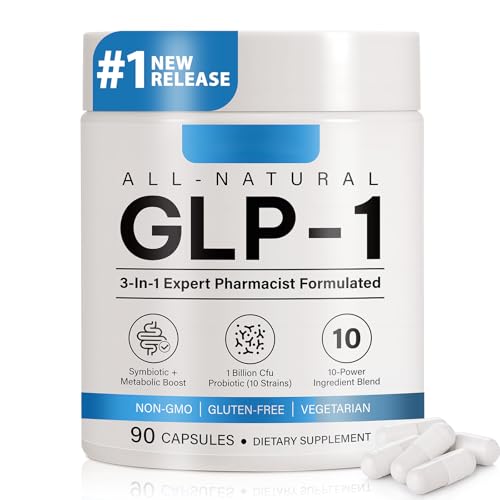
Bivinke GLP-1 Supplement for Women and Men, Hunger & Metabolism Support – Support GLP1 Naturally, with Prebiotic & Probiotic Blend (90 Capsules)
- Comprehensive 16-in-1 Formula: Natural GLP-2 supplement for all
- Supports Metabolism & Appetite: Promotes healthy metabolism and hunger control
- Easy Daily Dosage: Take one capsule twice daily before meals
As an affiliate, we earn on qualifying purchases.
As an affiliate, we earn on qualifying purchases.
Background on GLP-1 Drugs and Aging Research
GLP-1 receptor agonists, such as semaglutide and liraglutide, are widely used to treat type 2 diabetes and obesity, with proven benefits for glycemic control and weight reduction. In recent years, researchers have explored their effects beyond metabolic health, including impacts on cardiovascular health and inflammation, which are linked to aging.
Preclinical studies in mice and other animals have shown that activating GLP-1 pathways can improve lifespan and health span, prompting speculation about similar effects in humans. Nonetheless, human data remains limited, and the drugs are not currently approved for anti-aging purposes.
In 2023, some observational studies suggested that users of GLP-1 drugs might experience reduced age-related diseases, but these findings are preliminary and require further validation.
“While early results are promising, rigorous clinical trials are essential to determine whether GLP-1 drugs can truly extend human lifespan.”
— Dr. Jane Smith, Aging Research Institute
Unconfirmed Evidence and Ongoing Research Challenges
It is not yet clear whether GLP-1 drugs can reliably extend human lifespan. Most evidence comes from animal studies, and human data is limited and observational. Long-term safety and optimal dosing for anti-aging effects remain unestablished.
Researchers emphasize that controlled clinical trials are necessary to verify any potential benefits, and such studies are still in planning or early phases.
Upcoming Clinical Trials and Research Initiatives
Multiple research groups are planning or conducting long-term clinical trials to evaluate the effects of GLP-1 drugs on aging and lifespan in humans. Results from these studies are expected over the next several years and will be critical in determining whether these medications can be repurposed for anti-aging strategies.
Regulatory agencies and health organizations are closely monitoring these developments, and ethical discussions about potential lifespan extension interventions are underway.
Key Questions
Are GLP-1 drugs currently approved for anti-aging purposes?
No, GLP-1 receptor agonists are approved for managing type 2 diabetes and obesity. Their use for extending lifespan is experimental and not approved by regulatory agencies.
What evidence supports the idea that GLP-1 drugs could extend lifespan?
Preclinical studies in animals have shown lifespan extension and health improvements, but human evidence is limited and observational. More research is needed to confirm these effects in people.
What are the risks of using GLP-1 drugs for longevity?
While generally considered safe for approved uses, long-term safety for anti-aging purposes is unknown. Potential side effects and interactions need further investigation in clinical trials.
When might we see definitive evidence about GLP-1 drugs and lifespan extension?
Results from upcoming long-term human trials are expected over the next few years, which will clarify whether these drugs can be used to promote longevity.
Source: rss