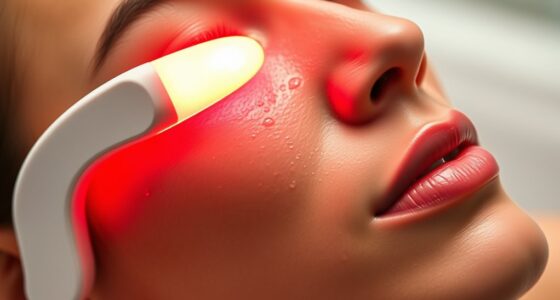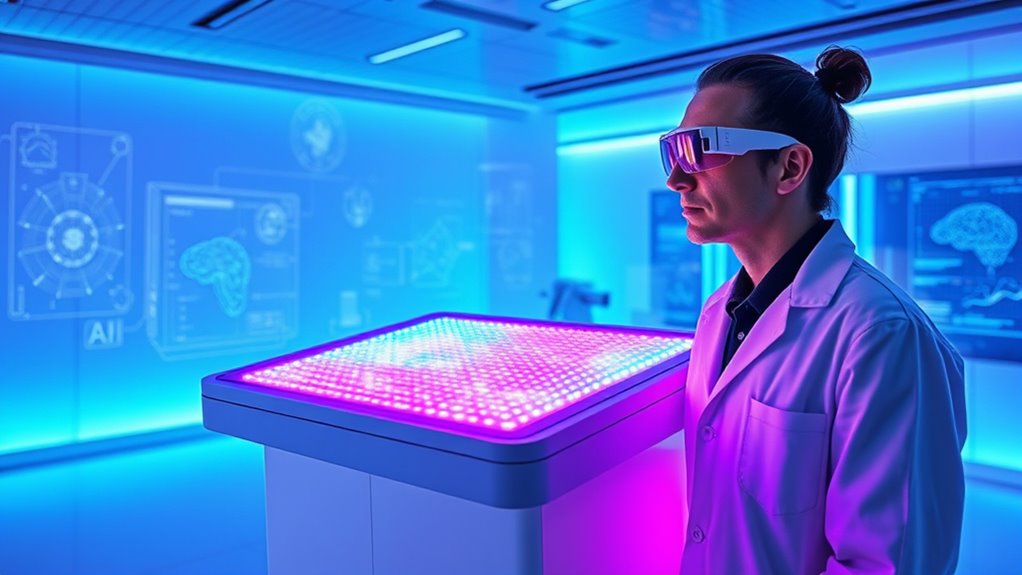

The future of LED therapy will see AI-driven devices that adapt treatment in real-time based on your skin’s responses. These devices will analyze features like redness or irritation and adjust light wavelengths, intensities, and durations for maximum safety and effectiveness. Treatments will become more personalized, faster, and holistic, possibly even addressing mood or metabolic health. If you want to discover how these innovations might impact your wellness, there’s more to explore.
Key Takeaways
- Future LED devices will utilize AI to analyze skin or pain points, enabling real-time, personalized adjustments during treatment sessions.
- Dynamic feedback will optimize safety and efficacy by adjusting light parameters based on immediate physiological responses.
- Advancements will expand LED therapy applications to include mood regulation, metabolic health, and holistic wellness solutions.
- Ethical considerations, including data privacy and equitable access, will be central to the development and deployment of these technologies.
- Continuous innovation will lead to faster, more effective treatments with minimized risks, transforming health and beauty care.
LED therapy is rapidly evolving, offering new possibilities for skin care, pain management, and overall wellness. As technology advances, you’re likely to see more personalized treatments that cater specifically to your individual needs. Instead of generic protocols, future LED devices could analyze your skin or pain points in real-time, adjusting light wavelengths, intensities, and treatment durations on the fly. This means you’ll receive therapies that are precisely tailored to your unique physiology, maximizing benefits while minimizing side effects. For example, if your skin shows signs of redness or irritation, the device might automatically adjust to calmer, soothing wavelengths. Conversely, if deeper skin rejuvenation is needed, it could switch to more intensive settings. This level of personalization makes treatments more effective and efficient, helping you achieve your desired results faster and with less discomfort.
However, as these innovations unfold, ethical considerations become increasingly important. The use of AI-driven customization raises questions about data privacy and consent. You’ll need to trust that your personal health information is protected and used responsibly. Developers and providers must be transparent about how your data is collected, stored, and shared. Additionally, the potential for unequal access to advanced LED therapies could widen existing health disparities. Ensuring equitable access and affordability will be vital so that everyone benefits from these technological advancements, not just a privileged few. Ethical guidelines will also need to address the limits of AI in medical treatments, preventing over-reliance on automated systems without proper human oversight.
Looking ahead, real-time adaptation powered by AI will likely be a game-changer. Devices will continuously monitor your response during a session, adjusting parameters instantly to optimize results. This dynamic feedback loop will make treatments safer and more effective, reducing the risk of overexposure or ineffective therapy. Beyond skin care and pain management, these innovations might extend into broader wellness applications, such as mood regulation or metabolic health, with treatments becoming more holistic and personalized than ever before. While these advancements promise impressive benefits, they also demand careful ethical consideration and regulation to ensure safety, privacy, and equal access. As you embrace the future of LED therapy, you’ll find that technology and ethics will go hand-in-hand in shaping a new era of tailored, responsible health and beauty solutions.
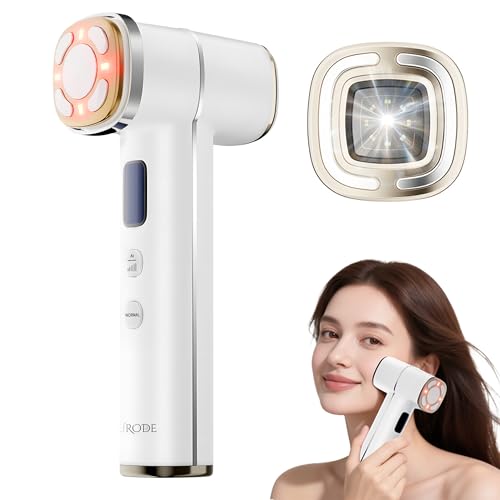
PURODE Microcurrent Facial Device with Red Light Therapy for Anti-Wrinkle, Firming, Lifting, Enhanced Absorption, AI-Powered Customized Facial Massager with HD Skin Analysis Camera
- AI Skin Analysis: Analyzes skin in 3 seconds with HD camera
- Personalized Care Routines: Selects from 90 tailored skincare routines
- Anti-Aging Technology: Uses EMS, LED, heating, cooling, vibration
As an affiliate, we earn on qualifying purchases.
As an affiliate, we earn on qualifying purchases.
Frequently Asked Questions
How Does AI Improve LED Therapy Personalization?
AI improves LED therapy personalization by leveraging machine learning to analyze your skin type, condition, and response in real time. This allows for precise treatment customization, ensuring the therapy targets your specific needs effectively. As your skin reacts, AI adjusts the light parameters instantly, optimizing results and reducing side effects. You benefit from a tailored approach that adapts continuously, making your LED treatments more efficient and personalized.
What Are the Safety Considerations With Real-Time LED Adjustments?
When making real-time LED adjustments, you should prioritize safety protocols and device calibration to prevent harm. Confirm the device is properly calibrated before use and regularly checked for accurate output. Always monitor treatment parameters during sessions, avoiding excessive intensity or duration. Adhering to safety standards minimizes risks like skin burns or eye damage, so you can confidently benefit from personalized therapy while maintaining safety.
Can LED Therapy Be Integrated With Other Treatments?
You can definitely integrate LED therapy with other treatments, enhancing your holistic approach. Combining it with alternative therapies like massage, acupuncture, or skincare routines can boost results and personalize your wellness plan. Some might worry about interactions, but when coordinated carefully, LED therapy complements existing treatments securely. Always consult with your healthcare provider to ensure seamless integration, making your overall therapy more effective and tailored to your unique needs.
What Are the Cost Implications of Advanced LED Technology?
Advanced LED technology involves higher initial costs due to sophisticated features like AI and real-time adaptation. You should consider a detailed cost analysis to weigh these expenses against long-term benefits, such as improved treatment outcomes and efficiency. While the upfront investment may be significant, the economic impact could be positive over time, potentially reducing other treatment costs and enhancing patient satisfaction.
How Will Regulatory Frameworks Evolve for Ai-Driven LED Devices?
You’ll see regulatory frameworks evolve to address AI-driven LED devices by tightening standards around safety and efficacy. Regulatory hurdles will likely increase, requiring rigorous testing and validation to meet ethical standards. Agencies will focus on transparency and data privacy, ensuring devices adapt safely in real-time. Expect regulators to develop clearer guidelines for AI integration, balancing innovation with consumer protection, so you can trust these advanced therapies while ensuring compliance.
Conclusion
As LED therapy evolves with AI and real-time adaptation, you’re on the brink of personalized treatments that could boost recovery rates by up to 30%. Imagine harnessing data-driven insights to target your specific needs instantly, making therapy more effective than ever. This exciting future promises safer, smarter solutions that adapt as you progress. Stay ahead of the curve—LED therapy is transforming, and you’re part of this revolutionary journey toward better health and wellness.