
When choosing timers, pulsing modes, and intensity controls, focus on features that address your actual needs like automation, ambiance, or safety, rather than flashy marketing claims. Timers should match your routines, while pulsing effects add style or safety in specific situations. Adjustability helps customize your experience, but extra features aren’t worth it if they don’t solve real problems or offer clear benefits. Keep an eye on what truly enhances your space—more insights await those who look closer.
Key Takeaways
- Timers are essential for automation, energy savings, and safety; prioritize accurate, user-friendly options aligned with your routines.
- Pulsing modes enhance ambiance and aesthetic appeal but should be evaluated for actual mood or safety benefits.
- Intensity controls allow customization for comfort and energy efficiency; focus on those that meet your specific lighting needs.
- Marketing hype often exaggerates features like pulsing and timers; verify real benefits through reviews and testing.
- Features should solve genuine problems and improve usability, not just serve as superficial or flashy gimmicks.

BN-LINK 7 Day Programmable in-Wall Timer Switch for Lights, Digital Light Switch Timer Indoor, Single Pole and 3 Way (Compatible with SPDT) Both Use, Neutral Wire Required, Blue Backlight, ETL Listed
- Blue Backlight for Easy Visibility: Blue backlit display for easy programming
- 18 On/Off Programs & 7-Day Schedule: Customize lighting with 18 programs and weekly scheduling
- Minute-Interval Settings: Set intervals as short as one minute
As an affiliate, we earn on qualifying purchases.
As an affiliate, we earn on qualifying purchases.
Why Do Lighting and Device Features Matter to You?
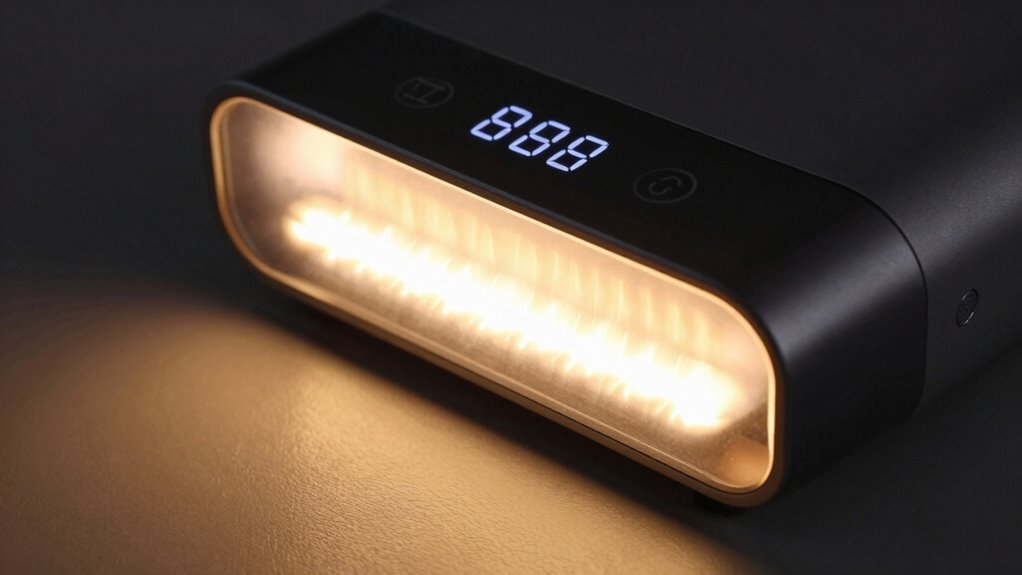
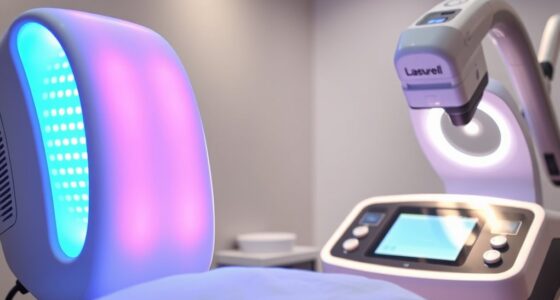
Lighting and device features directly impact how well your technology fits into your daily routines. You want a setup that seamlessly matches your lifestyle, which means paying attention to lighting aesthetics and device compatibility. Good lighting aesthetics enhance your space’s ambiance, making it more inviting and comfortable. Device compatibility ensures your gadgets work smoothly together without frustration or constant adjustments. When features align with your preferences, you gain better control over your environment, improving your overall experience. Whether it’s adjusting brightness levels or syncing devices effortlessly, these features make daily tasks easier and more enjoyable. Ignoring these details can lead to frustration and underused technology. Ultimately, choosing the right lighting and device features helps you create a more functional, stylish, and personalized environment. Paying attention to daily routines allows you to select features that truly support your lifestyle and faith-driven priorities. Additionally, understanding technology compatibility can prevent integration issues that disrupt your daily use. Recognizing the importance of feature integration can enhance your overall satisfaction with your setup. Incorporating user-friendly controls can further streamline your interaction with these features, making technology more accessible and less complicated. Being aware of compatibility challenges helps in selecting devices that work harmoniously together, reducing potential setbacks.
When Do You Really Need a Timer on Your Device?
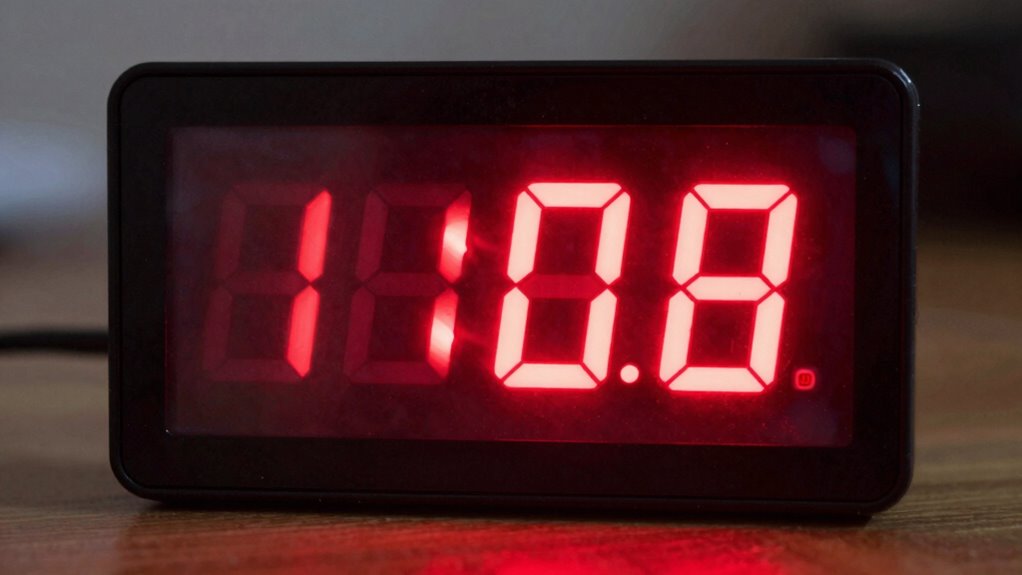
Ever wonder if you really need a timer on your device? If your goal is to enhance lighting aesthetics, a timer can help create perfect lighting scenes without constant adjustments. It’s essential if you want your device to turn off automatically, conserving energy and maintaining a sleek look. A timer also boosts your brand reputation by showing users you care about efficiency and user experience. Consider these scenarios:
A timer enhances lighting aesthetics, conserves energy, and boosts user experience.
- Setting a bedtime routine with dimming lights
- Ensuring lights turn off after a party
- Creating mood lighting for special occasions
- Saving energy during daily use
- Avoiding manual shut-offs to keep the space tidy
- Incorporating cultural artifacts for authenticity and visual interest can deepen the connection to Indonesian decor, enriching your space’s ambiance. Additionally, understanding device longevity can help you make informed decisions about timer features and maintenance. Using a timer can also help prevent overuse and prolong the lifespan of your devices, ensuring they operate efficiently over time. Recognizing how digital safety impacts your device choices can further protect your space from potential hazards. If any of these situations resonate, a timer isn’t just a convenience—it’s a feature that elevates your lighting design and supports your device’s reliability.
How Do You Choose the Right Timer for Your Needs?
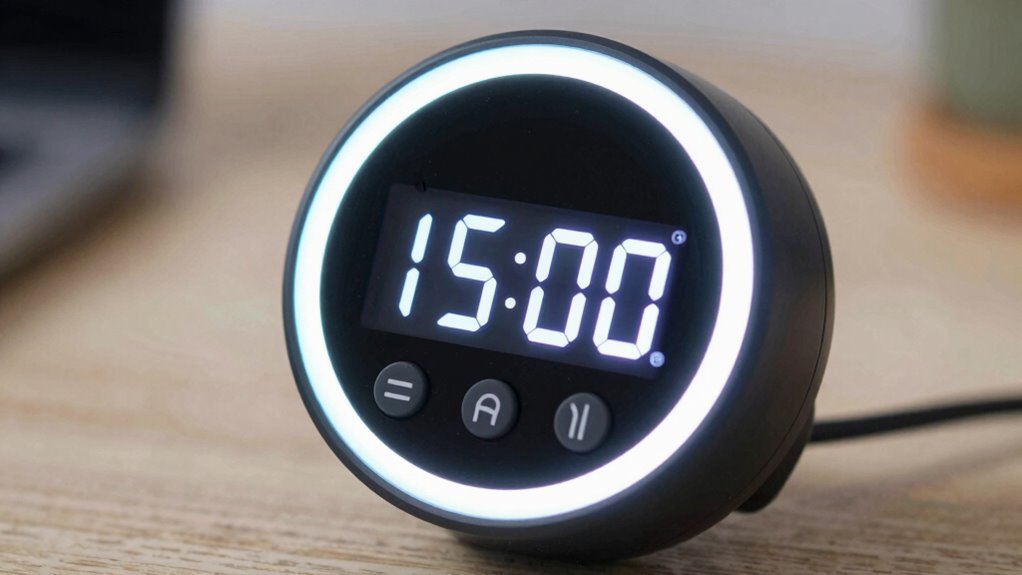
To pick the right timer, start by identifying your specific timing needs. Then, look for features that align with your goals, whether it’s accuracy, ease of use, or customization. Matching what the timer offers to your requirements guarantees you get the most effective tool for your tasks. Additionally, consider how the timer’s safety features ensure reliable operation in solar system setups. Understanding the timing accuracy of a device can also influence its suitability for precise applications. For example, if you are working on Rhythm Failure projects, precise timing becomes even more crucial to maintain synchronization. Incorporating content relevance into your evaluation can further help you select a device that maintains consistency over time. Paying attention to preservation techniques can also enhance the longevity and reliability of your timing devices in specialized environments.
Determine Your Timing Needs
How do you determine the right timer for your needs? First, consider your lighting aesthetics—do you want a subtle glow or a bold statement? Think about how the timing feature integrates with your existing setup and device compatibility, ensuring seamless operation. Your timing needs depend on how long you want lights to stay on or off, whether you need quick adjustments or precise control. Visualize:
- Adjusting hours for a cozy evening ambiance
- Synchronizing with other smart home devices
- Ensuring energy efficiency with accurate on/off cycles
- Creating dynamic lighting effects
- Accommodating different device power requirements
Matching your timing requirements with your setup guarantees ideal performance while maintaining the desired lighting aesthetics. Choosing the right timer means aligning its features with both your goals and your existing devices.
Match Features to Goals
Choosing the right timer starts with clearly defining your goals for your lighting setup. If your focus is on enhancing lighting aesthetics, look for features like pulsing or intensity controls that create specific moods. Consider whether the timer device is compatible with your existing lighting system to guarantee seamless operation. Different setups may require simple on/off timers or more advanced models with multiple functions. Think about how you want your lights to behave—steady, dynamic, or synchronized with other devices. Matching features to your goals helps avoid overpaying for unnecessary functions while ensuring your lighting looks exactly how you envision. Always verify device compatibility before purchasing, so your timer integrates smoothly and supports your desired lighting aesthetics effectively.
Are Pulsing Modes Just Fluff or Do They Enhance Your Experience?

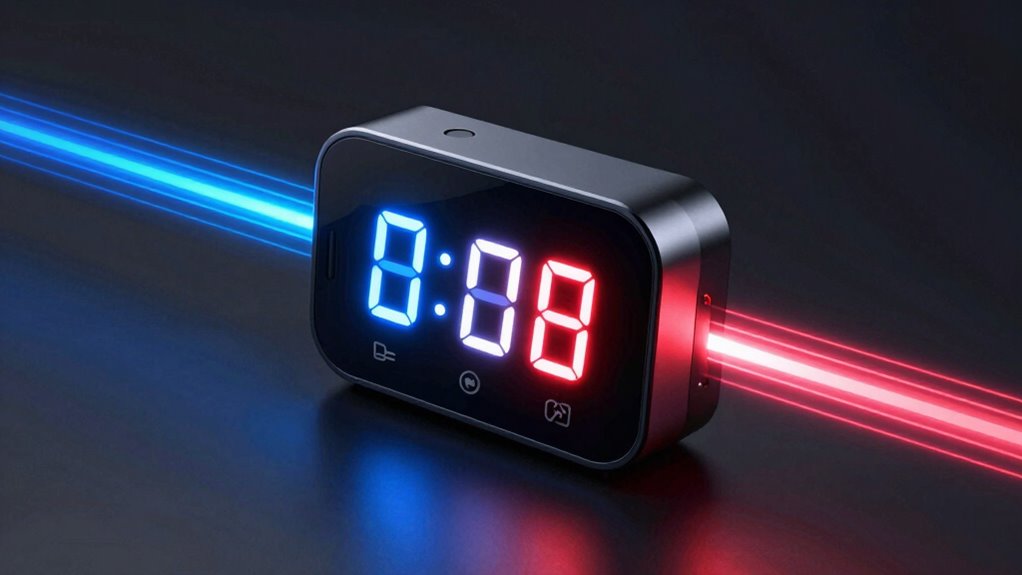
Are pulsing modes worth the hype, or are they just a marketing gimmick? Many believe they boost aesthetic appeal, making devices look modern and dynamic. This visual effect can influence your perception of quality, positively impacting brand reputation. But do they truly enhance your experience? Consider these aspects:
- Creates a soothing, rhythmic glow that feels engaging
- Adds a sense of sophistication and innovation
- Conveys a high-tech vibe, elevating aesthetic appeal
- Makes the device appear more customizable
- Reinforces brand identity through distinctive lighting patterns
- Lighting effects can also improve visibility and safety in certain environments
- Incorporating lighting features may also contribute to user comfort and overall satisfaction.
Additionally, visual appeal plays a significant role in consumer satisfaction and brand differentiation in the competitive digital device market. While pulsing modes may seem like a superficial feature, they can subtly improve user satisfaction by blending style with function. Ultimately, if aesthetic appeal and brand reputation matter to you, pulsing modes might be more than just fluff.
Is Adjustable Brightness or Intensity Important for Your Use?
Have you ever needed to adjust the brightness or intensity of a device to match your environment or preferences? If so, brightness customization and intensity control become important features. Being able to fine-tune the light output allows you to create a comfortable setting, whether you need bright illumination for detailed tasks or softer light for relaxation. This flexibility helps prevent eye strain and enhances usability in different situations. Adjustable brightness or intensity also offers better control over energy consumption, saving power when full brightness isn’t necessary. If these features are easy to operate, they add significant value to your experience. Additionally, eye safety considerations are essential when selecting devices with adjustable settings to ensure comfort and protection. Having control over brightness and intensity ensures the device adapts seamlessly to your needs, making it more versatile and user-friendly. Incorporating features like ergonomic design can further improve ease of use and reduce strain during prolonged use. Understanding eye strain can also be relevant in certain device maintenance or health monitoring contexts, highlighting the importance of user awareness. Moreover, understanding safety considerations related to electrical devices ensures proper usage and reduces risks during operation.
Do These Features Actually Help You Save Energy or Improve Safety?

Are these features genuinely helping you save energy or boost safety? It’s worth examining whether they deliver on their promises or just add to the cost. Understanding their actual impact can help you make smarter choices. Additionally, considering smart thermostat protocols like scheduling and zoning can further enhance your home’s efficiency and comfort, ensuring these features provide real benefits rather than just marketing hype. For example, integrating water-cooled mattress pads or dehumidifiers with your system may offer targeted climate control that optimizes energy use.
Energy Savings Potential
Ever wonder if the features marketed as energy-saving truly deliver on their promises? While some may genuinely cut energy costs, others are more about luxury upgrades and aesthetic appeal. These features often include smart timers or pulsing modes, but their real savings depend on proper use. Imagine:
- Setting a timer to turn lights off automatically after use
- Adjusting intensity to match activity levels
- Using pulsing modes during off-peak hours
- Incorporating dimming features for ambiance
- Upgrading to sleek, energy-efficient fixtures that look stylish
While these enhancements may add a modern, elegant look, their actual energy savings can vary. Don’t assume all marketed features will slash your bills; some are more about enhancing your space’s aesthetic appeal than delivering significant savings.
Safety Enhancements
Many energy-saving features also claim to improve safety, but it’s worth questioning whether they truly deliver on both fronts. For example, safety enhancements like color customization can alert you to issues or changes in device status, but don’t always guarantee safety. Bluetooth connectivity allows you to monitor and control devices remotely, reducing hazards caused by manual adjustments. However, this doesn’t always prevent accidents. Consider the table below:
| Feature | Safety Benefit | Energy Impact |
|---|---|---|
| Color customization | Visual alerts for safety issues | Minimal impact |
| Bluetooth control | Remote safety monitoring | Can save energy by efficient use |
| Automatic shutoff | Prevents overheating or hazards | Energy savings possible |
These features support safety but should be complemented with proper usage.
Are Extra Features Worth the Cost? When Do They Pay Off?

Extra features can considerably enhance a product’s value, but they don’t always justify the additional cost. When evaluating whether they pay off, do a careful cost analysis to see if the added benefits outweigh the expense. Watch out for feature redundancy—does this feature duplicate functionality you already have? If so, it may not be worth the extra money. Consider how these features fit your needs:
Assess extra features carefully; ensure they add real value without unnecessary duplication or cost.
- Intuitive controls that save time
- Customizable settings for tailored performance
- Advanced timers for precise operation
- Pulsing modes for efficiency
- Brightness or intensity options for versatility
If these extras genuinely improve your experience or efficiency, they can be worth the investment. Otherwise, they might just be marketing hype designed to inflate the price without adding real value.
How to Pick the Features That Solve Your Real Problems
To select features that truly tackle your problems, start by identifying your core needs so you focus on what matters most. Make certain you clearly differentiate between features to avoid adding unnecessary complexity. Finally, test their real impact to ensure each feature delivers tangible value before investing your resources.
Identify Core Needs
How can you guarantee the features you choose truly address your customers’ most pressing problems? Start by understanding their core needs, not just surface desires. Focus on what genuinely improves their experience or solves a pain point. For example, if aesthetic appeal matters, consider how decorative accents enhance the overall look. Prioritize features that deliver real value, like intuitive controls or durable materials, over shiny marketing promises. Visualize your customers enjoying:
- Seamless integration of decorative accents
- Enhanced ambiance through intuitive timers
- Reliable pulsing features for consistent performance
- Precise control of intensity levels
- An overall experience that feels personalized and effortless
Differentiate Features Clearly
Choosing the right features requires you to clearly distinguish between what genuinely solves your customers’ main problems and what simply sounds appealing. Focus on features that improve lighting aesthetics and assure device compatibility, rather than flashy extras. To do this, compare features systematically:
| Feature | Benefits | Relevance to Problems |
|---|---|---|
| Timer | Automates lighting schedules | Solves convenience issues |
| Pulsing | Creates ambiance | Enhances aesthetics |
| Intensity control | Adjusts brightness | Meets lighting needs |
| Connectivity | Syncs with devices | Ensures compatibility |
Prioritize features that directly address core needs and eliminate those that are merely marketing gimmicks. This way, you develop products that truly serve your customers.
Test for Real Impact
Testing for real impact guarantees you select features that genuinely address your customers’ needs rather than just sounding good. To do this, focus on how lighting aesthetics and device aesthetics enhance the user experience. Ask yourself if a feature improves usability or emotional appeal. Consider whether it simplifies tasks or elevates design. Look beyond marketing buzzwords and examine actual benefits. Visualize your product with:
- A lighting system that creates the perfect ambiance
- Sleek device aesthetics that catch the eye
- Intuitive controls that feel natural
- Visual feedback that guides users effortlessly
- Aesthetic details that reinforce brand identity
These elements should solve real problems, not just impress superficially. Testing for impact ensures your features serve your customers, not just your marketing stories.
How Can You Spot Overhyped Features and Focus on What Matters?
Have you ever wondered why some product features seem to generate hype but rarely deliver real value? That’s often due to feature hype driven by marketing tricks designed to catch your attention, not necessarily improve your experience. To spot overhyped features, look beyond the marketing buzz and ask if there’s genuine evidence they make a difference. Be cautious of claims that sound too good to be true or rely heavily on flashy demonstrations. Instead, focus on whether these features address your actual needs or solve your problems. Do thorough research, read reviews, and seek unbiased opinions. Remember, marketers often highlight the most impressive-sounding aspects, but the real value lies in features that offer tangible benefits, not just marketing tricks meant to sell you on the hype.
Making Smart Choices: Prioritize the Features That Fit Your Goals

To make smart choices about which features to prioritize, you need to clearly understand your goals and how you plan to use the product. In a smart home, selecting features that enhance user comfort is key. Focus on options that simplify your daily routines and create a seamless experience. Think about how lighting, temperature, and timing features can work together to improve your environment.
Imagine:
- Adjusting lighting automatically based on time or activity
- Setting schedules for heating and cooling
- Using pulsing or timer functions to conserve energy
- Customizing intensity for ideal comfort
- Simplifying controls for effortless management
Prioritize features that align with your lifestyle, helping you save time, energy, and effort while maximizing comfort.
Frequently Asked Questions
Do Specific Features Impact Device Lifespan Significantly?
Yes, specific features can impact your device’s lifespan. Features like feature durability and design longevity matter because they determine how well the device withstands regular use. If a device uses high-quality materials and sturdy construction, it’s less likely to break down quickly. Choosing a device with proven durability ensures you get more value and longer-lasting performance, saving you money and frustration over time.
How Do Different Features Affect Overall Device Maintenance?
Different features directly influence your device’s maintenance needs. Feature customization allows you to tailor settings, reducing unnecessary wear and tear, while a user interface that’s intuitive makes it easier to perform regular upkeep. When you understand how each feature works, you can prevent issues and extend the device’s lifespan. Focus on features that simplify maintenance, and always keep the interface user-friendly to avoid accidental damage or misuse.
Are There Compatibility Issues With Advanced Lighting Features?
Compatibility concerns can arise with advanced lighting features, especially if your device isn’t designed for seamless feature integration. You might experience issues if your system doesn’t support certain protocols or updates. To avoid this, check compatibility details before upgrading or adding new features. Ensuring your device’s firmware and hardware are compatible helps you enjoy advanced lighting without hiccups, making the overall experience smoother and more reliable.
Can Features Like Pulsing Cause Unintended Distractions?
Yes, features like pulsing can cause unintended visual distraction, pulling your attention away from what matters most. If you’re trying to stay focused, these flashing or rhythmic effects might break your concentration or create a visual distraction. To maintain your user focus, consider disabling pulsing or choosing more subtle lighting options, ensuring your environment supports productivity rather than diverting your attention with unnecessary visual stimuli.
Which Features Are Most Effective in Emergency Situations?
In emergency situations, the most effective features are those that quickly grab your attention, like loud alarms or flashing lights. For emergency preparedness, prioritize features that enhance visibility and rapid response, such as bright, flashing signals or loud alerts. Avoid overcomplicating your setup with less critical features. Focus on clear, reliable alerts that make certain you can react swiftly and stay safe without unnecessary distractions.
Conclusion
Choosing the right lighting features can truly enhance your experience, but don’t get dazzled by marketing hype. Did you know that 78% of consumers say they prefer devices with customizable timers? Focus on what solves your real needs, like adjustable brightness or pulsing modes that genuinely improve usability. By prioritizing features that align with your goals, you’ll make smarter choices and get more value from your devices without paying extra for unnecessary extras.