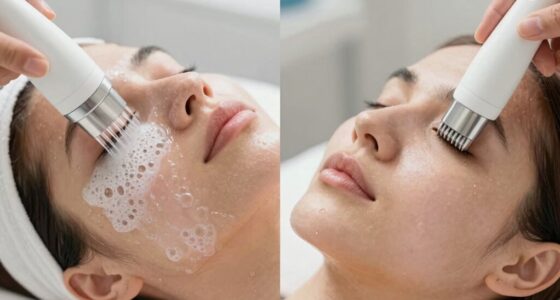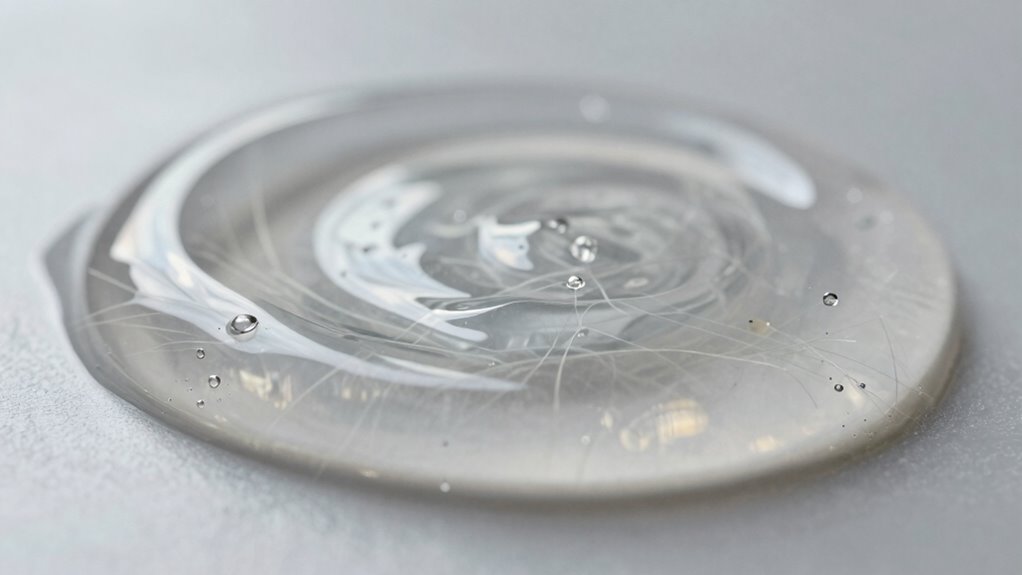

Conductive gels are a vital yet often overlooked factor in microcurrent performance. They guarantee efficient electrical transfer between your device and your skin, which impacts treatment comfort and results. Poor-quality gels can cause uneven currents, irritation, or reduced effectiveness. Choosing the right gel—based on conductivity, safety, and device compatibility—can make a big difference. To optimize your microcurrent sessions, understanding how gels influence outcomes is key—and there’s more to uncover if you keep exploring.
Key Takeaways
- Conductive gels directly influence current transfer efficiency and treatment consistency in microcurrent therapies.
- Variations in gel conductivity, viscosity, and ingredients can significantly impact device performance and skin compatibility.
- High-quality, properly stored gels ensure better conductivity, longer usability, and reduce skin irritation risks.
- Low-quality or incompatible gels may cause uneven current flow, discomfort, and compromised treatment results.
- Emerging innovations like nanotech and smart gels aim to optimize conductivity and enhance overall microcurrent effectiveness.
Top picks for "conductive gels hidden"
Open Amazon search results for this keyword.
As an affiliate, we earn on qualifying purchases.
Why Conductive Gels Are Essential for Microcurrent Treatments

Conductive gels are indispensable for microcurrent treatments because they guarantee efficient transmission of electrical impulses between the device and your skin. The gel formulation determines how well these impulses pass through, making it critical to choose a product that offers ideal conductivity. A well-designed gel enhances skin absorption, ensuring that the electrical signals reach deeper layers effectively. The quality of the gel can also influence microplastic accumulation in dust, which impacts overall skin health and treatment outcomes. Poor formulation can lead to resistance, reducing treatment efficacy and causing discomfort. The right conductive gel minimizes irritation and helps maintain consistent contact throughout your session. By improving skin absorption, the gel ensures your skin receives the full benefits of the microcurrent, maximizing results. Understanding skin health and its relation to treatment success can further help customize your approach. Additionally, understanding the role of time perception in electrical treatments can help optimize treatment timing for better outcomes. Recognizing the importance of proper conductive gel application can significantly enhance the overall treatment experience. The choice of gel can also influence the overall treatment experience, affecting comfort and effectiveness. Ultimately, selecting a high-quality conductive gel is essential for achieving smooth, effective, and comfortable microcurrent treatments.
How the Quality of Conductive Gels Affects Your Results

The quality of conductive gels directly impacts the effectiveness of your microcurrent treatments. Poor-quality gels can reduce gel longevity and hinder current transfer, leading to less visible results. If the gel isn’t formulated well, it might dry out faster or become sticky, making sessions uncomfortable. Proper storage conditions are essential—keep gels in a cool, dry place to maintain their consistency. Using high-quality gels ensures better conductivity, longer usability, and consistent performance. Investing in good gel quality saves you time and money by reducing the need for frequent replacements. Remember, even the best equipment can be compromised by inferior gels. To optimize your results, always choose trusted brands and store your gels properly to preserve their effectiveness. Additionally, selecting gels that are compatible with your specific microcurrent devices can further enhance treatment outcomes. Understanding gel formulation can help you choose products that perform reliably and safely, especially considering the importance of conductive properties for effective current transfer. Moreover, paying attention to product ingredients can ensure compatibility with sensitive skin and reduce the risk of irritation. Regularly checking gel shelf life ensures you are using fresh products that provide optimal conductivity.
What Are the Different Types of Conductive Gels for Microcurrent?
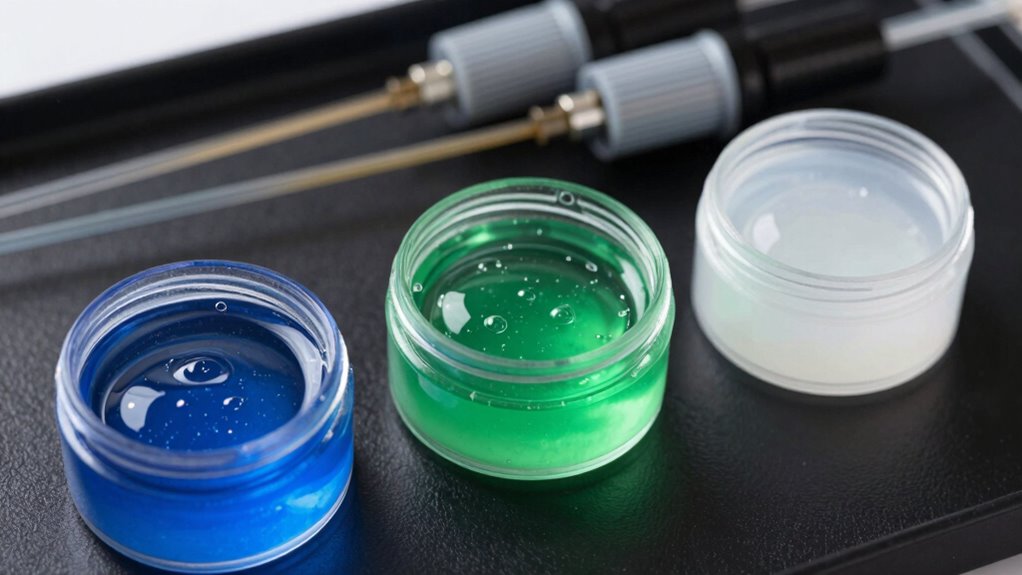
Different conductive gels come with varying compositions, which can affect their performance and comfort. You’ll notice differences in conductivity levels, impacting how effectively your microcurrent device works. Additionally, compatibility with your device is key, so choosing the right gel type guarantees the best results. For optimal use, consider selecting gels that are compatible with heat-gun kits, ensuring safe and effective application during your DIY projects. Being aware of the specific conductivity properties of each gel can help you select the most suitable option for your needs. Understanding material compatibility can also prevent potential issues with skin sensitivity or device malfunction, especially when integrating with other tools like conductive adhesives. Recognizing the performance consistency of different gels can help maintain reliable results over multiple uses.
Gel Composition Variances
Because gel composition directly affects conductivity and user comfort, understanding the various types of conductive gels used in microcurrent treatments is essential. Different gels feature varying gel ingredient variations that influence performance and skin compatibility. For example, some contain water-based formulas, while others use silicone or hybrid options. The pH level impacts how well the gel interacts with your skin and the device, affecting both comfort and conductivity. Recognizing these differences helps you select the right gel for ideal results. Additionally, being aware of household product safety is important, as some gels may contain ingredients that could cause skin irritation or adverse reactions if not properly formulated. Understanding skin compatibility is crucial because individual skin sensitivities can vary widely, and selecting a compatible gel can help prevent discomfort or adverse effects. Being informed about gel ingredient safety can also help you avoid potential allergens or irritants that might compromise your treatment experience. Moreover, the ingredient composition of gels can influence their overall stability and shelf life, impacting long-term usability.
Conductivity Levels Differences
Are you aware that conductive gels vary considerably in their ability to transmit microcurrent effectively? Different conductivity levels impact electrode contact, which is vital for peak results. High-conductivity gels allow microcurrent to pass smoothly, ensuring better stimulation and reduced resistance. Conversely, gels with lower conductivity may hinder electrode contact, causing uneven current flow and less effective treatment. Gel absorption also plays a role; some gels absorb quickly, losing their conductive properties faster, while others stay moist longer, maintaining consistent transmission. Choosing a gel with appropriate conductivity levels ensures efficient energy transfer and minimizes discomfort. By understanding these differences, you can select the right gel to enhance your microcurrent sessions and achieve peak results.
Compatibility With Devices
Choosing the right conductive gel for your microcurrent device depends heavily on compatibility. Not all gels work with every device, so you need to take into account the type of gel and its interaction with your equipment. Some gels are formulated specifically for certain brands or models, guaranteeing optimal performance and preventing issues like gel drying or poor conductivity. Additionally, pay attention to storage conditions; improper storage can affect gel consistency and effectiveness. Properly embracing diversity in product options can ensure that your choice of gel aligns with your device’s specifications and your individual needs. Recognizing product compatibility helps prevent device damage and ensures consistent treatment outcomes.
How to Choose the Best Conductive Gel for Your Device

To choose the best conductive gel, you need to ensure if it’s compatible with your device and provides the right level of conductivity and viscosity. It’s also important to think about your skin sensitivity to avoid irritation. Making these choices ensures you get effective results without discomfort. Additionally, considering pet storm-anxiety routines can help prevent stress-related issues during treatments. Selecting a gel with proper electrical conductivity can significantly improve the performance of your microcurrent device. Evaluating device compatibility is essential to maximize effectiveness and avoid potential issues. Furthermore, understanding the testing accuracy of different gels can help in selecting the most reliable option for consistent results. Embracing a calm mindset during your treatments can also enhance overall outcomes and comfort.
Compatibility With Device
How do you guarantee the conductive gel you select works seamlessly with your device? First, check your device’s specifications for compatible gel types, ensuring it’s designed for your microcurrent machine. Compatibility influences gel longevity and performance, so choosing the right one prevents unnecessary waste. Also, consider storage conditions; improper storage can compromise gel effectiveness, affecting how well it interacts with your device.
To ensure compatibility, keep these tips in mind:
- Verify the gel’s formulation aligns with your device’s requirements
- Use recommended storage conditions to maintain gel quality
- Test a small amount before full application to confirm proper conductivity
Matching the right gel with your device helps optimize performance and prolongs gel usability.
Conductivity And Viscosity
Are you selecting a conductive gel that effectively transmits microcurrents? To do so, focus on conductivity measurement—higher conductivity means better current flow. A gel with *ideal* conductivity ensures your device works efficiently without energy loss. Equally important is viscosity impact; a gel that’s too thick can hinder movement and reduce contact, while a too-thin gel may be hard to control. Look for a balanced viscosity that stays in place yet allows smooth application. The right combination enhances device performance and ensures consistent microcurrent delivery. Testing the gel’s conductivity before use helps confirm it meets your needs. Remember, a conductive gel with the *perfect* conductivity and viscosity will maximize your device’s effectiveness and improve your treatment experience.
Skin Sensitivity Considerations
Choosing the right conductive gel involves more than just considering conductivity and viscosity; skin sensitivity plays a key role in ensuring comfort and safety during your treatments. If you have sensitive skin, you’re at a higher risk of skin irritation or allergy risks with certain gels. To minimize discomfort, look for products labeled hypoallergenic or suitable for sensitive skin. Always do a patch test before full application to check for adverse reactions. Also, review ingredient lists to avoid fragrances, alcohols, or preservatives that can trigger irritation. Selecting a gel formulated for sensitive skin helps prevent skin irritation and reduces allergy risks, making your microcurrent sessions safer and more comfortable.
- Opt for hypoallergenic and fragrance-free options
- Conduct patch tests before full use
- Read ingredient labels carefully
Troubleshooting Common Problems Caused by Low-Quality Gels
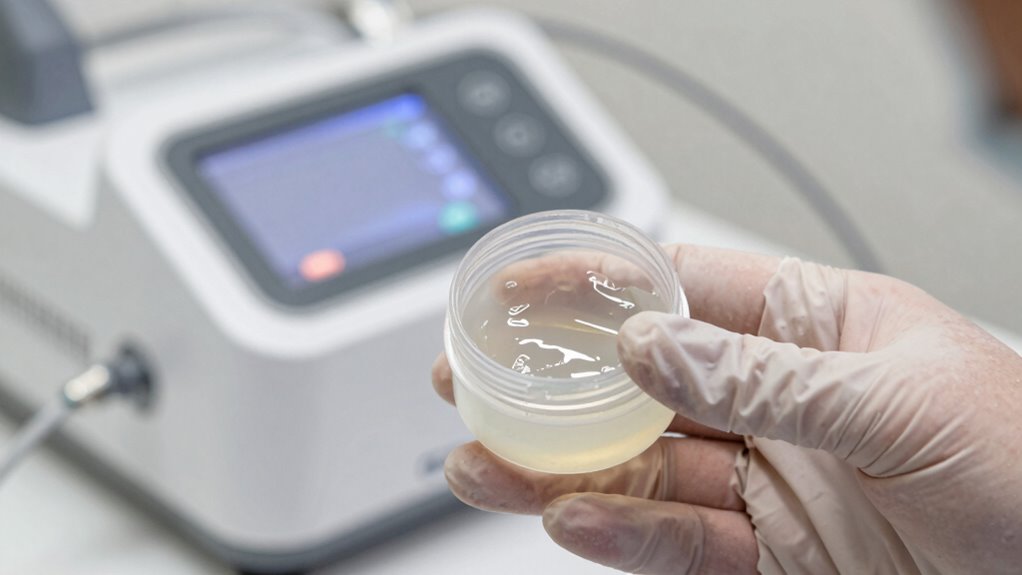
Low-quality conductive gels often cause issues during procedures, leading to poor signal transmission and unreliable results. If you notice inconsistent microcurrent performance, it’s likely due to subpar gel quality. Low-grade gels may also compromise gel safety, increasing the risk of skin irritation. To prevent this, always follow proper storage tips: keep gels in a cool, dry place, away from sunlight and heat sources. Here’s a quick comparison:
| Issue | Solution |
|---|---|
| Weak signal transmission | Switch to high-quality, reputable gels |
| Skin irritation | Use gels with safe, skin-friendly formulas |
| Gel drying out | Store properly and use within shelf life |
Tips for Applying Conductive Gel for Better Results
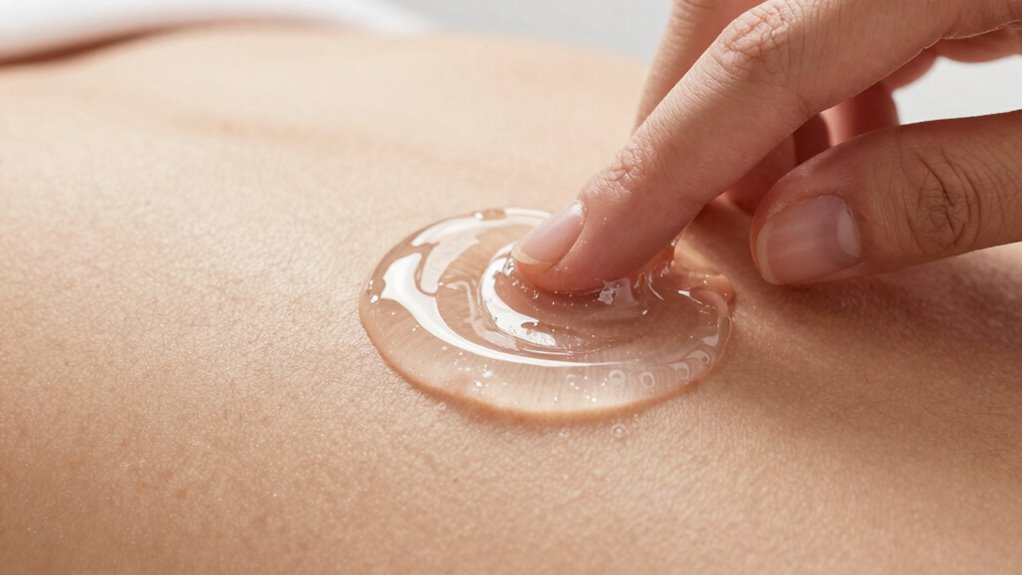
Applying conductive gel correctly is essential for ideal microcurrent results. Proper gel application ensures good conductivity and consistent performance. Start by thoroughly skin preparing the area; clean and dry your skin to remove oils and dirt that can hinder conductivity. Use enough gel to create a smooth, even layer—don’t skimp, but avoid excess that can cause mess or slipping. Warm the gel slightly if it’s cold, as warmer gel improves flow and contact. During application, gently spread the gel with your fingers or a tool, ensuring full coverage without gaps.
For optimal results, thoroughly clean skin and apply a generous, even layer of warm conductive gel.
- Use a generous, even layer of gel for maximum skin contact
- Always clean skin beforehand for better gel adhesion
- Warm the gel slightly to improve flow and application
How to Troubleshoot Microcurrent Results When Gels Don’t Perform

When your microcurrent results aren’t meeting expectations, the first step is to check whether the conductive gel is functioning properly. Begin by examining the gel’s shelf life; expired gels can lose their conductivity, reducing effectiveness. Always verify the date on the packaging to guarantee freshness. Packaging issues, like leaks or dried-out tubes, can compromise gel quality, leading to inconsistent contact with your skin. If the gel appears dry, cracked, or discolored, it’s best to replace it. Proper storage is also essential—keep gels in a cool, dry place to prevent deterioration. Troubleshooting starts with making sure you’re using fresh, properly stored gel in intact packaging, so your microcurrent device can deliver optimal results.
Are There Alternatives to Traditional Conductive Gels?

If your current conductive gel isn’t delivering the results you expect, exploring alternatives can be worthwhile. There are various alternative formulations designed to improve conductivity, comfort, and sustainability. Some options include gels made from plant-based ingredients or mineral-rich compounds that may offer better adhesion and less mess. Eco friendly options are increasingly available, helping you reduce environmental impact without sacrificing performance. You might also consider electrolyte-based solutions that can serve as effective conductors in a pinch. These alternatives can sometimes provide a more natural, skin-friendly experience, especially if you have sensitive skin or prefer sustainable products. Keep in mind, trying different formulations can help you find a solution that matches your microcurrent therapy needs better.
Future Trends in Conductive Gels for Microcurrent Therapy
Advancements in material science and technology are shaping the future of conductive gels for microcurrent therapy, promising more effective and user-friendly options. Conductive gel innovations focus on improving conductivity, longevity, and comfort, making treatments more efficient. Future gel formulations may incorporate bio-compatible, eco-friendly ingredients, reducing skin irritation and environmental impact. Researchers are exploring nanotechnology to enhance gel performance, ensuring better contact and signal transfer. Smart gels that adapt to skin conditions or deliver active ingredients are also on the horizon. These developments aim to optimize therapy outcomes, simplify application, and increase patient comfort. As these trends evolve, you’ll likely see more customizable, sustainable, and high-performance conductive gels transforming the landscape of microcurrent therapy.
Frequently Asked Questions
Can Conductive Gels Cause Skin Irritation or Allergies?
Yes, conductive gels can cause skin irritation or allergies, especially if you have skin sensitivity. To prevent allergies, always choose hypoallergenic gels and do a patch test beforehand. If you notice redness, itching, or discomfort, discontinue use immediately. Proper allergy prevention is essential to avoid adverse reactions and guarantee a safe, comfortable microcurrent session. Always follow product instructions and consult a professional if you’re unsure about skin sensitivities.
How Long Does a Typical Conductive Gel Last During Treatment?
A typical conductive gel lasts about 15 to 30 minutes during treatment, depending on gel quality and skin type. For ideal results, you should monitor gel longevity and reapply if it starts to dry out or lose conductivity. Keep in mind that longer treatment durations may require more gel to maintain effective conductivity. Always check the gel’s consistency and replace it as needed to guarantee consistent microcurrent performance.
Are There Eco-Friendly or Biodegradable Conductive Gel Options?
You’ll be glad to know there are eco-friendly formulations like biodegradable alternatives available. Imagine a clinic switching to a plant-based conductive gel, reducing plastic waste and chemical impact. These biodegradable options work just as well, offering effective conductivity while being environmentally conscious. Choosing eco-friendly formulations not only benefits the planet but also aligns with sustainable practices, making your treatments greener and more responsible.
Do Different Skin Types Require Specific Conductive Gels?
Yes, different skin types often require specific conductive gels to guarantee ideal compatibility. For sensitive or dry skin, look for gels with gentle, skin-friendly formulations that minimize irritation. Oily or acne-prone skin benefits from non-comedogenic, lightweight gel formulations that won’t clog pores. By choosing gels tailored to your skin’s compatibility, you enhance microcurrent performance and reduce the risk of adverse reactions, ensuring a smoother, more effective treatment.
Can Conductive Gels Be Reused or Stored for Future Treatments?
Like a precious potion, conductive gels shouldn’t be reused or stored for future treatments. You risk contamination and compromised effectiveness if you don’t practice proper gel preservation. Store gels in airtight containers, away from heat and sunlight, to maintain their properties. Reusing gels can lead to inconsistent results, so it’s best to prepare fresh amounts for each session. Protect your treatments’ integrity with proper storage methods, ensuring superior microcurrent performance every time.
Conclusion
Remember, the right conductive gel isn’t just a side note—it’s the secret ingredient to revealing your microcurrent device’s full potential. Like a trusted partner in your skincare journey, a quality gel guarantees smooth, effective results every time. Don’t let low-quality gels be the hidden villain in your treatment story. Choose wisely, apply thoughtfully, and watch your microcurrent experience transform—because when the foundation is strong, the results speak for themselves.