
TL;DR

Get wellness gear delivered free — and shop member deals
- Fast, free delivery on millions of items
- Access to Prime Big Deal Days deals on October 6–7
- Prime Video, Amazon Music and more included
A volcanic eruption in 1345 led to climate shifts that disrupted harvests and trade routes, enabling the spread of the Black Death in Europe. New evidence links volcanic activity to the pandemic’s onset.
A volcanic eruption around 1345 is now believed to have played a key role in triggering the Black Death’s arrival in Europe two years later, according to recent scientific studies. This connection highlights how natural events can influence pandemics and global trade, making it a significant development in understanding the pandemic’s origins.
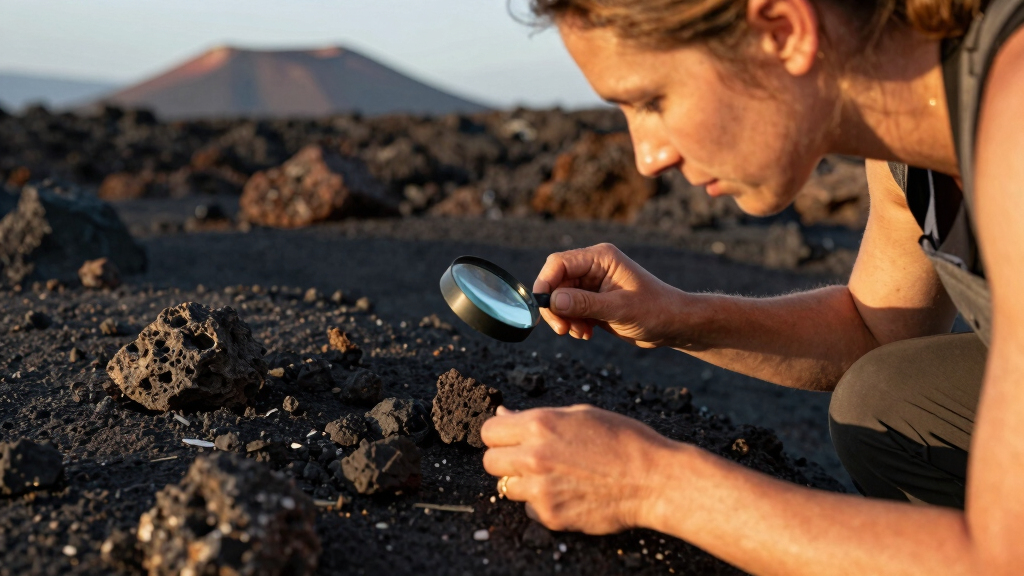
Researchers from the University of Cambridge and the Leibniz Institute for the History and Culture of Eastern Europe have presented evidence linking a volcanic eruption in 1345 to the climate anomalies that preceded the Black Death in Europe. Tree ring analysis from the Spanish Pyrenees shows unusually cold and wet summers during 1345-1347, which disrupted agricultural productivity across southern Europe.
Ice core samples containing sulfur deposits from the same period further support the occurrence of significant volcanic activity. These environmental changes caused crop failures and economic instability, prompting Italian city-states to increase trade with grain producers around the Black Sea. This intensified trade, according to the researchers, facilitated the spread of the plague bacteria carried by rats and fleas aboard ships, contributing to the pandemic’s rapid expansion.
Why It Matters
This discovery underscores how natural disasters like volcanic eruptions can have far-reaching consequences beyond immediate environmental effects, influencing human health and societal stability. It demonstrates the interconnectedness of climate, trade, and disease spread, offering insights into how similar mechanisms could impact present and future pandemics.
medieval climate change documentary DVD
As an affiliate, we earn on qualifying purchases.
As an affiliate, we earn on qualifying purchases.
Background
The Black Death arrived in Europe in 1347, devastating populations and reshaping societies. Prior to this, climate anomalies caused by volcanic activity have been suspected to have contributed to medieval famines and social upheavals. The new research provides concrete environmental evidence connecting the eruption to the conditions that enabled the pandemic to flourish, emphasizing the role of climate in historical disease outbreaks.
“The evidence suggests that volcanic eruptions around 1345 caused climate anomalies that disrupted harvests and trade, setting the stage for the Black Death’s spread.”
— Sarah Collins, Cambridge researcher
“A volcanic eruption thousands of miles away altered climate patterns, reshaping harvests and trade routes, which in turn facilitated the spread of disease.”
— Paul Whitewick, historian and environmental scientist
What Remains Unclear
While the evidence strongly suggests a connection between the volcanic eruption and the Black Death’s spread, the precise timing, scale of eruption, and direct causality remain subjects of ongoing research. Further studies are needed to confirm the exact mechanisms linking environmental changes to the pandemic’s onset.
What’s Next
Future research aims to refine the timeline and understand the detailed climate impacts of the eruption. Archaeological and environmental studies may uncover additional data on how trade routes and disease vectors contributed to the pandemic’s rapid spread, informing both historical understanding and modern pandemic preparedness.
Key Questions
What evidence links the volcanic eruption to the Black Death?
Tree ring analysis, ice core sulfur deposits, and climate records from the period indicate a significant volcanic event around 1345, which coincided with climate anomalies that disrupted agriculture and trade, facilitating the spread of the plague.
How did climate changes influence the spread of the Black Death?
Climate disruptions led to crop failures and economic instability, prompting increased trade and movement of goods and people, which helped spread the bacteria responsible for the plague across Europe.
Are there other factors that contributed to the Black Death’s spread?
Yes, factors such as urban overcrowding, poor sanitation, and the presence of rats and fleas played critical roles alongside environmental changes.
Could similar natural events influence modern pandemics?
Potentially, as climate and environmental factors continue to impact disease dynamics. Understanding historical links helps inform current risk assessments and responses.
Halloween Picks
halloween
As an affiliate, we earn on qualifying purchases.