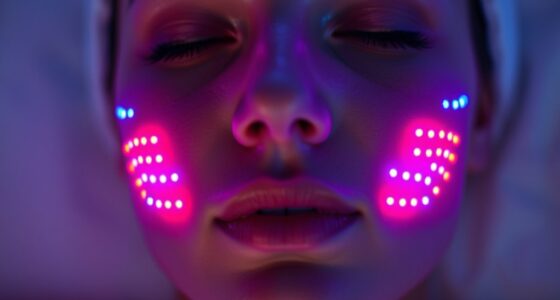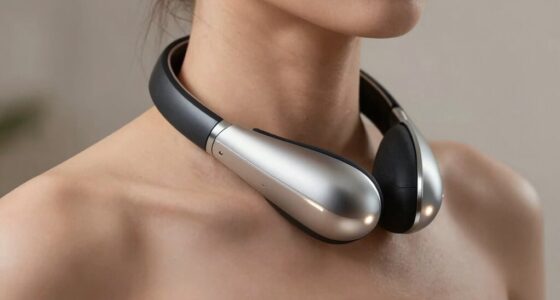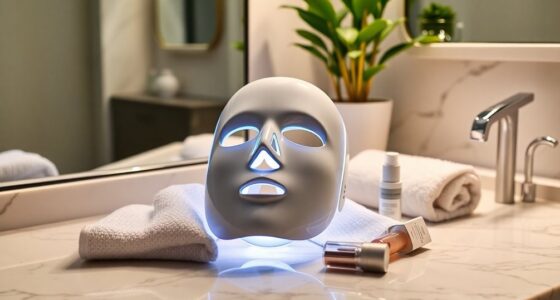
The most important thing to never do with eye LED devices is to look directly into the lights. Doing so can cause serious eye damage, including retinal injury or permanent blindness, even during therapy sessions. Instead, follow safety protocols, use protective shields, and avoid staring into the LEDs. If you want to keep your eyes safe and understand proper usage, keep going for essential tips and precautions.
Key Takeaways
- Never stare directly into high-intensity LED lights to avoid eye injury or retinal damage.
- Avoid overexposure or prolonged sessions that can cause eye strain or long-term harm.
- Do not ignore safety guidelines or manufacturer instructions when using eye LED devices.
- Never use LED lights at inappropriate times, especially before sleep, to prevent circadian disruption.
- Avoid using uncalibrated or improperly configured devices that may deliver unsafe light levels.
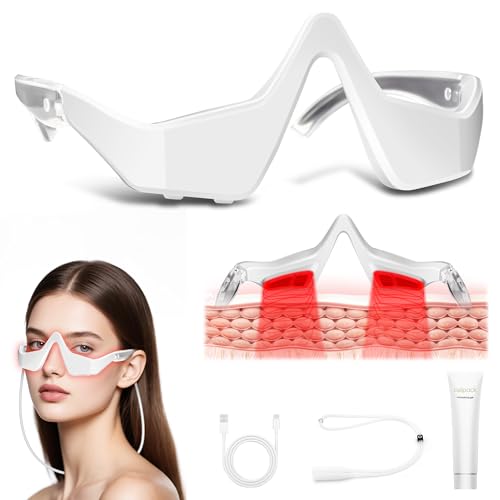
Under-Eye Light Therapy Device for Eye Bags, Dark Circles & Fatigue, White
- Pre-use skin preparation: Apply eye gel or moisturizer before use
- Adjustable glasses straps: Use straps for a secure fit if needed
- Light therapy and massage: Relieves eye fatigue and revitalizes eyes
As an affiliate, we earn on qualifying purchases.
As an affiliate, we earn on qualifying purchases.
What Are Eye LED Devices and How Do They Work?

Eye LED devices are small, portable gadgets that use light-emitting diodes (LEDs) to deliver targeted therapy or stimulation to the eyes. These devices work by emitting specific wavelengths of light, which can influence eye health or relaxation. To guarantee they’re effective and safe, proper device calibration is essential; this process adjusts the light intensity and timing to match individual needs. One critical factor is color temperature, which determines whether the light appears warm or cool. Adjusting the color temperature helps optimize therapy, reducing eye strain or promoting alertness. When using an Eye LED device, always calibrate it correctly and select the appropriate color temperature for your goals. This ensures you get the intended benefits without risking overstimulation or discomfort. Additionally, understanding the importance of device safety protocols can prevent potential adverse effects during use. Proper understanding of light therapy techniques can also enhance the efficacy of your treatment and minimize risks. Being aware of device calibration procedures is crucial for maintaining consistent and safe therapy sessions. Moreover, following recommended usage guidelines can help prevent misuse and ensure optimal results. Incorporating proper maintenance practices can further extend the lifespan and consistent performance of your device.
Why Looking Directly Into Eye LED Lights Can Hurt Your Eyes?
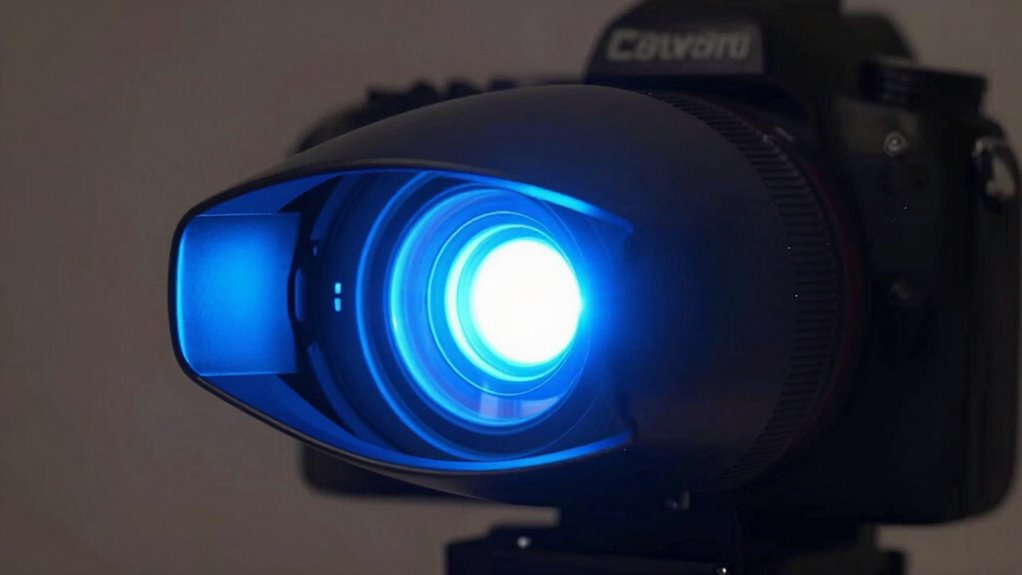
Looking directly into Eye LED lights can strain your eyes and cause discomfort. The high brightness intensity can damage your retina over time, especially with prolonged exposure. It’s important to understand these risks to protect your vision from potential harm.
Brightness Intensity Risks
Bright LED lights can deliver intense illumination that overwhelms your eyes when you stare directly into them. This high brightness can cause discomfort, glare, and temporary visual impairment. The spectral composition of LED lights influences how harsh the light appears; some wavelengths are more straining than others. Poor device ergonomics, such as improper positioning or inadequate shielding, increase your risk of accidental exposure to these intense beams. When the brightness exceeds comfortable levels, your eyes have to work harder to process the light, leading to fatigue and strain. Over time, this can contribute to discomfort and potential long-term issues. Additionally, proper device ergonomics can significantly reduce accidental eye exposure and related risks. Always pay attention to the spectral composition and guarantee your device’s design minimizes direct exposure, protecting your eyes from the dangers of high-intensity LED illumination. Being aware of spectral composition can help you select safer LED devices and reduce strain, especially considering the Gold IRA Markets which emphasize transparency and quality in investment options. Recognizing the importance of eye safety measures can further safeguard your vision when using LED devices regularly. Understanding lighting standards can also guide you in choosing devices that are safer for your eyes and overall health.
Retinal Damage Potential
Staring directly into LED lights designed for the eyes can cause serious damage to your retina. This exposure increases the risk of retinal injury, which can impair vision or cause permanent blindness. The intense light can also lead to corneal irritation, causing discomfort and redness. To understand the dangers, keep in mind:
- High-intensity LEDs emit concentrated light that overwhelms retinal cells.
- Prolonged exposure accelerates retinal damage and increases injury risk.
- Damage may not be immediately noticeable but can develop over time.
- Protecting your eyes from intense light exposure is essential to prevent both retinal injury and corneal irritation.
- Vetted information emphasizes the importance of understanding the potential harm caused by looking directly into LED lights. Additionally, the delicate nature of retinal tissue makes it especially vulnerable to intense light exposure.
- Recognizing eye safety precautions can greatly reduce the risk of accidental injury from LED devices.
- Regular breaks and avoiding prolonged staring at LED sources help minimize eye strain and protect your vision.
Prolonged Exposure Hazards
Prolonged exposure to eye LED lights can considerably increase the risk of eye damage because your retina accumulates damage over time from continuous intense illumination. Blue light emitted by LEDs is especially concerning because it penetrates deep into your eye, heightening your eye sensitivity. When you stare directly into these lights for extended periods, you strain your eyes and may cause discomfort, fatigue, or even long-term harm. Your eyes aren’t designed for constant exposure to intense or unnatural light sources, and blue light can disrupt your circadian rhythms as well. Understanding light safety guidelines can help you make informed decisions about eye protection. Additionally, awareness of blue light effects can further help you minimize potential harm. Recognizing the potential for eye damage from blue light exposure underscores the importance of limiting direct viewing. To protect your eyesight, avoid looking directly into eye LED lights for prolonged periods. Limiting exposure reduces the risk of blue light-related damage and helps preserve your eye health over time. Moreover, incorporating protective measures such as blue light filters or glasses can further reduce the risk of harm from LED exposure.
How Eye LED Lights Interact With Your Vision and Health?

Eye LED lights can impact your vision and overall health through their brightness and color. Too much intense light may cause eye strain or disrupt your sleep patterns, especially if used late at night. Understanding these effects helps you make better choices to protect your eyes and maintain your well-being. Additionally, light intensity levels play a crucial role in minimizing potential visual discomfort and health issues. Being aware of light exposure guidelines can further help prevent adverse effects on your eyes. Incorporating environmentally friendly craft ideas can also promote a healthier environment, reducing the need for excessive electronic device use. To reduce risks, it’s important to limit blue light exposure especially during evening hours. Recognizing the powerful meanings behind certain light settings can also help you choose options that support your health and comfort.
Light Intensity Effects
The intensity of LED lights can markedly influence your vision and overall health, as brighter lights tend to be more stimulating but can also cause discomfort or strain if they’re too intense. Higher intensity can lead to eye fatigue, headaches, or even long-term damage. To minimize risks, consider these points:
- Adjust brightness levels to comfortable settings.
- Be mindful of spectral composition, as certain wavelengths are more irritating.
- Prioritize device ergonomics to reduce glare and stray light.
- Limit exposure duration when using high-intensity LEDs.
- Use appropriate DIY tools and safety techniques to ensure proper installation and handling.
Keeping these factors in mind helps protect your eyes and promotes healthier interaction with LED devices. Remember, the right spectral composition and ergonomic design can substantially reduce strain and enhance comfort during prolonged use.
Circadian Rhythm Disruption
Disrupting your circadian rhythm often happens when LED lights emit blue wavelengths late into the evening, signaling your brain that it’s daytime. This interference can interfere with your natural sleep cycle, leading to sleep disruption. When your ambient lighting includes bright, blue-rich LEDs, your body perceives it as daylight, suppressing melatonin production. As a result, falling asleep becomes harder, and sleep quality declines. Constant exposure to blue light at night tricks your brain into staying alert, which can throw off your internal clock. Over time, this disruption affects overall health, mood, and cognitive function. To protect your circadian rhythm, avoid bright LED lighting in the evening, especially blue-rich spectra, and opt for warmer, dimmer lighting options to support healthy sleep patterns.
Eye Strain Risks
Prolonged exposure to LED lighting can lead to significant eye strain, especially when the lights are bright or flickering. Blue light from LEDs penetrates deeply, increasing your risk of eye fatigue. To minimize these risks, keep these points in mind:
- Limit screen time to reduce blue light exposure.
- Use blue light filters or glasses during extended use.
- Take regular breaks to rest your eyes, especially after long periods of focus.
- Adjust lighting brightness to match your environment, avoiding overly intense LEDs.
Ignoring these precautions can cause discomfort, headaches, and blurred vision. Being aware of how eye LED lights interact with your vision helps protect your health and reduces eye strain over time.
Common Mistakes That Can Cause Eye Discomfort or Injury?

One common mistake that can lead to eye discomfort or injury is using LED devices improperly, such as staring directly into the light for extended periods or at close range. In cosmetic applications, this can cause irritation or damage if you don’t follow safety guidelines. Similarly, during medical diagnostics, improper use or prolonged exposure may result in eye strain or harm. Avoid looking directly into the LED light, especially during prolonged sessions. Always follow manufacturer instructions and recommended distances. Overexposure, even in professional settings, can damage sensitive eye tissues. Being cautious prevents unnecessary discomfort or injury. Remember, these devices are powerful tools, but misusing them—whether for beauty treatments or diagnostics—can lead to adverse effects on your eye health.
How to Use Eye LED Devices Safely and Responsibly?
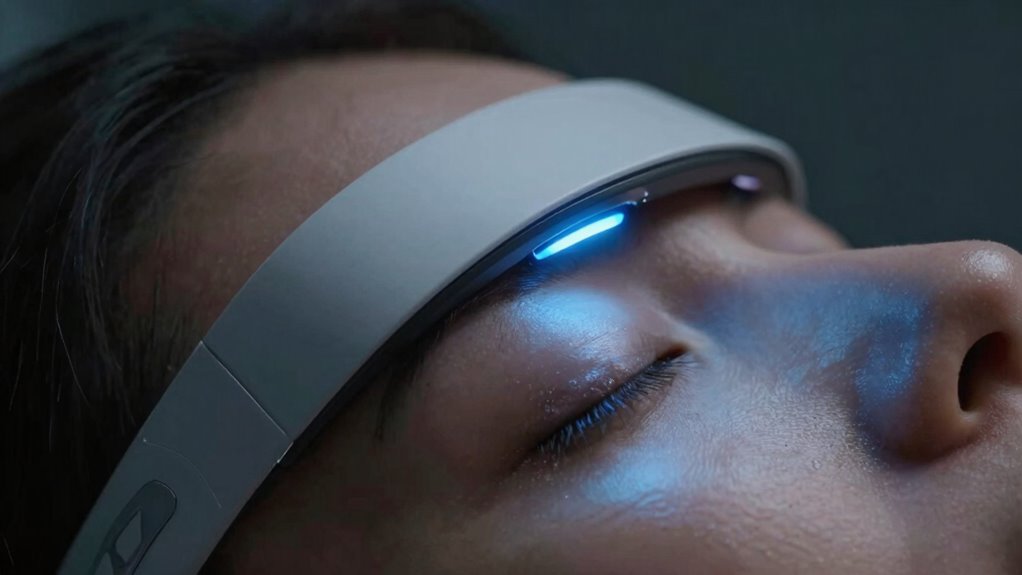
To use eye LED devices safely and responsibly, it’s essential to follow the manufacturer’s instructions carefully. Proper use guarantees effective LED therapy and maintains eye safety. Here are four key tips:
- Limit session duration to the recommended time to prevent overstimulation.
- Always wear protective eye shields if provided, especially during high-intensity LED therapy.
- Avoid looking directly into the LED light, which can cause discomfort or damage.
- Consult an eye care professional if you experience any discomfort or unusual symptoms during use.
Signs of Eye Strain or Damage From LED Use?

Are you noticing any unusual sensations or visual changes after using your eye LED device? If so, watch for signs of eye strain or damage. Common symptoms include headaches, blurred vision, eye redness, or dryness. Pay attention to the LED color; overly bright or harsh hues can cause discomfort, especially with prolonged exposure. Poor device ergonomics, like improper positioning or uncomfortable fitting, may also contribute to strain. To better understand these signs, review the table below:
| Symptom | Possible Cause |
|---|---|
| Headache or eye pain | Excessive LED brightness or poor ergonomics |
| Blurred vision | Extended use or inappropriate LED color |
| Eye redness or dryness | Lack of blinking or incorrect device placement |
| Sensitivity to light | High contrast or intense LED hue |
Recognizing these signs early helps prevent long-term damage.
Expert Tips to Protect Your Eyes When Using Eye LED Devices?
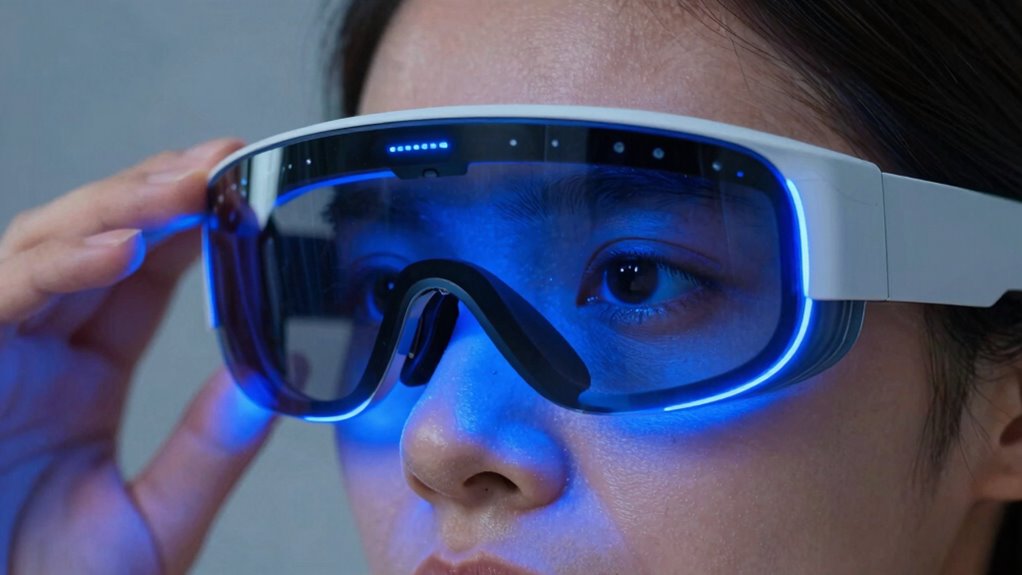
Protecting your eyes while using LED devices is essential to avoid discomfort and potential damage. To guarantee eye safety, follow these expert tips:
- Limit your exposure time to prevent overstimulation and strain.
- Maintain your device properly—clean lenses and check for damage regularly.
- Keep the device at an appropriate distance to avoid direct eye contact.
- Adjust brightness settings to comfortable levels, reducing glare and fatigue.
Proper device maintenance helps prevent malfunction and ensures consistent performance, minimizing risks. Always follow manufacturer guidelines for safe use and storage. Remember, consistent care and mindful usage protect your eyes from harm while getting the benefits of LED technology. Staying vigilant about eye safety and device maintenance keeps your vision healthy and trouble-free.
Frequently Asked Questions
Are There Specific Age Groups More Vulnerable to LED Eye Damage?
You should be aware that children and older adults are more vulnerable populations when it comes to age-specific risks from LED eye damage. Their eyes are more sensitive, making them prone to potential harm from prolonged exposure. As a result, you need to exercise extra caution with LED devices around these groups, ensuring proper usage and limiting exposure to protect their eye health effectively.
Can Eye LED Devices Cause Long-Term Vision Problems?
You might think eye LED devices are harmless, but they can cause long-term vision problems if you’re exposed to high LED light intensity without eye protection. Prolonged exposure can strain your eyes, damage your retina, or lead to irreversible vision loss. Always protect your eyes with appropriate eyewear and limit exposure time. Don’t underestimate the power of LED light—your vision’s future depends on it.
What Are the Legal Regulations Surrounding Eye LED Device Safety?
You need to guarantee your eye LED devices meet regulatory compliance and safety standards. These regulations, enforced by agencies like the FDA or CE, aim to protect users from potential harm. Always verify that your devices adhere to the latest safety standards, conduct proper testing, and include clear usage instructions. Staying compliant not only safeguards your customers but also keeps your products legally protected and market-ready.
How Do Different LED Colors Impact Eye Health Risks?
Think of LED colors like different spices—each impacts your eye health uniquely. Blue LEDs with high color temperature can strain your eyes, especially if flicker frequency is low, causing discomfort or fatigue. Green and red LEDs generally pose fewer risks, but excessive exposure still matters. Always check the flicker frequency and color temperature to protect your eyes, and avoid prolonged use of high blue light settings to minimize potential harm.
Are There Recommended Durations for Safe Eye LED Device Use?
You should limit your use of eye LED devices to prevent eye strain and photoreceptor damage. Experts recommend taking a break every 20 minutes, looking away for at least 20 seconds, and avoiding prolonged exposure beyond 2 hours daily. By following these guidelines, you reduce risks of eye strain and protect your photoreceptors from potential damage caused by prolonged or intense LED light exposure.
Conclusion
To keep your eyes safe, always follow proper guidelines when using eye LED devices. Don’t push your luck by staring directly into the lights or overusing them. Remember, a little caution goes a long way—think of it as steering clear of stormy waters. By being mindful and taking breaks, you can enjoy the benefits without risking eye strain or injury. Protect your vision today, so it doesn’t become a ticking time bomb tomorrow.