Some masks feel more like recovery tools because they focus on healing, deep hydration, and repairing your skin’s natural barrier rather than just providing an instant glow. These masks use gentle, nourishing ingredients like hyaluronic acid, aloe vera, and ceramides that help soothe irritation, restore resilience, and support long-term skin health. If you want to understand why these masks prioritize recovery over quick fixes, keep exploring how they truly benefit your skin.

Get wellness gear delivered free with Prime
- Fast, free delivery on millions of items
- Prime Video, Amazon Music and more included
- Member-only deals all year
Key Takeaways
- They prioritize deep hydration and barrier repair over instant aesthetic improvements.
- Contain concentrated, gentle ingredients focused on soothing and long-term skin health.
- Emphasize resilience, reducing redness and irritation rather than providing immediate glow.
- Incorporate sustainable, nature-based components supporting environmental and skin wellness.
- Aim to restore skin’s natural balance, enhancing durability against environmental stressors.
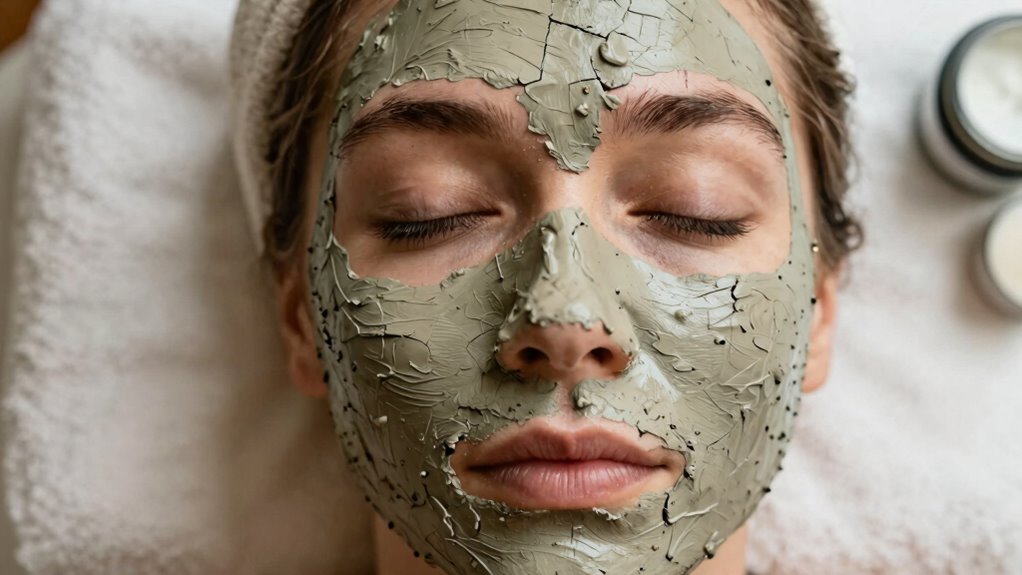
When you think of masks, beauty often comes to mind, but some masks go beyond superficial skincare and feel more like recovery tools. These masks are designed not just to improve appearance but to heal and restore your skin’s health. That’s because their key focus is on delivering deep nourishment and promoting long-term skin balance. When you look at the ingredients in these masks, you’ll notice they’re packed with concentrated, skin-loving components such as hyaluronic acid, aloe vera, ceramides, and antioxidants. These mask ingredients work together to soothe irritation, repair damage, and restore your skin’s natural barrier. Unlike quick-fix masks that mainly aim for instant glow, recovery-oriented masks prioritize skin hydration and healing, making them essential for those with sensitive, damaged, or dehydrated skin. Incorporating sustainable ingredients can also reduce environmental impact and support biodiversity. The primary goal of these masks is to boost your skin’s hydration levels. When your skin feels tight, flaky, or dull, it’s often a sign that it’s lacking moisture and resilience. Recovery masks focus on replenishing essential moisture, so your skin feels plump, smooth, and more resilient to environmental stressors. They often contain humectants like glycerin or hyaluronic acid, which draw water into your skin cells, helping to restore that crucial moisture barrier. This process not only provides immediate comfort but also creates a foundation for healthier skin over time. Using gentle, nourishing ingredients can enhance the skin’s natural repair process and reduce the risk of further irritation. Incorporating skincare routines that include these masks can help maintain the long-term health of your skin. Additionally, these masks support skin barrier recovery, which is vital for maintaining overall skin health. Recognizing the importance of skin barrier health can help you choose the most effective recovery masks for your needs. You’ll notice that the texture improves, and your skin becomes more supple and less prone to redness or irritation.
Let me know if you’d like any further adjustments!
Products Worth Considering

Therabody SleepMask Blackout Eye Mask with Vibration

Garmin Venu 4 GPS Fitness Smartwatch, 45 mm, Black Silicone Band

BowFlex Results Series SelectTech Adjustable Dumbbells (Pair)
As an affiliate, we earn on qualifying purchases.
Frequently Asked Questions
Are Recovery Masks Suitable for All Skin Types?
Recovery masks aren’t suitable for all skin types because skin compatibility varies. If you have sensitive skin or ingredient sensitivity, these masks might cause irritation or breakouts. Always check the ingredients list and do a patch test first. For sensitive or problematic skin, look for masks labeled as gentle or designed for restoration. If unsure, consult a dermatologist to ensure the mask suits your skin needs and won’t trigger adverse reactions.
How Long Should I Leave a Recovery Mask On?
You should leave a recovery mask on for about 10-20 minutes, though it might feel like forever if you’re impatient. Ironically, that’s plenty of time for hydrating ingredients to deeply nourish your skin and maximize absorption. Don’t rush it—trust the mask to do its magic, and avoid overstaying your welcome. Afterward, gently massage any excess product into your skin for *best* recovery.
Can Recovery Masks Replace Daily Skincare Routines?
Recovery masks can’t fully replace your daily skincare routine because they focus more on healing than beauty. They offer versatile benefits like soothing, nourishing, and repairing your skin, but you still need daily cleansing, moisturizing, and sun protection. Think of recovery masks as supplements to your routine—powerful tools for healing when your skin needs extra care, rather than a complete substitute for regular skincare.
Do Recovery Masks Have Any Side Effects?
Sure, recovery masks can have side effects, but don’t worry—they’re usually mild. You might experience ingredient sensitivities or allergic reactions if your skin’s delicate. It’s ironic, isn’t it? These masks promise healing but can sometimes cause irritation. To avoid this, always patch test first and check ingredients carefully. If you notice redness or itching, stop using the mask immediately. Better safe than sorry with skincare!
How Often Should I Use Recovery Masks?
You should use recovery masks 1-3 times a week, depending on your skin’s needs. To maximize benefits, check ingredient compatibility and avoid over-layering, which can cause irritation. Incorporate recovery masks into your routine after cleansing and before moisturizing. Pay attention to how your skin responds, and adjust frequency accordingly. This approach helps your skin recover effectively without risking overuse or irritation.
Conclusion
Think of those masks not just as fleeting beauty fixes, but as essential tools in your recovery arsenal. They’re like sturdy bridges crossing the rough waters of skin stress, offering support and healing where needed most. When you choose masks that nourish and repair, you’re investing in your skin’s resilience. Remember, true beauty isn’t just surface-level—it’s built on the strength of your skin’s recovery, making every mask session a step toward lasting wellness.