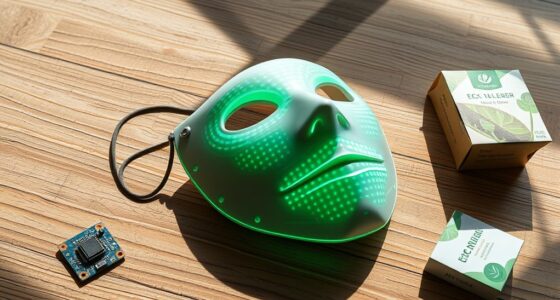
NIR technology in face masks can be helpful if you want advanced health monitoring, better fit detection, or improved comfort, as it analyzes tissue and oxygen levels non-invasively. However, it’s overkill if you’re simply seeking basic protection or affordability, since many NIR features lack strong scientific backing and add cost and complexity. To decide if a NIR mask fits your needs, consider its actual benefits versus your priorities—more details will help clarify when it’s worth the investment.
Key Takeaways
- NIR technology in masks can monitor respiratory health and skin hydration but adds complexity and cost without guaranteed long-term benefits.
- It benefits users needing real-time health data, fit verification, or enhanced comfort, especially in medical or high-risk environments.
- Overhyped claims often exaggerate NIR advantages; scientific evidence supporting widespread health or safety improvements is limited.
- Compatibility depends on mask materials; some fabrics hinder NIR performance, making features unnecessary or ineffective.
- Evaluate practicality, costs, and scientific backing before investing in NIR-enabled masks to avoid paying for overkill or unproven features.
What Is NIR Technology in Face Masks and How Does It Work?

Have you ever wondered how NIR technology helps detect respiratory issues through face masks? Near-Infrared (NIR) technology uses light to analyze tissue and blood oxygen levels without invasive procedures. When integrated into masks, NIR sensors emit light into your face and measure the reflected signals, providing real-time data on your respiratory health. Additionally, the integration of NIR can influence performance aspects of the masks, such as responsiveness and durability. However, incorporating NIR adds to the manufacturing complexity, requiring precise calibration and miniaturized components. This also impacts the environmental footprint, as producing these advanced sensors involves specialized materials and energy-intensive processes. While NIR technology offers valuable insights, it’s essential to contemplate these factors, especially when weighing the overall sustainability of such masks. Understanding these aspects helps clarify how NIR functions and the challenges behind their development, including considerations related to sensor miniaturization and manufacturing sustainability. Moreover, ongoing advancements in technology integration are essential to making these masks more accessible and environmentally friendly. Furthermore, ongoing research is focused on reducing environmental impact to enhance the sustainability of NIR-enabled devices. It is also crucial to consider the cost implications of integrating such advanced technology into everyday protective gear.
Are NIR Masks Worth It? Key Benefits and When They Help
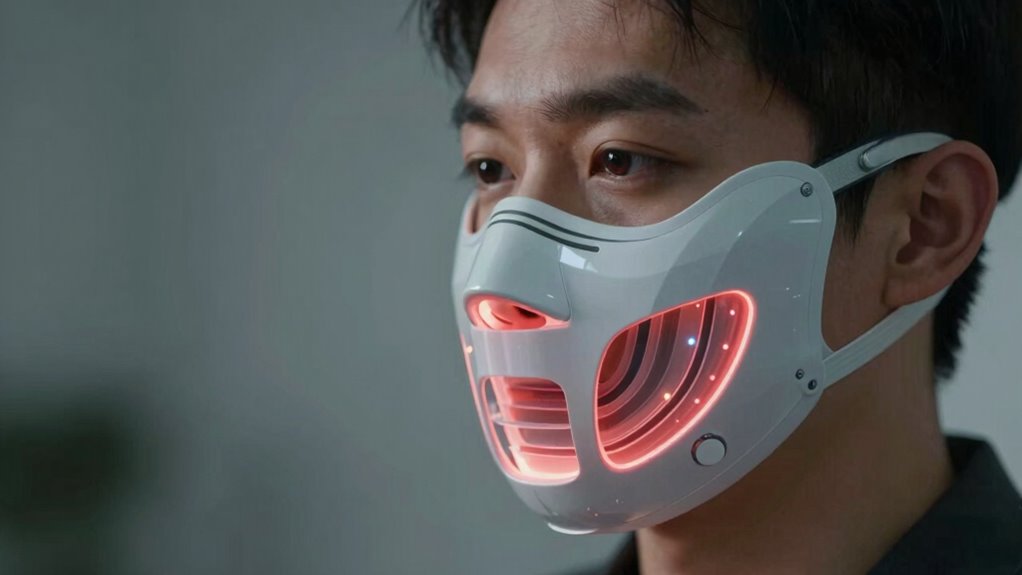
NIR masks can boost your skin’s hydration, leaving it feeling plump and refreshed. They also make the mask more comfortable to wear for longer periods. If you’re looking for these benefits, NIR technology might be a worthwhile addition to your skincare routine. Additionally, understanding how Vetted the technology is can help you determine its effectiveness and safety. Considering the mind-body connection can also enhance your overall well-being and aid in stress relief during your skincare regimen. Recognizing the decoding slang behind skincare terms can empower you to make more informed choices in your beauty routine. Being aware of NEAT and other holistic health strategies can further support your skin and overall health. Incorporating sustainable fabric technology can also reduce the environmental impact of your skincare accessories and promote eco-friendly practices.
Effective Skin Hydration
When it comes to maintaining healthy, hydrated skin, near-infrared (NIR) technology offers notable benefits. It can enhance skin hydration by stimulating circulation and encouraging moisture retention. NIR masks help your skin absorb and lock in essential hydration, leaving it plump and smooth. Free Floating technologies are also used in some advanced skincare devices to optimize treatment outcomes. Additionally, understanding Italian gelato culture can inspire more luxurious and enjoyable skincare routines.
Consider these key points:
- Improved circulation boosts nutrient delivery, supporting better skin hydration.
- Enhanced moisture retention helps maintain a healthy skin barrier.
- Increased cell activity fosters faster repair and hydration balance.
Enhanced Mask Comfort
Building on the skin hydration benefits, NIR masks also considerably enhance overall comfort during use. They help reduce skin redness and irritation, making masks more tolerable for long wear. As fashion trends lean toward more stylish and comfortable accessories, NIR technology can provide a subtle, soothing experience that improves user satisfaction. Additionally, these masks often use lightweight, breathable materials, boosting comfort while maintaining functionality. Considering environmental impact, NIR masks can be designed for durability and reusability, reducing waste compared to disposable options. This blend of comfort, style, and eco-consciousness aligns with current trends, making NIR masks a worthwhile investment for those seeking enhanced mask experience without compromising environmental values. Nordic-inspired spa principles emphasize comfort and sustainability, making NIR masks an ideal addition to a mindful beauty routine. Incorporating sustainable materials further enhances their eco-friendly appeal. Utilizing eco-conscious design ensures these masks are aligned with modern sustainability goals and promotes environmental sustainability. Additionally, integrating air quality considerations into mask design can further improve the overall user experience and health benefits.
Top Use Cases for NIR in Face Masks: Monitoring, Filtration, and More
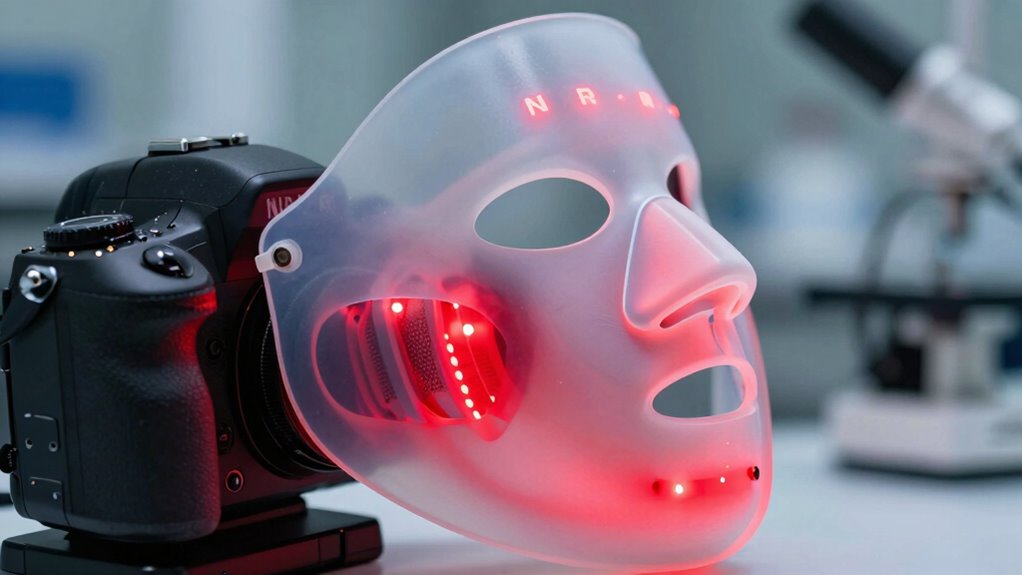
Among the key applications of near-infrared (NIR) technology in face masks, monitoring and filtration stand out as critical areas. NIR sensors provide real-time data on mask fit, filter integrity, and user breathing patterns, helping you guarantee safety. When evaluating these features, consider sensor accuracy, which directly impacts the reliability of health monitoring. Cost considerations also matter, as advanced NIR systems can increase mask prices. Here are the top use cases:
NIR tech enhances mask safety through real-time fit, filtration, and breathing monitoring.
- Monitoring respiratory health—tracking breathing rates and detecting anomalies.
- Filtration efficiency assessment—gauging how well the mask filters particles over time.
- Fit verification—ensuring proper seal and comfort for maximum protection.
Incorporating sensor precision and proper handling practices can further enhance the effectiveness of NIR-enabled face masks. These applications make NIR a valuable tool, but balance benefits against practicality and expense.
Signs That NIR Features in Masks Are Overhyped or Unnecessary

You might notice claims that NIR features in masks are game-changers, but the scientific evidence supporting these claims is limited. Marketing often exaggerates benefits, making it seem like NIR is essential when it might not be. Additionally, not all mask materials are compatible with NIR technology, which can reduce its practical usefulness.
Limited Scientific Evidence
Despite the hype surrounding near-infrared (NIR) features in masks, scientific evidence supporting their effectiveness remains limited. The current research lacks extensive data, making it hard to confirm real benefits. You should be cautious about claims that seem too good to be true. Here are some key points to deliberate:
- The scientific backing for NIR benefits in masks is weak, with few peer-reviewed studies confirming impact.
- Research gaps exist, especially on long-term effects and practical applications.
- Without solid evidence, these features may be overhyped, leading you to invest in technology that might not deliver as promised.
- Understanding the research limitations helps you avoid falling for unfounded marketing and makes your choices more informed. Additionally, the scientific consensus on these features remains inconclusive, highlighting the need for more rigorous studies.
Overhyped Marketing Claims
Many marketing claims about NIR features in masks tend to be exaggerated, often promising more than they can deliver. This marketing hype can lead you to believe that NIR technology offers revolutionary benefits, but the truth is, many of these technological claims are overstated. Companies may tout NIR as a game-changer for health monitoring or safety, yet there’s limited scientific evidence to support such bold assertions. Often, these claims focus on potential benefits without backing them up with rigorous testing or proven results. As a result, you might be paying for features that don’t substantially enhance mask performance or provide real added value. Be cautious of overhyped marketing; look for transparent information backed by credible research rather than flashy claims. Additionally, understanding the actual cycling skills and gear care tips can help you better evaluate the usefulness of such features in your daily routines. It is also important to consider the scientific evidence behind these claims to avoid falling for marketing that may lack rigorous validation. Recognizing technological limitations can help set realistic expectations about what NIR features can and cannot do in face masks. Furthermore, a critical approach to evaluating product claims can help prevent falling prey to false advertising and ensure you make informed decisions.
Mask Material Compatibility
Not all mask materials are compatible with NIR technology, which raises questions about the necessity of integrating such features. Some materials, like certain fabrics or polymers, hinder effective NIR reflection or absorption, making the technology less useful. Understanding mask material compatibility is vital because manufacturing processes vary, affecting how well NIR features perform. Additionally, the presence of specific materials may interfere with the sound wave interactions, reducing the effectiveness of NIR-based functions.
Consider these points:
- Material composition influences NIR effectiveness, so not every fabric is suitable.
- Manufacturing processes may alter material properties, impacting NIR integration.
- Overestimating NIR’s benefits ignores material limitations, leading to unnecessary costs.
If your mask’s material isn’t compatible, investing in NIR features becomes overkill. Knowing these factors helps you evaluate whether the added technology truly enhances your mask’s performance.
How to Decide If a Mask With NIR Fits Your Needs
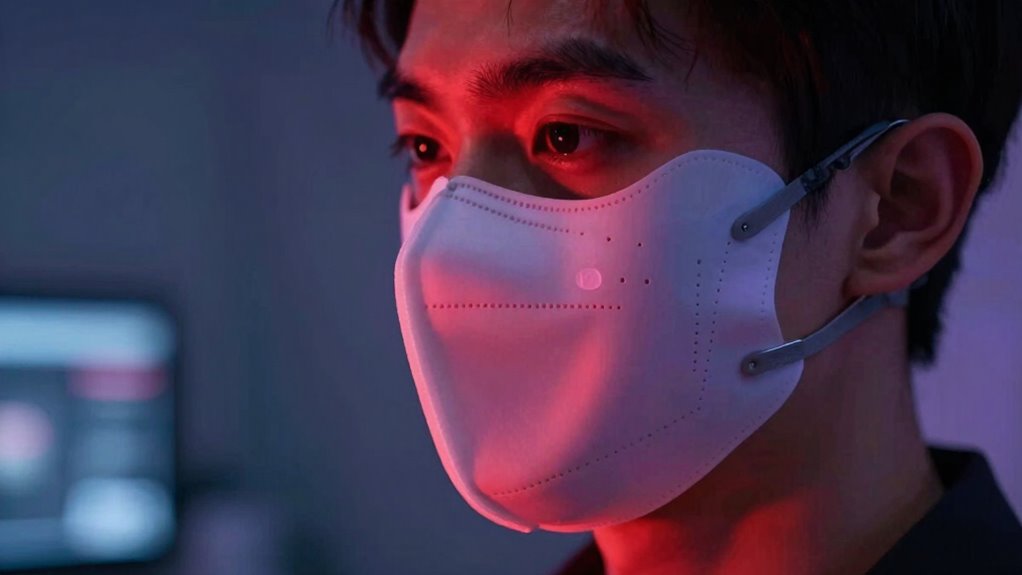
When considering a mask with NIR capabilities, you should assess whether the technology aligns with your specific needs and goals. Think about how fashion trends influence your choices; if stylish, trendy masks matter to you, NIR features might add appeal. Celebrity endorsements can also sway your decision—if influencers praise NIR masks for their benefits, you may be more inclined to try them. Determine if NIR enhances your safety or comfort, or if it’s just a flashy addition. Consider whether the technology provides real value for your daily routines or health concerns. If your priority is practical protection over aesthetics, NIR features might be overkill. Ultimately, match the mask’s capabilities with your personal needs, balancing style, endorsements, and functionality to make an informed choice.
Limitations and Drawbacks of NIR-Enabled Masks You Should Know
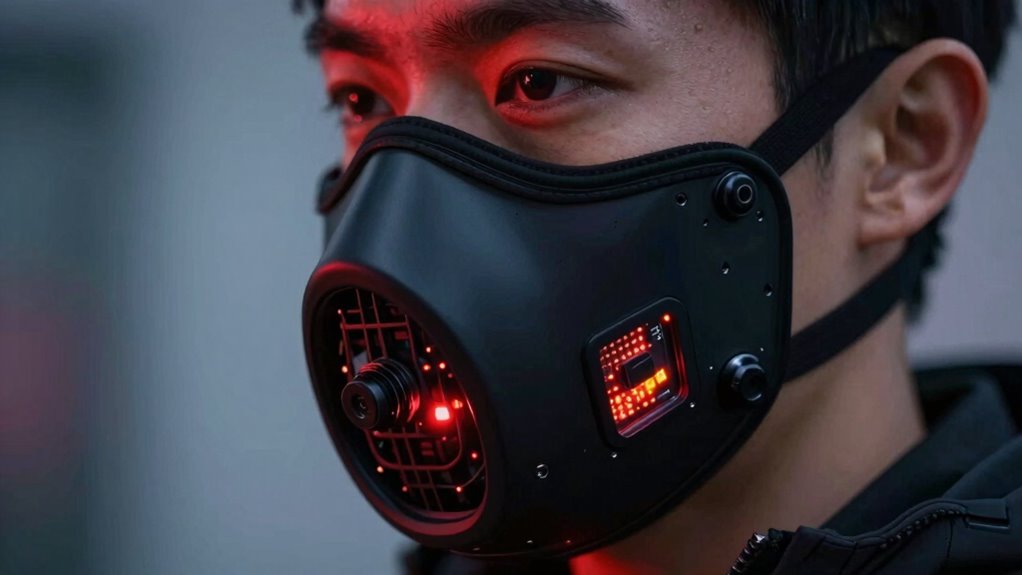
While NIR-enabled masks offer innovative features, they also come with notable limitations. First, sensor limitations can affect accuracy; if sensors aren’t calibrated properly, readings may be unreliable. Second, the added technology increases the mask’s complexity, making repairs and maintenance more challenging. Third, cost considerations play a significant role—these masks tend to be more expensive upfront, which might not be practical for everyone. Additionally, the sensors require power sources, adding to battery life concerns. These drawbacks mean you should weigh the benefits against potential issues like reliability and affordability. Before choosing an NIR mask, consider whether the enhanced features justify these limitations for your specific needs.
NIR Masks Vs. Standard Masks: Which Offers Better Value?
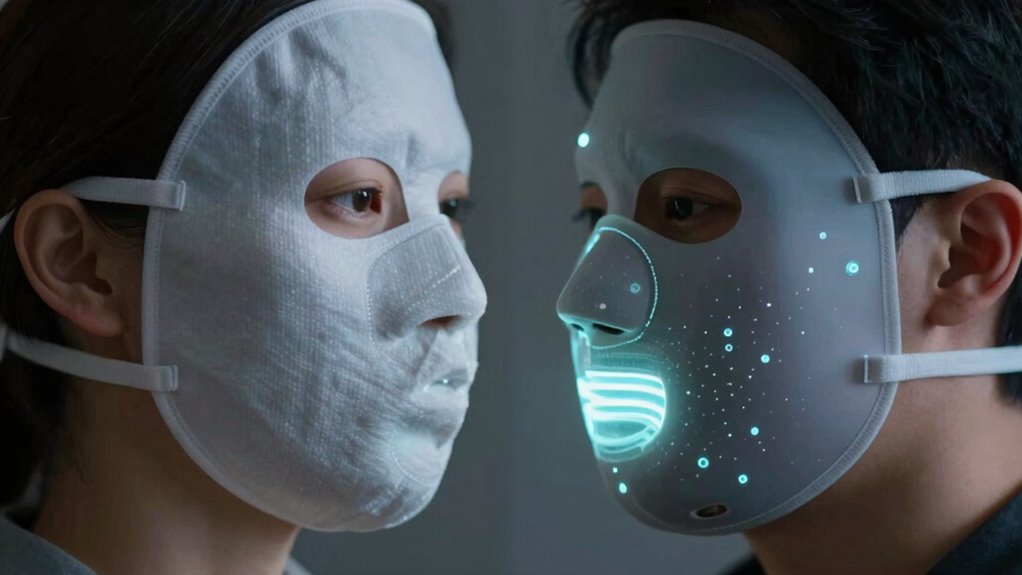
NIR-enabled masks bring advanced features that can enhance your safety and health monitoring, but they also come with higher costs and added complexity. When comparing NIR masks to standard ones, consider value from both a financial and environmental perspective. NIR masks typically have a higher manufacturing cost due to sophisticated sensors and components, which can translate into increased retail prices. They may also have a larger environmental impact because of more complex production processes and electronic waste disposal. Standard masks, on the other hand, are cheaper to produce, usually disposable, and have a lower environmental footprint. If your primary concern is basic protection, standard masks offer better value. However, if you need real-time health data and enhanced monitoring, investing in an NIR mask might be justified despite the higher cost.
Tips for Choosing the Right Face Mask: With or Without NIR Technology

Choosing the right face mask depends on your specific needs and priorities, whether you opt for one with NIR technology or a standard design. Consider how fashion trends and cultural influences shape your choice. To help you decide:
- Assess your environment—if you’re in a high-tech setting, NIR masks might boost functionality.
- Think about cultural norms—some cultures prioritize traditional designs over tech features.
- Match your style—select masks that complement current fashion trends for comfort and confidence.
Frequently Asked Questions
Can NIR Technology Detect Health Issues Beyond Respiratory Concerns?
NIR technology can help you detect health issues beyond respiratory concerns, like visual health problems and neurological monitoring. It allows you to assess blood flow and tissue oxygenation, giving early signs of potential issues. While primarily used for respiratory and circulatory assessments, NIR’s capabilities extend to identifying neurological conditions and visual impairments, making it a versatile tool for extensive health monitoring.
How Durable Is the NIR Component in Everyday Mask Use?
You’ll find that the NIR component in your mask is quite durable with proper care. Durability concerns mainly involve material degradation over time due to repeated use and exposure to moisture or cleaning agents. While it’s designed for everyday use, rough handling or frequent washing might reduce its effectiveness. To extend its lifespan, handle the mask gently and follow manufacturer instructions for cleaning, ensuring the NIR technology stays functional longer.
Are NIR Masks Safe for Prolonged Skin Contact?
NIR masks are generally safe for prolonged skin contact, but you might experience skin irritation or allergic reactions if you have sensitive skin or allergies. It’s a good idea to monitor your skin for redness, itching, or soreness. If irritation occurs, remove the mask and consult a dermatologist. Using masks with hypoallergenic materials can help minimize risks, ensuring you stay comfortable during extended wear.
Do NIR Masks Require Special Maintenance or Cleaning?
Did you know that improper filter maintenance can reduce mask effectiveness by up to 50%? You should clean your NIR mask regularly, following specific cleaning procedures recommended by the manufacturer. This involves replacing or disinfecting the filters and cleaning the mask surfaces without damaging sensitive components. Proper maintenance guarantees ideal performance and safety, so always check your user manual for detailed cleaning instructions and avoid using harsh chemicals that could harm the mask.
What Certifications or Standards Ensure NIR Mask Effectiveness?
You should look for certification standards like CE, FDA, or ASTM that validate a mask’s effectiveness. These certifications ensure the mask meets safety and performance criteria. Effectiveness validation involves rigorous testing, confirming the mask’s ability to filter particles and perform reliably. When choosing an NIR mask, verifying these certifications helps you make certain you’re getting a product that genuinely offers the protection and performance claimed.
Conclusion
So, next time you’re tempted to buy a high-tech NIR mask, remember—sometimes more features just mean more hype. You might be paying for a fancy gadget that offers little real benefit, or worse, overpromises what it can deliver. In the end, a simple mask might do the trick just fine. After all, if technology could breathe for you, we’d all be out of jobs—and masks. Stay smart, stay safe.