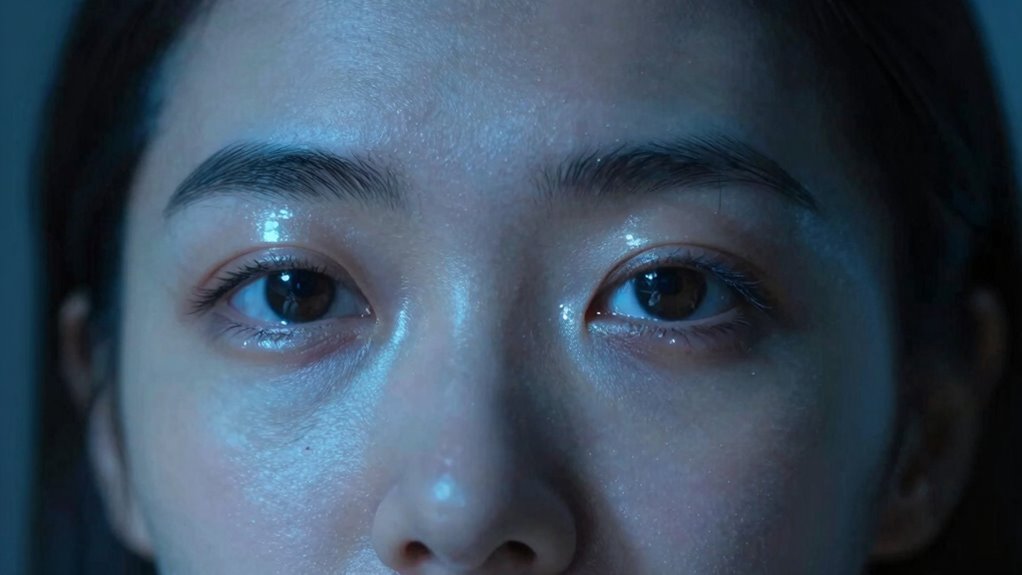

The default high brightness on under-eye LED devices is often too strong for sensitive skin, causing irritation or discomfort. Manufacturers set these levels to maximize effectiveness out of the box, but they can be overwhelming if your skin is delicate. To avoid irritation, start with the lowest setting and gradually increase as tolerated. If you want to know how to adjust settings safely, keep going—you’ll find helpful tips just ahead.
Key Takeaways
- Default device settings are calibrated for maximum effectiveness but can be too intense for sensitive under-eye skin.
- Overly bright LED settings may cause redness, irritation, or discomfort during or after treatment.
- Proper calibration and gradual adjustment are essential to prevent overexposure and skin irritation.
- Sensitive skin requires starting at lower brightness levels and increasing cautiously over time.
- Monitoring skin response helps ensure LED intensity remains safe and comfortable for individual needs.

Under-Eye Red Light Therapy Device, & Microcurrent Eye Massager, Puffiness, Eye Bags – Red Light Therapy Glasses for Reducing Wrinkles and Fine Lines
- Gentle, Safe for All Skin Types: Red light massager for eyes
- Ergonomic 3D Fit Design: Lightweight, comfortable, stable fit
- Red Light Revitalizing Technology: Stimulates collagen and elastin production
As an affiliate, we earn on qualifying purchases.
As an affiliate, we earn on qualifying purchases.
Why Do Under‑Eye LED Devices Come With Settings That Are Too Strong?
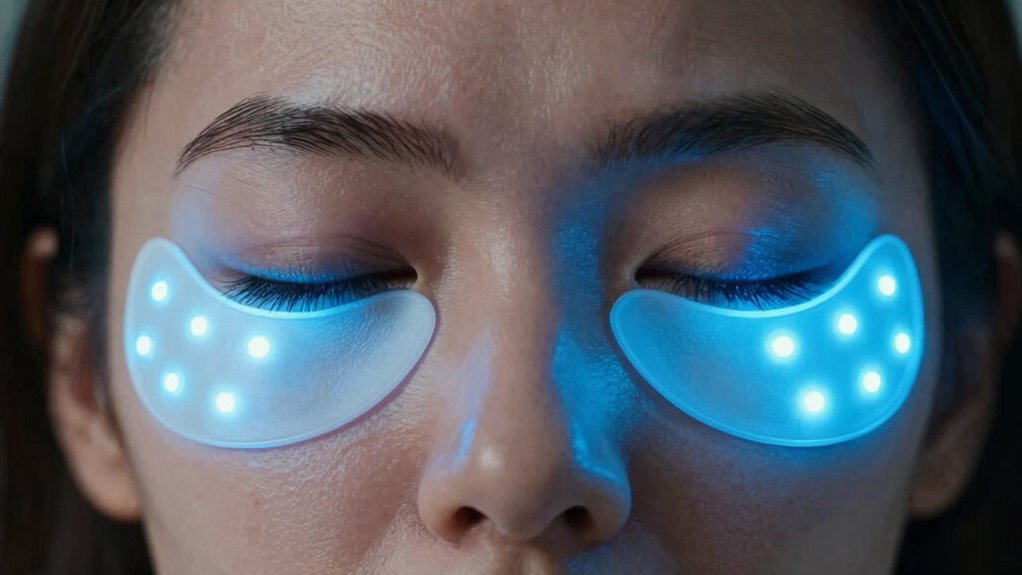
Many under-eye LED devices come with settings that are too strong because manufacturers aim to maximize effectiveness right out of the box. They often choose specific LED wavelengths believed to deliver rapid results, but these can be overly intense for sensitive skin. Additionally, device ergonomics play a role; many devices are designed to be compact and easy to use, but this can mean the light source is close to your skin, amplifying brightness. Without adjustable settings, you might find the initial intensity too harsh, risking irritation. Manufacturers prioritize immediate visible benefits, often overlooking individual skin sensitivities. Recognizing adjustable intensity levels can help you select devices with customizable intensity levels to suit your needs. Understanding skin sensitivity considerations can also guide safer usage. To avoid discomfort, it’s advisable to start with the lowest setting and gradually increase as your skin acclimates, which underscores the importance of personalized treatment plans. Incorporating user feedback can also help manufacturers improve device safety and efficacy for all skin types.
How Excessive Brightness Can Irritate Your Delicate Under‑Eye Skin
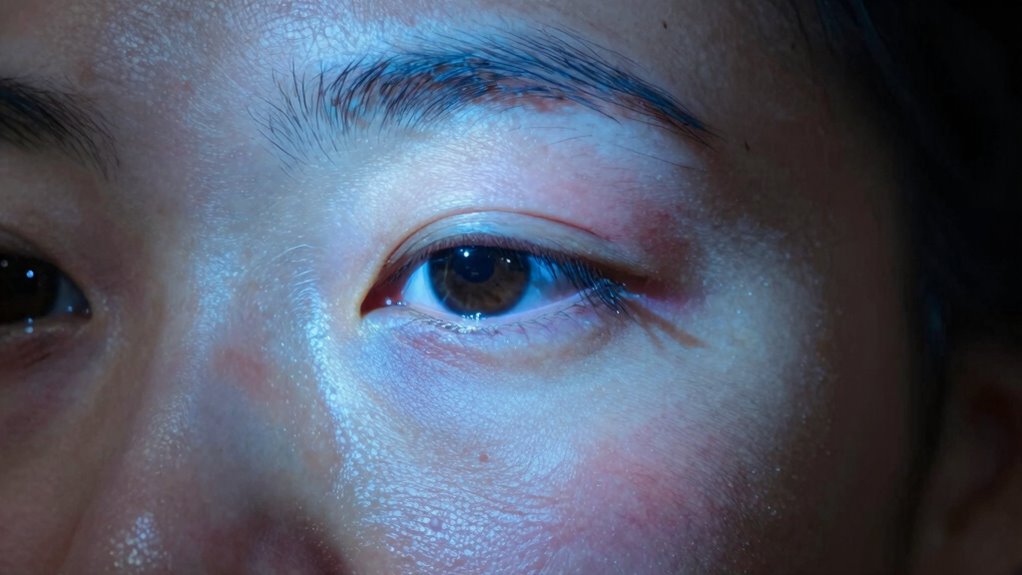
Your under‑eye skin is delicate and sensitive, making it easily irritated by too much brightness. When the LEDs are too powerful, they can increase skin sensitivity risks and cause discomfort. Paying attention to brightness levels helps protect your skin from unnecessary irritation. Additionally, understanding molecular-scale effects can inform safer illumination designs that minimize skin impact. Being aware of light intensity and how it interacts with skin at a cellular level can further guide the development of gentler lighting options. Recognizing skin sensitivity thresholds can help in selecting appropriate LED settings to reduce irritation. Considering dream symbolism and the effects of light on subconscious perceptions may also provide insights into safer illumination strategies. Exploring photobiomodulation can offer new approaches to reducing skin irritation through controlled light exposure.
Skin Sensitivity Risks
Excessive brightness from under-eye LEDs can cause more than just discomfort; it may also irritate the delicate skin in that area. Overly bright settings or poor-quality product accessories can increase the risk of skin sensitivity. If you notice redness, itching, or swelling, it’s a sign your skin is reacting negatively. Many users have shared testimonials about how high brightness levels triggered irritation, especially with prolonged use. To minimize this risk, opt for adjustable settings and gentle, skin-friendly accessories designed for sensitive skin. Always start with the lowest brightness and gradually increase if needed. Being mindful of your skin’s response helps prevent irritation and keeps your under-eye area healthy and comfortable. Incorporating carrier oils with anti-inflammatory properties can also help soothe irritated skin when using LED devices. Additionally, choosing high-quality LEDs with optimized brightness levels can reduce the likelihood of skin irritation and enhance overall comfort. Using appropriate skincare products formulated for sensitive skin can further support your skin’s resilience during LED therapy.
Increased Irritation Potential
Bright lights can directly irritate the delicate skin under your eyes, especially when they’re too intense or used for extended periods. Excessive brightness can cause redness, inflammation, and even discomfort, increasing irritation risks. Poor color calibration might make the LED’s hue harsher, aggravating sensitive skin. Additionally, device compatibility issues can lead to inconsistent brightness levels, unintentionally overexposing your skin. When your device isn’t properly calibrated, you may find yourself adjusting settings repeatedly, risking further irritation. To minimize this, verify your LED device has adjustable brightness levels and supports accurate color calibration. Using the right setup helps reduce irritation potential, protecting your under-eye skin from unnecessary stress caused by overly bright, poorly calibrated lights. Ensuring your device has proper calibration can significantly help in maintaining safe brightness levels and reducing skin irritation. Moreover, selecting a device with advanced features designed to prevent excessive brightness can further safeguard your delicate skin from irritation.
What Causes the Default Intensity in Under‑Eye LED Devices?
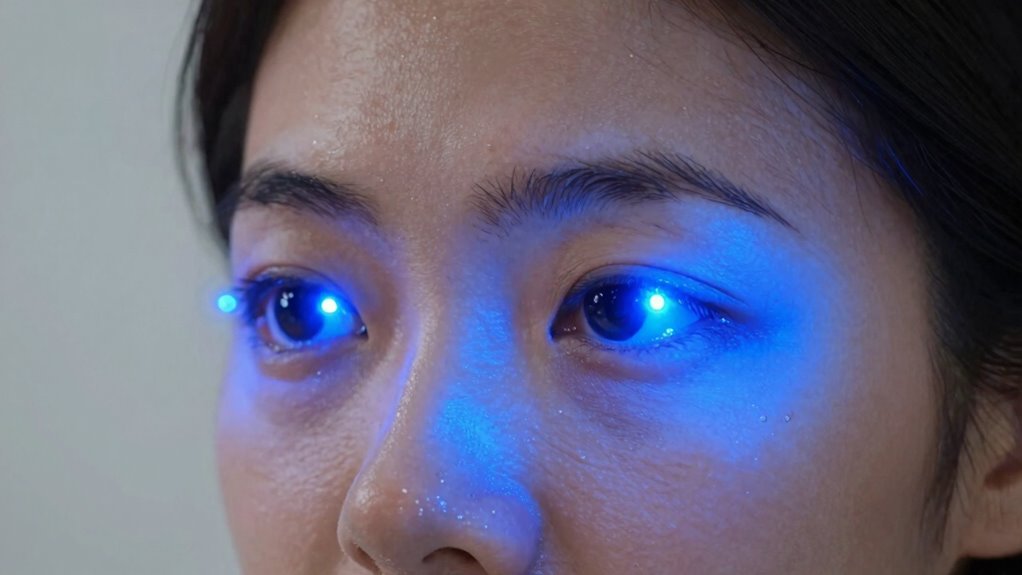
The default intensity in under-eye LED devices is primarily determined by the device’s built-in settings and design. Manufacturers select a default LED wavelength that balances effectiveness with safety, often leaning toward wavelengths that penetrate skin effectively without causing discomfort. Additionally, device ergonomics play a role; the shape, size, and LED placement influence how the device delivers light, affecting perceived intensity. Many devices are calibrated to provide a consistent, ready-to-use setting that may be too strong for sensitive skin or individual preferences. These defaults aim to maximize benefits while minimizing user adjustments. However, since everyone’s skin reacts differently, this one‑size‑fits‑all approach often results in a default setting that’s more intense than necessary for many users. Understanding device calibration can help users tailor settings to their comfort levels and optimize results, especially considering user-specific skin sensitivity. Recognizing device safety standards is also essential to ensure the device’s intended use aligns with regulatory guidelines. Furthermore, customizable settings allow users to adjust intensity based on personal comfort and skin response. In addition, awareness of potential skin reactions can help users make informed decisions about optimal device use.
How Can You Tell If Your LED Settings Are Too Bright?
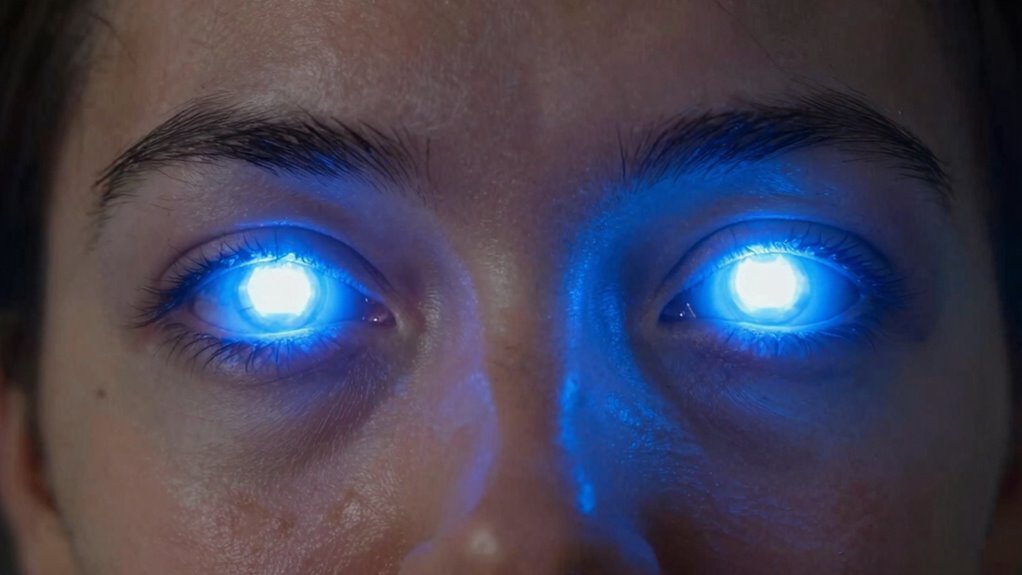
If your under-eye LEDs feel uncomfortable or cause a burning sensation, it’s a clear sign that the settings might be too bright. You can also gauge if your LED color appears overly harsh or unnatural, indicating overexposure. Proper device calibration is essential; if the light seems inconsistent or too intense regardless of adjustments, it’s a sign to lower the brightness. Additionally, pay attention to your skin’s response—redness or irritation suggests the settings are too high. To refine your experience, consider these indicators:
- Uncomfortable or sharp LED color hues
- Persistent skin irritation or sensitivity
- Inconsistent or overly intense illumination despite calibration adjustments
Monitoring your device’s performance regularly can help ensure that the brightness levels remain safe and comfortable. Ensuring the LEDs are not overly bright aligns with the importance of proper calibration to prevent potential discomfort or damage. Regularly monitoring your device’s performance can help maintain safe and comfortable settings over time. Proper calibration also helps in achieving balanced light exposure, which is crucial for safety and comfort.
How to Safely Adjust or Customize Your Under‑Eye LED Settings
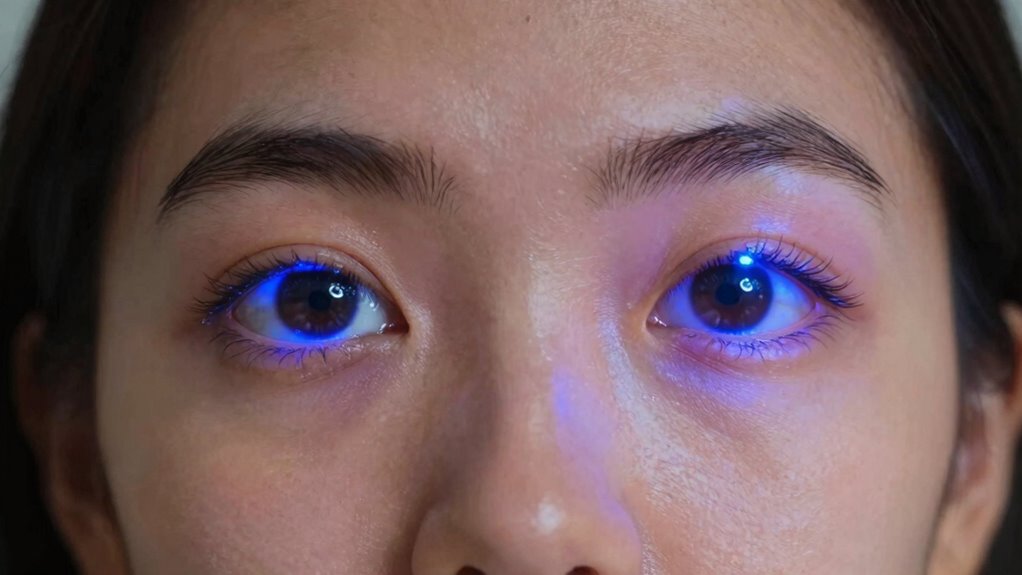
Adjusting your under-eye LED settings safely is key to getting the benefits without causing discomfort. Start by gradually lowering the brightness to avoid excessive light penetration, which can irritate sensitive skin. Proper device calibration ensures the LED emits consistent, safe light levels tailored to your needs. Before making adjustments, read your device’s instructions to understand the recommended settings. Use a mirror to monitor changes and test for any discomfort or redness. Always begin with the lowest effective setting and increase slowly if needed, paying close attention to how your skin responds. Regularly check your device calibration to maintain safe light levels. Understanding device calibration is essential for ensuring your LED therapy remains both safe and effective. Additionally, be aware that indoor air quality can influence skin sensitivity and overall comfort during LED therapy. This careful approach helps you customize your experience while minimizing risks, ensuring safe and effective under-eye LED therapy.
Tips for Finding the Right Brightness and Duration for Sensitive Skin
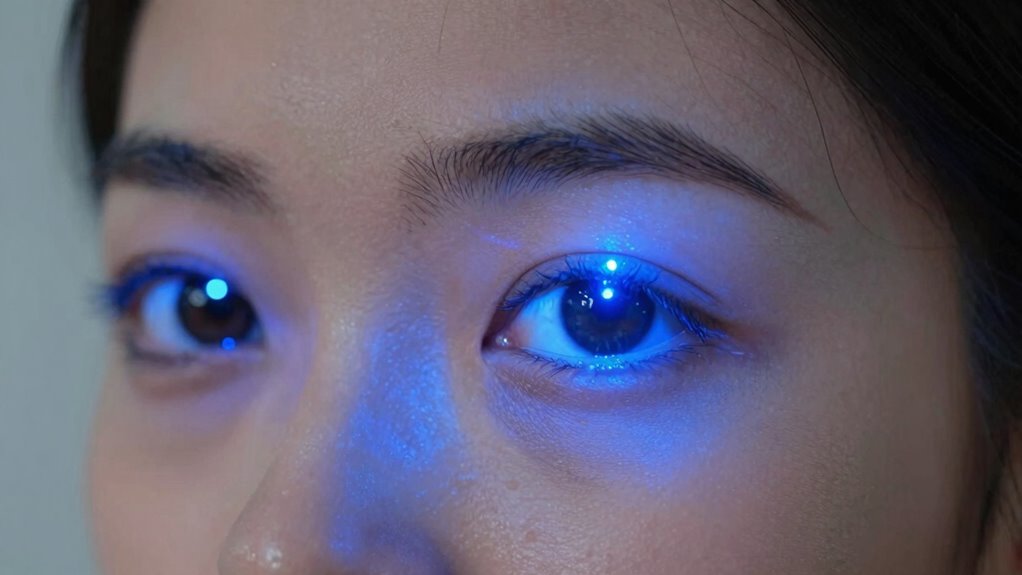
Finding the right brightness and duration for sensitive skin requires starting slowly and paying close attention to how your skin reacts. Begin with a low color temperature to minimize irritation and gradually increase it if tolerated. Adjust device ergonomics to ensure comfort and precise targeting, reducing unnecessary exposure. Keep these tips in mind:
Start with low brightness and increase gradually, monitoring your skin’s response for safe, gentle results.
- Use the lowest effective brightness setting to avoid overstimulation.
- Limit sessions to short intervals, gradually increasing as your skin adapts.
- Choose a device with customizable settings to fine-tune both color temperature and exposure time.
Monitoring your skin’s response helps prevent adverse effects, and experimenting within safe limits ensures effective, comfortable use. Prioritizing gentle settings and mindful adjustments enhances your overall experience.
Common Mistakes When Using Under‑Eye LEDs and How to Avoid Them
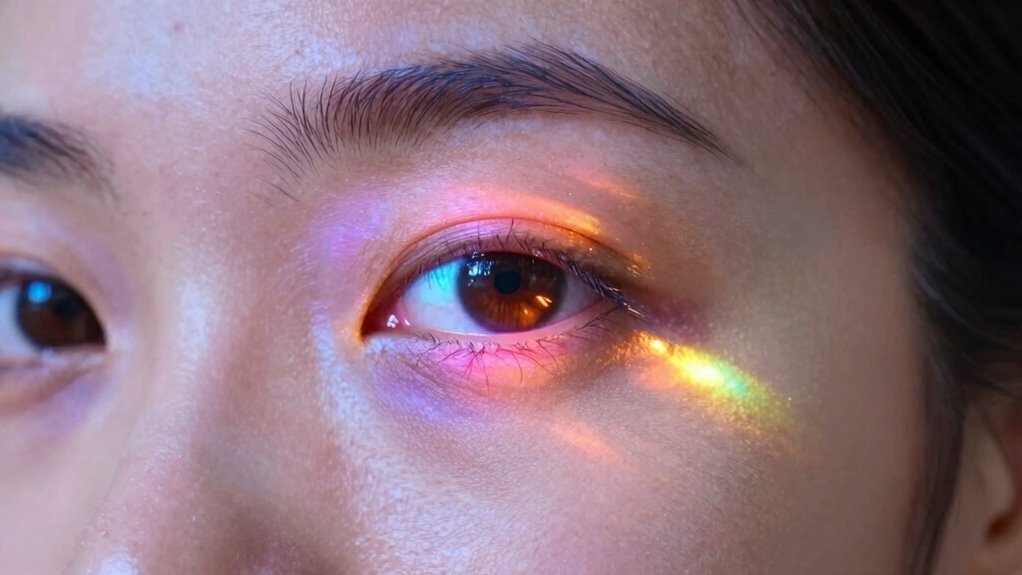
One common mistake is using the LED device at too high a brightness or for too long, which can cause irritation and sensitivity, especially around the delicate under-eye area. To prevent this, verify your device is properly calibrated according to the manufacturer’s instructions. Incorrect calibration can lead to excessive light exposure, increasing the risk of discomfort. Additionally, user education plays a crucial role; familiarize yourself with the device’s recommended settings and safe usage guidelines. Avoid rushing into longer sessions or higher intensities without proper adjustment. Always start with the lowest effective setting, and monitor how your skin responds. Proper device calibration combined with informed usage helps you maximize benefits while minimizing potential irritation or adverse effects.
Best Practices for Safe, Comfortable, and Effective LED Therapy
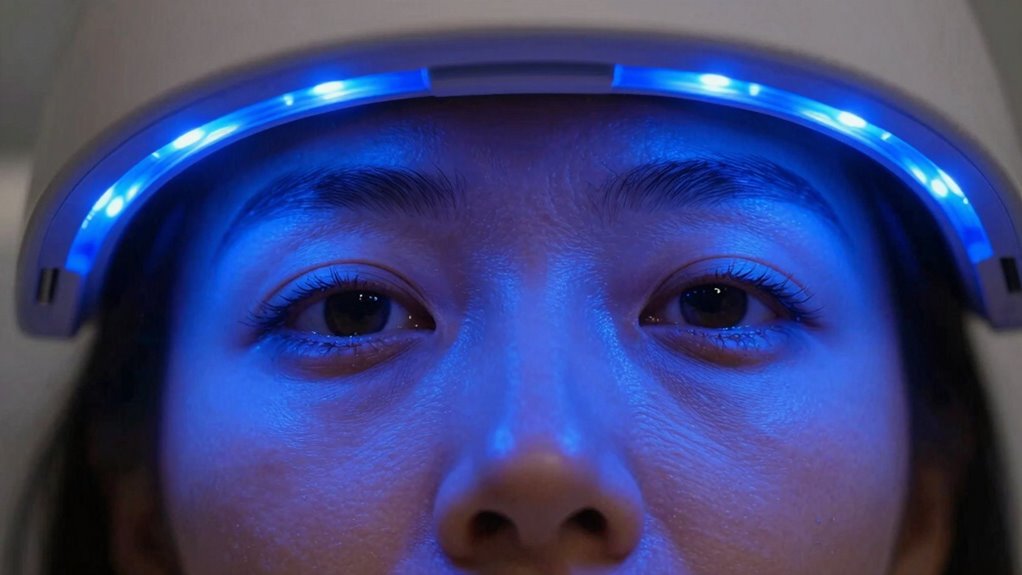
To guarantee your LED therapy is safe and effective, you need to pay attention to light intensity and treatment time. Using the right brightness prevents discomfort and maximizes results, while sticking to proper durations avoids overstimulation. By following these best practices, you can enjoy comfortable, ideal outcomes from your under-eye LED treatments.
Optimal Light Intensity
Achieving the right light intensity is essential for safe and effective LED therapy, as it directly influences treatment outcomes and comfort. Too high an intensity can cause discomfort or skin irritation, while too low may reduce efficacy. To optimize results, consider LED color, as different wavelengths require specific intensities for maximum benefit. Device ergonomics also play a role, ensuring proper placement without unnecessary strain or misalignment.
Key considerations include:
- Adjusting intensity based on LED color and skin sensitivity
- Ensuring the device fits comfortably and remains stable during treatment
- Monitoring your response to fine-tune the light level for safety and comfort
Proper Treatment Duration
Setting the right treatment duration is vital for guaranteeing LED therapy is both safe and effective. Proper device calibration helps determine the best time needed to deliver benefits without overexposure. Start with manufacturer recommendations and adjust based on your skin’s response. Treatment scheduling is key—avoid rushing sessions or extending them unnecessarily. Consistent, shorter durations often produce better results and reduce the risk of irritation. Pay attention to how your skin reacts and modify durations accordingly. Remember, overexposure can cause discomfort or adverse effects, so never ignore signs of redness or sensitivity. Regularly calibrate your device to guarantee it maintains accurate light output. By carefully planning your treatment duration, you’ll maximize benefits while keeping your under-eye area safe and comfortable.
Frequently Asked Questions
Can Under-Eye LEDS Be Used on All Skin Types Safely?
Yes, you can use under-eye LEDs on all skin types safely, but you should consider your skin sensitivity and device compatibility. If your skin is sensitive, start with the lowest setting and monitor how your skin reacts. Always check if the device is compatible with your skin type and follow manufacturer instructions. Consulting a dermatologist is a good idea to ensure safe and effective use tailored to your needs.
How Often Should I Use Under-Eye LED Therapy?
You should use under-eye LED therapy 2 to 3 times a week for ideal results. The recommended frequency helps improve skin tone and reduce puffiness without risking irritation, especially if you have sensitive skin. Pay attention to how your skin reacts, and adjust the frequency if needed. Always follow the device’s instructions, and consult a dermatologist if you notice any discomfort or adverse effects.
Are There Any Long-Term Risks Associated With LED Treatments?
Imagine experiencing prolonged redness and irritation after regular LED treatments—that’s a sign of skin sensitivity. Generally, LED safety is high, but long-term risks are rare if you follow recommended guidelines. Overuse or improper settings can cause skin damage. To stay safe, consult a dermatologist, use appropriate settings, and monitor your skin’s response. Proper use minimizes risks, making LED therapy a beneficial, low-risk option for skin health.
What Are the Signs of Overuse or Irritation From LED Devices?
You might notice skin sensitivity reactions like redness, itching, or swelling if you overuse your LED device. Keep an eye on any irritation, especially around delicate areas like under your eyes, where the skin is thinner. If your LED device isn’t durable or if you use it excessively, these signs could worsen. To avoid problems, follow manufacturer guidelines and listen to your skin’s responses during treatments.
Do Under-Eye LEDS Improve Dark Circles or Only Skin Texture?
You’ll find that under-eye LEDs mainly enhance skin texture, making your skin feel smoother and more even. While some users notice a slight reduction in dark circles, the primary benefit isn’t targeted at brightening the under-eye area. Think of it as nurturing your skin’s overall health, which can indirectly help with dark circles over time. Keep in mind, consistent use and proper settings optimize these gentle improvements.
Conclusion
To get the best results, always start with lower LED settings and gradually increase if needed. Many users find that 10 minutes at a moderate intensity is enough to see benefits without irritation. Did you know that over 60% of people using under-eye LEDs report discomfort when settings are too strong? By customizing your brightness and duration, you can enjoy safe, comfortable, and effective therapy that brightens your eyes without causing harm.