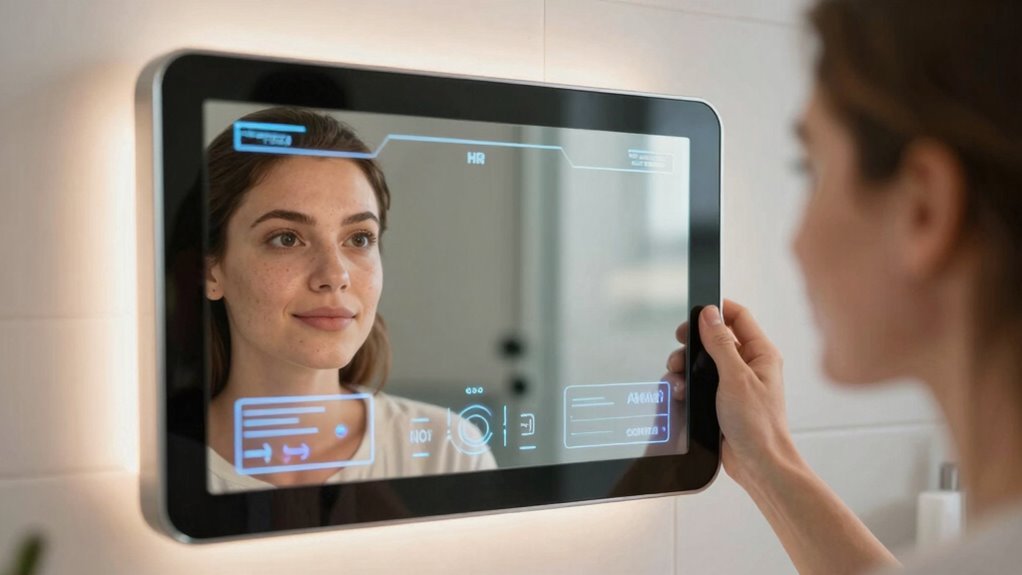
AI skin scanner mirrors can seem impressive, but remember they aren’t foolproof. Their accuracy depends on device quality, proper calibration, and lighting conditions. Many devices are trained on limited data, so they might miss unique skin issues or give generic advice. Always use them as guides, not definitive solutions. Cross-check results and consult professionals when needed. Stay cautious, and if you continue exploring, you’ll discover how to get the most from these tools.
Open a free Amazon Business account
Business pricing, bulk buying and tax-exempt orders.
As an affiliate, we earn on qualifying purchases.
Key Takeaways
- AI skin scanners can provide helpful insights but may produce inaccuracies due to device limitations and environmental factors.
- Proper calibration and high-quality sensors are essential for reliable skin assessments.
- AI models depend on diverse, unbiased data; limited datasets can lead to misleading recommendations.
- Use AI skin scans as supplementary guides, not definitive diagnoses, and consult professionals for serious concerns.
- Critical thinking and personal judgment remain vital despite the device’s ‘smart’ features.
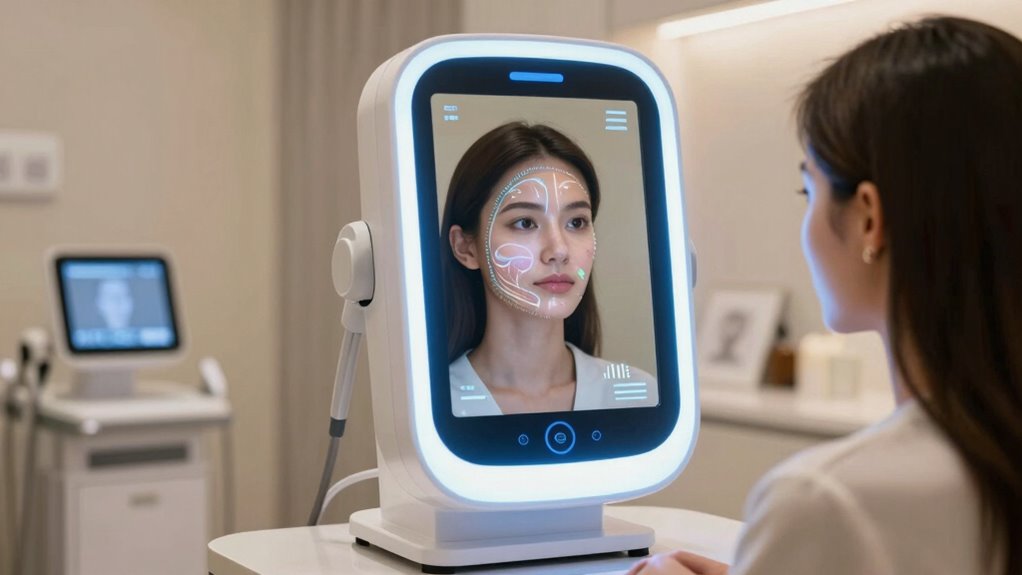
While AI skin scanner mirrors seem impressive with their ability to analyze your skin and offer personalized recommendations, you shouldn’t rely on them blindly. These devices are designed to assess your skin’s condition, identify issues, and suggest skincare routines. However, despite their technological sophistication, their accuracy isn’t foolproof. The concept of technological accuracy varies depending on the device’s design, the quality of its sensors, and the algorithms it uses. Some mirrors may provide reliable insights, but others might produce misleading results, especially if they haven’t been calibrated properly or lack extensive testing. As a consumer, it’s essential to approach these devices with a healthy dose of skepticism. It’s tempting to trust a gadget that seems so advanced, but remember, technology isn’t infallible. Many consumers have expressed doubts about the reliability of AI skin scanners, questioning whether the advice they receive is genuinely accurate or just generic suggestions based on limited data. This skepticism stems from a broader concern about over-reliance on technology for personal health and beauty decisions. While these mirrors are marketed as tools to help you better understand your skin, they shouldn’t replace consultations with skincare professionals, especially if you have specific skin conditions or concerns.
You need to stay critical of what the device tells you. For instance, if your AI mirror suggests a particular product or routine, cross-reference that advice with reputable sources or consult a dermatologist. Remember, AI models are trained on large datasets but can still misinterpret your unique skin needs. They might overlook underlying issues or give recommendations that aren’t suitable for your skin type. Also, consider the limitations of the device’s technological precision. Factors like poor lighting, reflective surfaces, or uneven skin tones can influence the scanner’s readings, leading to inaccuracies. Don’t assume that because a mirror looks high-tech, its analysis is flawless. Additionally, understanding the role of sensor quality in the device’s performance can help you better interpret its results. Ensuring proper calibration process is vital for maintaining accuracy over time. Moreover, the accuracy of AI models depends heavily on the quality and diversity of the data they are trained on, which can impact the reliability of their assessments. It’s also important to recognize that the training data used for these models may not always include a wide range of skin types and conditions, potentially biasing their recommendations. In the end, the key is to use these AI tools as guides, not gospel. They can be helpful in pinpointing visible issues or tracking changes over time, but they shouldn’t be your sole authority on skincare. Apply your own judgment, seek professional advice when needed, and remember that technology is a tool—not a replacement for human expertise. Staying informed and skeptical ensures you make smarter, healthier choices about your skin.
As an affiliate, we earn on qualifying purchases.
Frequently Asked Questions
How Accurate Are AI Skin Scanners Compared to Dermatologists?
AI skin scanners can be quite impressive, but their accuracy in skin condition diagnosis isn’t quite on par with dermatologists. You might get useful insights, but AI accuracy varies depending on the device and skin issues. Always remember, these tools are helpful for initial assessments, yet consulting a dermatologist guarantees a precise diagnosis. Relying solely on AI could lead to missed or misinterpreted skin health concerns.
Are AI Skin Scanners Safe for All Skin Types?
Think of AI skin scanners as the chameleon of skincare tools—they’re generally safe for all skin types, but they need proper calibration to avoid misjudging your unique skin. Be mindful of personal privacy, as these devices collect sensitive data. While they’re designed inclusively, individual reactions may vary, so it’s wise to consult a dermatologist if you have concerns. Use the scanner as a helpful guide, not an absolute authority.
Can AI Skin Scanners Diagnose Skin Conditions?
AI skin scanners can help identify some skin conditions by analyzing your skin’s appearance, but they aren’t medical diagnoses. You should use them as a guide, not a definitive answer. Be aware of personal privacy concerns, as your data might be stored or shared. Also, remember their technological limitations—these tools aren’t perfect and can’t replace professional dermatologists for accurate diagnosis and treatment. Always consult a healthcare professional for serious issues.
How Often Should I Use an AI Skin Scanner?
You should use an AI skin scanner once a week—because, obviously, your skin’s needs are that dramatic. But beware: frequent scans may compromise your personal privacy, and the cost considerations add up fast. Overusing it might make you obsess over every blemish, turning skincare into a full-time job. So, strike a balance; use it regularly but not obsessively, and always consider what your wallet and privacy can handle.
Do AI Skin Scanners Replace Professional Skincare Advice?
AI skin scanners don’t replace professional skincare advice since they can’t fully assess personal privacy concerns or provide tailored treatments. While they’re cost-effective and offer quick insights, relying solely on them might overlook underlying issues a dermatologist can identify. You should use AI tools as a helpful supplement, but always consult a skincare professional for thorough guidance, especially when it comes to sensitive skin or persistent problems.
Conclusion
While AI skin scanner mirrors seem impressive and can give quick skin assessments, it’s essential to remember they’re just tools, not miracle cures. Can you really trust a screen to understand your unique skin needs better than a trained dermatologist? Use these devices as helpful guides, but always combine their insights with your own judgment and professional advice. After all, isn’t your skin worth more than what a gadget alone can tell?
Fall Picks
fall essentials
As an affiliate, we earn on qualifying purchases.