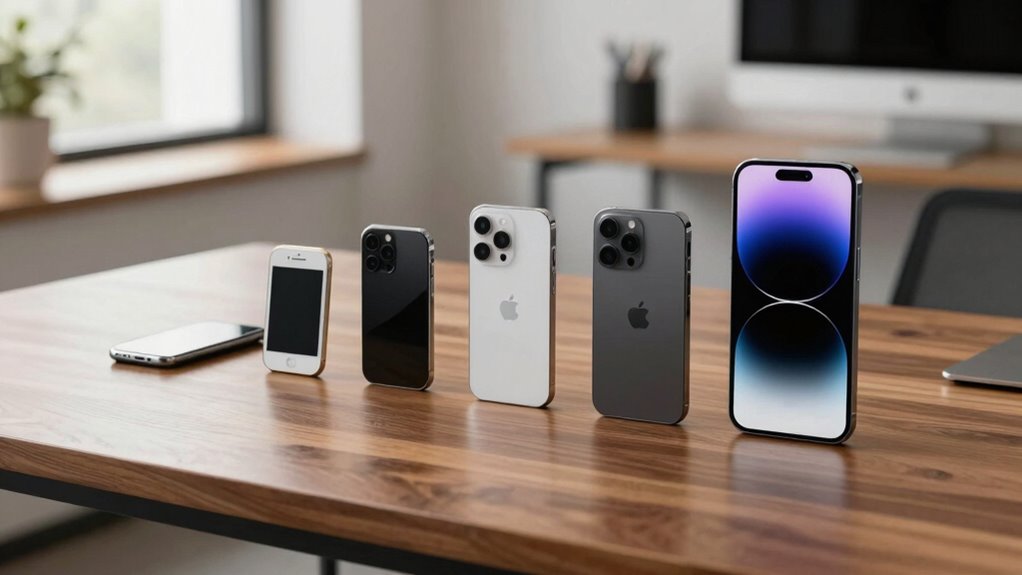

Instead of viewing device upgrades as constant replacements, think of them as ongoing maintenance that boosts performance and extends your device’s lifespan. Focus on regular software updates, managing hardware limitations, and small care steps like reducing screen brightness. These practices help you get more value from your devices while reducing waste and costs. By adopting this mindset, you’ll discover smarter ways to keep your gadgets running smoothly over time. Keep exploring to learn more about sustainable device management.
Key Takeaways
- View upgrades as ongoing performance enhancements, not just replacing old devices with new ones.
- Prioritize regular software updates to extend device security, functionality, and lifespan.
- Manage hardware limitations proactively through maintenance and small adjustments like battery care.
- Focus on sustainable practices by maintaining existing devices longer, reducing e-waste and costs.
- Reframe upgrades as optimization efforts that improve user experience without unnecessary device replacements.
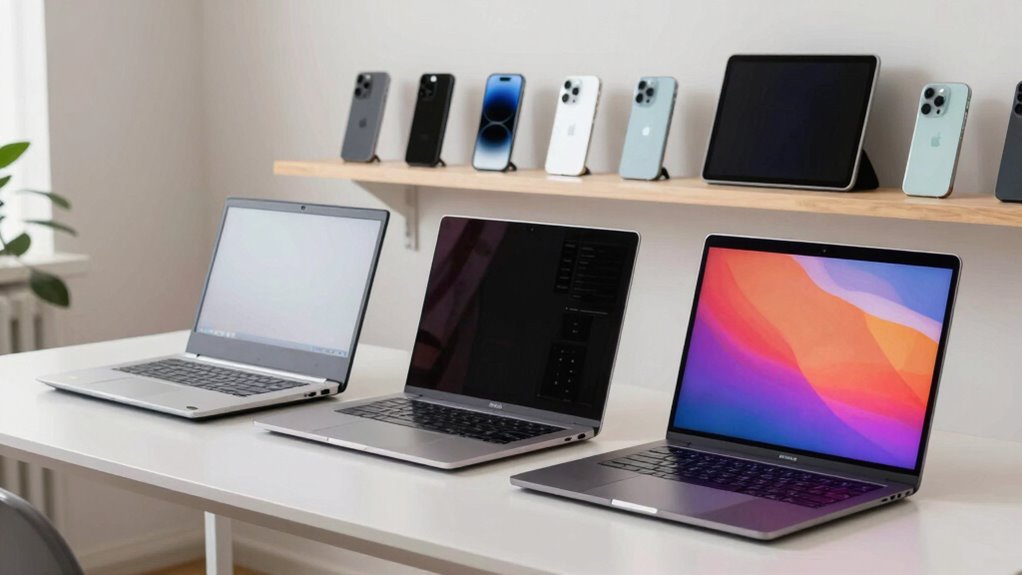
Have you ever wondered how your devices evolve over time? It’s a fascinating process that often gets overlooked because most people focus on new features or faster performance. But understanding the real story behind device upgrades can change your perspective. Instead of viewing upgrades as constant replacements, think of them as ongoing improvements that extend your device’s lifespan and enhance your experience. As your device ages, its battery life tends to decline, making it less reliable for daily tasks. However, this isn’t just about hardware degradation. Software updates play a vital role in keeping your device functioning smoothly. These updates often include security patches, bug fixes, and sometimes new features, which can breathe new life into older devices. When you see a notification for a software update, it’s tempting to ignore it, but it’s actually a key part of the upgrade process. Regular updates optimize your device’s performance, improve battery efficiency, and prevent security vulnerabilities, helping you get the most out of your device for longer periods. Additionally, paying attention to software update cycles can help you anticipate when your device might need hardware maintenance or replacement. Recognizing the importance of software maintenance can help you develop a proactive approach to device care. Staying informed about device lifecycle management can also help you plan effectively for future upgrades or repairs. Understanding how Software updates interact with hardware longevity can help you better manage your device’s overall health and performance. Being aware of hardware limitations can guide your decisions about when to seek repairs or consider upgrades.
Viewing device upgrades through this lens encourages patience and smarter management. Instead of rushing to buy the latest model, you can focus on maintaining your current device by installing updates and managing its battery health. For example, reducing screen brightness, closing unused apps, or replacing the battery when it starts to degrade can considerably improve your device’s longevity. These small steps can make a big difference, saving you money and reducing electronic waste. When you prioritize software updates, you’re also ensuring your device stays secure against emerging threats, which is often overlooked as a reason to keep your device current. This approach shifts the narrative from “upgrading” as a necessity for newness to “upgrading” as a way to optimize what you already have.
smartphone battery replacement kit
As an affiliate, we earn on qualifying purchases.
As an affiliate, we earn on qualifying purchases.
Frequently Asked Questions
How Do Software Updates Impact Device Longevity?
Software updates can extend your device’s longevity by improving software compatibility and fixing security issues. Regular update frequency guarantees your device stays current, reducing the risk of vulnerabilities and performance slowdowns. However, too frequent updates might strain older hardware. By balancing update frequency with your device’s capabilities, you help maintain peak performance and security, ultimately prolonging its usefulness and delaying the need for a replacement.
What Are the Environmental Benefits of Upgrading Less Frequently?
Upgrading less frequently reduces electronic waste, supporting recycling initiatives and sustainability practices. By holding onto devices longer, you decrease the demand for new manufacturing, which conserves resources and cuts down on energy consumption. This conscious choice helps prevent outdated devices from ending up in landfills, promoting environmental responsibility. Your decision to upgrade less often plays a crucial role in fostering a greener, more sustainable future for everyone.
How Can I Upgrade Devices Without Increasing E-Waste?
You can upgrade devices without increasing e-waste by prioritizing sustainable manufacturing and taking advantage of recycling incentives. Choose devices designed for longevity, repairability, and upgradeability. When upgrading, recycle your old devices responsibly through certified programs. Supporting brands committed to eco-friendly practices guarantees your upgrades are more sustainable. This way, you extend device lifespans, reduce waste, and contribute to a healthier environment while enjoying the latest technology.
What Are Cost-Effective Ways to Extend Device Lifespan?
To extend your device’s lifespan cost-effectively, focus on battery optimization to prevent early replacement and guarantee efficient performance. Keep your software updated for hardware compatibility, which helps maintain security and functionality. Avoid unnecessary upgrades by cleaning and maintaining your device regularly, replacing parts like batteries when needed, and using protective accessories. These steps help you maximize your device’s longevity without incurring extra costs or generating e-waste.
How Do Upgrade Cycles Differ Across Device Types?
Ever wonder why upgrade cycles vary so much between devices? It’s mostly about device compatibility and upgrade incentives. Smartphones often have shorter cycles due to rapid tech advances and aggressive upgrade offers, while laptops might last longer since they’re more durable and less frequently updated. Gaming consoles sit somewhere in between, driven by new game releases and hardware improvements. Your upgrade timing depends on balancing these factors for maximum performance and value.
Conclusion
So, next time you’re considering a device upgrade, ask yourself: are you just chasing the newest model, or are you investing in a smarter, more sustainable choice? Upgrading thoughtfully can save you money, reduce waste, and keep your tech running smoothly for longer. Isn’t it time you viewed device upgrades as an opportunity—rather than an impulse? After all, making better choices today shapes the tech landscape of tomorrow.