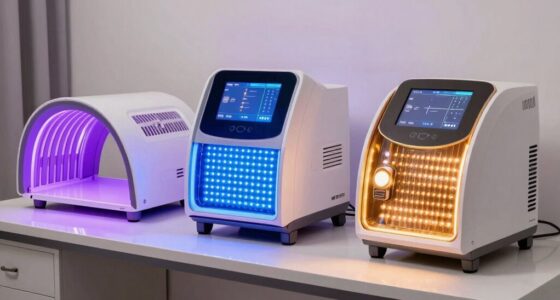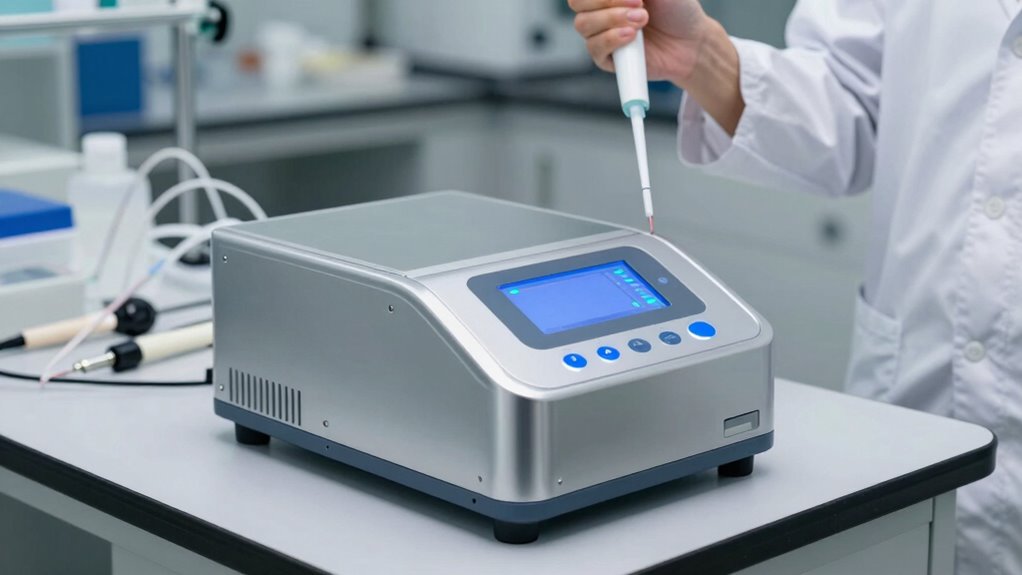

Electroporation tools may seem fancy and complex, but their real value lies in their practical medical applications. They enable targeted cancer treatments, quick vaccine development, and effective gene therapy, making complex procedures faster and safer. These tools open doors to personalized medicine and revolutionary therapies, transforming healthcare. Once you see how they work in actual clinics, you’ll understand why they’re essential for modern medicine. Keep exploring to discover how these innovations impact lives every day.

Get wellness gear delivered free with Prime
- Fast, free delivery on millions of items
- Prime Video, Amazon Music and more included
- Member-only deals all year
Key Takeaways
- Electroporation tools are high-tech devices primarily used for gene transfer in medical treatments.
- They enable targeted therapies like cancer immunotherapy and DNA vaccine delivery.
- Real-world applications involve simple procedures, not just complex laboratory setups.
- Portable electroporation devices make advanced treatments accessible in clinics and field settings.
- These tools have a tangible impact on patient care, beyond their high-tech appearance.
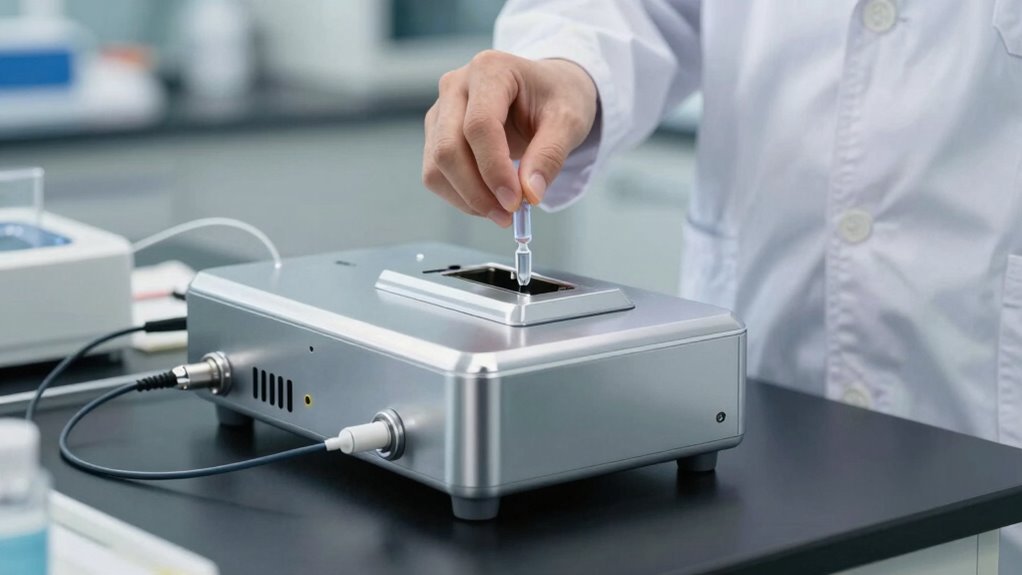
Electroporation tools often sound like high-tech gadgets reserved for advanced laboratories, but their true value becomes clear when you see how they’re used in practical scenarios. These tools are essential for gene transfer, a process where genetic material is introduced into cells. In medical applications, electroporation enables treatments that were once thought impossible. Instead of relying solely on complex chemicals or viral vectors, electroporation uses electric pulses to temporarily open cell membranes, allowing DNA, RNA, or other molecules to pass through. This method is fast, efficient, and often less risky, making it a game-changer in modern medicine.
Electroporation uses electric pulses to safely introduce genetic material into cells, revolutionizing modern medical treatments.
When you think about gene transfer, you might picture lab experiments, but in real-world medical settings, electroporation is actively saving lives. For example, cancer immunotherapy leverages electroporation to deliver DNA vaccines directly into tumors or surrounding tissue. This boosts the immune system’s ability to recognize and attack cancer cells. Unlike traditional methods, electroporation offers a targeted approach, reducing side effects and improving treatment outcomes. It’s also used in gene therapy to treat genetic disorders by inserting corrective genes into patient cells. Here, the electric pulses temporarily disrupt cell membranes, giving therapeutic DNA access without damaging the cells.
You might also be surprised to learn how versatile electroporation is across different medical applications. In vaccine development, for instance, electroporation helps deliver genetic material into muscle cells, prompting a robust immune response. This technique accelerates the creation of new vaccines, including those for infectious diseases. Additionally, scientists are exploring its potential in regenerative medicine, where it can enhance cell-based therapies by efficiently introducing genes that promote tissue repair. The ability to precisely control the delivery process makes electroporation a promising tool for personalized medicine. Furthermore, advances in medical technology have made these devices increasingly accessible and adaptable for various healthcare settings. As research progresses, the integration of gene transfer techniques like electroporation is expected to become a standard part of many treatment protocols. Innovations in electroporation device design continue to improve safety and ease of use, broadening its application scope even further.
In practical terms, electroporation devices need to be reliable, safe, and easy to use. Advances in technology have led to portable, user-friendly systems that healthcare providers can operate without extensive training. This means that in clinics or even in the field, electroporation-based treatments can be administered quickly and effectively. As research continues, the scope of medical applications will expand further, making gene transfer via electroporation an integral part of future healthcare.
Ultimately, while electroporation tools might seem like high-tech science fiction at first glance, their real-world impact is undeniable. They provide a powerful, versatile method for gene transfer that’s transforming medicine and opening new avenues for treatment. You don’t need to be a scientist to recognize their significance — just observe how they’re changing lives through innovative, targeted therapies.
As an affiliate, we earn on qualifying purchases.
Frequently Asked Questions
How Affordable Are Electroporation Tools for Small Laboratories?
Electroporation tools can be quite affordable for small laboratories, especially when you do a thorough cost analysis. Equipment availability has improved, leading to more budget-friendly options. You might find portable or smaller models that fit your needs without breaking the bank. While initial costs vary, many suppliers offer flexible pricing or leasing options, making these tools accessible for smaller setups aiming to enhance their research capabilities efficiently.
What Safety Precautions Are Necessary When Using Electroporation Devices?
Did you know that improper use of electroporation devices can cause electrical shocks or damage samples? To minimize electroporation risks, always follow safety protocols like wearing insulated gloves and eye protection. Make certain your equipment is properly grounded and regularly maintained. Keep your workspace dry and clear of conductive materials. Staying vigilant with these safety precautions protects you and guarantees reliable results in your experiments.
Can Electroporation Be Used With All Cell Types?
Yes, electroporation can be used with many cell types, but its effectiveness varies. You need to optimize conditions for each cell type to guarantee efficient gene transfer without compromising cell viability. Some cells, like primary or delicate ones, may be more sensitive, so careful adjustments are essential. When done correctly, electroporation offers a powerful way to introduce genetic material while maintaining a good balance between gene transfer efficiency and cell health.
How Long Does It Take to See Results After Electroporation?
You typically see results within a few hours to a couple of days after electroporation. The process involves gene transfer, where your cells take up new genetic material, and cell recovery, which varies depending on cell type. During this time, your cells repair their membranes and express the introduced genes. Patience is key, as the timeline depends on factors like cell health, type, and the specific genes you’re working with.
Are There Any Long-Term Effects on Cells Post-Electroporation?
You might wonder if electroporation leaves lasting scars on your cells. In reality, it generally doesn’t threaten genetic stability or interfere with cellular recovery long-term. While some minor effects can occur, cells usually bounce back, restoring normal function. But stay cautious—rare cases might show subtle changes over time, reminding you that even the most precise tools can have unpredictable effects. Keep monitoring your results closely.
Conclusion
Electroporation tools may seem like high-tech marvels, but their true power lies in the hope they carry—like a tiny spark igniting a brighter future. Behind the science, it’s about opening doors to possibilities once thought impossible. When you see the real use case, you realize these tools are more than symbols of innovation; they’re beacons guiding us through darkness toward healing and discovery. In that light, their promise becomes truly profound.
Evergreen bestsellers Picks
bestsellers
As an affiliate, we earn on qualifying purchases.