

The large panel question often triggers overthinking because it taps into your fears about failure, perfection, and being authentic. You might feel pressured to make the perfect choice, which leads to analysis paralysis and doubts about your ability. This overthinking stems from wanting to impress or avoid mistakes. If you keep questioning yourself, you’ll stay stuck in indecision. But understanding how to shift your perspective can help you move forward with confidence—if you look closer, you’ll find how next steps become clearer.

Get wellness gear delivered free — and shop member deals
- Fast, free delivery on millions of items
- Access to Prime Big Deal Days deals on October 6–7
- Prime Video, Amazon Music and more included
Key Takeaways
- It often involves a significant decision that feels high-stakes or deeply personal.
- The question triggers fears of failure, perfectionism, or not being authentic.
- Overthinking stems from seeking the “perfect” answer or outcome.
- People tend to dwell on every detail, creating a cycle of doubt and indecision.
- Embracing imperfection and trusting instincts can help overcome overanalysis.
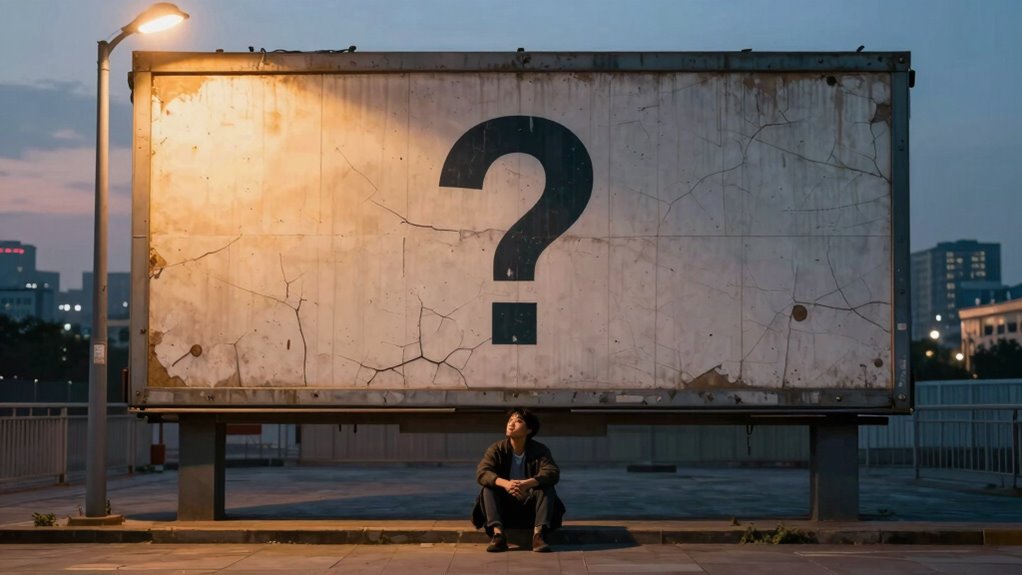
Have you ever found yourself stuck on a seemingly simple question, overanalyzing every detail until it feels impossible to answer? That’s a common experience, especially when the question taps into your sense of artistic expression or personal identity. The “large panel question” often triggers decision paralysis, making it feel like the stakes are higher than they really are. You might start questioning every possible outcome, fearing that one wrong choice will ruin everything. It’s as if the question becomes a mirror reflecting your deepest uncertainties, forcing you to confront fears about failure or lack of creativity.
Overthinking simple choices can mirror your fears, but trusting yourself unlocks genuine creativity and clarity.
When faced with a big decision, your mind tends to spiral into overthinking. You imagine every possible scenario, weighing the pros and cons endlessly. This overanalysis isn’t just about practicality; it’s tied to your desire to express yourself authentically. You want to make the “right” choice that aligns with who you are or who you want to be. But this desire for perfect artistic expression often amplifies decision paralysis. Instead of trusting your instincts, you get caught in a loop of second-guessing, worrying that even a small misstep could tarnish your vision or self-image.
It’s easy to forget that most decisions don’t have a perfect answer. The large panel question becomes daunting because you see it as a reflection of your capabilities, fears, and identity. You want to get it right, but the pressure to perform perfectly can lead to indecision. You might even convince yourself that the choice is a test of your authenticity or talent, which only fuels the overthinking. The more you dwell on every angle, the harder it becomes to move forward. You become paralyzed, unsure whether to trust your intuition or keep analyzing until time runs out. Recognizing that decision paralysis can stem from perfectionism helps you understand that embracing imperfection is a key step toward progress. This awareness can help you develop a healthier relationship with your decision-making process, especially when it involves creative or personal choices.
The trick is recognizing that overthinking is often a barrier to genuine artistic expression. Instead of viewing the question as a test of your worth, see it as an opportunity to experiment and learn. Accept that no choice is perfect, and sometimes, the best decision is the one that feels right in the moment. Reducing decision paralysis means trusting yourself enough to embrace imperfection. Remember, clarity often comes from action, not endless analysis. By loosening your grip on the need for perfection, you’ll find it easier to answer the big panel questions without spiraling into doubt or overthinking. Recognizing that perfectionism can hinder your progress allows you to move forward with more confidence and authenticity. Cultivating this mindset can contribute positively to your overall sustainable living practices, where progress is often more valuable than perfection.
decision making journal for overthinking
As an affiliate, we earn on qualifying purchases.
As an affiliate, we earn on qualifying purchases.
Frequently Asked Questions
How Did the Large Panel Question Originate?
You might wonder how the large panel question originated, especially in panel design and visual perception. It started as a way to understand how viewers interpret large images or displays, challenging designers to balance clarity and impact. Over time, people overthink it because they realize how much visual perception influences understanding. The question pushes creators to reflect on how size, layout, and content affect viewer experience, making it a fundamental yet complex part of visual design.
Are There Psychological Reasons for Overthinking This Question?
You might overthink this question because of cognitive biases like confirmation bias, which makes you seek reassurance, or emotional triggers that create anxiety. Studies show that over 60% of people experience repetitive thoughts due to these biases. Your mind naturally seeks certainty, but this tendency can lead to overanalyzing. Recognizing these psychological reasons helps you step back, reduce overthinking, and approach the question more calmly and clearly.
How Can I Prevent Overanalyzing the Panel Question?
To prevent overanalyzing the panel question, you can practice mindfulness techniques like deep breathing or grounding exercises to stay present. Additionally, use cognitive restructuring to challenge the urge to overthink by questioning whether your thoughts are productive or necessary. Focus on accepting uncertainty and setting time limits for reflection. These strategies help you stay balanced and prevent overanalyzing from spiraling out of control.
Does Age Influence How Much Someone Overthinks It?
Age, perhaps, affects overthinking tendencies, as older individuals often exhibit more wisdom and restraint, reducing overanalyzing. Younger minds tend to be more impulsive, leading to amplified overthinking. You might notice that as you age, your approach to the panel question becomes more measured, motivated by experience and maturity. So, yes, age influences how much someone overthinks it, with maturity typically tempering those tendencies and fostering clearer, calmer contemplation.
Can Overthinking the Panel Question Impact Decision-Making?
Overthinking the panel question can definitely impact your decision-making. When you dwell too much, you might get caught up in emotional responses or second-guess yourself, making it harder to choose confidently. To counter this, brainstorm strategies like setting time limits or focusing on key factors. By doing so, you keep your mind clear, reduce emotional bias, and make more effective decisions without overanalyzing every detail.
Conclusion
So, next time you face the large panel question, remember it’s just a storm in a teacup, swirling in your mind. Don’t let overthinking turn it into a mountain out of a molehill. Trust your instincts, breathe, and take a step forward. Sometimes, the most straightforward answer is the clearest path through the fog. You’ve got this—like a lighthouse guiding ships safely ashore, your clarity will shine through the doubt.
Fall Picks
fall essentials
As an affiliate, we earn on qualifying purchases.