Before starting LED therapy, you should consider any medical conditions that could affect safety. You need to avoid it if you’re pregnant, have skin infections, open wounds, or skin cancer. People with photosensitive conditions or seizure history should consult a doctor first. Those with implants like pacemakers must get professional advice, as electromagnetic signals could interfere. Ensuring proper precautions and expert guidance helps you get safe, effective results—discover more about how to use LED therapy safely.
Key Takeaways
- Certain medical conditions like pregnancy, skin infections, or active skin cancers may require caution or contraindicate LED therapy.
- Patients with photosensitive skin, seizure history, or on photosensitizing medications should avoid or consult a healthcare professional before treatment.
- Individuals with implanted medical devices such as pacemakers must seek medical advice to prevent interference or malfunctions.
- Proper screening and professional guidance are essential to ensure safe use, especially for those with autoimmune diseases or severe skin conditions.
- LED therapy is generally safe when used correctly, but overexposure or improper application can cause skin irritation or visual disturbances.

LED therapy has gained recognition as a non-invasive treatment option for various medical conditions, thanks to its ability to stimulate cellular activity and promote healing. However, before you consider undergoing LED therapy, it’s essential to understand its safety profile and any medical contraindications that might apply to you. Although LED therapy is generally safe and well-tolerated, knowing the potential risks helps ensure you get the most benefit without unintended side effects.
When evaluating LED therapy safety, the first thing to consider is your overall health status. For most people, LED treatments pose minimal risks, especially when administered by trained professionals. The procedure doesn’t involve heat or radiation, so it typically doesn’t cause burns or skin damage. Still, it’s crucial to follow recommended protocols and avoid overexposure, which could lead to skin irritation or discomfort. Proper eye protection during treatment is also vital, as the bright light can sometimes cause temporary visual disturbances or discomfort if it directly hits your eyes.
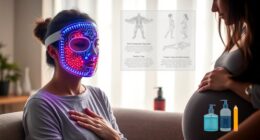
Medical contraindications are specific conditions or circumstances where LED therapy may not be suitable. For example, if you’re pregnant, consult with your healthcare provider before starting LED treatments. While there’s limited evidence suggesting harm, caution is wise, particularly in sensitive stages of pregnancy. People with photosensitive skin or those prone to seizures triggered by flashing lights should also avoid LED therapy unless under strict medical supervision. Certain medications that increase photosensitivity, such as some antibiotics or anti-inflammatory drugs, could heighten your risk of adverse reactions. If you’re on any medication, disclose this to your practitioner beforehand.
Individuals with active skin infections, open wounds, or skin cancers should also avoid LED therapy until their condition is resolved or properly assessed. In cases of autoimmune diseases or severe skin conditions, you should seek advice from your healthcare provider because the effects of LED therapy on these conditions aren’t fully understood. For people with implanted medical devices, like pacemakers or insulin pumps, it’s best to check with your doctor, as the electromagnetic signals from some devices can interfere with their operation.
While LED therapy is considered safe for most, proper screening and consultation are essential to prevent complications. Your healthcare provider will evaluate your medical history, current medications, and specific health concerns to determine if LED therapy is appropriate for you. Following their guidance ensures you enjoy the benefits of this innovative treatment while minimizing any risks. Remember, no treatment is entirely risk-free, but with proper precautions, LED therapy can be a safe, effective addition to your health and wellness routine.
Frequently Asked Questions
Can LED Therapy Be Used During Pregnancy?
You should avoid using LED therapy during pregnancy because of potential pregnancy safety concerns. While LED therapy is generally safe for many, hormonal effects during pregnancy might be unpredictable, and there’s limited research on its safety for pregnant women. To protect both you and your baby, consult your healthcare provider before considering LED treatments. It’s better to err on the side of caution until more definitive evidence is available.
Are There Age Restrictions for LED Therapy Treatments?
Think of LED therapy like a gentle, customizable tool, suitable for many ages. Generally, there are no strict age restrictions, making treatment suitable for teens and seniors alike. For example, a teenager with acne or an elderly person seeking skin rejuvenation can benefit. However, always consult a professional to guarantee the treatment fits your age and specific skin needs, as suitability can vary based on individual health and skin condition.
How Does LED Therapy Interact With Certain Medications?
LED therapy can interact with certain medications, affecting drug interactions and medication safety. You should always inform your practitioner about any medications you’re taking, especially photosensitive drugs like antibiotics or acne treatments. These medications can increase sensitivity to light, making LED therapy potentially cause adverse reactions. To guarantee your safety, your provider might adjust treatment or recommend postponing therapy until any medication-related risks are minimized.
Is LED Therapy Safe for Individuals With Autoimmune Diseases?
You might wonder if LED therapy is safe for autoimmune considerations, and the truth is, it depends. While many find it beneficial, autoimmune diseases can make your immune system more sensitive, so therapy safety varies. Always consult your healthcare provider before starting LED treatments. They can evaluate your specific condition, ensuring the therapy won’t trigger flare-ups, and help you make an informed, safe decision for your health journey.
Can LED Therapy Replace Traditional Medical Treatments?
LED therapy can’t substitute traditional medical treatments, but it can serve as a complementary alternative therapy. You should view it as a supportive option that may enhance overall treatment efficacy, especially for skin health and healing. Always consult your healthcare provider before combining LED therapy with your current treatments, since it’s important to ensure safety and effectiveness tailored to your specific medical condition.
Conclusion
Understanding the contraindications and precautions of LED therapy helps you use it safely and effectively. By respecting these guidelines, you protect yourself from potential risks and guarantee ideal results. Isn’t your health worth taking these extra steps? Always consult a healthcare professional if you’re uncertain about your medical condition. Remember, being informed empowers you to make smarter decisions about your treatment. So, why not prioritize safety and enjoy the benefits LED therapy can offer?