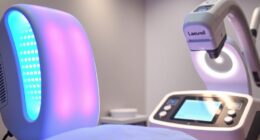
When using LED therapy with SPF, apply a broad-spectrum sunscreen at least 15-20 minutes before sun exposure or outdoor activities to let it form a protective barrier. Reapply every two hours, especially if sweating or swimming, even if it’s water-resistant. For indoor use, layer SPF over your LED treatment if you’re near windows. Following these steps maximizes protection and efficacy—keep going to learn more tips for safe, effective skincare.
Key Takeaways
- Apply LED with SPF evenly over clean, dry skin at least 15-20 minutes before sun exposure outdoors.
- Reapply SPF every two hours, especially after sweating, swimming, or towel drying.
- For indoor LED therapy, apply SPF after treatment if exposed to sunlight through windows.
- Layer SPF over LED products to enhance skin protection during outdoor activities.
- Use broad-spectrum SPF daily as part of your skincare routine, regardless of LED therapy.
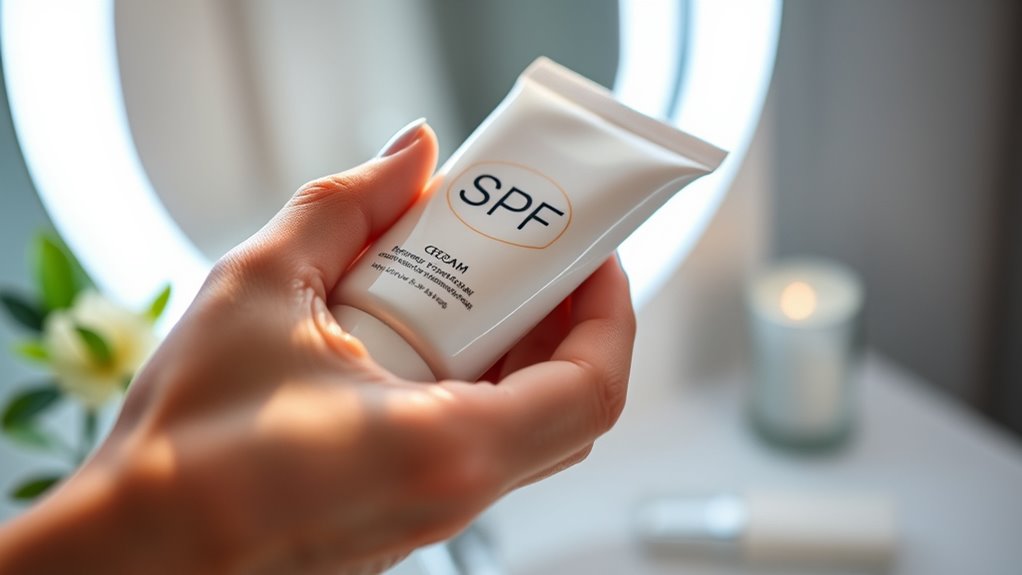
If you’re looking for an efficient way to protect your skin from the sun while enjoying the benefits of LED therapy, LED with SPF offers a convenient solution. Combining the soothing effects of LED light treatments with sun protection means you can maximize your skincare routine without extra steps. This innovative approach helps you target specific skin concerns, like acne or aging, while shielding your skin from harmful UV rays simultaneously. It’s especially useful if you have a busy schedule and want to streamline your skincare regimen. Just remember, even with LED with SPF products, understanding when and how to apply them is key to getting the best results.
LED with SPF offers a convenient way to protect and rejuvenate your skin effortlessly.
First, you need to determine your skin type and the specific LED therapy you’re using. Some LED treatments, such as red light or blue light therapy, are designed to penetrate the skin at different depths and target various issues. If your LED product contains SPF, it’s usually formulated to be applied after cleansing and before sun exposure. To get started, cleanse your skin thoroughly to remove dirt, oil, and makeup. This ensures the product can absorb properly and work effectively. Pat your skin dry gently, then apply a thin, even layer of the LED with SPF product. Be sure to cover all areas you intend to treat or expose to the sun, including your face, neck, and any other exposed skin.
Timing is critical. If you plan to go outdoors, apply the product at least 15 to 20 minutes before sun exposure. This allows the SPF to activate and form a protective barrier against UV rays. Keep in mind that reapplication is necessary every two hours or immediately after sweating, swimming, or towel drying, even if the product claims to be water-resistant. If you’re doing LED therapy indoors, the SPF application is still essential if you’re exposed to sunlight through windows or if you plan to go outside afterward. In this case, applying the SPF after your LED session ensures your skin stays protected from residual UV exposure. Additionally, choosing an appropriate formulation can enhance your skin’s overall protection and health.
It’s also important to contemplate your skincare goals. If your main focus is anti-aging or skin rejuvenation, you might prioritize LED therapy over sun protection during indoor treatments. However, when heading outdoors, layering a dedicated broad-spectrum SPF over your LED with SPF product maximizes protection. Remember, no matter how effective your LED with SPF product is, it doesn’t replace traditional sun protection measures like wearing hats or seeking shade. Always follow your skincare routine with these practices for comprehensive protection. By applying your LED with SPF thoughtfully and consistently, you can enjoy radiant, healthy skin while safeguarding it from the sun’s damaging rays.
Frequently Asked Questions
Can I Wear LED Therapy Devices Daily?
Yes, you can wear LED therapy devices daily, but it’s best to follow the manufacturer’s instructions and your dermatologist’s advice. Most devices are safe for daily use if used correctly, usually for about 10-20 minutes per session. Consistency can improve skin benefits like reduced inflammation and increased collagen. However, if you notice irritation or discomfort, reduce frequency or stop and consult a skincare professional.
Is SPF Necessary on Cloudy Days?
Yes, SPF is necessary on cloudy days because up to 80% of UV rays can penetrate clouds, putting your skin at risk of damage. Even if you don’t see the sun, harmful rays can still reach your skin and cause premature aging or burns. Make sure to apply a broad-spectrum SPF of at least 30, and reapply every two hours if you’re outdoors, for effective protection.
How Often Should I Reapply SPF During the Day?
You should reapply SPF every two hours, or more often if you’re sweating, swimming, or towel-drying. Keep in mind, sunscreen wears off over time, so it’s essential to reapply regularly to maintain protection. Don’t forget to reapply after getting out of the water or sweating heavily. Consistent reapplication helps you stay protected, prevents damage, and keeps your skin healthy throughout the day.
Are There Any Side Effects From Using LED With SPF?
Using LED with SPF is generally safe, but some people might experience side effects like skin irritation, redness, or dryness, especially if they have sensitive skin. You could also notice breakouts or allergic reactions. To minimize risks, do a patch test first and follow product instructions carefully. If you notice persistent discomfort or adverse reactions, stop use and consult a dermatologist. Staying attentive helps guarantee your skin stays healthy and protected.
Can LED Therapy Replace Traditional Sun Protection Methods?
LED therapy can’t replace traditional sun protection methods. While LED treatments can improve skin health and reduce signs of aging, they don’t shield you from harmful UV rays. To protect your skin effectively, always wear broad-spectrum SPF, seek shade, and wear protective clothing outdoors. Think of LED therapy as a skincare supplement, not a substitute for essential sun safety practices. Combining both strategies offers the best skin protection and health.
Conclusion
In conclusion, applying LED skincare with SPF is your ultimate armor against UV rays and aging, much like a trusty shield from days of yore. Make sure to follow the recommended steps—cleanse, treat, and protect—to keep your skin radiant and healthy. Remember, consistency is key, so don’t forget to reapply as needed. Embrace this modern potion of protection, and your skin will thank you for your diligent stewardship. Stay luminous and vigilant!