
“Professional-grade” health devices meet higher standards for accuracy, durability, and calibration compared to home models. Clinical devices often follow strict regulations, undergo rigorous testing, and use advanced calibration techniques, making them more reliable for health decisions. Home devices tend to be less precise and less durable, but are easier to use. To understand the key differences and how to choose the right device for your needs, explore the details below.
Key Takeaways
- “Professional grade” devices meet higher accuracy, durability, and reliability standards, often requiring medical certification for clinical use.
- They follow stricter calibration protocols, such as ISO or FDA standards, ensuring measurement consistency over time.
- Designed for healthcare professionals, these devices are built with superior materials and complex interfaces requiring training.
- They offer greater precision and reliability compared to home devices, which may be affected by user error or environmental factors.
- Higher initial costs and rigorous validation make professional-grade devices suitable for accurate, long-term health monitoring.
What Does “Professional Grade” Mean in Health Devices?

When a health device is labeled “professional grade,” it generally means that the device meets higher standards of accuracy, durability, and reliability than typical consumer models. This designation often requires medical certification, confirming that the device has been tested and approved for clinical use. As a user, you’ll notice that these devices tend to offer better precision, making them suitable for healthcare professionals and serious users. Despite their advanced features, many professional-grade devices focus on user accessibility, providing clear instructions and easy operation to ensure accurate results. Additionally, some of these devices incorporate Free Floating technology, which enhances measurement stability and consistency, further contributing to their trusted reputation in health monitoring. These design features are often evaluated through medical certification, ensuring compliance with rigorous safety and performance standards. This blend of certification, reliability, and user-friendly design makes professional-grade health devices a trusted choice for those needing precise health monitoring. Moreover, understanding the differences between clinical and home devices can help consumers make informed decisions based on their specific health monitoring needs. For example, clinical devices typically undergo more comprehensive testing procedures, ensuring their suitability for medical diagnostics and professional use.
How Do Clinical-Grade and Home Health Devices Differ?
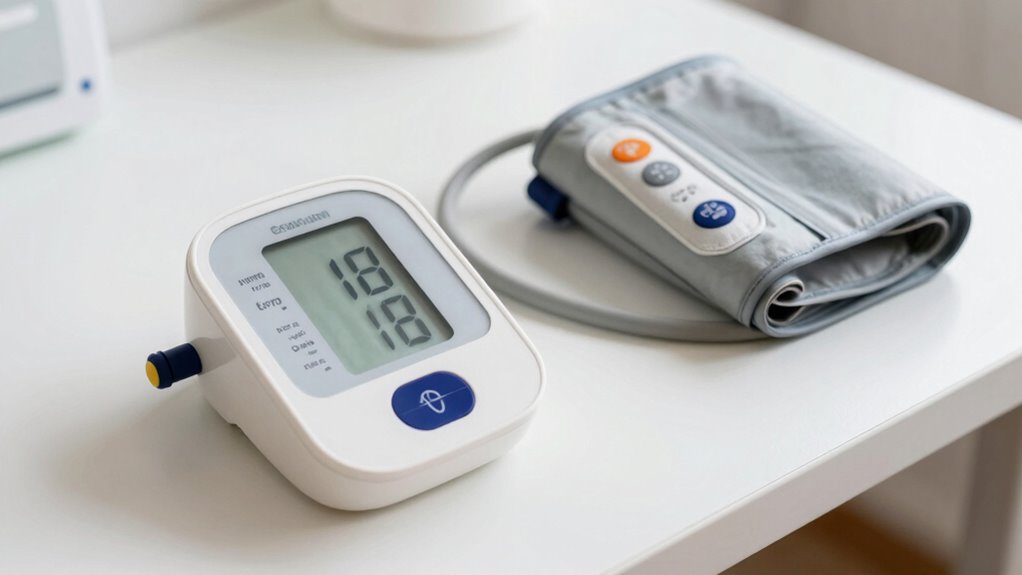
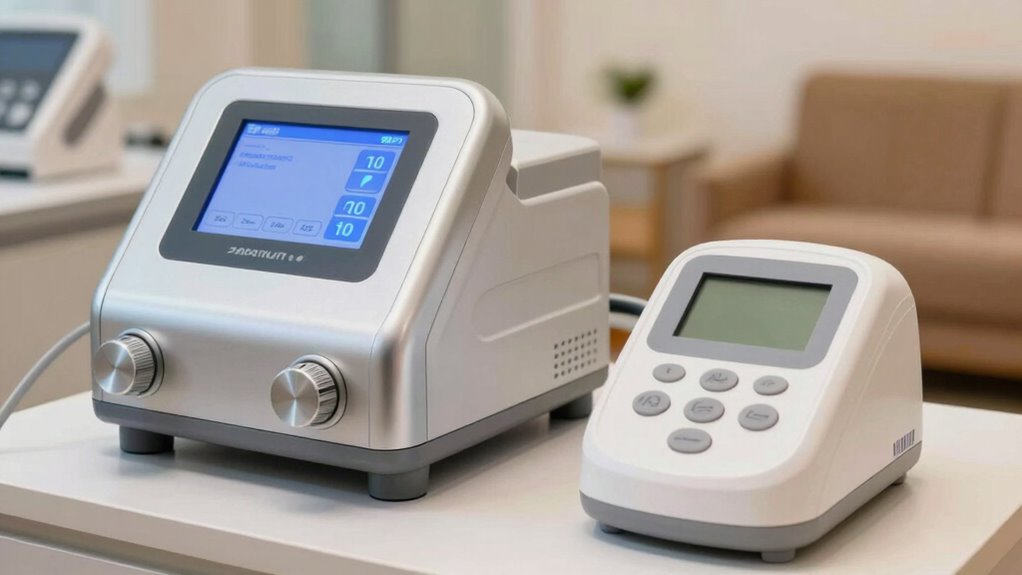
Clinical-grade devices are designed for healthcare professionals and are typically more precise, durable, and rigorously tested than home health devices. They often feature enhanced device durability, meaning they withstand frequent use and harsh conditions without losing accuracy. These devices emphasize user friendliness for trained staff, making complex features accessible in clinical settings. In addition, clinical devices often incorporate specialized features that are not necessary for home use, ensuring they meet strict medical standards. Furthermore, clinical devices usually have higher build quality for long-term use, which contributes to their reliability over time. They also undergo rigorous testing procedures to verify their accuracy and safety before deployment in medical environments. Incorporating cybersecurity measures is also essential in clinical devices to protect sensitive patient data from potential breaches. Modern clinical devices often include automated calibration, reducing the risk of human error and improving consistency across multiple uses. In contrast, home health devices focus on simplicity and ease of use, often sacrificing some durability and precision for convenience. You’ll find that clinical devices usually have:
Clinical devices are more precise, durable, and complex, designed for healthcare professionals’ accuracy and long-term use.
- Higher build quality for long-term use
- Advanced calibration for accuracy
- Complex interfaces requiring training
- Robust construction for demanding environments
Understanding these differences helps you recognize why clinical equipment is suited for professional settings, while home devices prioritize user-friendly features for everyday use.
Are Clinical Devices More Accurate Than Home Devices?
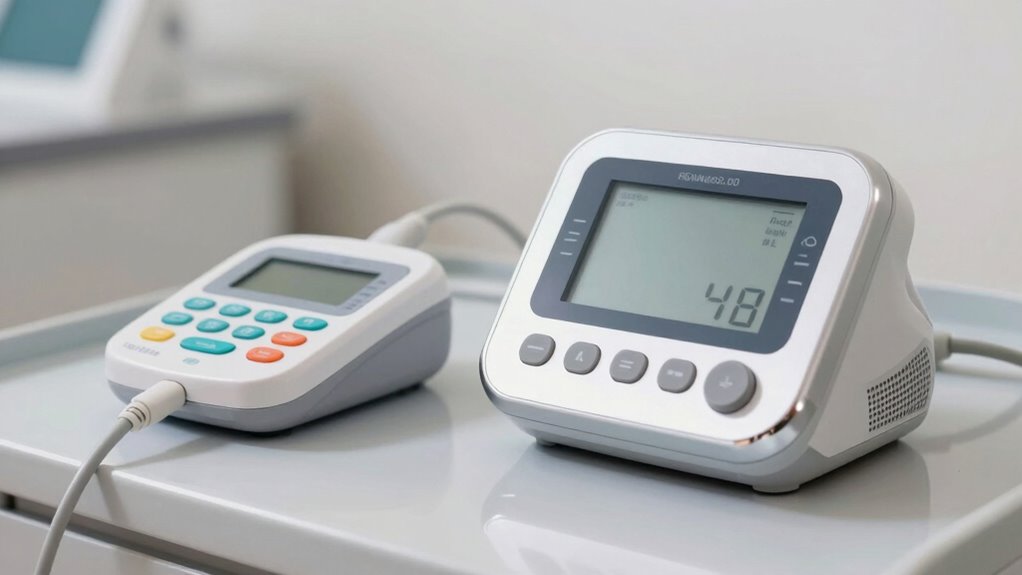
You might wonder if clinical devices are truly more accurate than home units. Calibration and adherence to strict standards play a big role in measurement consistency. These factors can substantially impact the reliability of your readings from both types of devices. Additionally, understanding the evolution of arcade games can help contextualize how technological standards have advanced over time, influencing device accuracy and performance. This progression highlights the importance of technological standardization in ensuring measurement reliability across different device types. Moreover, the development of industry regulations has contributed to setting benchmarks that improve overall device precision and user trust. Recognizing regional differences in healthcare practices can also shed light on varying standards of device calibration and usage. Understanding how regulatory bodies enforce standards is crucial for appreciating the reliability of medical devices worldwide.
Calibration and Standards
Calibration and standards play a crucial role in ensuring the accuracy of medical devices, and clinical devices typically adhere to stricter protocols than home-use models. These devices are calibrated regularly against established benchmarks to maintain measurement accuracy. Strict calibration standards help prevent errors caused by drift or wear, ensuring reliable readings. You’ll find that clinical devices undergo rigorous testing and validation before use. Home devices often lack the same level of calibration oversight, which can lead to less precise results. Additionally, clinical devices typically follow international calibration standards like ISO or FDA requirements to maintain their precision. Regular quality assurance processes further ensure consistent performance and reliability across clinical settings. Moreover, clinical devices usually incorporate advanced calibration techniques that help sustain long-term accuracy and consistency. Ensuring proper device maintenance is also essential for preserving calibration integrity over time.
Measurement Consistency
While clinical devices are designed to provide highly consistent measurements, home devices often fall short in this regard. You might notice fluctuations in measurement accuracy between uses or devices, which can undermine your confidence in their reliability. Clinical-grade equipment undergoes rigorous testing to ensure consistent results, making them more reliable for tracking health trends over time. Home devices, on the other hand, can be affected by user error, environmental factors, or manufacturing variability, leading to less dependable data. This inconsistency impacts your ability to make informed decisions based on readings. Ultimately, clinical devices prioritize measurement accuracy and device reliability, providing a level of measurement consistency that home devices typically can’t match. This makes them more suitable for precise health monitoring. Additionally, the calibration process in clinical devices ensures ongoing precision, whereas many home devices lack this feature, further emphasizing their differences. The importance of standardized testing in clinical equipment helps maintain their high accuracy over time, and proper device maintenance can further preserve their reliability. Moreover, clinical devices are often subject to regulatory standards, which require strict adherence to quality and performance benchmarks.
Do You Need a Professional-Grade Device for Your Health?
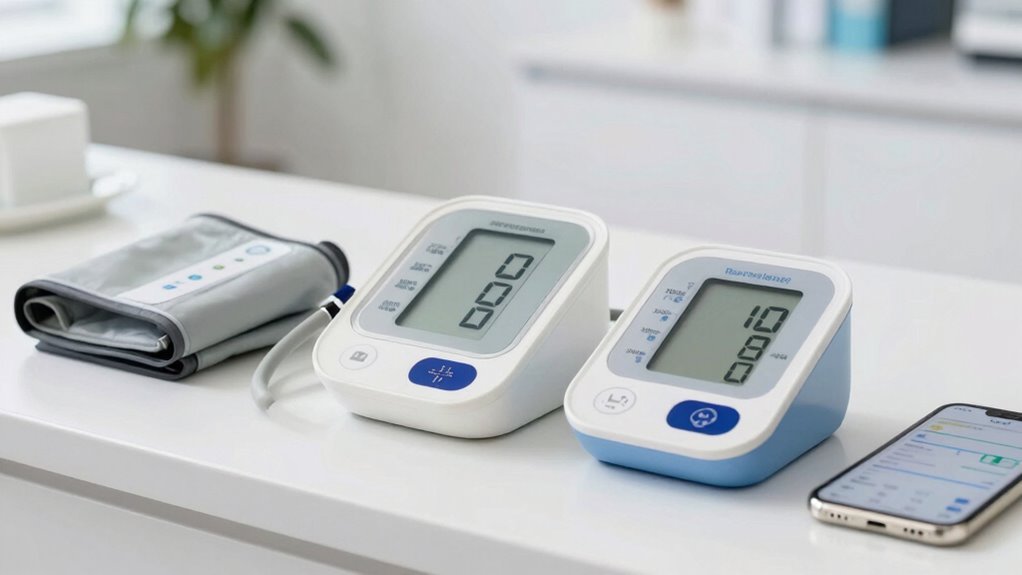
– How critical measurement accuracy is for your health decisions, since dream symbolism often relates to understanding deeper life mysteries through symbols like clocks and time.
Common Myths About Clinical and Home Health Devices
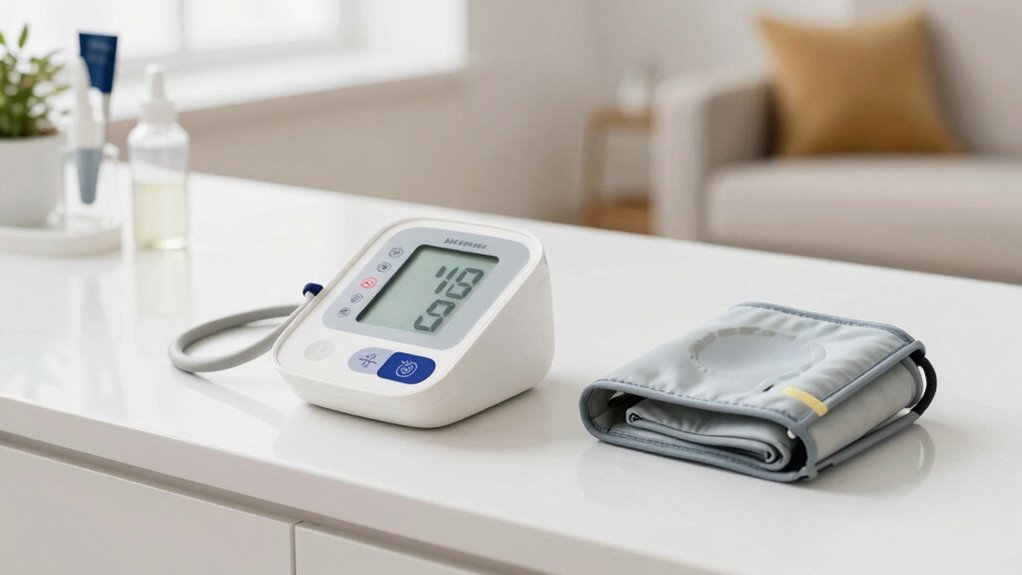
Many people believe that all health devices—whether clinical or home—are equally accurate and reliable, but this is a common misconception. In reality, device durability varies markedly between products, affecting long-term performance. Clinical devices are often built to withstand frequent use and rigorous conditions, ensuring consistent results. Home devices, on the other hand, may not be as durable, which can impact their accuracy over time. Additionally, some assume all devices offer the same user accessibility, but professional-grade equipment usually features easier interfaces and clearer instructions, making them more user-friendly. This myth can lead you to underestimate the importance of choosing a device that’s both durable and accessible, especially when it comes to managing your health accurately and safely.
How to Evaluate if a Device Is Truly Professional Grade
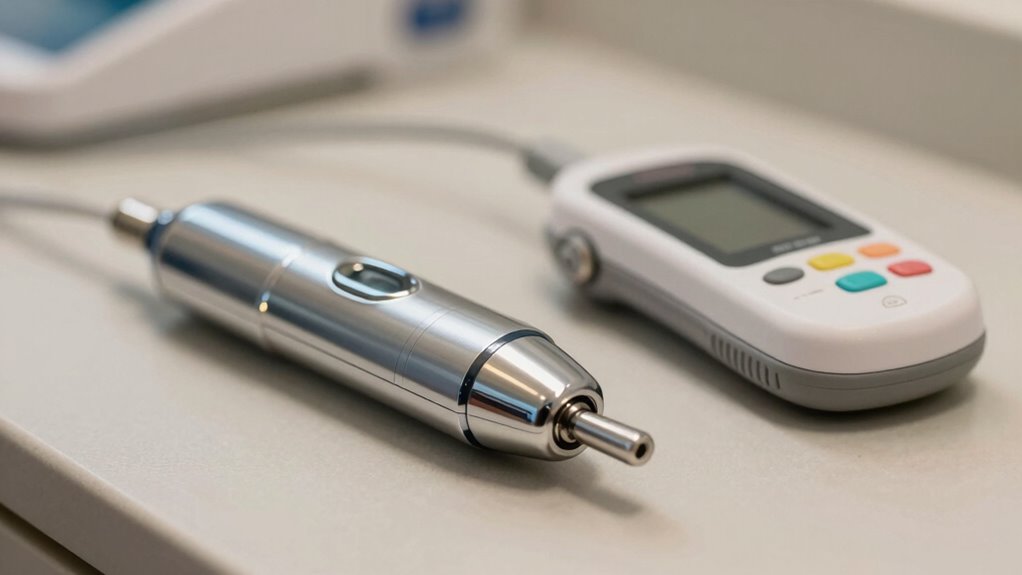
To determine if a device truly qualifies as professional grade, start by examining the specifications provided by the manufacturer. Look for adherence to established technology standards, which guarantee the device meets industry benchmarks. Certification processes are also vital—they validate the device’s safety, accuracy, and reliability.
Check for:
- Compliance with recognized standards like ISO or IEC
- Certifications from reputable authorities (e.g., FDA approval)
- Evidence of rigorous quality control during manufacturing
- Compatibility with professional systems and workflows
These factors help confirm whether the device is built to withstand professional use. Remember, true professional-grade equipment often undergoes extensive testing and meets strict certification requirements, distinguishing it from typical consumer devices.
Are Professional-Grade Devices Worth the Cost?

You might wonder if investing in professional-grade devices is truly worth it. Consider their effectiveness and reliability compared to cheaper options, and weigh that against the cost. Sometimes, the long-term savings and improved results make the higher initial expense a smart choice.
Effectiveness and Reliability
Professional-grade devices often deliver more accurate and consistent results than their home counterparts, making them appealing for those seeking reliable health monitoring. They meet strict accuracy benchmarks and reliability standards, ensuring that your data is trustworthy. These devices are tested rigorously to minimize errors and deliver precise measurements over time. Their advanced sensors and calibration processes contribute to higher accuracy levels. You can expect more dependable readings, which are essential for managing health conditions or tracking progress.
- They often undergo validation against clinical standards
- Maintenance and calibration are more frequent and precise
- Data consistency is prioritized for long-term monitoring
- Results generally correlate closely with lab or clinical tests
Cost-Benefit Analysis
While professional-grade devices offer superior accuracy and reliability, their higher cost can raise questions about value. Conducting a thorough cost comparison helps determine if the benefits justify the expense. Consider the upfront investment versus potential savings from more precise readings or fewer errors. An affordability analysis weighs whether the device fits within your budget and long-term goals. Here’s a quick comparison:
| Feature | Home Device | Professional-Grade Device |
|---|---|---|
| Cost | Lower | Higher |
| Accuracy & Reliability | Moderate | Superior |
| Maintenance & Longevity | Frequent replacements | Durable, longer-lasting |
Ultimately, if precision impacts your health outcome or workflow, investing in a professional device might be worth the higher cost.
Long-Term Savings
Investing in high-quality devices can lead to significant long-term savings by reducing maintenance costs and minimizing errors that might require costly corrections. Professional-grade devices often boast greater device longevity, meaning they last longer and perform reliably over time. This durability decreases the need for frequent replacements, saving you money in the long run. Additionally, their precision reduces errors, preventing costly mishaps or rework. To maximize these benefits, consider:
- Enhanced build quality that withstands frequent use
- Reduced need for repairs and replacements
- Consistent accuracy minimizing costly mistakes
- Lower maintenance expenses over time
While the upfront cost may be higher, these factors contribute to better long-term savings, making professional-grade devices a smarter investment for sustained performance and reduced overall expenses.
Examples of Clinical-Grade Devices Used in Healthcare Settings

Clinical-grade devices are indispensable tools in healthcare settings, providing accurate and reliable data for diagnosis and treatment. Medical imaging systems, such as MRI and CT scanners, allow healthcare professionals to visualize internal structures with high precision, aiding in early diagnosis. Laboratory analyzers are crucial for processing blood, urine, and tissue samples quickly and accurately, helping to identify diseases and monitor patient health. These devices undergo rigorous calibration and quality control to ensure consistency and dependability. Unlike consumer-grade equipment, clinical devices are designed to meet strict safety and performance standards. By utilizing these advanced tools, healthcare providers can make informed decisions, improve patient outcomes, and deliver high-quality care efficiently.
How to Choose the Right Health Device for Your Needs
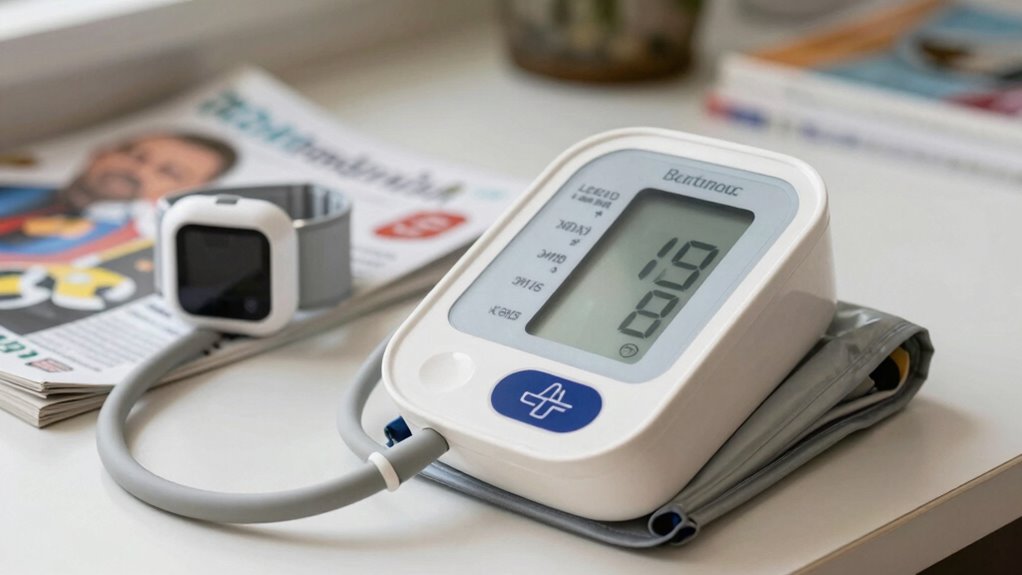
Choosing the right health device depends on understanding your specific needs and goals. Consider factors like device durability to make sure it withstands regular use and fits your lifestyle. User friendliness is also vital; a device should be easy to operate without frustration. To help you decide, think about:
- How often you’ll use it and if durability matters for your routine
- Whether the device interface is simple enough for your comfort
- If portability is essential for your lifestyle
- The maintenance required to keep the device functioning properly
Balancing these factors ensures you select a device that meets your needs, remains reliable over time, and is easy to incorporate into your daily health management.
Frequently Asked Questions
Can Home Devices Be Used for Medical Diagnosis?
You shouldn’t use home devices for medical diagnosis because they aren’t designed for that purpose. DIY health tools may give you some insights, but they lack the accuracy and reliability of professional equipment. Using them improperly can compromise consumer safety and lead to misdiagnosis. Always consult healthcare professionals for diagnosis and treatment rather than relying solely on home devices, ensuring your safety and proper medical care.
What Certifications Indicate a Device Is Truly Professional Grade?
You want to know what certifications prove a device is truly professional grade. Look for standards like ISO 13485 or CE marking, which guarantee quality assurance and rigorous testing. These certifications distinguish professional-grade equipment from consumer devices. While certification standards validate safety and performance, they also indicate the device meets industry benchmarks, giving you confidence in its reliability and suitability for clinical use.
Are Professional-Grade Devices More User-Friendly Than Home Models?
Professional-grade devices aren’t necessarily more user-friendly than home models. They often prioritize usability for trained professionals, which can mean a steeper learning curve for you. However, some professional devices are designed with user friendliness in mind, featuring intuitive interfaces and simplified controls. Ultimately, it depends on the device’s purpose and your experience level. If ease of use matters most, look for models that balance advanced features with straightforward usability.
How Often Do Clinical Devices Require Calibration?
You might think clinical devices need calibration every day, but that’s not true. Most require calibration every few months, depending on the device and its usage. Regular calibration frequency helps guarantee accuracy, and it’s part of the maintenance requirements you should follow. Staying on top of calibration schedules prevents errors and keeps the device reliable, so you can trust the readings when it matters most.
Do Professional Devices Have Better Durability and Warranty Coverage?
Yes, professional devices typically offer better durability standards and warranty policies. You benefit from higher-quality materials and construction designed for frequent use, ensuring longevity. Manufacturers usually provide extensive warranties that cover repairs or replacements, giving you peace of mind. These advantages make professional-grade equipment a reliable choice, especially if you need consistent performance and support over time.
Conclusion
When choosing between clinical and home devices, remember that not all that glitters is gold. While professional-grade tools offer greater accuracy and reliability, they might not always be necessary for your needs. Do your homework and weigh the costs against the benefits. Sometimes, a simpler device can do the trick. Keep your eyes open, ask questions, and don’t be afraid to dig deeper—you might find the right fit without breaking the bank.