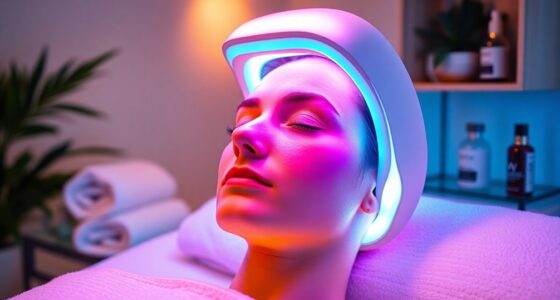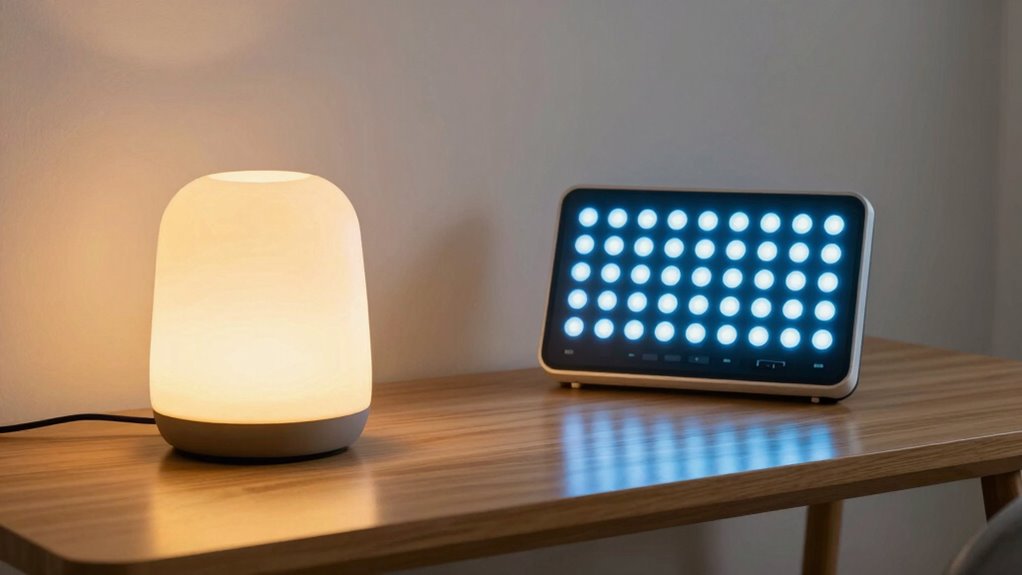
You should understand that therapy lamps and therapy panels are categorized separately because they serve different health purposes. Therapy lamps mainly boost mood and fight Seasonal Affective Disorder, using full-spectrum light for daily use. Therapy panels, on the other hand, offer broader benefits like skin health and pain relief through targeted light therapy. Recognizing these differences helps you choose the right device for your needs. Keep going to discover more about their unique features and applications.

Get wellness gear delivered free — and shop member deals
- Fast, free delivery on millions of items
- Access to Prime Big Deal Days deals on October 6–7
- Prime Video, Amazon Music and more included
Key Takeaways
- Therapy lamps are designed for mood enhancement with focused, portable light exposure, while therapy panels serve broader health and therapeutic applications.
- The size and design differentiate their use environments: lamps are compact for personal use, panels are larger for clinical or full-body treatments.
- Light spectrum and intensity vary: lamps deliver full-spectrum light (~10,000 lux) for circadian regulation, panels combine light with red/near-infrared for deeper tissue effects.
- Application settings differ: lamps are used daily for mood, panels are suitable for targeted skin, pain relief, or comprehensive health therapies.
- Category distinction reflects their primary goals: lamps focus on mental well-being, panels on multi-faceted physical health benefits.
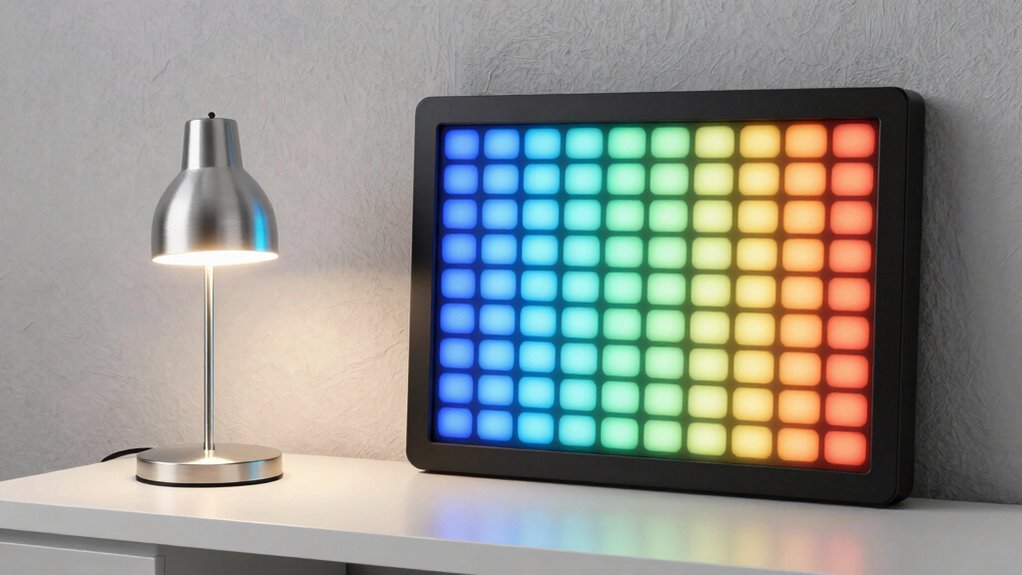
Have you ever wondered how light therapy can boost your mood and energy levels? When you think about therapy lamps and therapy panels, it’s tempting to lump them together, but they actually serve different purposes and belong in separate categories. Understanding these differences helps you choose the right device for your needs, whether it’s for mood enhancement or broader therapeutic applications.
Therapy lamps are typically compact, portable, and designed specifically for light therapy aimed at improving mood and combating conditions like Seasonal Affective Disorder (SAD). You use these lamps in a sitting position, often for about 20-30 minutes daily, to expose your eyes to a bright, full-spectrum light. The goal is to mimic natural sunlight, which signals your brain to produce more serotonin and regulate your circadian rhythms. Because they’re tailored for mood enhancement, therapy lamps are optimized for the right intensity—usually around 10,000 lux—and are easy to operate. Their primary focus is on delivering a controlled dose of light to stimulate mental well-being, making them perfect for individual use at home or in the office.
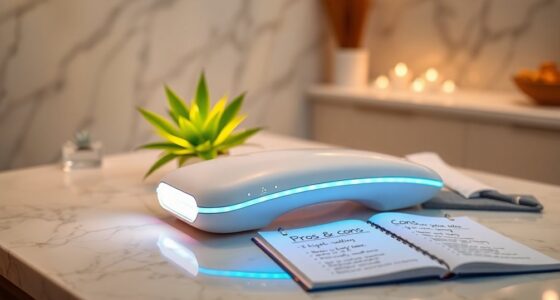
Therapy lamps are compact devices designed to boost mood with full-spectrum light, ideal for daily use at home or work.
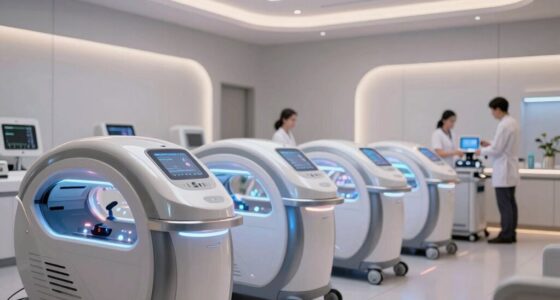
On the other hand, therapy panels are larger, more versatile devices that serve broader therapeutic purposes. These panels often combine light therapy with other modalities like red or near-infrared light, which can penetrate deeper into tissues. They’re used not just for mood boosts but also for skin health, pain relief, and inflammation reduction. Unlike therapy lamps, panels are designed for more extensive applications, often involving full-body treatments or targeted therapy for specific areas. Their size and complexity mean they’re usually found in clinics, wellness centers, or specialized settings rather than casual home environments. The focus here isn’t solely on mood enhancement but on a range of health and recovery goals, and they can be used for multiple health benefits.
While both therapy lamps and therapy panels utilize light therapy, they belong to different categories because they’re optimized for different outcomes. If your primary goal is to improve your mood during darker months, a therapy lamp is your best bet. But if you’re looking to address skin concerns, reduce pain, or work on recovery, a therapy panel offers more extensive benefits. Recognizing these distinctions ensures you invest in the right device, making your light therapy experience more effective and tailored to your needs. Additionally, understanding biodiversity and how different devices impact health can guide you toward more sustainable wellness practices. It’s also helpful to consider energy efficiency when choosing between devices, as it can influence both cost and environmental impact. Moreover, being aware of device safety considerations helps ensure you select products that are effective without risking adverse effects. Knowing the technological features of each device can further enhance your overall experience and satisfaction.
full spectrum light therapy lamp for SAD
As an affiliate, we earn on qualifying purchases.
As an affiliate, we earn on qualifying purchases.
Frequently Asked Questions
Are Therapy Lamps Suitable for Outdoor Use?
Therapy lamps are generally not suitable for outdoor use because they lack outdoor durability and weather resistance. Exposure to rain, humidity, and extreme temperatures can damage the internal components and diminish their effectiveness. If you want to use therapy devices outside, look for models specifically designed with weather resistance and outdoor durability. These are built to withstand the elements and guarantee safe, reliable operation in outdoor settings.
Can Therapy Panels Be Used for Skin Treatment?
You might think therapy panels are just for light therapy, but they can indeed be used for skin treatment. Many panels emit wavelengths that promote skin enhancement and support cosmetic therapy. This makes them versatile tools for improving skin tone, reducing wrinkles, and boosting collagen. So, if you’re looking to combine light therapy with skin benefits, using therapy panels for cosmetic therapy could be a smart, effective choice.
Do Therapy Lamps Require Special Installation?
Yes, therapy lamps require special installation considerations. You’ll want to guarantee proper placement for ideal light exposure and avoid obstructions. Check the power requirements to ensure your outlet can handle the lamp’s voltage and wattage. It’s also wise to follow the manufacturer’s instructions closely, possibly consulting a professional if needed. Proper installation guarantees safety and effectiveness, helping you get the most out of your therapy lamp.
Are Therapy Panels Portable for Travel?
Like a trusted friend, therapy panels are designed with a portable design that makes travel convenience easy. You can pack them effortlessly for trips, providing consistent light therapy wherever you go. Their lightweight construction and compact size mean you won’t be weighed down, allowing you to maintain your routine no matter your location. So yes, therapy panels are highly portable, making it simple to enjoy the benefits of light therapy on the go.
What Safety Precautions Are Needed for Therapy Lamps?
When using therapy lamps, you need to prioritize UV protection and electrical safety. Always follow the manufacturer’s instructions, wear protective eyewear, and avoid looking directly at the light. Keep the lamp away from water or moisture to prevent electrical hazards. Regularly check the cords and plugs for damage, and unplug the device when not in use. These precautions help guarantee safe, effective therapy sessions.
Conclusion
Remember, don’t put all your eggs in one basket. Therapy lamps and panels serve different needs and shouldn’t be used interchangeably. Therapy lamps mimic natural sunlight to boost your mood and energy, while therapy panels offer targeted light therapy for specific health concerns. Knowing the difference helps you choose the right tool for your goals. So, be wise and pick accordingly—because a well-informed choice is the key to shining bright and feeling your best.
Cold & flu season Picks
humidifiers
As an affiliate, we earn on qualifying purchases.