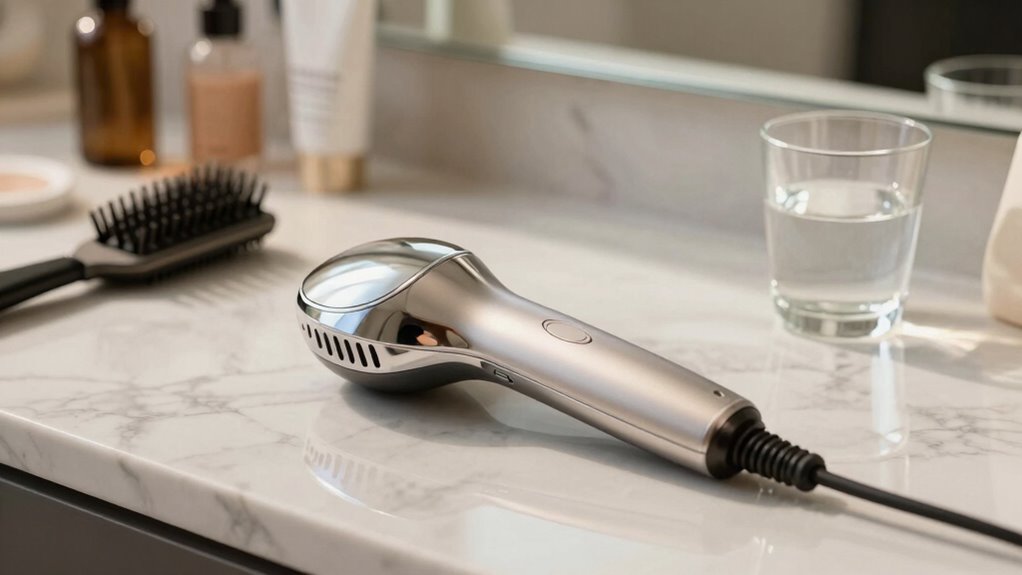

You’ll notice that women’s hair-growth devices are often marketed differently, even though their technology and design are usually the same as men’s. Brands focus on beauty, confidence, and self-care for women, highlighting aesthetics and empowerment. Men’s devices are presented as tools for strength and performance. These marketing choices shape perceptions and influence how you view and use these devices. To discover how these strategies impact your choices, keep exploring the details behind this marketing approach.

Get wellness gear delivered free — and shop member deals
- Fast, free delivery on millions of items
- Access to Prime Big Deal Days deals on October 6–7
- Prime Video, Amazon Music and more included
Key Takeaways
- Marketing for women’s hair-growth devices emphasizes beauty, confidence, and self-care routines rather than technological differences.
- Devices marketed to women often feature sleek designs and softer aesthetics, aligning with their targeted social perceptions.
- Promotional messaging for women focuses on aesthetic improvements, empowerment, and holistic hair care, not device functionality.
- The core hardware is typically identical across genders; differentiation mainly comes through branding and advertising strategies.
- Consumer perception is shaped more by marketing narratives and presentation than by actual technological disparities.
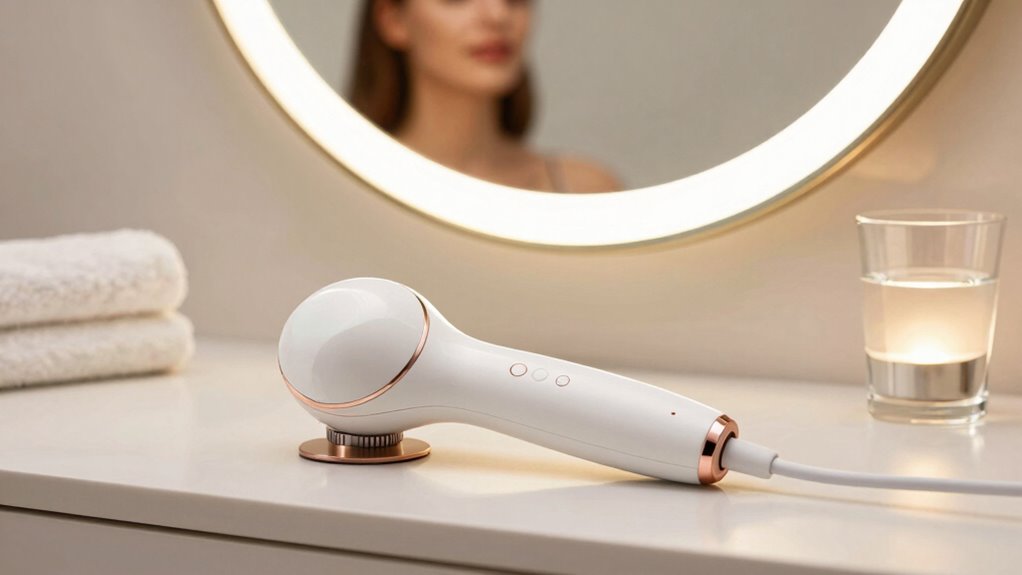
Although hair-growth devices often appear similar, they’re frequently marketed differently for women and men, even when they’re built identically. This difference in marketing strategies isn’t just about targeting distinct audiences; it’s about shaping perceptions and influencing purchasing decisions. For women, the marketing often emphasizes beauty, confidence, and self-care routines. Advertisements might show women feeling empowered or focusing on aesthetic improvements, subtly appealing to societal notions of femininity and appearance. On the other hand, marketing aimed at men typically highlights performance, strength, and efficiency, framing the device as a tool for reclaiming masculinity or maintaining a youthful look. These contrasting approaches can make a product seem tailored to specific gender needs, even if the core technology remains unchanged.
Product design itself tends to be neutral, yet marketing strategies assign gender-specific value to these devices. Manufacturers often produce identical hardware for both markets, but the packaging, branding, and promotional materials are crafted to appeal differently. For women, sleek, elegant designs and softer color palettes are common, reinforcing the idea that these devices are part of a beauty regimen. Meanwhile, products marketed to men might feature more utilitarian or bold aesthetics, emphasizing durability and power. This difference in presentation influences how consumers perceive the product’s purpose and effectiveness—women may see it as a beauty enhancer, while men may view it as a performance tool. Additionally, this marketing approach can influence perceptions of product accessibility and social acceptance, shaping how easily consumers feel they can incorporate these devices into their routines. Recognizing the role of gender-targeted marketing can help consumers make more informed choices and understand the strategies behind product promotion.
The way these devices are marketed also affects their perceived accessibility and social acceptance. Women’s hair-growth devices are often sold alongside skincare products or beauty accessories, framing them as part of a holistic self-care routine. Conversely, men’s devices are sometimes positioned as high-tech gadgets or tools for health maintenance, targeting a different set of motivations. This strategic differentiation in marketing tactics reinforces gender stereotypes but also helps brands carve out specific niches within a crowded market.
Ultimately, even when the devices are technically identical, their success hinges on how they’re marketed. The strategies used influence consumer perceptions, shaping expectations and experiences. By understanding that product design often remains consistent, but marketing strategies diverge, you can better recognize how branding and advertising craft the narrative around these devices. It’s a reminder that the way a product is presented can be just as powerful as its actual features.
women's hair growth device sleek design
As an affiliate, we earn on qualifying purchases.
As an affiliate, we earn on qualifying purchases.
Frequently Asked Questions
Are Women’s Hair-Growth Devices More Effective Than Men’s?
Women’s hair-growth devices aren’t necessarily more effective than men’s; gender biases and product branding influence perceptions. Manufacturers often market devices differently for women, emphasizing gentleness or fashion, but the core technology usually remains similar. You shouldn’t assume one gender’s device works better. Instead, focus on scientifically backed features and reviews, regardless of branding, to find a device that genuinely supports your hair growth needs.
Do Women’s Devices Require Different Maintenance or Cleaning?
Think of your device as a garden needing regular tending. Women’s devices do require different maintenance, mainly in device sterilization and cleaning frequency, to stay effective and safe. You should clean your device after each use and sterilize it regularly, following the manufacturer’s instructions. This routine prevents buildup and germs, ensuring your device works efficiently and stays hygienic, just like tending to a garden keeps it healthy.
How Do Marketing Strategies Target Women Differently?
You notice marketing strategies target women through emotional appeal and targeted advertising, emphasizing confidence and beauty. Brands craft messages that resonate emotionally, making you feel more attractive and self-assured. They use visuals and language tailored to women’s desires, creating a personal connection. This approach differs from generic ads, making you more likely to engage with the product, even if the device’s actual features are similar to men’s versions.
Are There Specific Safety Concerns for Women Using These Devices?
Did you know that 30% of women report skin sensitivity when using beauty devices? Gender-specific safety is essential, as women may experience different side effects. Regulatory considerations are important to guarantee these devices meet safety standards tailored for women’s skin and hair types. Always check if a device is approved for women’s use, and follow instructions carefully to avoid irritation or injury. Your safety depends on proper regulation and awareness.
What Is the Typical Price Difference Between Men’s and Women’s Devices?
You’ll notice a price disparity between men’s and women’s hair-growth devices, often due to market targeting rather than differences in quality or technology. Manufacturers typically price women’s devices higher, believing they can command a premium through targeted marketing. This pricing strategy reflects market segmentation rather than inherent device differences. So, as a consumer, you might find similar devices at different prices based on whether they’re marketed toward men or women.
Conclusion
Remember, don’t judge a book by its cover—women’s hair-growth devices often get different marketing, but they’re usually built the same. It’s easy to fall for the hype, but the truth is, quality and effectiveness matter more than the label. Keep your eyes open and do your research. As the saying goes, “All that glitters is not gold.” Trust what works for you, not just what’s marketed to you.
Cold & flu season Picks
humidifiers
As an affiliate, we earn on qualifying purchases.