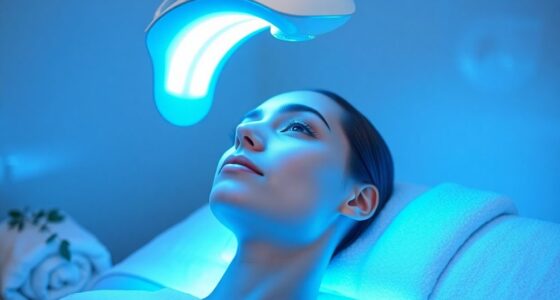

The most overlooked mood benefit of consistent light habits is how they quietly build resilience to emotional setbacks. By maintaining regular light exposure, you strengthen your brain’s ability to adapt to stress, mood swings, and seasonal changes. It’s not just about feeling better temporarily—over time, these habits help you recover faster from emotional lows. If you keep up this routine, you’ll discover even deeper ways light can support your mental well-being.

Get wellness gear delivered free — and shop member deals
- Fast, free delivery on millions of items
- Access to Prime Big Deal Days deals on October 6–7
- Prime Video, Amazon Music and more included
Key Takeaways
- Enhances long-term emotional resilience by stabilizing brain responses to stress and setbacks.
- Supports hormonal balance, particularly serotonin and melatonin, influencing sustained mood regulation.
- Prevents subtle emotional fluctuations that often go unnoticed but impact overall mental stability.
- Reinforces mental clarity, reducing impulsivity and improving emotional decision-making over time.
- Contributes to consistent emotional well-being, making mood swings less frequent and severe.
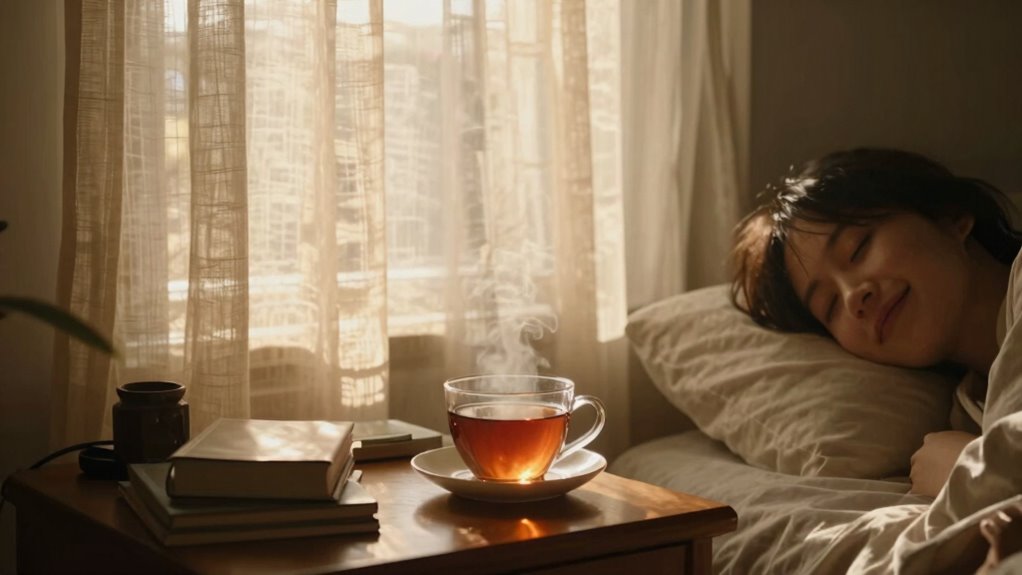
While many people focus on how light exposure affects sleep or mood directly, they often overlook a subtle yet powerful benefit: its influence on your overall emotional resilience. Consistent light habits do more than just regulate your circadian rhythm; they strengthen your ability to bounce back from stress and emotional setbacks. When you maintain regular exposure to natural or artificial light, you’re helping your brain develop a stable foundation for managing the ups and downs of everyday life.
One often overlooked aspect is how proper light exposure can reduce seasonal affective disorder, a form of depression linked to shorter days and less sunlight during winter months. By sticking to a consistent light schedule, you’re fundamentally mimicking the natural progression of sunlight throughout the year, which can help stabilize your mood and prevent the emotional lows associated with seasonal affect. This consistency boosts your mental resilience, making you less vulnerable to mood swings triggered by environmental changes. Over time, it trains your brain to adapt more effectively, so you’re less likely to feel overwhelmed or drained when faced with challenging situations. Maintaining regular light habits can also support circadian rhythm regulation, which further enhances your emotional stability.
Another key benefit is the improvement in mental clarity that comes with regular light exposure. When your body receives consistent signals about day and night, your brain stays alert and focused during your waking hours. This mental clarity isn’t just about productivity; it’s about feeling more centered and capable of managing your emotions. With clearer thinking, you’re less prone to impulsive reactions or feelings of frustration and more equipped to handle stressful moments calmly. The stability of your mental state, reinforced by steady light habits, enhances your emotional resilience, helping you navigate setbacks with greater ease. Additionally, consistent light exposure can promote mood regulation, which is vital for maintaining emotional balance in daily life. Proper light exposure also supports the production of serotonin, a key hormone involved in mood stabilization, further contributing to emotional resilience. Furthermore, research indicates that regular exposure to appropriate lighting can boost mental health, providing an additional layer of support for emotional well-being.
light therapy lamp for mood improvement
As an affiliate, we earn on qualifying purchases.
As an affiliate, we earn on qualifying purchases.
Frequently Asked Questions
How Quickly Can I See Mood Improvements From Light Habit Changes?
You can start noticing mood improvements within a few days of adjusting your light habits. By achieving better circadian alignment and regulating melatonin levels, your sleep quality improves, which boosts your overall mood. Consistent exposure to natural light during the day helps reset your internal clock quickly. With regular habits, you’ll likely feel more energized and balanced in just a few days, making it a simple yet powerful change.
Can Light Habits Help With Seasonal Affective Disorder?
Light therapy can be a beacon in fighting seasonal depression, helping to lift your mood when days grow darker. By establishing consistent light habits, you can regulate your body’s internal clock and boost serotonin levels, alleviating symptoms of seasonal affective disorder. Regular exposure to natural or artificial bright light acts like a reset button, improving your overall mood and energy during gloomy months.
Do Light Habits Affect Sleep Quality Alongside Mood?
Yes, light habits can improve sleep quality alongside mood. Light therapy helps regulate your circadian alignment, making it easier for your body to produce melatonin at night. By exposing yourself to natural or artificial light at appropriate times, you support better sleep patterns and enhance your overall mood. Consistent light habits create a balanced internal clock, leading to more restful sleep and a more stable, positive mood throughout the day.
Are There Specific Types of Light That Boost Mood More Effectively?
Natural sunlight boosts your mood more effectively than artificial lighting because it provides a full spectrum of light that regulates your circadian rhythm and increases serotonin levels. While artificial lighting can help, especially in darker months or indoor environments, aim to spend time outdoors or near windows for maximum mood benefits. If you rely on artificial lighting, choose bright, full-spectrum bulbs to mimic natural sunlight and elevate your spirits.
Can Inconsistent Light Exposure Negate Mood Benefits?
Yes, inconsistent light exposure can negate mood benefits. When your light therapy sessions or natural light intake vary, it disrupts your circadian alignment, making it harder for your body to regulate mood effectively. Regular, consistent light exposure helps reinforce your body’s internal clock, boosting mood and overall well-being. To maximize benefits, stick to a routine that provides steady light cues, supporting your circadian rhythm and mood stability.
Conclusion
So, next time you’re tempted to skip your daily light dose, remember: it’s not just about avoiding darkness — it’s about avoiding a moody, sluggish you. Consistent light habits don’t just brighten your mornings; they keep your mood from taking a nosedive into the abyss. Who knew that something as simple as a little sunshine could be the secret weapon against your inner grumpy bear? Embrace the light, and let the gloom be gone—your mood will thank you.
Fall Picks
fall essentials
As an affiliate, we earn on qualifying purchases.