
A 10,000 lux SAD lamp is helpful, but it’s not the only factor that affects your mood. The spectrum and color temperature play a big role in how effective the therapy is—cooler, blue-enriched light boosts alertness, while warmer light can promote relaxation. Proper timing and duration matter too; using your lamp consistently in the morning enhances results. Keep exploring to discover how to fine-tune your light exposure for the best mood boost.
Key Takeaways
- Higher lux levels alone don’t guarantee better mood improvement; spectrum and timing are equally important.
- Light spectrum and color temperature influence comfort, alertness, and therapeutic effectiveness beyond just brightness.
- Optimal results depend on proper positioning, session timing, and consistency, not just reaching 10,000 lux.
- Excessively bright lamps can cause glare or eye discomfort; diminishing returns occur beyond 10,000 lux.
- Personal response and specific needs should guide therapy, making a tailored approach more effective than focusing solely on lux.

Caromolly Light Therapy Lamp, Happy Lamp 10,000 LUX UV Free with 3 Color Temperature & 5 Brightness Level, Full Spectrum Light Wood Base Round Flaxen Fabric Shade for Home, Office, 4" × 8.4”
Light Therapy Lamp 10,000 lux: Linen shade designed to provide bright but not dazzling, stable, and non-flickering lighting….
As an affiliate, we earn on qualifying purchases.
As an affiliate, we earn on qualifying purchases.
What Does a 10,000 Lux SAD Lamp Do for Your Mood?

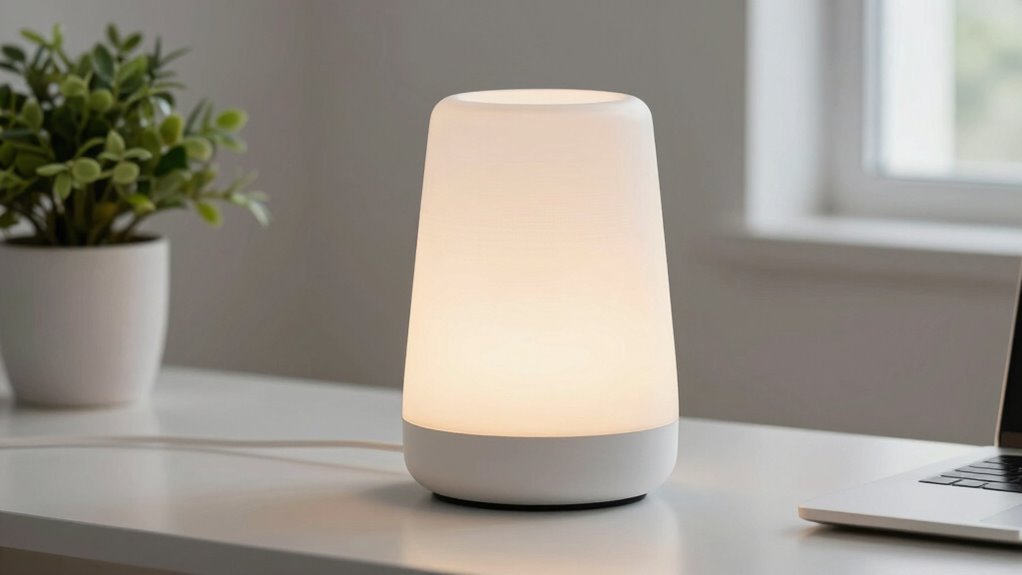
A 10,000 Lux SAD lamp is designed to mimic natural sunlight, which can substantially boost your mood during darker months. Its light spectrum closely resembles daylight, providing a balanced range of wavelengths that help regulate your circadian rhythm. The color temperature of these lamps typically hovers around 5,000 to 6,500 Kelvin, creating a bright, white light similar to midday sun. This specific color temperature ensures the light appears natural and energizing, reducing feelings of fatigue and depression. When you sit in front of the lamp, the precise light spectrum and ideal color temperature work together to influence your mood positively, helping you feel more alert, awake, and uplifted. This combination is crucial for effective light therapy during the winter months. Additionally, the high color temperature of these lamps enhances their ability to simulate natural daylight, making them more effective for mood improvement. Understanding the light spectrum and its impact can help you choose the most effective therapy lamp for your needs, especially considering how the spectral qualities influence your overall response to light therapy. Moreover, awareness of light intensity variations can optimize the therapeutic benefits, tailoring the experience to individual needs. Recognizing the importance of light quality can further enhance your understanding of how different lamp features influence mood regulation.

Light Therapy Lamp 10000 Lux, Happy Sun Lamp UV-Free with 3 Color Temperatures, Adjustable Brightness, Timer & Memory Function, Bright Sunlight Lamps, Full Spectrum Light Perfect for Home, Office
Sunlight therapy Lamp 10,000 lux, accompany you day and night, adjustable natural sunlight, is a warm place in…
As an affiliate, we earn on qualifying purchases.
As an affiliate, we earn on qualifying purchases.
How Do Light Spectrum and Color Temperature Affect Your Light Therapy?

Understanding how light spectrum and color temperature influence your light therapy is essential because they determine how effectively the therapy impacts your mood and energy levels. The light spectrum refers to the range of wavelengths emitted, affecting how natural and comfortable the light appears. Color temperature, measured in Kelvin, influences whether the light feels warm or cool, impacting your alertness and sleep patterns. For example, cooler light (around 6500K) mimics daylight and can boost alertness, while warmer light (around 3000K) creates a relaxing atmosphere. Here’s a quick comparison:
| Aspect | Effect on Therapy |
|---|---|
| Light Spectrum | Affects naturalness and comfort |
| Color Temperature | Influences mood, alertness, sleep quality |
Additionally, understanding light spectrum can help tailor your light therapy to better suit your specific needs, ensuring a more effective treatment. Knowing the wavelengths involved can also improve the overall comfort and effectiveness of your therapy sessions. Furthermore, selecting the appropriate lighting parameters can optimize your response to light therapy by aligning with your personal circadian rhythms.
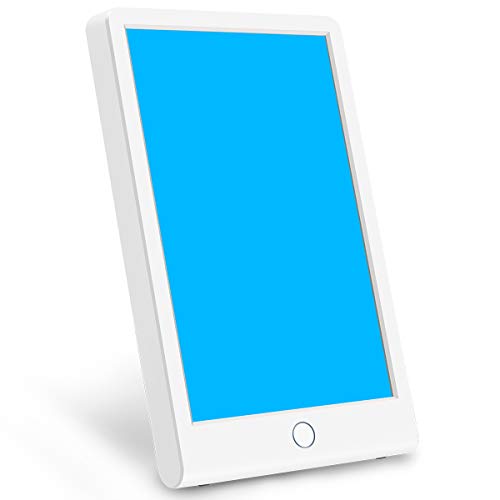
Light Therapy Lamp, SMY Blue Light Energy Lamp and Adjustable LED Blue Light, Tablet One Touch with Timer, 100% UV Free
LED, UV-FREE, BLUE COLOR LIGHT: The Blue Light Lamp as same effective as 10,000 lux white light lamp,…
As an affiliate, we earn on qualifying purchases.
As an affiliate, we earn on qualifying purchases.
When and How Long Should You Use Your SAD Lamp for Best Results?

To achieve the best results from your SAD lamp, it’s important to use it at the right times and for the appropriate duration. Timing considerations are key—most people find it effective to sit near the lamp shortly after waking up, ideally within the first 30 minutes. Consistency matters, so try to use it daily to regulate your circadian rhythm. Session duration varies depending on your needs and the lamp’s intensity, but generally, 20 to 30 minutes per session is sufficient. If your lamp is less than 10,000 lux, you might need longer sessions. Pay attention to how you feel during and after use, and adjust the timing and duration accordingly to maximize benefits without causing discomfort or eye strain. The incident also highlights vulnerabilities in cloud-based systems, emphasizing the importance of robust cybersecurity measures when using connected devices.
Caromolly Light Therapy Lamp, Happy Lamp 10,000 LUX UV Free with 3 Color Temperature & 5 Brightness Level, Full Spectrum Light Wood Base Round Flaxen Fabric Shade for Home, Office, 4" × 8.4”
Light Therapy Lamp 10,000 lux: Linen shade designed to provide bright but not dazzling, stable, and non-flickering lighting….
As an affiliate, we earn on qualifying purchases.
As an affiliate, we earn on qualifying purchases.
Is Higher Lux Always Better? Understanding Diminishing Returns and Alternatives
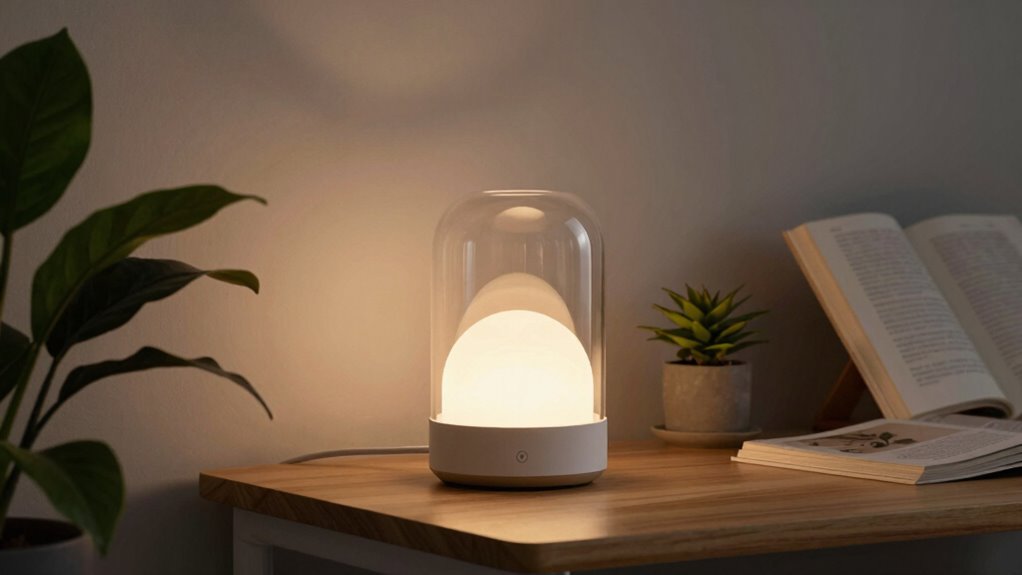
While using your SAD lamp consistently is important, opting for a higher lux rating doesn’t always mean better results. Beyond a certain point, increasing lux levels yields diminishing returns. For example:
Higher lux levels don’t always mean better results; beyond a point, returns diminish.
- Higher lux can cause glare or eye discomfort.
- Your brain may not process extra light effectively.
- The effectiveness plateaus after around 10,000 lux.
- Excessive lux might lead to overstimulation or side effects.
- Additionally, factors like light spectrum and duration play crucial roles in overall effectiveness. Incorporating personalized approaches can optimize your light therapy experience.
Research shows that more lux isn’t necessarily better, and focusing solely on brightness ignores other factors like light spectrum and duration. Instead of chasing higher lux, consider using a well-designed lamp at the recommended levels. Understanding diminishing returns helps you avoid wasting time and energy on unnecessary intensity, ensuring safer, more effective light therapy. Recognizing that individual responses can vary is essential for tailoring your treatment plan effectively. Additionally, selecting a lamp with an optimal light distribution can enhance therapy outcomes without increasing brightness.
Tips to Maximize Your Light Therapy Effectiveness
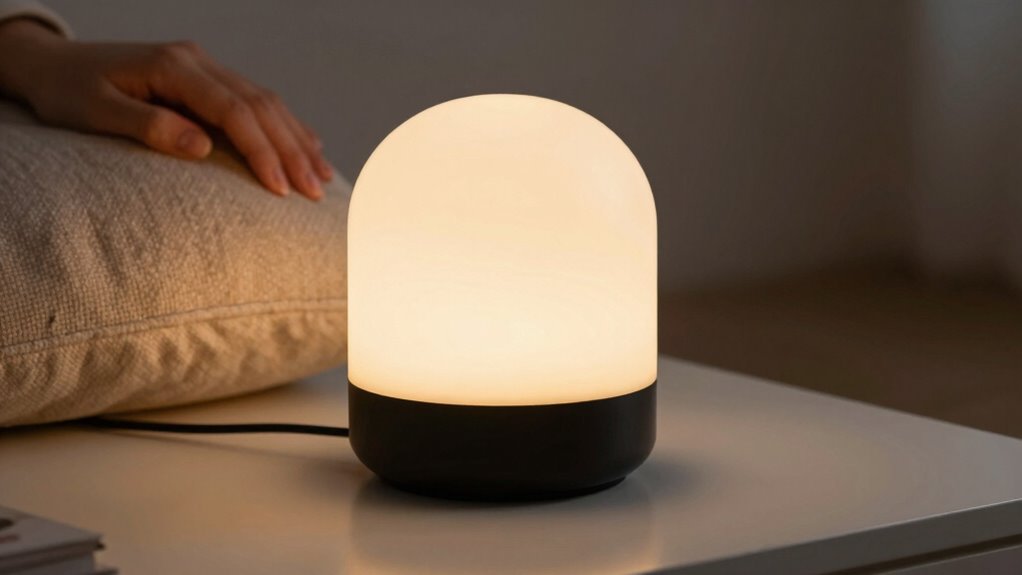
Maximizing the effectiveness of your light therapy requires more than just choosing the right lamp; it involves strategic use of your daily exposure. Pay attention to light placement—position your lamp at eye level, about 16 to 24 inches away, to guarantee ideal exposure without glare. Consistency is key: try to schedule your sessions at the same time each day, ideally in the morning, to align with your circadian rhythm. Keep sessions around 20 to 30 minutes, but adjust based on your response. Avoid looking directly into the light; instead, sit near it with your eyes open but relaxed. Proper light placement and session timing can substantially boost your therapy’s effectiveness, helping you feel better faster. Additionally, understanding inclusive casting in the industry can enhance how you select and interpret light therapy products, ensuring they cater to diverse needs. Being aware of light spectrum options can also help you choose lamps that deliver the most effective wavelengths for mood regulation. Incorporating light therapy into your daily routine with these strategies can further optimize your results, and staying informed about newer technologies can also improve your overall experience. Moreover, learning about light placement techniques can help you fine-tune your setup for maximum benefit.
Frequently Asked Questions
Can SAD Lamps Be Effective During Different Seasons or Climates?
Yes, SAD lamps can be effective during different seasons or climates. You might notice that seasonal variations and climate influence how well they work for you, so adjusting the duration or intensity could help. In colder or less sunny climates, you may need longer sessions or higher lux levels. Experimenting with your routine ensures you get the most benefit, regardless of seasonal changes or weather conditions.
Are There Any Safety Concerns or Side Effects From Using SAD Lamps?
You should be aware that using SAD lamps can cause side effects like eye strain or skin sensitivity if you don’t follow safety guidelines. To minimize risks, avoid staring directly into the light and limit your session time. If you notice discomfort or skin irritation, stop using the lamp and consult a healthcare professional. Proper usage helps make sure you get the benefits without unnecessary side effects.
How Do Personal Preferences Influence Light Therapy Effectiveness?
Think of light therapy as a suit tailored to your unique shape. Your personal preferences shape how effective it is—some prefer gentle, warm light, while others need bright, cool tones. When you choose what feels right, you’re more likely to stick with it and see results. So, trust your instincts, experiment a bit, and customize your light therapy experience to match what your eyes and body prefer.
Can SAD Lamps Replace Natural Sunlight Entirely?
You can’t rely on SAD lamps to replace natural sunlight entirely. Artificial light from these lamps helps during seasonal adjustments, but it doesn’t replicate the full spectrum and benefits of natural sunlight. You need sunlight for overall well-being, mood, and vitamin D production. Use SAD lamps as a supplement, especially during winter months, but aim to get outside whenever possible for the best mental and physical health benefits.
Are There Specific Brands or Models Recommended for Optimal Results?
Think of SAD lamps as your personal sunlight beacon. For top results, go for brands like Verilux, Carex, or Northern Light Technology. Model comparisons show that Lux output, size, and features matter, so choose one that fits your needs. You want a lamp that mimics natural sunlight, so prioritize those with consistent brightness and reliable reviews. Your perfect lamp is out there, ready to brighten your day.
Conclusion
Think of your SAD lamp as a trusted friend guiding you through gray days. While a 10,000 lux lamp can boost your mood, it’s not the whole story—spectrums, timing, and personal needs matter just as much. By understanding these details, you’ll maximize your light therapy’s power, like tuning an instrument to perfection. Remember, it’s not about the brightest bulb but the right light that makes your days brighter and your mood lighter.