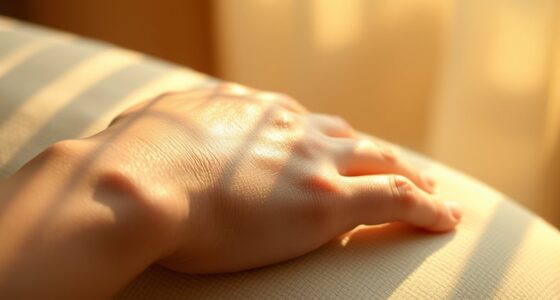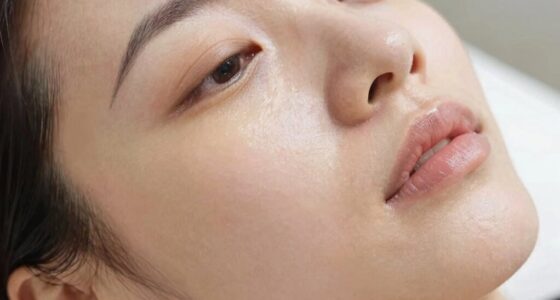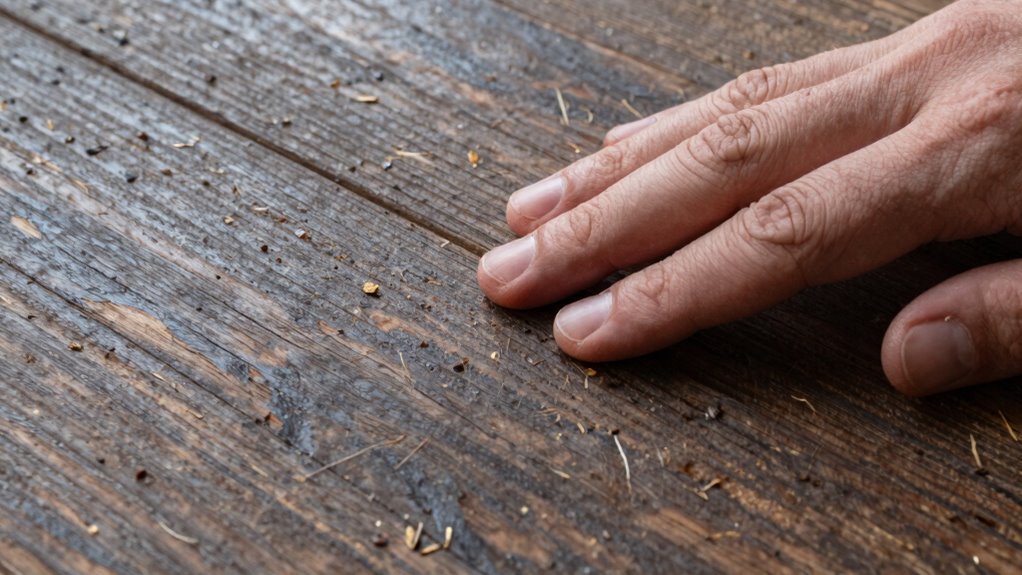
The texture of your clothing instantly communicates confidence and personality before any compliment. Smooth, silky fabrics suggest elegance and sophistication, while rugged textures highlight resilience and practicality. Surface finish and tactile cues shape first impressions, making your outfit appear more refined or relaxed. Paying attention to these details can create a cohesive look that speaks volumes about your style. Keep exploring how strategic texture choices can elevate your personal brand even further.

Get wellness gear delivered free — and shop member deals
- Fast, free delivery on millions of items
- Access to Prime Big Deal Days deals on October 6–7
- Prime Video, Amazon Music and more included
Key Takeaways
- People quickly notice the tactile quality of fabric, such as softness or roughness, before giving verbal compliments.
- The surface finish, whether polished or matte, influences first impressions more than color or cut.
- Texture details like smooth silk or rugged canvas reveal personality traits subconsciously.
- Visual and tactile harmony in fabric choices enhances overall style perception.
- Well-chosen fabric feel and texture communicate confidence and sophisticated taste instantly.
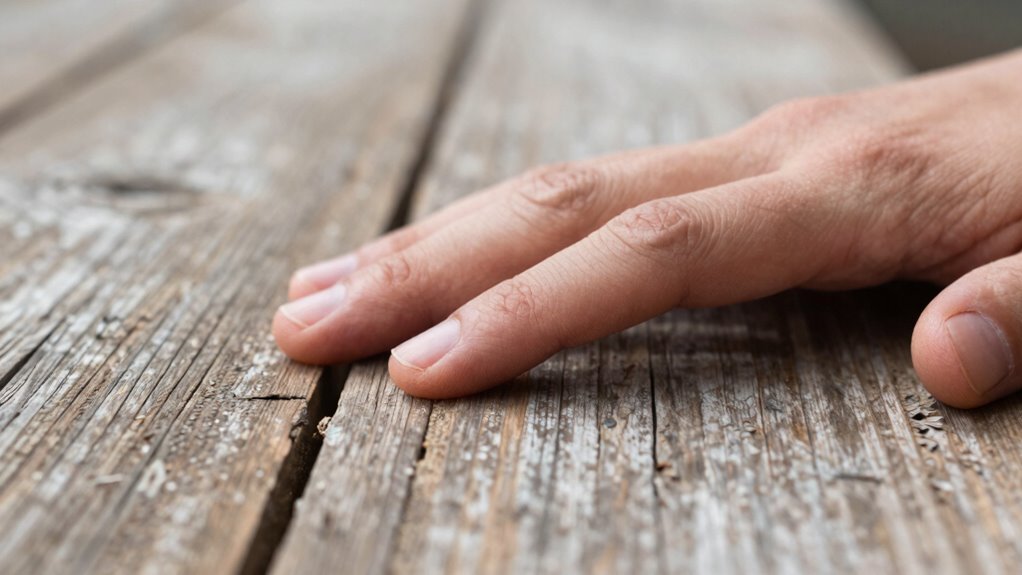
When it comes to personal style, texture often speaks louder than words, catching people’s attention before any compliment is even spoken. It’s the subtle yet powerful element that shapes first impressions, often revealing more about you than the color or cut of your outfit. The way your clothing feels—its fabric feel—and the surface finish play vital roles in how others perceive your overall look. These tactile cues communicate sophistication, comfort, and personality, even when your words haven’t yet entered the conversation.
Think about the fabric feel first. It’s the immediate sensation someone experiences when they touch or see your garment, and it can evoke a range of impressions. Smooth, silky textures suggest elegance and luxury, while rougher, textured fabrics imply durability or a laid-back attitude. When you choose materials with a deliberate fabric feel, you influence how others interpret your style without saying a word. For instance, a well-chosen cashmere sweater feels soft and inviting, signaling both quality and comfort. Conversely, a rugged canvas jacket may project resilience and practicality. Your fabric feel sets the tone and communicates your personality in a way that’s almost subconscious. Recognizing the fabric feel can help you refine your wardrobe choices to better express your personal brand.
Equally important is the surface finish of your clothing. This is what people notice visually—how the fabric’s surface reflects light, its sheen, and whether it’s matte or glossy. A sleek, polished surface finish can give off an air of professionalism and modernity, while a matte or textured finish adds depth and character. The surface finish also influences the perception of quality; a finely finished garment looks more refined and intentional. You can elevate your style simply by paying attention to these details—choosing a fabric with a surface finish that aligns with the message you want to send. Whether it’s the subtle sheen of a silk blouse or the matte finish of a tweed blazer, these surface qualities create a visual texture that complements the tactile experience. Additionally, understanding surface finish can help you select pieces that are more versatile and suited to different occasions. Being aware of texture combinations can further enhance your overall look, making it more cohesive and visually interesting.
Ultimately, the combination of fabric feel and surface finish works together to craft an impression that’s both seen and felt. When you select clothing with attention to these aspects, you’re not just dressing; you’re communicating an unspoken message about your taste, confidence, and personality. People notice these details long before they comment, making texture a silent but powerful tool in your style arsenal. It’s a strategic choice that can set you apart, ensuring you leave a lasting impression rooted in the understated elegance of texture. Paying close attention to both the tactile and visual elements of your clothing can truly enhance your personal style and boost your confidence.
As an affiliate, we earn on qualifying purchases.
Frequently Asked Questions
What Specific Textures Do People Typically Improve First?
You usually start by improving your skin’s smoothness and hydration first. Incorporating natural remedies like honey or aloe vera can help, along with refining your skincare routines to target rough or dull patches. You focus on softer, more even textures, such as eliminating dry patches or roughness. These upgrades boost your confidence before any compliments, making your skin feel healthier and look more radiant with consistent care.
How Long Does a Texture Upgrade Usually Last?
A texture upgrade can last anywhere from several months to a year, depending on your skin care routine and lifestyle. Sun damage and hormonal changes play key roles in how long improvements stay visible. If you protect your skin with sunscreen and manage hormonal fluctuations, your upgraded texture can last longer. Consistent moisturizing and gentle exfoliation also help maintain smoother, healthier skin, extending the effects of your upgrade.
Are Texture Upgrades Suitable for All Skin Types?
Yes, texture upgrades through chemical exfoliation can suit most skin types, but it depends on your skincare routine and skin sensitivity. If you have sensitive or acne-prone skin, opt for gentler formulas and consult a dermatologist. Incorporating chemical exfoliation into your routine can help improve skin texture, but it’s essential to follow recommended guidelines to avoid irritation. Always tailor your skincare routine to your specific needs for the best results.
Can Texture Improvements Be Achieved Naturally or Only With Treatments?
Indeed, you can improve your skin’s texture naturally, much like a Renaissance artist refining a masterpiece. Chemical exfoliation helps shed dead skin cells for smoother skin, while natural remedies like honey and aloe vera hydrate and soothe. Consistent skincare, proper hydration, and a healthy diet can markedly enhance texture over time without treatments. Patience and dedication are key, turning your skin into a work of art, naturally.
What Common Mistakes Should Be Avoided During a Texture Upgrade?
You should avoid overusing heavy makeup techniques that can clog pores and worsen texture. Be cautious with abrasive skincare routines, like harsh scrubs, which can cause irritation and damage. Instead, opt for gentle exfoliation and consistent skincare. Keep your routine balanced, and don’t skip hydration. Staying mindful of these common mistakes helps improve your skin’s texture naturally, making your glow more noticeable without relying solely on makeup tricks.
Conclusion
When you focus on upgrading your texture, you’ll find that people notice long before they commend. Your confidence and attention to detail shine through, making a subtle yet powerful impression. Remember, sometimes it’s the small changes that make the biggest difference—like polishing a gem. Keep refining your style, and you’ll see that the first impression often speaks louder than words. After all, a well-textured look is the secret to standing out in a crowd.
Fall Picks
fall essentials
As an affiliate, we earn on qualifying purchases.