

To choose between face and full-body panels without overspending, consider your budget, needed protection, and desired appearance. Face panels are more affordable, easier to install, and focus on visual appeal, making them ideal for aesthetic upgrades. Full-body panels offer complete coverage but cost more and require more installation effort. Balancing durability, cost, and your goals helps you find the best fit—keep exploring to discover how to make the smartest choice for your project.
Key Takeaways
- Assess whether visual appeal or comprehensive protection is more important for your project needs.
- Consider installation complexity: face panels are quicker and easier, often DIY, saving labor costs.
- Match material durability and environmental resistance to long-term maintenance and replacement expenses.
- Balance upfront costs with longevity: higher-quality panels may cost more initially but reduce future repair expenses.
- Evaluate customization options and aesthetic preferences to ensure the chosen panels meet your design goals within budget.
Face Panels vs. Full-Body Panels: What’s the Difference?
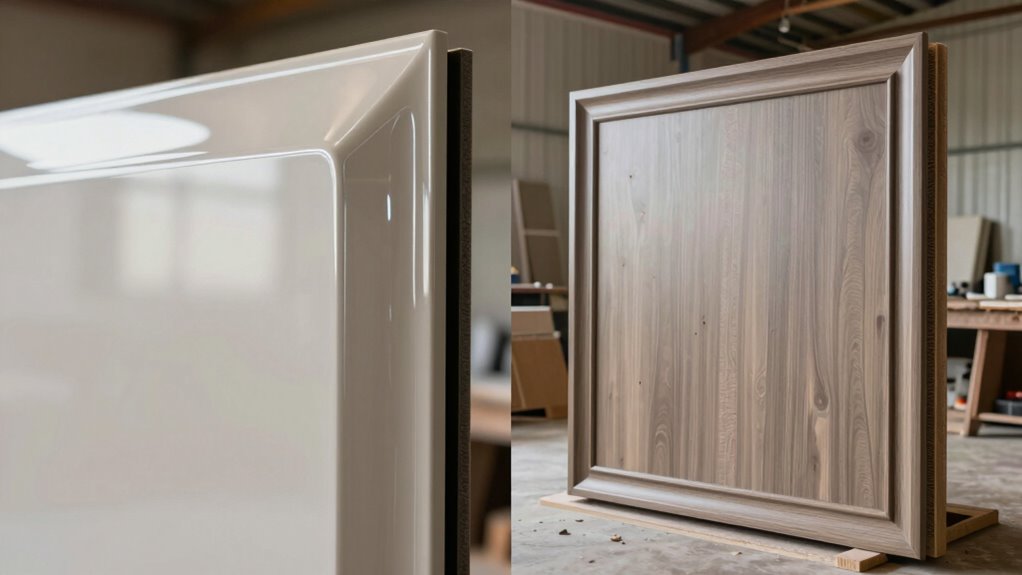
When choosing between face panels and full-body panels, understanding their differences is essential. Face panels are the visible front pieces that cover the equipment or machinery, offering a clean, finished look. Full-body panels, on the other hand, encompass the entire structure, providing protection and insulation around the equipment. Color matching plays a key role in both options, especially if you want a uniform aesthetic. Face panels typically require less installation time because they are smaller and easier to handle. Full-body panels take longer to install due to their size and complexity, but they offer more extensive coverage. Your choice depends on your needs for appearance, protection, and how quickly you want the installation completed. Additionally, considering the Free Floating design can help optimize the aesthetic and functional integration of the panels into your space. Understanding the panel materials involved can further assist in making an informed decision that balances cost, durability, and ease of installation. Selecting panels with the appropriate material properties can also enhance longevity and performance in your specific environment. For example, choosing herbal-infused panel materials could add an extra layer of wellness benefits to your setup.
Key Factors to Consider When Picking Panels for Your Budget
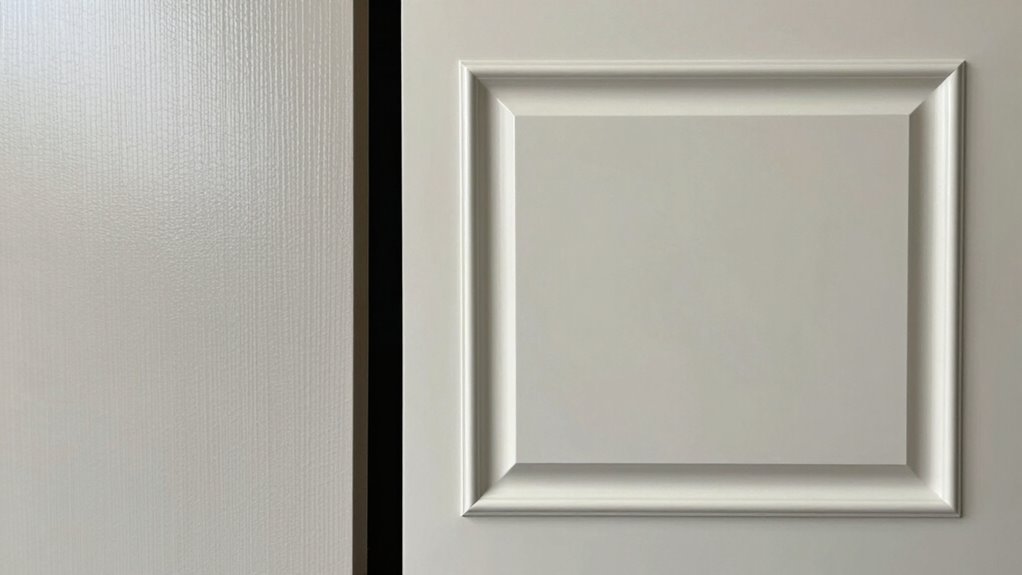
When choosing panels within your budget, you need to weigh material durability against cost to get the best value. Consider how complex the installation will be, as it can impact both time and expenses. Additionally, think about the training techniques involved, since easier-to-install panels can reduce the need for extensive professional help. Ultimately, decide if you prioritize aesthetics or protection, since that choice influences the panel type that suits your needs best. Additionally, understanding accessibility features can help you select panels that accommodate specific needs or restrictions. Recognizing inclusive casting practices can also guide you toward more representative and diverse options that resonate with modern trends. Evaluating data storage options can further ensure your panels align with the necessary data handling and backup requirements for your environment. Moreover, assessing the ethical implications of material sourcing can contribute to making more responsible and environmentally conscious choices.
Material Durability and Cost
Choosing the right panels involves balancing durability with cost, as both factors directly impact your long-term investment. When evaluating material durability, consider how well the paint finish holds up against daily wear and tear. A high-quality finish may cost more initially but can save you money by reducing the need for frequent touch-ups or replacements. Additionally, think about your preferred color options; certain materials offer more vibrant or long-lasting hues, which can influence your overall satisfaction and upkeep costs. Cheaper panels might seem attractive upfront, but they often compromise on durability and aesthetic longevity. Understanding the care and maintenance requirements of different materials can help you select panels that stay looking great over time. Considering the material composition can also provide insights into how well the panels will perform under various conditions. Moreover, researching weather resistance of panel materials can help prevent costly repairs due to environmental damage. Being aware of the installation process can also impact your overall budget and ease of maintenance. Incorporating material testing results into your decision can provide further assurance of a panel’s long-term performance. By weighing these factors carefully, you guarantee your panels not only fit your budget but also stand the test of time, giving you better value over the years.
Installation Complexity Levels
Installation complexity considerably influences both your time and overall costs when selecting panels. Full-body panels often require more extensive work, specialized tools, and multiple installers, increasing installation complexity. Face panels, on the other hand, tend to be simpler and quicker to install, saving you labor costs. Safety considerations are also vital; more complex installations can pose higher risks if not handled properly. Make sure you understand the level of skill needed and whether additional safety measures are necessary. Simple panels might reduce safety concerns and installation time, but complex panels could demand professional expertise. Balancing installation complexity with your budget and safety needs will help you choose panels that are practical and cost-effective without compromising quality. Additionally, considering installation requirements can help you better assess whether your setup will be manageable within your available resources. Being aware of potential infection risks associated with complicated installations can further inform your decision-making process. Being mindful of training and safety protocols can further reduce risks during installation and use. Also, evaluating maintenance and durability can ensure your choice remains reliable over time. Understanding the installation protocols can further streamline the process and minimize unexpected challenges.
Aesthetic Versus Protection
Balancing aesthetics and protection is essential when selecting panels for your project, as each factor impacts both appearance and durability. You need to contemplate your desired aesthetic appeal—whether you want a sleek, modern look or something more traditional—versus the protection level required to withstand environmental elements. If visual impact matters most, face panels often excel with their clean, attractive finish. However, if durability and safeguarding your structure are priorities, full-body panels typically offer a higher protection level, shielding more of the underlying surfaces. Keep in mind that investing in highly protective panels might compromise aesthetic appeal, so weigh these factors carefully. Additionally, understanding vinyl cutter settings can help you customize panels for specific design outcomes. For example, selecting the right panel type can also depend on the environmental conditions, which influence longevity and performance. When choosing panels, consider installation methods as they can affect both the cost and the final look of your project. Proper material selection is crucial to ensure your panels meet both aesthetic and protective needs, especially in challenging settings. It’s also important to consider panel maintenance to extend the lifespan and keep the appearance intact over time. Ultimately, your choice depends on your budget, style preferences, and the specific protection needs of your project.
Pros and Cons of Face Panels for Budget-Friendly Upgrades

Face panels are an affordable way to refresh your vehicle’s appearance without the hefty price tag of full-body replacements. They offer a quick boost to your car’s aesthetic appeal, making it look newer and maintained. One of their main advantages is installation ease—you can often replace them yourself or with minimal professional help, saving money. Additionally, selecting the right cabling solutions can ensure a seamless and durable fit. Properly matching vehicle paint is crucial to achieve a cohesive look and avoid color mismatches. However, there are some drawbacks. Face panels focus only on specific areas, so they might not provide the same level of protection or uniform look as full-body panels. Additionally, matching the color and finish can be tricky, especially if your vehicle has aged paint. While budget-friendly and simple to install, face panels are best suited for minor repairs or aesthetic upgrades, not for exhaustive restoration.
When Are Full-Body Panels the Right Choice: and How to Budget for Them
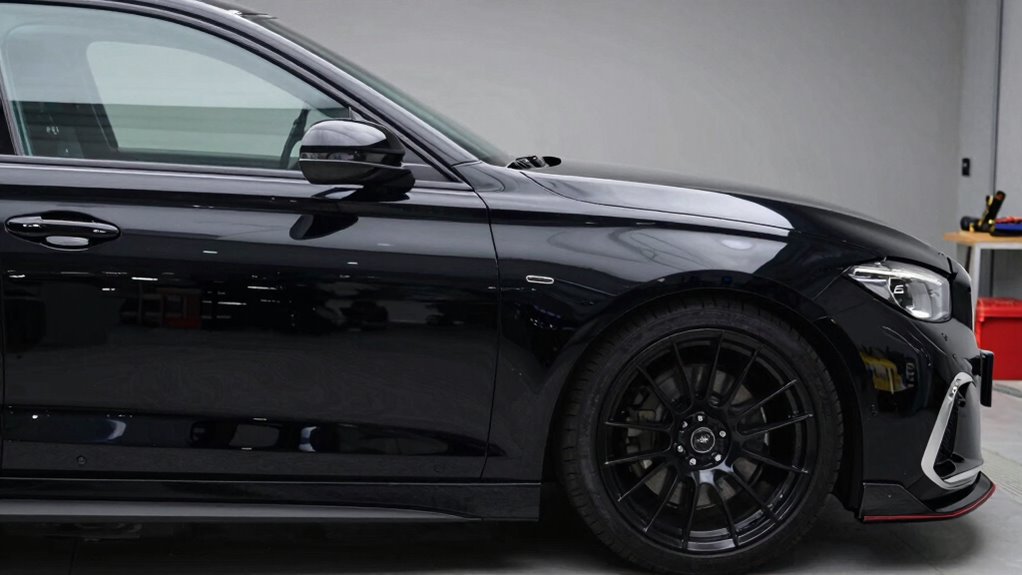
Full-body panels are the best choice when you’re dealing with extensive damage or restoring the entire vehicle’s look. To stay on budget, plan ahead by comparing costs, researching options, and setting aside funds early. Knowing when to choose full-body panels helps you make smart decisions without overspending.
When to Opt for Full-Body
Deciding when to choose full-body panels depends on the scope of your repair and your budget. If your vehicle has extensive damage or multiple panels need replacement, opting for full-body panels can be more efficient and cost-effective. Full-body panels allow for seamless panel customization, giving you a uniform look without mismatched sections. They also simplify color matching, reducing the risk of subtle differences in paint shades. If you want a smoother, more cohesive appearance or plan to resell your vehicle later, full-body panels make sense. However, they come with higher upfront costs, so weigh the benefits of a professional, flawless finish against your budget constraints. Ultimately, choose full-body panels when the damage is extensive or when you value a consistent, high-quality appearance.
Budgeting Strategies for Panels
Choosing the right time to invest in full-body panels depends on your repair needs and budget. To optimize costs, consider factors like panel customization options and warranty coverage. Full-body panels often provide a seamless look and better durability, making them a smart choice for high-impact repairs. Budgeting effectively involves understanding the costs associated with materials, labor, and potential aftermarket warranties. Here’s a quick overview:
| Factor | Consideration | Impact on Budget |
|---|---|---|
| Panel customization | Tailored fit or finish | Could increase costs |
| Warranty coverage | Extended warranties reduce future expenses | Adds upfront cost |
| Repair scope | Full-body vs. partial repairs | Affects overall budget |
Smart Tips to Save Money Without Sacrificing Quality

Saving money on panels doesn’t mean you have to compromise on quality. A smart way to save is by choosing panels with custom finishes that match your style without the added cost of extensive customization later. This reduces the need for costly updates or replacements. Also, invest in quality installation tools; using the right tools ensures a proper fit and finish, which minimizes errors and rework. Planning ahead and doing thorough research helps you select durable panels that last longer, avoiding frequent replacements. Comparing prices from different suppliers and opting for bulk or package deals can cut costs without sacrificing quality. Remember, focusing on reputable brands and materials ensures your investment remains sturdy and attractive over time. These simple steps keep your project budget-friendly and high-quality.
How to Choose the Best Panels for Your Needs and Next Steps
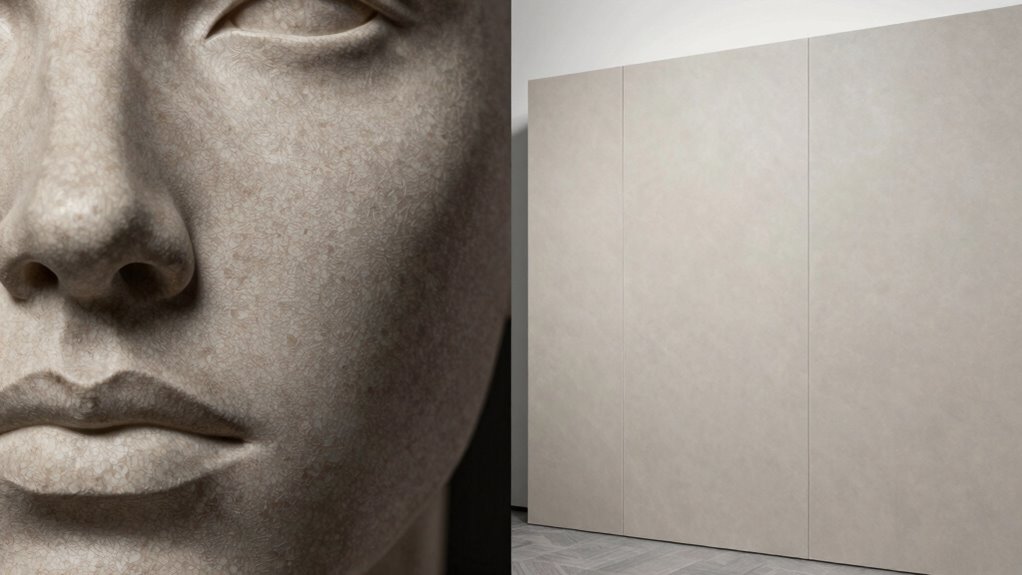
Selecting the right panels starts with evaluating your specific needs and the environment where they’ll be installed. Consider whether you need panels that can be customized for size or design—panel customization options can help tailor the look to your space. Think about maintenance considerations too; some panels require regular cleaning or special treatments, while others are low-maintenance. If durability and easy upkeep matter most, full-body panels might be better. On the other hand, if you prefer flexibility and simpler installation, face panels could be ideal. Next, check your budget to balance quality with cost. By weighing these factors—customization options, maintenance needs, and your environment—you can confidently choose panels that meet your needs without overspending. Once decided, plan your next steps for installation or further customization.
Frequently Asked Questions
How Long Does Installation Typically Take for Each Panel Type?
Installation time varies based on panel complexity, but generally, face panels take about 1 to 2 hours to install, as they are simpler and smaller. Full-body panels usually require 2 to 4 hours because of their larger size and more intricate installation process. Your actual installation time might differ depending on your experience, tools available, and specific wall conditions. Planning for these timeframes helps you avoid overspending on unnecessary labor.
Are There Specific Brands Recommended for Quality and Affordability?
For quality and affordability, you should consider brands like Abody, BrightBody, and FlexiPanels. These brands offer reliable options that won’t break the bank, making them ideal for budget-conscious buyers. Look for reviews and ratings to make sure you’re getting good value. Comparing prices across these brands helps you find the best affordability options. Ultimately, choose a brand that combines quality, affordability, and the specific features you need for your project.
Can Panels Be Customized to Match Vehicle Color and Style?
You can definitely customize panels to match your vehicle’s color and style. It’s like fitting a glove—color matching is key, and many suppliers offer options for precise shade matching or custom paint jobs. For style customization, you can choose from various finishes, textures, and designs to suit your taste. Just remember, the more tailored your panels are, the better they’ll blend seamlessly with your vehicle’s overall look.
What Maintenance Is Required for Different Panel Types?
You need to regularly clean your panels to keep them looking good and prevent dirt buildup. For face panels, gentle washing with soap is enough, while full-body panels might need more thorough cleaning. Repair costs vary: face panels are usually cheaper to fix, but full-body panels can be more expensive if damaged. Proper maintenance reduces repair costs and extends your panels’ lifespan, so stay consistent with cleaning and inspections.
How Do Panel Warranties Vary Between Face and Full-Body Options?
Imagine choosing a car’s insurance; the same applies to panel warranties. Face panels often come with shorter warranty coverage, protecting against surface defects, while full-body panels usually have extended coverage for panel longevity. You might find a full-body warranty lasts several years, offering peace of mind, whereas face panel warranties are more limited. Your choice depends on how much protection you want and your budget for potential repairs.
Conclusion
Choosing between face and full-body panels depends on your goals and budget. For instance, imagine upgrading your car’s look with just a sleek face panel—cost-effective and quick—versus investing in full-body panels for a complete transformation. By weighing pros, cons, and tips to save, you can make a smart choice without overspending. Ultimately, selecting the right panels helps you achieve the perfect balance of style and savings for your project.