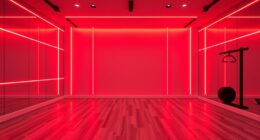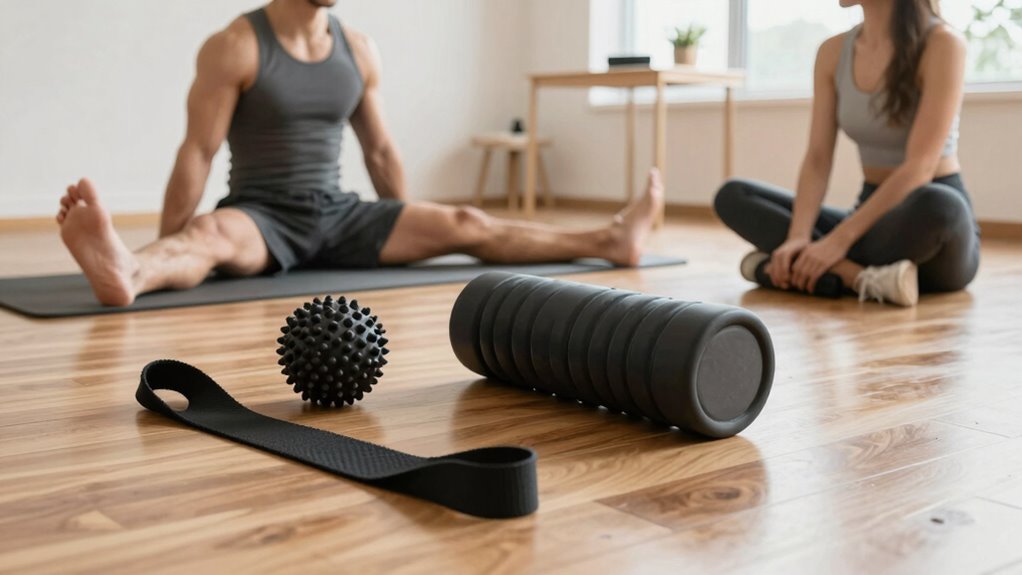

Full-body recovery setups appeal to you because they help maximize muscle repair and reduce soreness after workouts, keeping you on track with your fitness goals. For desk workers, these setups counteract effects of prolonged sitting, improve posture, and reduce stiffness. They also promote mental relaxation with calming lighting and soothing music. By creating an organized, comfortable space, you can support both physical and mental well-being. Keep exploring to discover how these setups can transform your recovery routine.

Get wellness gear delivered free — and shop member deals
- Fast, free delivery on millions of items
- Access to Prime Big Deal Days deals on October 6–7
- Prime Video, Amazon Music and more included
Key Takeaways
- They promote efficient muscle repair and flexibility for athletes and reduce stiffness for desk workers.
- Full-body setups support holistic physical and mental relaxation, enhancing overall well-being.
- Ergonomic accessories improve posture, comfort, and prevent injuries for both active individuals and seated workers.
- Organized recovery tools encourage consistent routines, boosting recovery outcomes and productivity.
- Incorporating relaxation techniques and technology creates a calming environment that reduces stress and improves adherence.
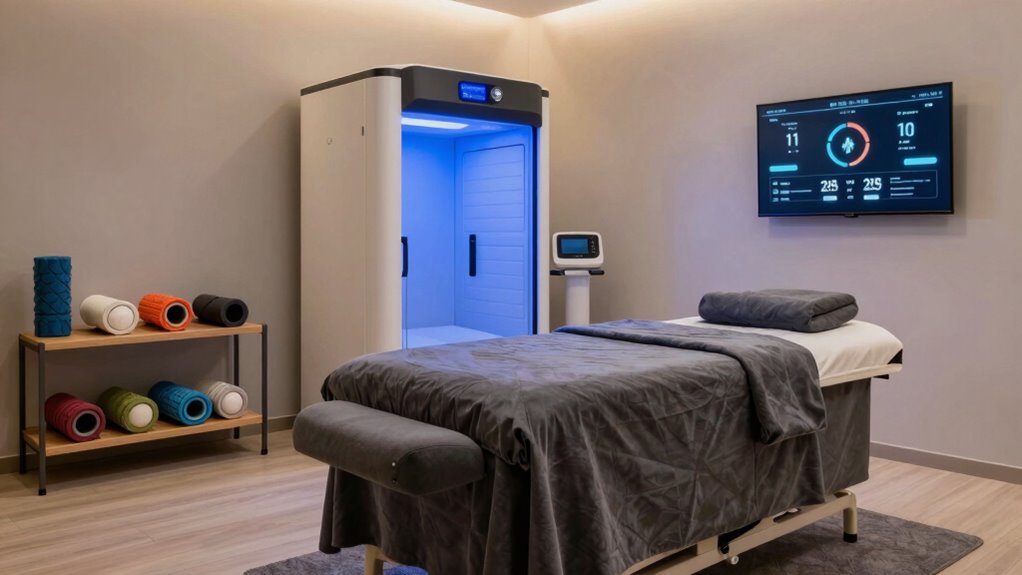
After an intense workout, your body needs proper recovery setups to repair muscles and reduce soreness efficiently. Full-body recovery setups are gaining popularity because they address both physical and mental needs. When you invest in ergonomic accessories, you create a space that promotes proper posture and reduces strain, which is crucial for recovery. For example, adjustable foam rollers, supportive cushions, and ergonomic chairs help you stay comfortable during stretching or relaxation routines. These accessories ensure your muscles aren’t overstressed, preventing further injury and speeding up healing. Incorporating ergonomic accessories into your recovery space enhances comfort and effectiveness.
Mental relaxation plays a vital role in effective recovery, especially after demanding physical activity. A well-designed recovery area encourages calm and focus, reducing stress hormones that can hinder muscle repair. Incorporating elements like calming lighting, soothing music, or aromatherapy can enhance your mental relaxation. When you feel relaxed, your body produces fewer stress hormones, which can otherwise slow down the recovery process. Creating a dedicated space that fosters mental calmness makes it easier to stick to your recovery routines, whether that means meditation, stretching, or gentle movement. Additionally, integrating mindfulness techniques can further support mental and physical recovery by promoting a sense of balance and reducing anxiety during rest periods. Recognizing the importance of recovery tools can help optimize your routine for better results. Including biomechanical support can further improve the effectiveness of your recovery routines by ensuring proper alignment and reducing strain.
Full-body recovery setups appeal to athletes because they maximize efficiency. Instead of scattered routines focusing on isolated muscles, these setups offer a comprehensive approach. You can incorporate tools like massage guns, foam rollers, and stretching mats into a single space, making it easier to perform a full-body routine. This holistic approach not only speeds up muscle recovery but also improves flexibility and overall performance. Athletes often find that consistent use of a well-organized recovery setup reduces injury risk and enhances their training results. Moreover, having a dedicated space encourages consistency and discipline in maintaining recovery habits.
Desk workers, on the other hand, are drawn to these setups because they provide a way to counteract the negative effects of prolonged sitting. Sitting all day can cause stiffness, poor posture, and muscle imbalance. A full-body recovery setup, with ergonomic accessories tailored for desk workers, helps alleviate these issues. Think adjustable sit-stand desks, lumbar supports, and ergonomic footrests that encourage movement and proper alignment. Incorporating relaxation techniques like deep breathing or mindfulness exercises into your recovery routine helps reduce mental fatigue and stress, which are common in demanding work environments. These practices can significantly improve focus and overall well-being during the workday. Utilizing smart home technology, such as automated lighting or voice-controlled devices, can further enhance the comfort and functionality of your recovery space, making it easier to integrate these practices into your daily routine.
Ultimately, full-body recovery setups appeal to both athletes and desk workers because they blend physical care with mental well-being. They create a space that’s efficient, comfortable, and focused on holistic recovery. By integrating ergonomic accessories and mental relaxation strategies, you’re not just repairing your body—you’re fostering a healthier, more balanced lifestyle. This comprehensive approach ensures you can perform at your best, whether you’re pushing your limits at the gym or sitting at a desk for hours.
As an affiliate, we earn on qualifying purchases.
Frequently Asked Questions
How Long Should I Use a Full-Body Recovery Setup Daily?
You should use a full-body recovery setup for about 15 to 30 minutes daily, depending on your needs. Focus on equipment durability to guarantee it withstands regular use and maintains safety, while prioritizing user comfort to maximize benefits. Consistent use helps reduce tension and improve recovery, but avoid overdoing it to prevent strain. Listen to your body and adjust the duration for ideal results.
Are There Any Risks Associated With Improper Setup Use?
Imagine your recovery setup as a delicate dance—improper moves can lead to injury instead of relief. Yes, there are risks with improper setup use, mainly if you ignore equipment safety or push beyond your limits. To prevent injury, always follow manufacturer guidelines, guarantee proper alignment, and listen to your body. When used correctly, your recovery routine becomes a safe, effective dance partner, promoting healing without harm.
Can Full-Body Recovery Setups Replace Professional Physiotherapy?
Full-body recovery setups can’t fully replace professional physiotherapy, but they serve as valuable Physiotherapy alternatives for ongoing recovery and maintenance. Recovery technology, like massage chairs or compression devices, helps ease muscle tension and boost circulation, complementing traditional treatments. However, for specific injuries or complex issues, consulting a physiotherapist is essential. These setups are great for regular use, but they shouldn’t replace expert guidance when serious conditions arise.
What Is the Average Cost of a Complete Recovery Setup?
A complete recovery setup costs around $1,000 to $3,000, depending on your equipment choices. You should consider a cost comparison to guarantee you’re getting value for money. Investing in durable equipment with good longevity saves you money over time. While initial costs might seem high, quality gear tends to last longer, making your recovery routines more effective and economical in the long run.
How Quickly Can I Expect to See Benefits From Using One?
You might start noticing benefits from using a full-body recovery setup within a few weeks, especially with consistent use. Recovery techniques like proper stretching, foam rolling, and massage can reduce muscle soreness and improve flexibility. Over time, you’ll likely see injury prevention benefits, as these setups help maintain your body’s health and resilience. Regular use maximizes these advantages, making it easier to stay active and avoid setbacks.
Conclusion
So, next time you’re feeling sore from that intense workout or long day at your desk, remember—your full-body recovery setup is just a few taps away. Ironically, while you sit there avoiding movement, your ideal recovery station is waiting to transform your fatigue into freshness. It’s almost comical how a simple setup can turn the tables—making rest feel like a workout itself. Who knew that taking it easy could be the ultimate active recovery?
Fall Picks
fall essentials
As an affiliate, we earn on qualifying purchases.