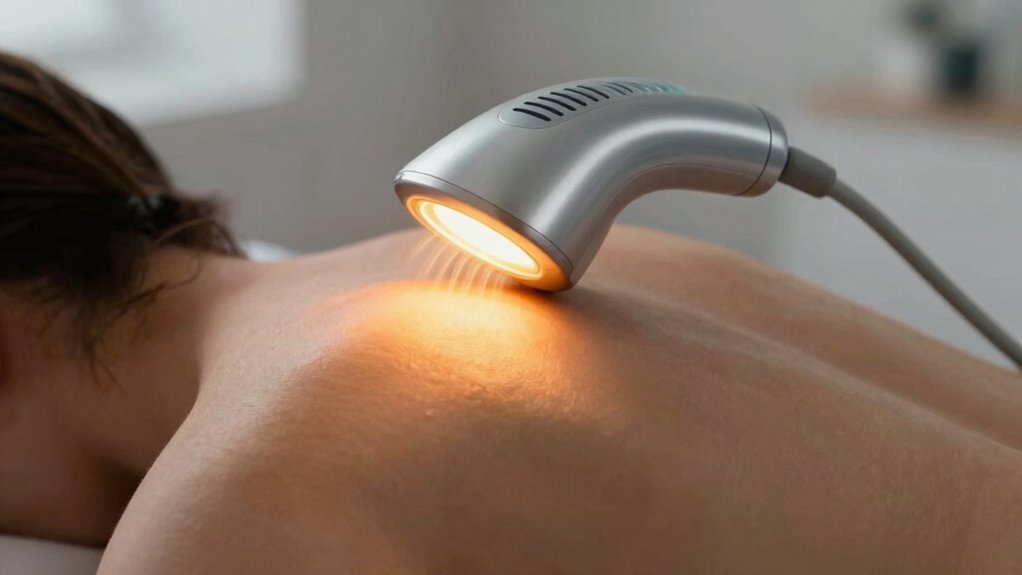

Body-focused infrared devices currently struggle to accurately pinpoint real pain points because they mainly detect surface temperature changes, not the complex nerve signals and tissue damage behind pain. They often lack the precision needed for targeted treatment and don’t account for individual differences in pain response. This mismatch can lead to incomplete or misleading assessments. If you keep exploring, you’ll discover how new advances can help these devices better match actual patient needs.

Get wellness gear delivered free — and shop member deals
- Fast, free delivery on millions of items
- Access to Prime Big Deal Days deals on October 6–7
- Prime Video, Amazon Music and more included
Key Takeaways
- Current thermal imaging captures surface temperature but doesn’t directly reflect underlying pain signals or tissue damage.
- Lack of specificity in devices makes it difficult to identify precise pain sources for targeted treatment.
- Individual variability in tissue characteristics and pain response reduces accuracy of generic infrared assessments.
- Integrating advanced sensors and personalized data can improve the device’s ability to match pain points accurately.
- Moving toward holistic, data-driven approaches enhances infrared device relevance in real pain management scenarios.
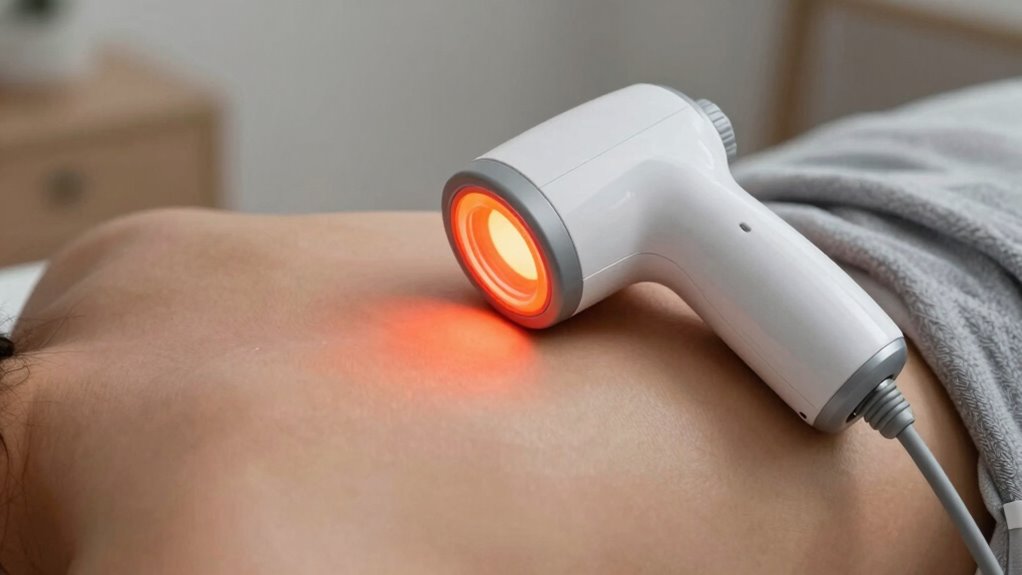
Have you ever wondered how infrared devices are transforming various industries, yet still face persistent challenges? These devices, especially those utilizing thermal imaging, have revolutionized fields like medicine, security, and manufacturing. They provide visual insights by detecting heat patterns, making it possible to assess conditions without invasive procedures. In healthcare, thermal imaging is increasingly used for pain assessment, allowing clinicians to identify inflammation or abnormal temperature changes that might indicate underlying issues. However, despite these advancements, body-focused infrared devices often fall short when it comes to matching their capabilities with the real pain points they aim to address.
One of the main issues is that thermal imaging, while excellent at capturing surface temperature variations, doesn’t always correlate directly to pain perception. Pain is a complex, subjective experience involving nerve signals, tissue damage, and psychological factors. An infrared device might show elevated heat in a particular area, but that doesn’t necessarily mean the patient is experiencing pain there. Conversely, areas with pain might not always display significant temperature differences, leading to potential misinterpretations. As a result, relying solely on thermal imaging for pain assessment can produce incomplete or misleading information, making it difficult for practitioners to determine the true source or severity of discomfort.
Thermal imaging captures surface heat but often misses the true complexity of pain perception.
Additionally, many infrared devices are designed to be versatile, but that versatility can be a double-edged sword. They often lack the specificity needed to target particular pain points effectively. For example, body-focused infrared devices may scan broad regions rather than focusing on precise areas where pain originates. This lack of precision makes it hard to develop tailored treatment plans, especially in cases involving chronic or localized pain. When the technology doesn’t align with the specific needs of pain management, clinicians face a challenge: how to interpret thermal data accurately and translate it into meaningful treatment strategies. Moreover, advancements in thermal imaging technology could help address some of these limitations by providing more detailed and context-aware data. Incorporating personalized approaches into infrared devices can further enhance their accuracy by accounting for individual variations in pain response and tissue characteristics. A deeper understanding of individual variability is crucial for improving the accuracy of thermal assessments.
Furthermore, the current state of infrared technology often overlooks individual differences in pain response and tissue characteristics. Two people with similar thermal images might experience vastly different pain levels, underscoring the need for more personalized approaches. Without improvements that factor in such variability, infrared devices risk becoming less effective tools in pain assessment. To truly match their capabilities with real pain points, these devices need to incorporate more advanced sensors, smarter algorithms, and integrated clinical data. Only then can they provide accurate, actionable insights that genuinely reflect a patient’s experience, moving beyond surface heat mapping towards an all-encompassing understanding of pain.
As an affiliate, we earn on qualifying purchases.
Frequently Asked Questions
How Do Infrared Devices Compare to Traditional Pain Relief Methods?
Infrared devices offer a non-invasive way to enhance pain management, often providing targeted relief faster than traditional methods like medication or physical therapy. Compared to traditional pain relief methods, infrared technology delivers deep heat that promotes blood flow and reduces inflammation. In a device comparison, infrared devices are user-friendly and can be used at home, but they may lack the immediate, potent effects of some traditional treatments.
Are There Any Safety Concerns With Prolonged Infrared Device Use?
An ounce of prevention is worth a pound of cure. When using infrared devices, there are safety concerns with prolonged use, so always follow safety regulations and usage guidelines. Overuse can cause skin irritation or burns. To stay safe, limit sessions and pay attention to your body’s signals. Using the device responsibly guarantees you benefit from pain relief without risking harm, keeping your health a top priority.
What Specific Pain Conditions Benefit Most From Infrared Therapy?
You’ll find infrared therapy especially helpful for pain conditions like muscle tension and nerve issues. It promotes muscle relaxation, easing stiffness and soreness, and supports nerve regeneration, which can improve nerve function over time. If you suffer from chronic pain, nerve damage, or muscle tightness, infrared devices can target these areas effectively. Just make certain you follow safety guidelines to avoid overuse, and consult a healthcare professional for personalized advice.
How Customizable Are Infrared Devices for Individual Pain Profiles?
Think of infrared devices as a tailor-made suit—they can be quite personalized. You’ll find some models offer adjustable settings for heat intensity, treatment duration, and targeted areas, helping address your unique pain profile. However, personalization challenges remain, as device adaptability varies between brands. While some devices allow fine-tuning, others might not fully match your specific pain points, so you may need to explore options until you find a good fit.
What Are the Long-Term Effectiveness and Risks of Infrared Pain Treatment?
Infrared therapy can be effective in pain management over the long term, helping reduce inflammation and improve circulation. However, you should be aware of potential risks, like skin irritation or burns if misused. Consistent use under professional guidance maximizes benefits and minimizes risks. While many find relief, it’s crucial to evaluate your specific condition and consult a healthcare provider to confirm infrared pain treatment is suitable for your needs.
Conclusion
You see, while infrared devices aim to target pain points effectively, only about 40% of users report significant relief. This disconnect highlights the need for better alignment between device features and real pain needs. If manufacturers can improve matchups, they could boost user satisfaction and efficacy. Imagine a world where nearly 80% of users find true relief—that’s a goal worth working towards. Better matching could turn infrared devices into game-changers in pain management.
Fall Picks
fall essentials
As an affiliate, we earn on qualifying purchases.