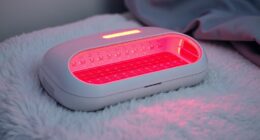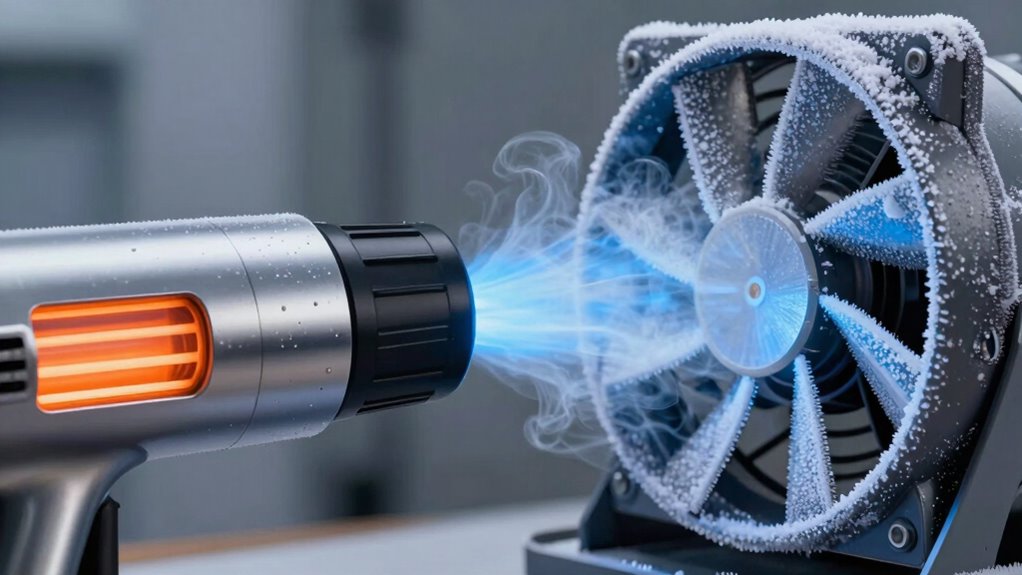
Switching between heat and cold devices too quickly can backfire by causing tissue damage, such as burns or frostbite, and disrupting the healing process. Rapid temperature changes increase stress on your skin, tissues, and the device itself, risking malfunctions. To get the most benefit and stay safe, you need to shift gradually and follow proper guidelines. Keep exploring to learn the best ways to use your therapy devices effectively and safely.
Key Takeaways
- Rapid temperature changes can cause thermal shock, damaging device components and reducing lifespan.
- Fast switching may lead to tissue stress, increased pain, or burns due to insufficient adaptation time.
- Sudden shifts disrupt device calibration, causing inaccurate temperature regulation and potential safety issues.
- Quick transitions hinder proper healing by preventing tissues from stabilizing, delaying recovery.
- Repeated rapid changes can weaken device materials, increasing the risk of cracks, malfunctions, and safety hazards.
How Heat and Cold Therapy Help Injury Recovery
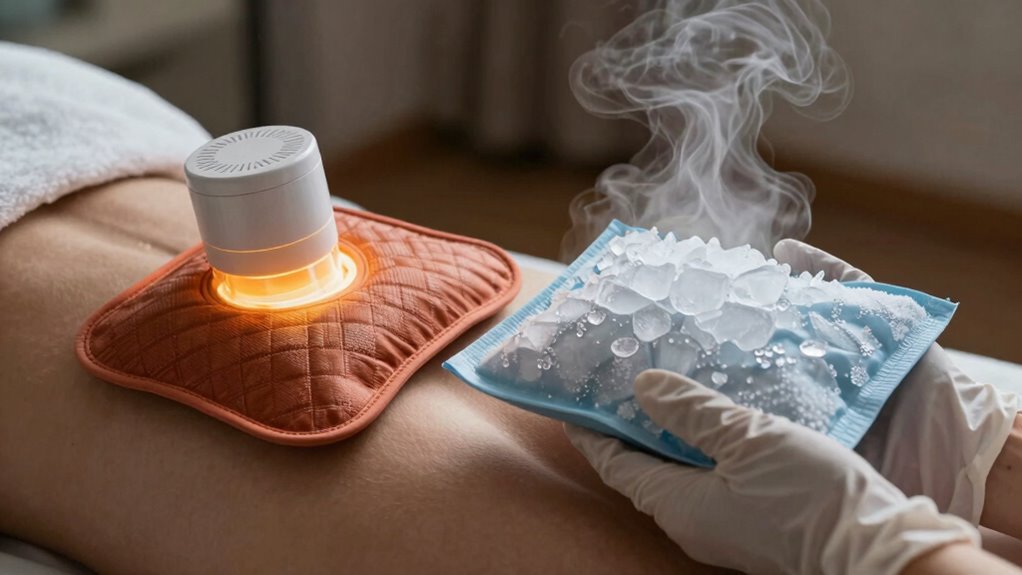
Heat and cold therapy are effective tools for managing injury recovery. When used correctly, they promote muscle relaxation and pain relief, helping you move more comfortably. Applying heat increases blood flow, which relaxes tense muscles and accelerates healing. It also soothes aches, reducing overall pain. Cold therapy, on the other hand, constricts blood vessels, decreasing inflammation and numbing nerve endings to dull pain. This makes cold ideal for initial injury stages, reducing swelling and preventing further damage. By switching between heat and cold appropriately, you can optimize your recovery process. Always listen to your body and follow recommended durations, but know that combining these therapies helps target different aspects of pain and muscle tension, supporting a faster, more comfortable healing experience. Incorporating proper technique and understanding when to use each method can significantly improve your recovery outcomes. Additionally, understanding the body’s response to temperature can help prevent overuse and adverse effects during treatment. Being aware of thermoregulation can also enhance safety and effectiveness during therapy sessions. Recognizing individual variation in response is crucial to tailoring therapy and avoiding potential discomfort or harm. Being mindful of body temperature regulation can further ensure safe application of heat and cold treatments.
Best Practices for Using Heat and Cold Devices Safely
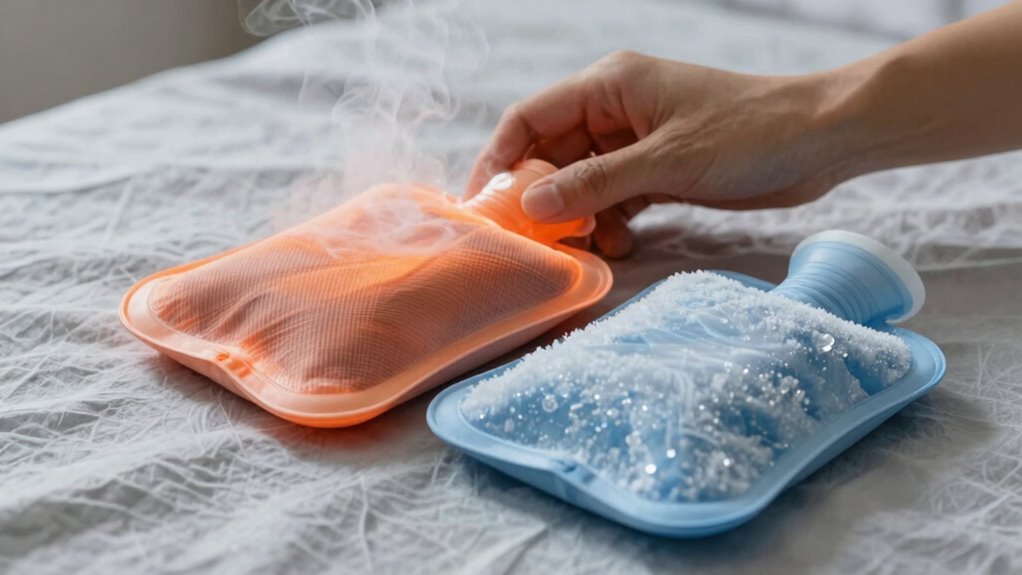
Using heat and cold devices safely is key to maximizing their benefits while avoiding injury. Always verify your device is properly calibrated to deliver consistent temperature regulation. Incorrect calibration can lead to temperatures that are too high or too low, increasing the risk of burns or frostbite. Before applying, check the device’s settings and test its temperature on your skin or a barrier like a towel. Limit treatment sessions to recommended durations—usually 15-20 minutes—and take breaks between applications. Never use devices on damaged skin or areas with poor circulation. Keep the device clean and follow the manufacturer’s instructions carefully. Proper calibration and temperature regulation help you use heat and cold therapy effectively and safely, preventing complications and ensuring a positive recovery experience. Additionally, proper device calibration ensures consistent and safe treatment, reducing the risk of adverse effects. To ensure safety, regularly check that your device maintains accurate temperature settings and functions properly throughout use. Maintaining correct calibration is essential for consistent therapy, which can improve outcomes and minimize risks. Regularly inspecting your device can also prevent malfunctions that might cause injury. Moreover, understanding the appropriate treatment durations for each device type can help prevent overexposure and adverse reactions.
Risks of Switching From Heat to Cold Too Quickly

Switching from heat to cold too quickly can cause thermal shock, damaging your device or system. Rapid changes put stress on materials and components, increasing the risk of malfunctions. To avoid costly repairs or safety issues, it’s essential to control the shift carefully. Understanding regional flavors and how different materials respond to temperature changes can help in managing these transitions more safely. Being aware of thermal expansion and contraction properties can further aid in preventing damage during temperature shifts. Additionally, recognizing the material compatibility of your devices can make a significant difference in ensuring safe temperature transitions, especially considering the advanced filtration systems that may be sensitive to abrupt temperature variations. Proper temperature regulation techniques can greatly reduce the likelihood of device failure during these adjustments.
Thermal Shock Risks
Rapidly shifting from hot to cold temperatures can cause significant damage to your body or devices. Thermal shock occurs when rapid temperature changes cause materials to expand or contract suddenly, risking cracks or misalignment. For devices, this can lead to issues like:
- Thermal expansion stress, which can warp or crack components if the change is too quick.
- Disrupted device calibration, resulting in inaccurate readings or malfunction.
- Increased risk of internal stress, potentially causing structural failure over time.
- Thermal stress management techniques can help mitigate these risks by allowing materials and tissues to adapt gradually. Additionally, understanding thermal properties of materials can guide safer temperature transitions. Being aware of material behavior under different temperature conditions is crucial for preventing damage. Incorporating thermal conductivity knowledge can further optimize the rate of temperature change to prevent stress buildup.
In your body, rapid temperature shifts may cause tissue damage or nerve discomfort. To prevent these risks, always allow sufficient time for gradual temperature progression or change, reducing strain caused by sudden thermal expansion or contraction.
Material Stress Factors
When you expose a material to sudden temperature changes from hot to cold, it experiences significant stress that can compromise its integrity. Rapid cooling causes uneven thermal contraction, leading to thermal expansion mismatches within the material. Over time, this stress accelerates material fatigue, weakening its structure and increasing the risk of cracks or fractures. Repeated cycles of thermal expansion and contraction weaken bonds, making the material more susceptible to failure. If you switch from heat to cold too quickly, you prevent the material from gradually adapting, amplifying these stress factors. Understanding how thermal expansion and material fatigue interact helps you avoid damaging your devices. Slow, controlled temperature transitions allow the material to adjust safely, preserving its strength and longevity. Additionally, considering material stress factors can help you develop better strategies for managing temperature changes. Recognizing thermal shock as a critical failure mode can guide you in designing more resilient nanostructures. Employing gradual temperature changes can significantly reduce the risk of damage and extend device lifespan, especially when materials are susceptible to thermal stress.
System Malfunction Potential
Exposing a device to sudden temperature drops from hot to cold can cause immediate system malfunctions. Rapid cooling stresses internal components, risking misalignment or damage. This can compromise device calibration, leading to inaccurate readings or improper operation. To mitigate risks, consider these factors:
- Thermal Shock Damage: Sudden temperature changes can crack or deform sensitive parts.
- Calibration Drift: Rapid cooling may disrupt precise measurements, requiring recalibration.
- Operational Failures: Malfunctions can cause devices to shut down unexpectedly or behave unpredictably.
- Proper Transition Techniques: Gradually switching between heat and cold helps prevent damage and maintains device integrity.
- Understanding Thermal Tolerance: Being aware of a device’s thermal limits can guide safer temperature transitions and prevent unintended malfunctions.
Being mindful of these risks helps ensure both device longevity and user safety when switching between heat and cold.
Signs You’re Overdoing It With Heat and Cold Therapy

If you notice persistent discomfort or increased pain, it could mean you’re overdoing heat or cold therapy. Skin redness, blisters, or burns are signs of damage that shouldn’t be ignored. Additionally, worsening inflammation or swelling might indicate you need to cut back and give your body a break.
Persistent Discomfort Signals
Persistent discomfort or increased pain after applying heat or cold therapy is a clear sign you’re pushing your limits. If you notice ongoing muscle tension or heightened nerve sensitivity, it’s time to reassess. Here are key indicators:
- You experience lingering pain that worsens with continued treatment, not relief.
- You feel heightened nerve sensitivity, like sharp or burning sensations, after therapy sessions.
- Muscle tension remains or intensifies instead of relaxing, signaling overstimulation.
These signals suggest your body is reacting negatively, and overdoing it can cause more harm than good. Pay attention to these signs, and don’t ignore persistent discomfort. Proper application means listening to your body and stopping when signals of overexertion appear.
Skin Damage Risks
While recognizing signs of discomfort is important, overusing heat or cold therapy can lead to skin damage. You might notice skin irritation, redness, or even blistering if you push too hard or leave devices on too long. Device malfunction can also cause uneven temperature, increasing the risk of burns or frostbite. Pay attention to these warning signs to prevent serious injury. Use the table below to identify common risks and their causes:
| Risk | Cause |
|---|---|
| Skin irritation | Excessive exposure or friction |
| Burns or frostbite | Prolonged contact or malfunction |
| Redness and swelling | Overuse or high settings |
| Blistering | Sharp temperature fluctuations |
| Delayed healing | Skin damage from repeated use |
Always follow device instructions and monitor your skin closely.
Increased Inflammation Indicators
Using heat or cold therapy beyond recommended durations can lead to increased inflammation, which often signals that you’re overdoing it. You might notice inflammation markers like swelling, tenderness, or redness intensifying instead of improving. When you switch between alternating temperatures too quickly, your body can react negatively. Watch for these signs:
- Persistent swelling or warmth around the treated area
- Increased pain or tenderness that lasts longer than expected
- Visible redness or discoloration indicating heightened inflammation
These indicators suggest your body is responding to overuse rather than healing. Paying attention to inflammation markers helps prevent further injury. Slowing down or adjusting your therapy duration ensures you’re benefiting from temperature treatments without triggering harmful inflammation.
Why Fast Switching Can Worsen Inflammation and Delay Healing
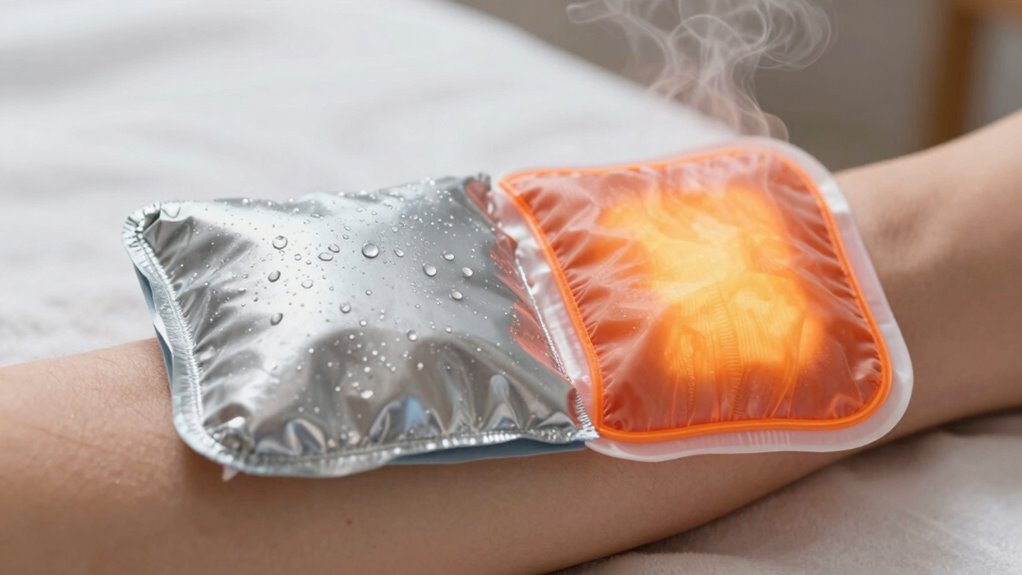
Rapid switching between heat and cold can actually make inflammation worse and slow down your healing process. When you switch too quickly, you create a thermal imbalance in your tissues. This constant fluctuation prevents your body from stabilizing the affected area, hindering the natural healing response. Instead of promoting recovery, frequent shifts can prolong inflammation and cause additional tissue stress. The inconsistent temperature changes confuse your body’s signals, leading to a recovery delay. To support healing, it’s better to allow each treatment to work fully before switching. This steady approach helps maintain a balanced thermal environment, reducing strain on your tissues and fostering more effective inflammation reduction. Avoid rapid cycling to prevent worsening inflammation and ensure your body heals efficiently.
How to Gradually Transition Between Heat and Cold for Better Results
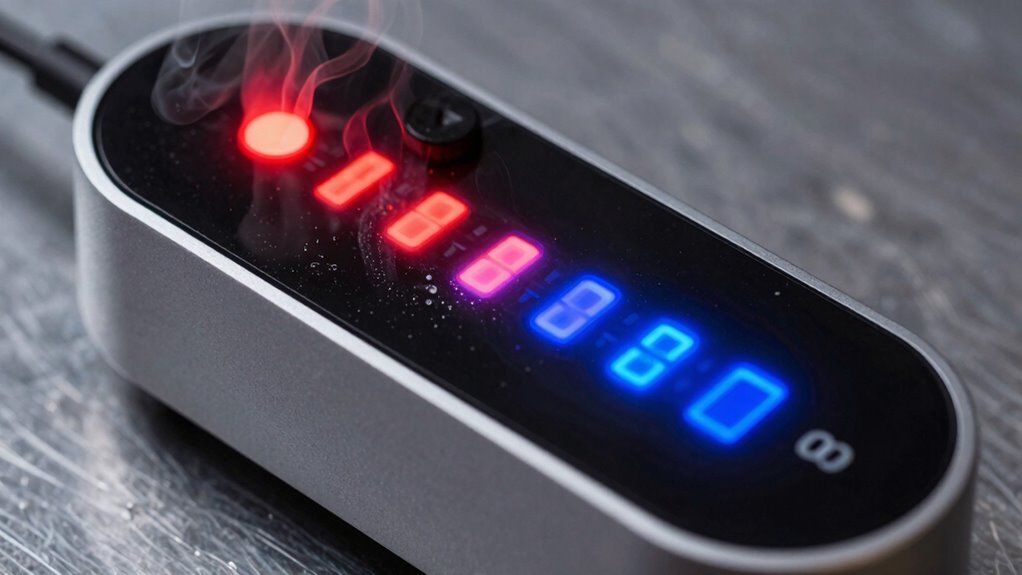
Switching between heat and cold treatments too quickly can hinder your healing process, so it’s important to approach these therapies carefully. To minimize adverse effects from temperature fluctuation, follow a gradual transition method. First, verify device compatibility so you use the right settings for each therapy. Then, consider these steps:
- Start with cold or heat for 10-15 minutes, depending on your injury.
- Wait at least 10 minutes before switching, allowing your body to adjust.
- Gradually increase or decrease the duration as your body adapts, avoiding abrupt changes.
This approach helps your body respond better to temperature changes, preventing unnecessary stress and maximizing therapy benefits. Patience and careful monitoring are key to safe and effective heat and cold therapy transitions.
Common Mistakes to Avoid When Using Heat and Cold Therapy Devices

To get the most benefit from heat and cold therapy devices, it’s essential to avoid common mistakes that can reduce effectiveness or cause harm. One mistake is ignoring device ergonomics, which can lead to improper placement or discomfort during use. Always ensure the device fits comfortably and is used correctly to target the problem area. Additionally, lack of user education can result in overuse or incorrect application, increasing the risk of burns or frostbite. Read instructions carefully and follow recommended time limits. Avoid switching treatments too quickly or using devices without proper guidance. Being aware of ergonomic design and understanding how to use the devices safely helps maximize benefits while minimizing potential risks. Proper knowledge guarantees effective, safe therapy sessions.
Frequently Asked Questions
Can Using Heat and Cold Devices Replace Professional Medical Treatment?
Using heat and cold devices can’t replace professional medical treatment, especially for serious injuries or conditions. While home remedies and natural cures can help manage minor pain or swelling, they shouldn’t be your only solution. Always consult a healthcare professional for proper diagnosis and treatment. Relying solely on heat or cold without guidance may worsen your condition or mask symptoms, so seek expert advice when needed.
How Long Should I Wait Between Switching From Heat to Cold?
You should wait about 20 minutes between switching from heat to cold to prevent temperature escalation and guarantee device safety. Think of it like a gentle dance—rushing can cause discomfort or skin damage, while patience keeps everything balanced. Give your skin a moment to recover, allowing the blood vessels to constrict or dilate gradually. This safe transition helps maximize the benefits without risking irritation or injury.
Are There Specific Injuries That Shouldn’T Use Heat or Cold Therapy?
You should avoid heat or cold therapy if you have circulatory issues or burns, as these conditions can worsen with temperature changes. Heat might increase swelling or bleeding, while cold could impair circulation further. Burns, especially, pose a risk of worsening tissue damage if exposed to heat or cold. Always consult a healthcare professional if you’re unsure, and never apply these therapies to injured or compromised skin without guidance.
What Are the Best Duration and Frequency for Therapy Sessions?
For effective therapy, aim for session durations of 15-20 minutes, ensuring you don’t overdo it. You should also space out sessions, ideally every 2-3 hours if needed, to allow your body to respond without risking tissue damage. Stick to this therapy frequency and duration to maximize benefits, prevent injury, and avoid the negative effects of switching between heat and cold too rapidly.
How Do I Know if My Device Is Set to the Correct Temperature?
Your device’s temperature calibration is like a trusted compass—if it’s accurate, you’ll know you’re on the right path. To verify device accuracy, check the display and compare it with a reliable thermometer or follow manufacturer instructions. If the temperature seems off, recalibrate or contact support. Always prioritize comfort over extremes, and remember, a well-calibrated device keeps your therapy effective and safe.
Conclusion
Remember, your body’s healing journey is like walking a tightrope—balance is key. Shifting heat and cold too quickly can throw you off course, turning your recovery into a wild rollercoaster. Take it slow, listen to your body’s signals, and guide your therapy with patience. When you master the art of gradual progressions, you’ll steer clear of setbacks and help your body heal smoothly—like a gentle stream finding its peaceful path back to health.