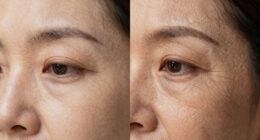

Chasing a radiant glow can lead you into the “glow” trap, where overusing brightening products or neglecting sun protection worsens hyperpigmentation and dulls your skin. Many believe more ingredients mean better results, but excess can damage your skin barrier and cause irritation. Focusing on safe skincare, proper sun protection, and gentle habits helps you achieve an even, healthy look. If you want to learn how to avoid these pitfalls, keep exploring the key tips ahead.
Key Takeaways
- Overusing brightening products can weaken the skin barrier and cause irritation, worsening hyperpigmentation.
- Relying solely on skin glow without addressing underlying causes may lead to superficial, temporary results.
- Excessive exfoliation or harsh ingredients can damage skin, increasing melanin production and dark spots.
- Neglecting consistent sun protection allows UV rays to trigger and deepen hyperpigmentation.
- Focusing only on skin brightness without supporting overall skin health can result in uneven tone and potential damage.
What Is Hyperpigmentation, and Why Does It Happen?
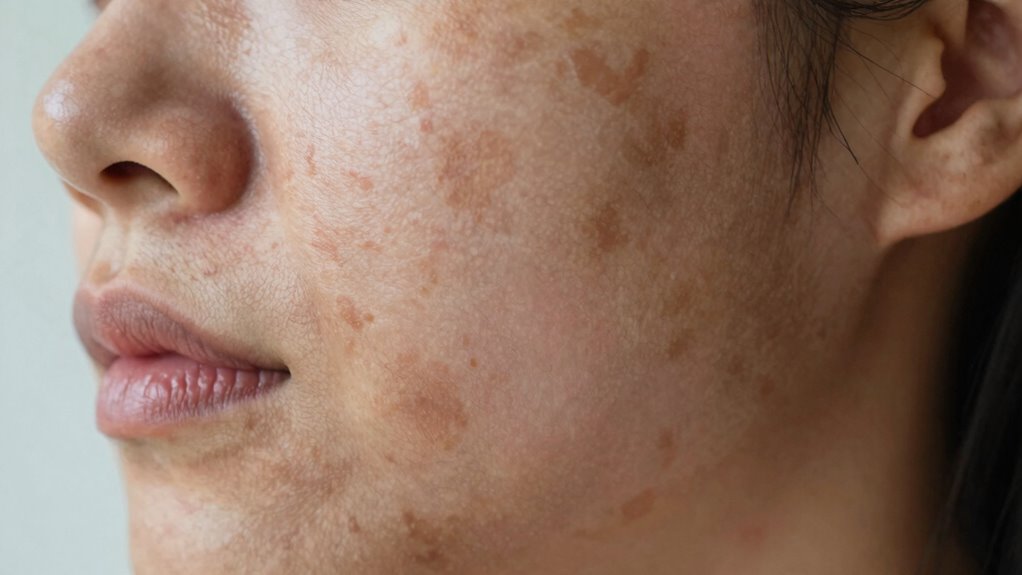
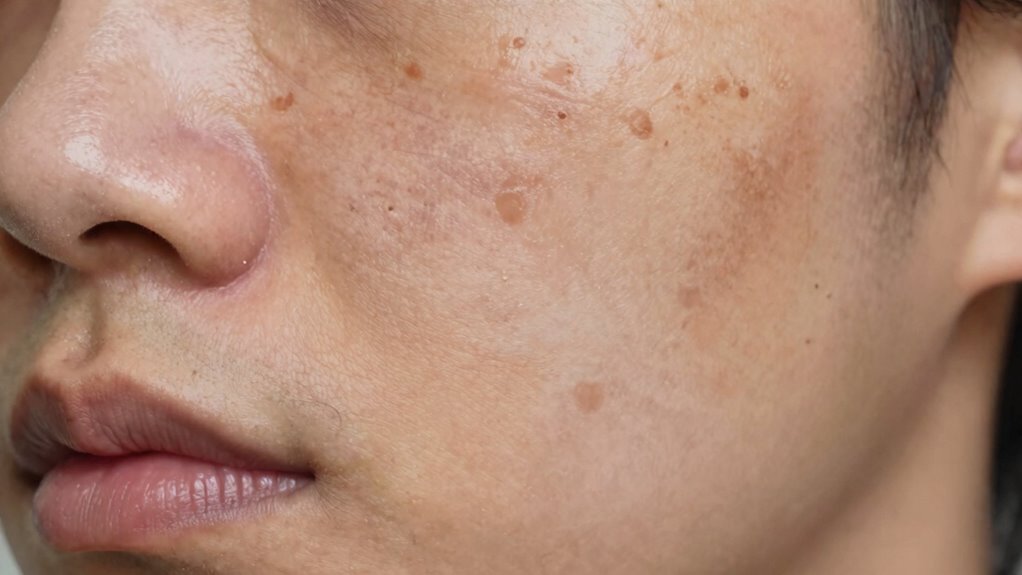
Hyperpigmentation occurs when your skin produces excess melanin, the pigment responsible for color. This overproduction leads to skin discoloration, creating dark patches or spots that stand out against your natural tone. This pigmentation causes behind hyperpigmentation vary, including sun exposure, hormonal changes, inflammation, or skin injuries. When your skin reacts to these triggers, it produces more melanin as a defense mechanism, resulting in uneven pigmentation. This process can be influenced by genetics or environmental factors, making some people more prone to hyperpigmentation than others. Understanding the causes of hyperpigmentation helps you recognize why these dark patches appear and why they persist. Additionally, certain skin conditions can exacerbate hyperpigmentation, complicating efforts to achieve an even skin tone. Recognizing how skin responses to internal or external stimuli influence melanin production is crucial for effective treatment strategies. Fundamentally, hyperpigmentation is a visible sign of your skin’s response to internal or external factors disrupting its normal melanin production balance. Moreover, external triggers such as pollution and chemical exposure can also play a significant role in the development of hyperpigmentation. Being aware of the environmental factors that contribute to hyperpigmentation can aid in better prevention and management.
How to Find Safe and Effective Skin Brightening Products
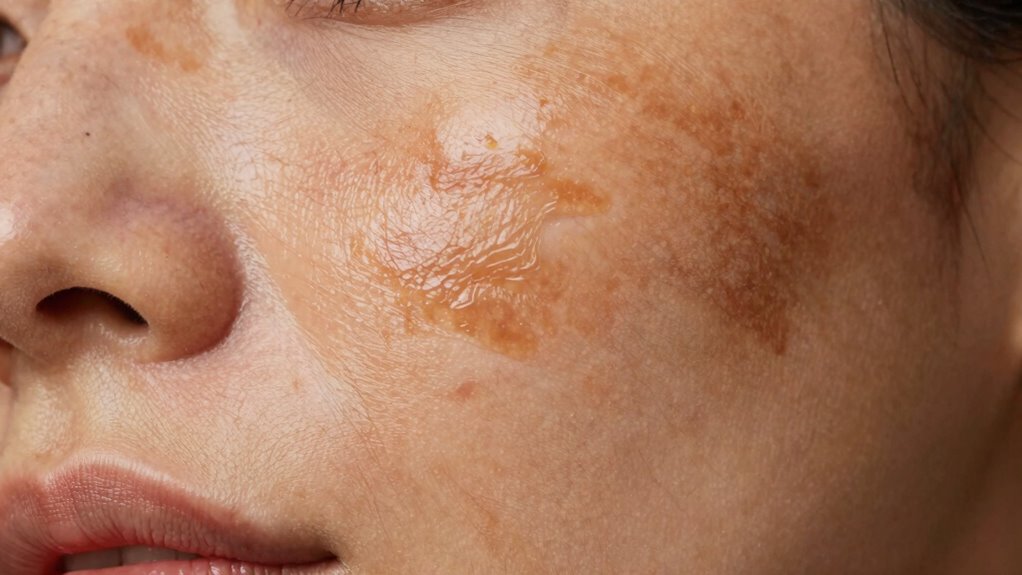
Finding safe and effective skin brightening products starts with understanding their ingredients. Look for ingredients with proven ingredient safety, ensuring they won’t cause irritation or damage. Focus on ingredients with strong ingredient efficacy; those backed by scientific research to lighten hyperpigmentation and even skin tone. Avoid products with unverified or harsh chemicals that can harm your skin or worsen hyperpigmentation. Check labels for active ingredients like vitamin C, niacinamide, or licorice extract, known for their brightening effects and safety profiles. Be cautious of products promising instant results—they often contain unsafe or ineffective ingredients. By researching and choosing products with transparent ingredient lists, you can confidently find options that deliver real benefits without risking your skin’s health. Additionally, understanding product safety and verifying the credibility of brands can help prevent exposure to harmful substances. Moreover, considering the contrast ratio of the formulations can impact how well the ingredients perform on your skin, ensuring more uniform and effective results. Paying attention to regulatory standards can further safeguard your skin from potential adverse effects. Reviewing ingredient certifications can also provide added assurance of product safety and quality. Being aware of comedogenic ratings can help you select products that won’t clog pores or cause breakouts, especially if you have sensitive skin.
Why Overusing Brightening Products Can Backfire
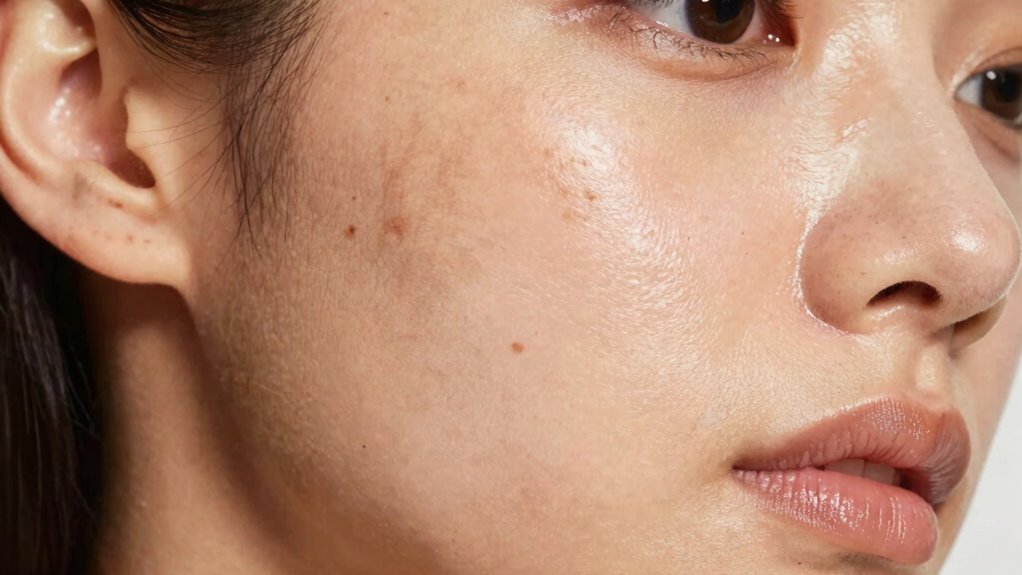
While choosing safe and effective brightening products is important, using them excessively can do more harm than good. Overusing products can compromise ingredient safety, increasing the risk of irritation or adverse reactions. When you layer multiple brightening products without proper guidance, you may inadvertently overwhelm your skin, leading to inflammation or even worsened hyperpigmentation. Applying too many products at once can also hinder your skin’s natural barrier, making it more vulnerable to environmental damage. Additionally, neglecting skin barrier health can exacerbate issues like hyperpigmentation and sensitivity. Proper product layering techniques and understanding ingredient interactions are essential for avoiding adverse effects and ensuring your skin benefits optimally. Consistent overapplication can also lead to product buildup, which may clog pores and cause breakouts. Being mindful of your ingredient interactions can help prevent unwanted reactions and maintain skin balance. Recognizing the importance of holistic skin care approaches can further support your skin’s resilience and overall health. Instead, focus on a balanced routine that includes only essential ingredients and allows your skin time to adjust. Remember, moderation and informed choices are key to sustainable, healthy glow.
Common Mistakes That Sabotage Your Skin’s Glow: And How to Avoid Them
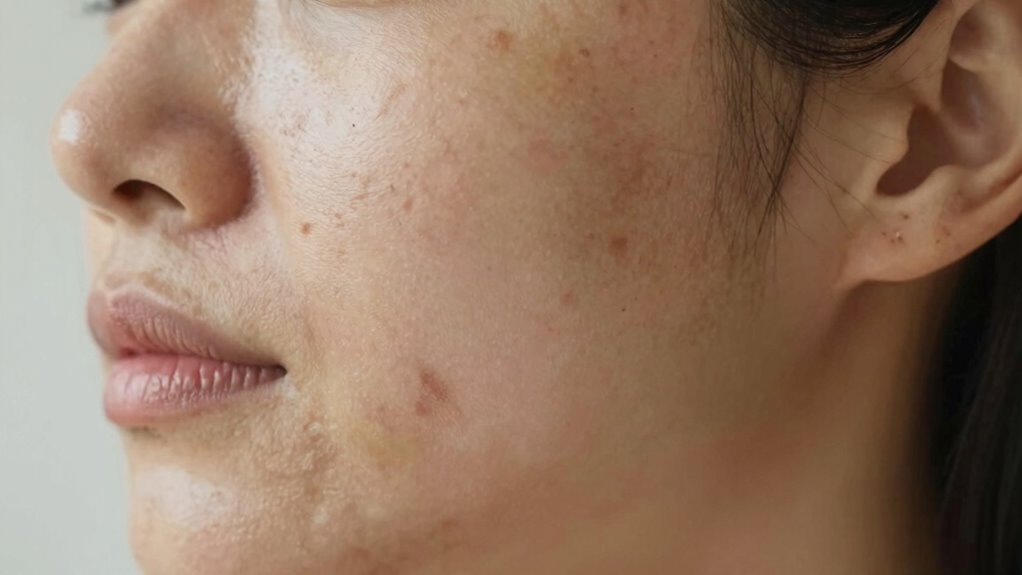
Many people forget that protecting your skin from the sun is essential, even on cloudy days. Skipping proper exfoliation can also leave dead skin buildup that dulls your glow. To keep your skin radiant, make sun protection and gentle exfoliation regular parts of your routine. Incorporating proper maintenance skincare products can further enhance your skincare effectiveness and help prevent hyperpigmentation. Additionally, understanding the importance of skin barrier health can support your efforts in maintaining an even skin tone. Maintaining a healthy indoor environment can also reduce skin irritation caused by pollutants and allergens, contributing to overall skin health. Consistent use of broad-spectrum sunscreen is key to preventing dark spots and uneven skin tone over time.
Overlooking Sun Protection
Have you been neglecting to protect your skin from the sun? If so, you’re undermining your efforts to prevent hyperpigmentation. Sunscreen importance cannot be overstated; it’s your first line of defense against harmful UV damage. Without proper sun protection, UV rays stimulate excess melanin production, leading to dark spots and uneven skin tone. Even on cloudy days or during short outings, UV exposure adds up. Skipping sunscreen or applying it inadequately increases the risk of pigmentation issues that are difficult to treat. To preserve your glow, make sunscreen a daily habit—look for broad-spectrum formulas with at least SPF 30. Protecting your skin from UV damage isn’t just about preventing burns; it’s essential for maintaining an even, luminous complexion over time. Proper piercing care and hygiene also plays a role in avoiding skin discoloration and irritation that can contribute to hyperpigmentation. Remember, sunscreen application techniques can significantly impact its effectiveness in shielding your skin from UV rays.
Ignoring Proper Exfoliation
Ignoring proper exfoliation can markedly hinder your skin’s ability to stay bright and even. Without regular exfoliation techniques, dead skin cells accumulate, blocking your skin’s natural renewal process. This buildup dulls your complexion and can worsen hyperpigmentation. Skipping or using harsh methods disrupts skin renewal, leading to uneven tone and texture. To avoid this, adopt gentle exfoliation routines suited to your skin type—chemical exfoliants like AHAs or BHAs are effective for promoting skin renewal without damage. Understanding skin renewal processes is crucial for choosing the right exfoliation method. Proper exfoliation is essential for maintaining a bright, even complexion free from hyperpigmentation, especially when you understand your skin’s renewal cycle and how it responds to different treatments. Remember, over-exfoliating can cause irritation, so find a balance that supports your skin’s health and glow. Exfoliation techniques that align with your skin type can help prevent damage and achieve optimal results, ensuring your skin’s natural regeneration process remains healthy and effective.
Natural Ways to Achieve an Even, Healthy Skin Tone

To improve your skin tone naturally, focus on consistent sun protection to prevent further pigmentation. Eating a balanced diet rich in vitamins and minerals supports skin health from the inside out. Additionally, adopting gentle skincare routines helps maintain an even, healthy glow without irritation.
Consistent Sun Protection
Consistent sun protection is essential for maintaining an even and healthy skin tone, as UV exposure can worsen hyperpigmentation and cause dark spots to deepen. Many believe sunscreen myths, like needing less SPF on cloudy days or only during summer. However, effective SPF application is vital regardless of weather or season. To truly protect your skin, choose a broad-spectrum sunscreen with at least SPF 30, apply generously 15 minutes before sun exposure, and reapply every two hours. Here’s a quick guide:
| Sunscreen Myths | SPF Application Tips | Sun Protection Tips |
|---|---|---|
| Only needed on sunny days | Use enough to cover all skin | Seek shade during peak hours (10 am-4 pm) |
| SPF higher than 50 offers extra protection | Reapply after swimming or sweating | Wear protective clothing and hats |
| Sunscreen is only for the beach | Apply 15 minutes before exposure | Avoid tanning beds |
Balanced Nutrient Intake
Eating a balanced diet rich in specific nutrients can considerably improve your skin’s tone and clarity. Incorporate antioxidant-rich foods like berries, nuts, and leafy greens to combat free radicals that cause skin damage and uneven pigmentation. Ensuring your diet includes a variety of vitamins, such as vitamin C, E, and A, supports skin repair and reduces hyperpigmentation. Focus on maintaining a vitamin balanced diet to promote collagen production and skin cell turnover. Whole foods like colorful vegetables, fruits, and lean proteins provide essential nutrients that contribute to a more even complexion. By prioritizing nutrient-dense foods, you help your skin naturally heal and maintain a healthy, radiant glow without relying solely on topical treatments.
Gentle Skincare Practices
Achieving an even, healthy skin tone naturally begins with gentle skincare practices that prioritize your skin’s sensitivity and resilience. Start with gentle cleansing to remove dirt and excess oil without stripping your skin’s natural moisture. Avoid harsh scrubs or aggressive products that can irritate or damage your skin, which may worsen hyperpigmentation. Follow up with a mindful moisturizer that hydrates and protects your skin barrier, helping to reduce inflammation and promote healing. Look for products containing soothing ingredients like aloe vera or hyaluronic acid. Consistency is key; develop a routine that respects your skin’s limits and avoids over-exfoliating or using aggressive treatments. These simple, gentle practices support your skin’s natural balance and help you achieve a more even, radiant complexion over time.
How to Keep Your Skin Bright Without Irritation or Damage
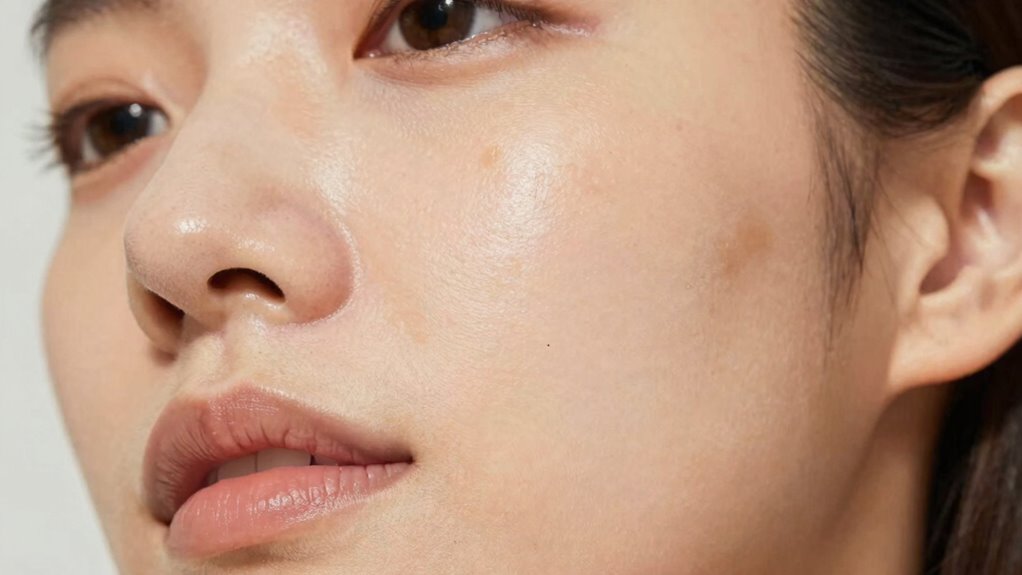
To keep your skin bright without causing irritation or damage, it is essential to choose gentle skincare products and follow a cautious routine. Many ingredient myths circulate, leading you to believe certain harsh chemicals are necessary for brightness. Instead, focus on effective, non-irritating ingredients. Here are four tips:
Prioritize gentle ingredients and simple routines to brighten skin without irritation.
- Use products with soothing ingredients like niacinamide or hyaluronic acid.
- Avoid over-exfoliating, which can damage your skin barrier.
- Stick to simple skincare routines—less is more.
- Patch-test new products to prevent adverse reactions.
Frequently Asked Questions
Can Hyperpigmentation Be Completely Cured or Only Managed?
Hyperpigmentation can’t usually be completely cured, but you can manage it effectively. You won’t find a complete cure, so lifelong management is often necessary. By consistently using targeted treatments like topical creams, sun protection, and possibly professional procedures, you can markedly reduce dark spots and prevent further pigmentation. It’s about controlling the condition rather than eliminating it entirely, helping you maintain clearer, more even skin over time.
Are There Specific Ingredients to Avoid in Brightening Products?
Think of brightening products as a garden—you want healthy blooms, not weeds. You should avoid harmful ingredients like hydroquinone, steroids, and certain fragrances that can cause more damage than good. Always read ingredient labels carefully; if you don’t recognize an ingredient or it sounds harsh, steer clear. Protect your skin by choosing gentle, proven ingredients, and remember, a clear glow comes from nurturing, not risking.
How Long Does It Typically Take to See Results From Natural Remedies?
You can typically expect to see visible results from natural remedies within 4 to 8 weeks, but it varies depending on your skin type and the severity of hyperpigmentation. Patience is key, as natural remedies often take longer than chemical treatments. Consistency in applying ingredients like lemon juice or turmeric can help you meet realistic natural remedy timelines and set proper visible results expectations.
Does Diet Influence Hyperpigmentation and Skin Brightness?
Your diet impact plays a significant role in hyperpigmentation and skin brightness. Eating brightening foods like fruits rich in vitamins C and E, and antioxidants, helps promote a more even skin tone. Including foods high in omega-3s and avoiding processed sugars can reduce inflammation and prevent dark spots. By making mindful choices, you support your skin’s natural glow and diminish hyperpigmentation, revealing a brighter, healthier complexion over time.
Can Hyperpigmentation Be a Sign of Underlying Health Issues?
Hyperpigmentation can signal underlying health issues, especially when accompanied by other symptoms. For example, hormonal impacts like those from pregnancy or thyroid disorders may cause dark patches. Medical correlations suggest hyperpigmentation might indicate conditions such as Addison’s disease or insulin resistance. If you notice sudden or widespread darkening, it’s essential to consult a healthcare professional to identify any underlying health concerns and receive appropriate treatment.
Conclusion
Stay vigilant and steer clear of the dazzling trap of hyperpigmentation, or you might end up with skin so uneven it’s like a patchwork quilt! Overdoing brightening products can turn your glow into a fiery disaster, leaving your skin irritated and damaged. Instead, embrace natural methods and gentle routines. With patience and care, you’ll achieve a radiant, healthy complexion that shines brighter than a diamond—without risking your skin’s precious health. Your glow should be a crown, not a cautionary tale!