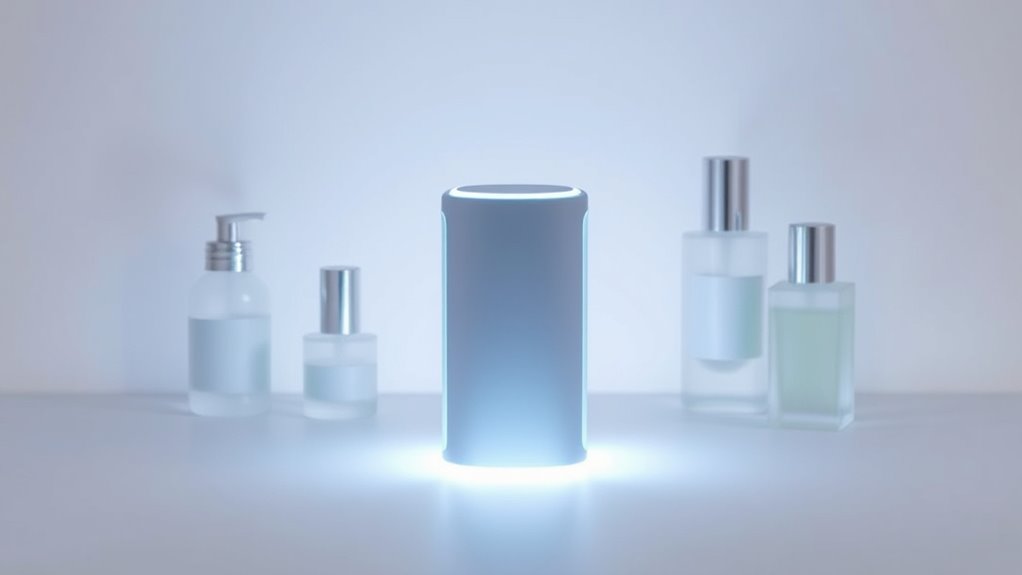

Using LED therapy in your minimalist skincare routine helps you do more with less by replacing multiple products with a simple, targeted treatment. It’s quick, non-invasive, and effective at addressing issues like acne and aging, while fitting seamlessly into your daily schedule. LED devices promote healthier skin without clutter or complication, aligning perfectly with minimalist principles. Curious to discover how this technology can streamline your routine even further? Explore how LED can transform your skincare approach effortlessly.
Key Takeaways
- LED therapy simplifies skincare by replacing multiple products with a single, targeted treatment, aligning with minimalist principles.
- It enhances skin health effectively through scientifically backed light therapy, reducing the need for extensive product use.
- Regular LED sessions save time, promote clearer skin, and minimize irritation, supporting a streamlined routine.
- LED devices are non-invasive, painless, and suitable for most skin types, making skincare more accessible and less cluttered.
- Incorporating LED into minimal routines encourages focusing on quality over quantity for sustainable, effective skincare.
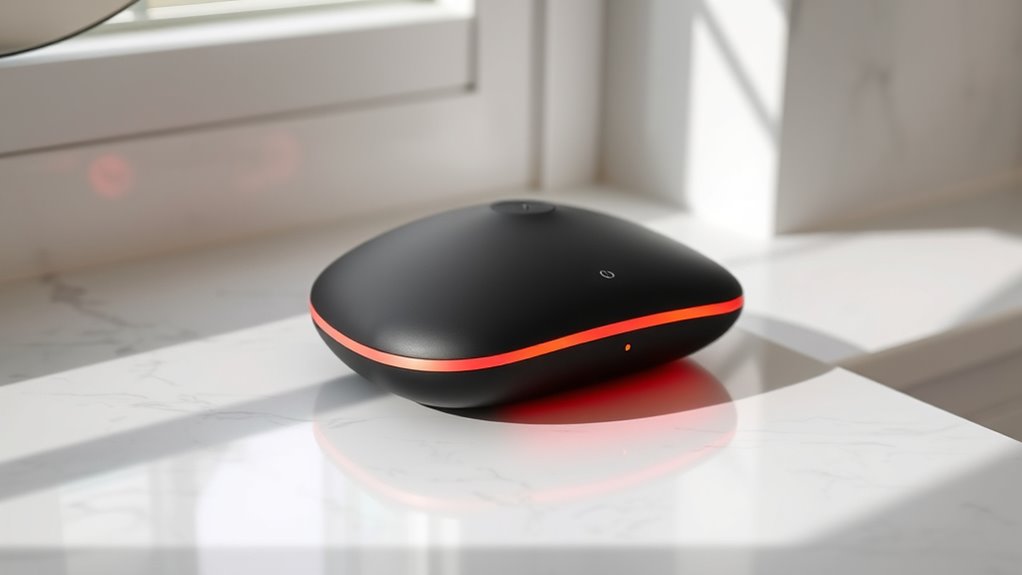
In recent years, LED skincare has gained popularity as a simple yet effective addition to minimalist beauty routines. If you’re someone who prefers a straightforward approach to skincare, LED devices can seamlessly fit into your daily regimen without adding complexity. These devices use light therapy to target specific skin concerns, making them a versatile tool that complements a minimalist philosophy. Instead of multiple products and layered treatments, LED therapy offers a single, efficient step that can improve your skin’s appearance over time.
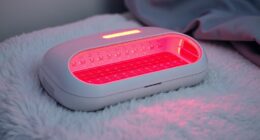
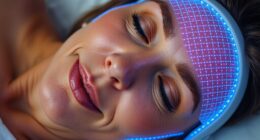
Using LED light therapy is straightforward. You simply apply it to your clean skin and let the device do the work. Depending on the device you choose, sessions typically last between 10 to 20 minutes, making it easy to incorporate into your morning or evening routine. The process is non-invasive and painless, so you can relax comfortably while the light penetrates your skin to stimulate cellular activity. Red light, for example, promotes collagen production, helping reduce fine lines and wrinkles, while blue light targets acne-causing bacteria, calming inflammation. With just one device, you can address multiple skin issues without juggling several products.
Using LED therapy is simple, non-invasive, and effective for multiple skin concerns in just 10-20 minutes.
One of the biggest advantages of integrating LED therapy into a minimalist routine is that it reduces the need for numerous skincare products. Instead of layering serums, creams, and treatments, you focus on a single, targeted step. This simplification not only saves time but also minimizes the risk of irritation or adverse reactions caused by ingredient interactions. LED devices are generally safe for most skin types and require minimal maintenance, making them a practical choice for anyone seeking efficiency.
Moreover, LED therapy aligns with the minimalist ethos by emphasizing quality over quantity. Instead of chasing every new skincare trend, you invest in a device that delivers consistent results through scientifically backed light technology. Over time, regular use can lead to healthier, clearer skin, which means you can achieve noticeable improvements without the need for extensive product lines. This approach promotes a sustainable, clutter-free skincare routine that’s both effective and manageable.
In essence, LED skincare empowers you to do more with less. It streamlines your routine, focuses on proven technology, and reduces clutter—allowing you to maintain healthy skin without sacrificing simplicity. By embracing LED therapy, you’re choosing a minimalist path that enhances your skin’s natural beauty while keeping your routine straightforward and stress-free.
Frequently Asked Questions
Can LED Skincare Replace Traditional Skincare Routines Entirely?
LED skincare can’t replace traditional routines entirely, but it can complement them effectively. You might see improvements in skin tone and clarity with LED treatments, yet cleansing, moisturizing, and sun protection remain essential. By adding LED therapy to your regimen, you enhance results without overcomplicating your routine. Just remember, consistent skincare habits and professional advice are key to achieving the best, long-lasting skin health.
How Often Should I Use LED Therapy for Best Results?
You should use LED therapy 2 to 3 times a week for ideal results. Consistency is key, so stick to a routine without overdoing it to avoid irritation. Each session usually lasts about 15 to 30 minutes, depending on your device’s instructions. Pay attention to your skin’s response and adjust frequency if needed. Over time, regular use can improve skin tone, texture, and overall health.
Are LED Devices Safe for Sensitive Skin Types?
Yes, LED devices are generally safe for sensitive skin types when used correctly. You should start with shorter sessions and lower settings to see how your skin reacts. Look for devices with adjustable intensity levels and gentle wavelengths like red or near-infrared light. Always patch test first, follow the manufacturer’s instructions, and consult a dermatologist if you have concerns or skin conditions to guarantee safe, effective use.
What Are the Long-Term Effects of Regular LED Use?
You might wonder if regular LED use has hidden risks. While current studies show it’s generally safe, long-term effects are still under investigation. Over time, you could experience subtle skin changes or sensitivity shifts, but nothing conclusive has emerged yet. Continue using your device responsibly, and stay informed—future research may reveal more. For now, enjoy the benefits, but keep an eye on any new developments that could affect your skincare routine.
Is Professional LED Treatment More Effective Than At-Home Devices?
Professional LED treatments are generally more effective than at-home devices because they use higher-intensity lights and are supervised by trained professionals, ensuring proper technique and safety. At-home devices are convenient and affordable but may not deliver the same intensity or results. If you’re seeking faster, more noticeable improvements, professional treatments give you a better chance, but consistent at-home use can still provide benefits over time.
Conclusion
So, next time you consider your skincare routine, remember that less truly can be more. LED light therapy’s simplicity and effectiveness support the idea that you don’t need a cabinet full of products to see real results. Some experts believe that minimalist skincare encourages your skin’s natural healing, reducing irritation. So, try embracing fewer steps—your skin might thank you with a healthier, clearer glow. Sometimes, simplicity truly is the ultimate sophistication.