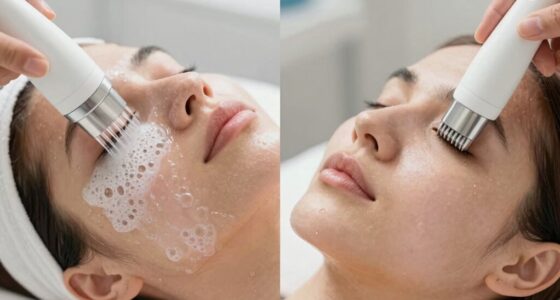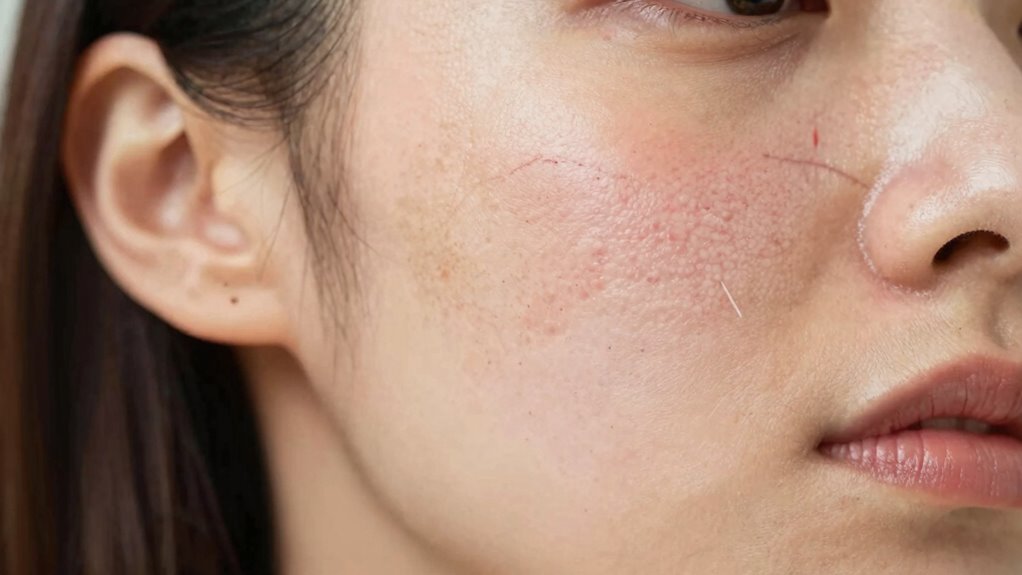
Using a pore vacuum improperly can cause tiny blood vessels, or capillaries, beneath your skin to rupture, leading to redness, broken veins, and skin damage. Applying too much suction or pressing too hard increases this risk, especially if your skin is sensitive or fragile. To avoid harm, use gentle pressure and limit sessions. If you want to learn how to protect your skin while still enjoying clear pores, keep going — more tips are ahead.
Key Takeaways
- Excessive or high suction from pore vacuums can rupture fragile tiny capillaries, leading to redness and broken vessels.
- Improper technique, such as pressing too hard or moving too quickly, increases the risk of vascular damage.
- Individuals with sensitive or fragile capillaries are more susceptible to injury from pore vacuum use.
- Signs of capillary damage include persistent redness, visible veins, bruising, or skin sensitivity.
- To minimize risks, limit sessions, use gentle pressure, and consider professional or safer skincare alternatives.
What Are Pore Vacuums, and How Do They Work?
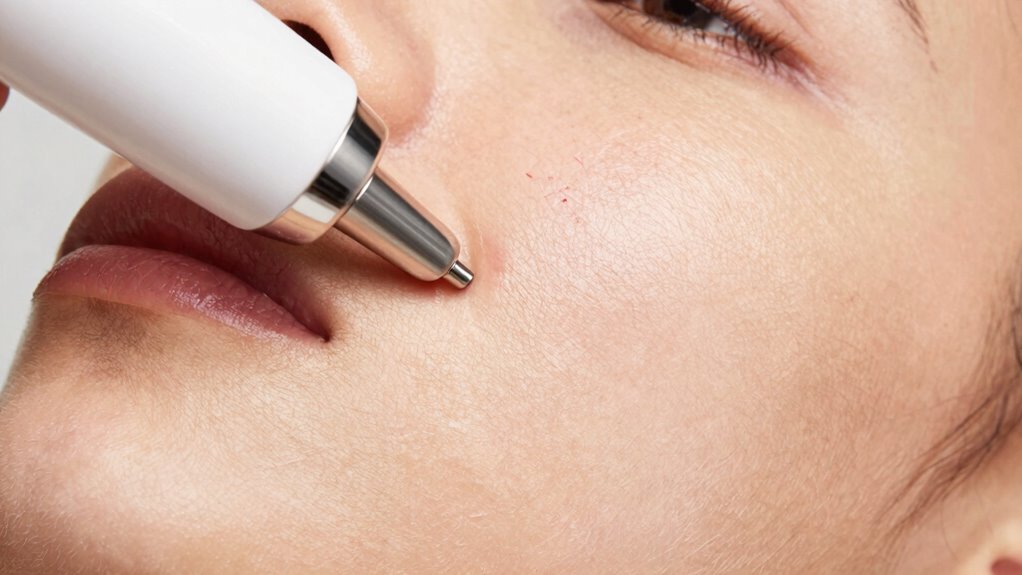
Have you ever wondered how pore vacuums effectively clear out blackheads and dirt from your skin? It all comes down to pore vacuum mechanics and suction technology. These devices use controlled suction to lift debris from your pores without needing scrubbing or harsh chemicals. When you turn on a pore vacuum, it creates a vacuum seal on your skin, drawing out excess oil, dirt, and dead skin cells. This process temporarily enlarges the pore opening, making it easier to extract impurities. Additionally, understanding the concept of Free Floating can help you maintain healthy skin by avoiding excessive pressure that might damage delicate capillaries. It’s also crucial to recognize that skin sensitivity varies among individuals, and using the device appropriately can prevent adverse effects. Proper technique and regular maintenance are essential to ensure the device functions effectively and safely, preventing potential skin damage or broken capillaries. Being aware of pressure regulation can further help you avoid applying too much force, which is a common cause of skin trauma. Incorporating suction strength adjustment can help tailor the device’s performance to your skin type, reducing the risk of damage. However, it’s important to use these devices carefully to avoid damaging your skin or causing broken capillaries. Proper technique guarantees effective cleaning while minimizing risks.
Why Tiny Capillaries Matter for Healthy Skin
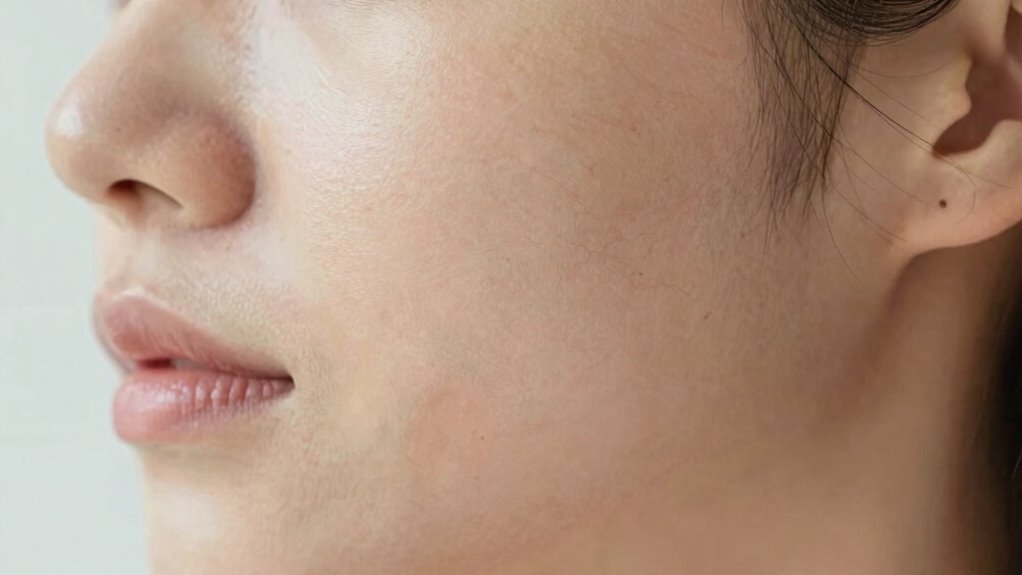
Tiny capillaries play a crucial role in maintaining healthy skin because they supply oxygen and nutrients to skin cells while removing waste products. Good skin microcirculation ensures your skin stays vibrant and resilient. When capillary fragility increases, these tiny vessels become more prone to damage, which can compromise nutrient delivery and waste removal. This fragility can lead to broken capillaries or redness, affecting your skin’s appearance and health. Maintaining strong, healthy capillaries helps prevent such issues. Proper circulation supports collagen production and skin repair, giving you a smoother, more even complexion. Supporting microvascular health is essential for overall skin vitality and resilience. Additionally, microvascular function can be influenced by lifestyle choices, emphasizing the importance of healthy habits to keep your tiny capillaries functioning at their best. Moreover, poor circulation can lead to skin aging, highlighting the importance of protecting these delicate vessels for youthful skin. Regular exercise and a balanced diet contribute to improved blood flow, which is vital for sustaining healthy microcirculation. Ensuring these vessels remain robust can also aid in reducing the appearance of redness and broken capillaries, promoting a clearer complexion.
How Excessive Use of Pore Vacuums Can Damage Tiny Capillaries
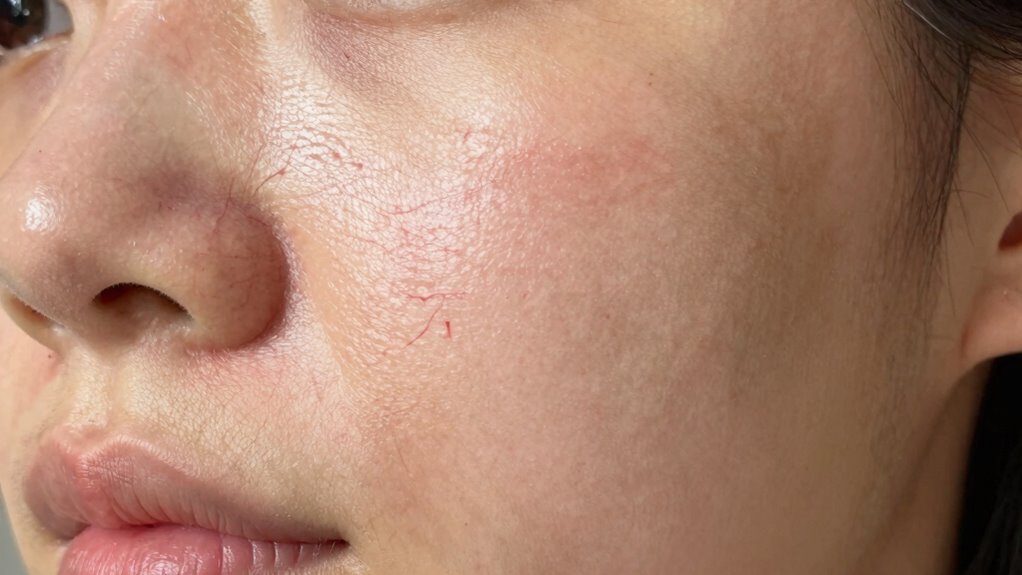
Using pore vacuums too often or with too much force can harm your tiny capillaries, which are delicate and easily damaged. Excessive suction puts stress on these fragile blood vessels, increasing the risk of broken capillaries. If you notice redness or visible veins, it might be a sign that your capillaries are suffering damage. Incorporating eco-friendly craft ideas can help reduce reliance on harsh skincare tools and promote more sustainable self-care routines. Additionally, understanding the security features of your skincare tools can help you choose safer options that minimize skin trauma. Being aware of vetted product safety standards is also essential for preventing unintended skin injuries. Recognizing the importance of proper grooming routines can further protect your skin from unnecessary harm during skincare procedures. Regularly inspecting your tools for product quality can help ensure they remain safe and effective for your skincare needs.
Capillaries’ Fragile Nature
Although pore vacuums can effectively clean the skin, their suction can pose risks to your delicate capillaries. Their suction can cause tiny vessels to rupture or become inflamed, leading to redness, discoloration, or even broken capillaries. Because capillary fragility varies from person to person, some skin types are more vulnerable to injury. Overuse or high suction settings can cause these tiny vessels to break or become inflamed, leading to redness, discoloration, or even broken capillaries. It’s important to recognize that your capillaries are sensitive and easily compromised by aggressive treatments. capillary fragility varies among individuals, making some more susceptible to damage than others. While pore vacuums can help with superficial cleaning, understanding their impact on your skin’s vascularity is vital to avoid long-term damage caused by fragile capillaries. Vetted – Soul Sanctuaries Additionally, skin sensitivity can amplify the risk of vascular damage, especially if you have a history of vascular issues or rosacea. Recognizing individual susceptibility can help you make safer skincare choices.
Excessive Suction Risks
Excessive suction from pore vacuums can quickly cause damage to your delicate capillaries. When you apply too much pressure, you risk compromising your skin barrier and harming pore health. This damage can be subtle at first but may lead to more noticeable skin issues over time. To understand the impact, consider this:
| Risk Factor | Effect |
|---|---|
| Strong suction | Tears tiny capillaries, weakening skin structure |
| Prolonged use | Disrupts pore equilibrium, inflaming skin |
| Inconsistent application | Harms skin barrier, making skin more vulnerable |
Using pore vacuums cautiously preserves your skin’s integrity. Avoid excessive suction, and focus on gentle, controlled movements to protect those fragile capillaries. Proper usage techniques can help prevent unnecessary skin damage. Additionally, being aware of skin barrier health can aid in maintaining overall skin resilience. Recognizing the importance of skin resilience can further help in preventing long-term skin issues. Maintaining skin barrier integrity is essential for overall skin health and can help reduce the risk of capillary damage caused by improper vacuum use. Being mindful of vacuum pressure levels ensures you do not inadvertently cause harm to your skin.
Signs of Damage
When you overuse pore vacuums or apply too much pressure, signs of capillary damage become noticeable. You might see persistent redness or tiny blood spots appearing on your skin, indicating broken capillaries. Your skin’s hydration may decrease, leaving it feeling dry or flaky, even if you’ve been moisturizing regularly. Over time, damaged capillaries can cause your pores to look larger or more inflamed, making your skin appear uneven. You may also notice increased sensitivity or a tingling sensation after use. These signs suggest your skin’s delicate capillary network is compromised, and excessive suction is taking a toll. Recognizing these warning signs helps prevent further damage and encourages gentler skincare practices. Understanding skin physiology can help you better appreciate how delicate your capillary network truly is and why gentle treatment is essential. Additionally, being aware of microcirculation health can guide you in maintaining skin integrity and avoiding unnecessary harm.
How Can You Tell If Your Pore Vacuum Is Causing Skin Damage?
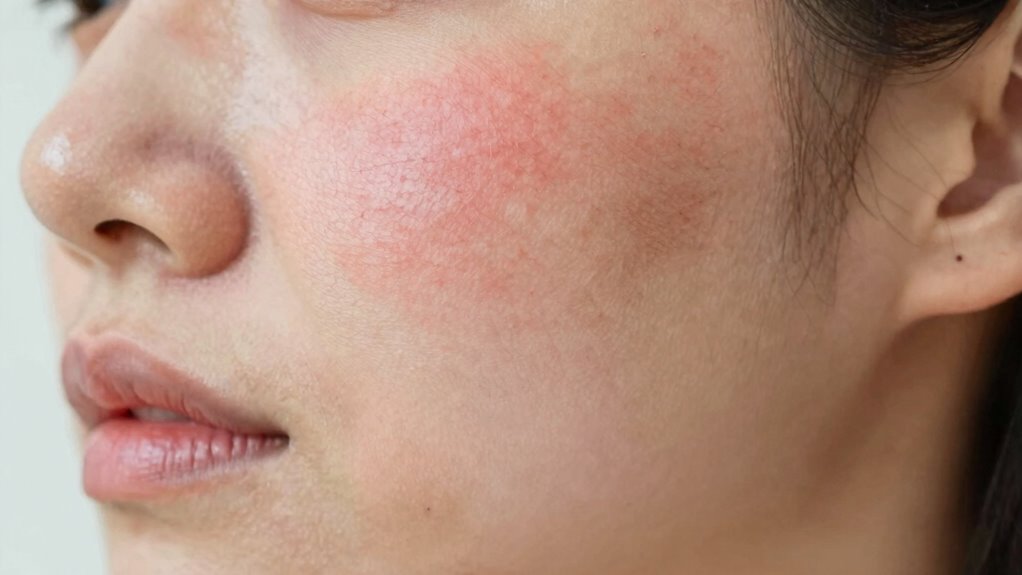
You might notice your skin looks unusually red or irritated after using a pore vacuum. Persistent bruising or dark spots are signs that the device could be damaging your skin. Keep an eye out for these signs to prevent long-term harm.
Visible Skin Redness
Visible skin redness is a clear sign that your pore vacuum may be causing damage. When you notice this, it indicates that your skin is reacting negatively to the suction, possibly due to improper use or overly aggressive pore vacuum technology. Redness can signal broken capillaries or irritation, which compromises skin health. To prevent this, always monitor your skin closely during use and adjust the intensity accordingly.
Be aware of these warning signs:
- Persistent redness that doesn’t fade
- Swelling or inflammation around treated areas
- Increased sensitivity or pain
- Red marks that last beyond a day
Persistent Bruising Signs
Persistent bruising is a clear sign that your pore vacuum may be causing skin damage. If you notice bruises that don’t fade or appear regularly, it’s a sign to stop and assess your technique. Bruising prevention starts with using the device gently and avoiding excessive suction, which can weaken your skin barrier. When the skin barrier becomes compromised, blood vessels may break more easily, leading to bruising. To protect your skin, limit treatment time and avoid pressing too hard. Monitoring your skin’s response is key—persistent bruising suggests your skin isn’t tolerating the vacuum well. Adjust your routine accordingly, and consider consulting a dermatologist if bruising continues. Proper use helps prevent damage and keeps your skin healthy.
Tips for Using Pore Vacuums Safely Without Breaking Capillaries
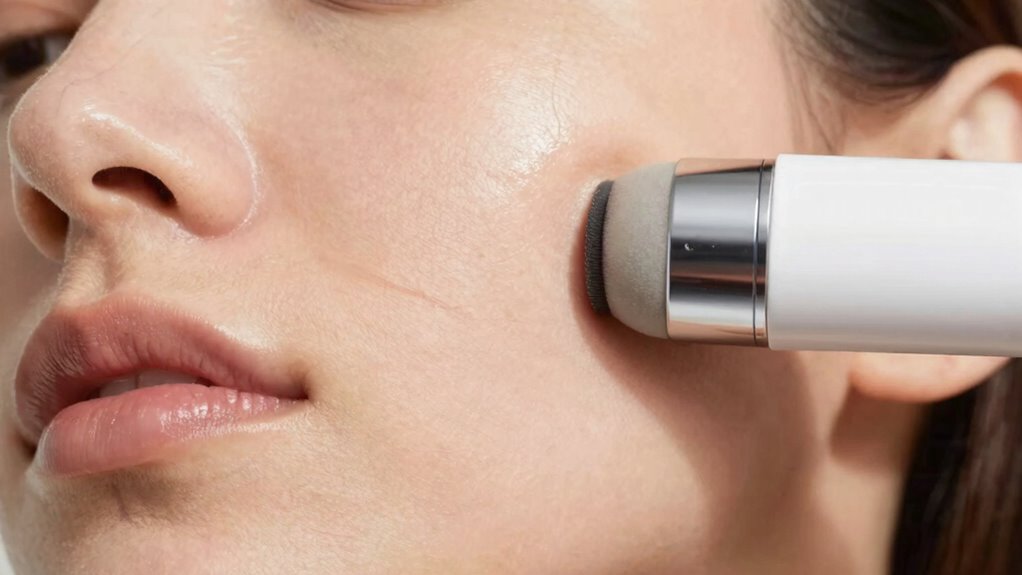
To use pore vacuums safely and avoid breaking capillaries, it’s essential to be gentle and attentive to your skin’s response. Always start with clean skin and avoid pressing too hard. Incorporate facial massage techniques to relax your skin before using the device, which can help minimize damage. Stick to a consistent skincare routine that includes proper hydration and soothing products. When using the vacuum, move it slowly and avoid staying in one spot too long. Watch for signs of redness or discomfort—if you notice these, stop immediately. Remember, patience is key.
- Use light pressure and gentle movements to prevent trauma.
- Limit sessions to once or twice a week to avoid overstressing your skin.
- Focus on areas with blackheads, not healthy skin.
- Follow up with calming skincare routines to soothe your skin.
Safer Alternatives for Blackhead Removal
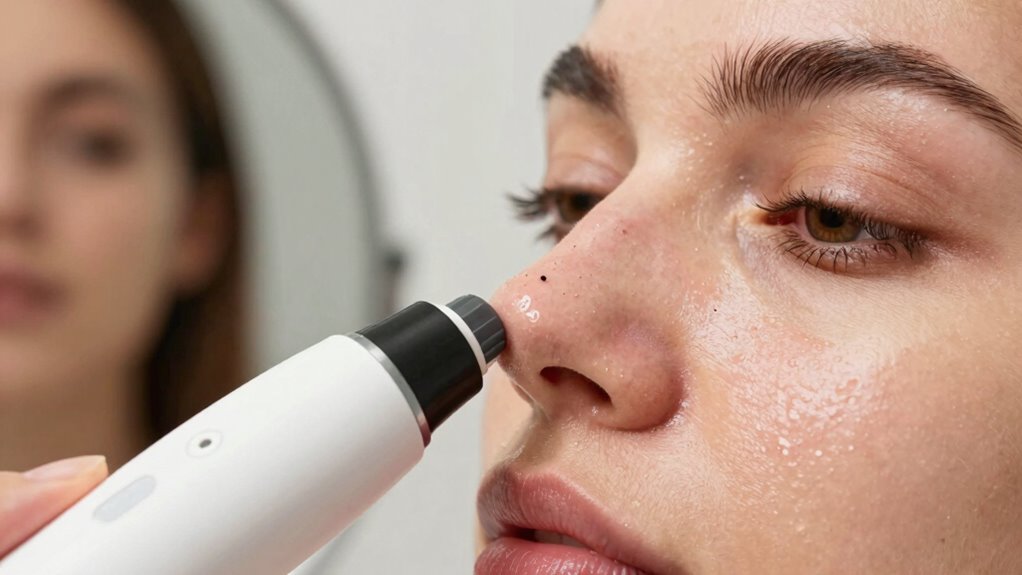
If you’re looking for safer ways to remove blackheads, consider options that minimize skin trauma and reduce the risk of capillary damage. Professional cosmetic procedures like gentle extractions or chemical peels can effectively clear pores without harming capillaries. Incorporating consistent skincare routines with salicylic acid or retinoids helps prevent blackheads naturally. Here’s a quick comparison:
| Method | Effectiveness | Risk Level |
|---|---|---|
| Pore vacuums | Moderate | High (if misused) |
| Chemical peels | High | Low |
| Manual extraction | Very high (with expert) | Very low (when done carefully) |
Choosing safer, dermatologist-recommended options guarantees clearer skin while protecting your delicate capillaries.
How to Treat Broken Capillaries and Redness
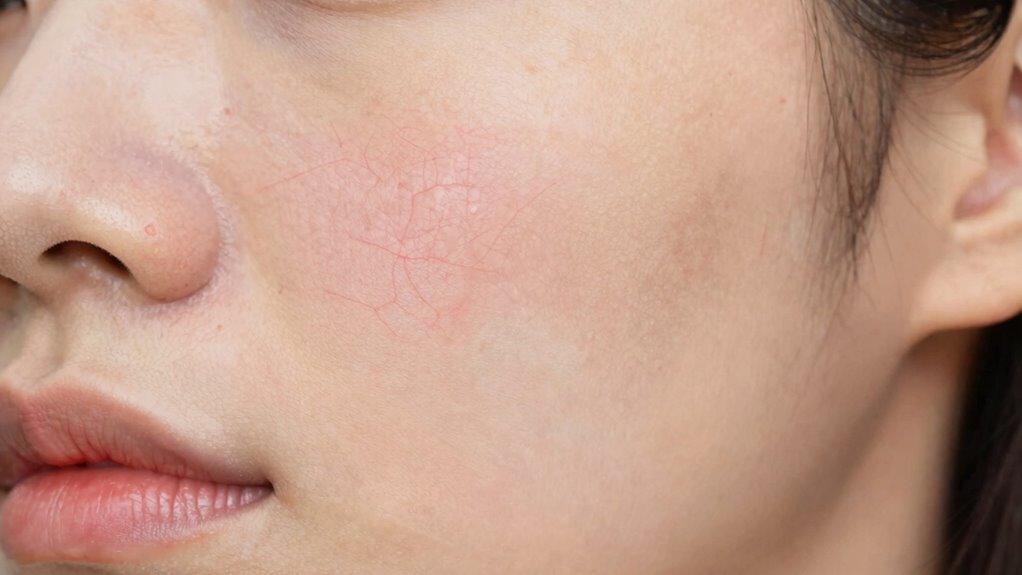
Broken capillaries and redness can be frustrating, but several effective treatments can help reduce their appearance. First, consider gentle laser therapy or IPL treatments, which target visible blood vessels safely. Be cautious of microdermabrasion myths; aggressive exfoliation can worsen redness and damage fragile skin. Focus on skincare ingredient safety by choosing soothing serums with ingredients like niacinamide or aloe vera, which calm inflammation. Avoid harsh scrubs and over-exfoliation. Remember, patience is key—results take time, and consistent care is essential. You can also explore professional advice to develop a tailored routine. Keep in mind that protecting your skin from sun exposure is vital to prevent further damage and redness. With proper care, you can diminish the appearance of broken capillaries and restore your skin’s natural glow.
How to Pick Skin-Friendly Devices for Sensitive Skin
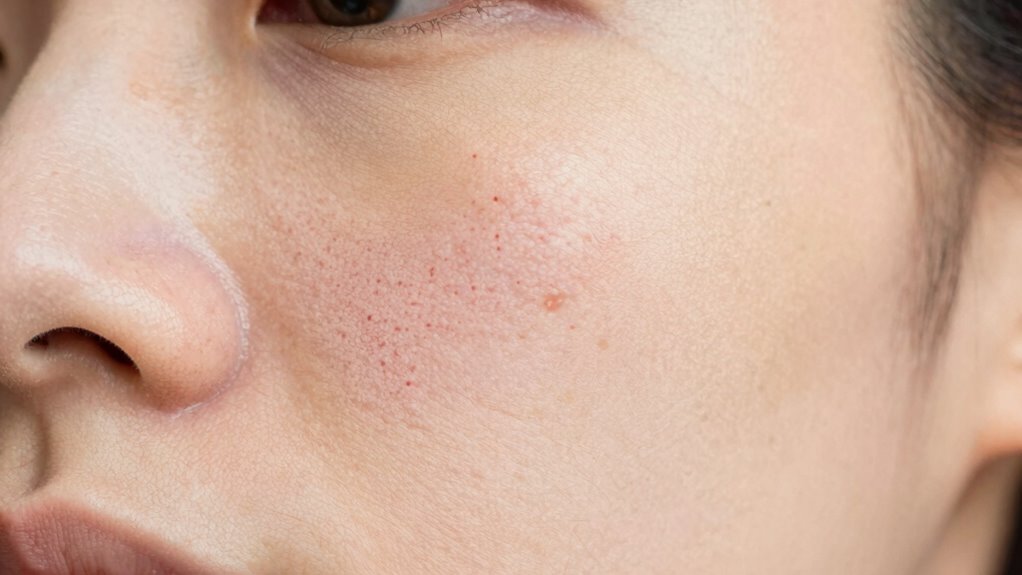
Wondering how to choose skin-friendly devices for sensitive skin? Look for options that respect your skin barrier and avoid stripping natural oils. Gentle devices with adjustable suction levels let you control intensity, preventing irritation or damage. Check for features like silicone heads or soft brushes that minimize trauma. Avoid harsh materials or overly aggressive settings that can weaken your skin’s defenses. Here’s a quick comparison:
| Feature | Why it matters | What to look for |
|---|---|---|
| Adjustable suction | Prevents over-vacuuming | Multiple levels for customization |
| Soft bristles | Reduces irritation | Silicone or gentle brush heads |
| Gentle vibrations | Supports skin barrier health | Low-intensity, soothing modes |
Prioritize devices that preserve your skin’s natural oils and strengthen your skin barrier, making your routine safer and more effective.
Expert Tips to Keep Your Skin Clear and Healthy Without Damaging Tiny Capillaries

Maintaining clear and healthy skin without damaging tiny capillaries requires mindful skincare practices. Many pore vacuum myths suggest they’re harmless, but aggressive use can harm your skin’s pore structure and cause broken capillaries. To avoid this, follow these expert tips:
- Never overuse pore vacuums; treat them as occasional tools, not daily essentials.
- Choose gentle suction levels designed for sensitive skin.
- Always prep your skin with a warm cloth to open pores safely.
- Focus on overall skin health, not just pore size, to prevent vascular damage.
Frequently Asked Questions
Can Pore Vacuums Cause Long-Term Skin Damage?
Pore vacuums can cause long-term skin damage if you don’t use them properly, affecting your skin elasticity and overall health. If the device isn’t safe or used with too much pressure, it can lead to broken capillaries and weakened skin. Always follow the manufacturer’s instructions and avoid overusing the device to protect your skin’s integrity. Proper technique and safe devices help prevent lasting damage.
What Signs Indicate Capillary Rupture From Vacuum Use?
You notice skin discoloration, perhaps a reddish or purple hue, lingering after using a pore vacuum. Your skin feels more sensitive, and even gentle touches cause discomfort. These signs suggest capillary rupture beneath the surface. If you see persistent redness or unusual bruising, stop using the device immediately. Your skin’s reaction is a clear warning—indicate that the tiny capillaries have broken, and further vacuum use could worsen the damage.
Are There Specific Skin Types More Prone to Damage?
You’re more prone to damage if you have sensitive skin or larger pore size. Sensitive skin reacts easily to vacuum pressure, increasing the risk of broken capillaries. Larger pores may trap more suction, making your skin vulnerable to injury. Always start with the lowest setting, and if you notice redness or discomfort, stop immediately. Knowing your skin type helps prevent damage and keeps your skin healthy during pore vacuum treatments.
How Often Should I Use a Pore Vacuum Safely?
You should limit your pore vacuum usage to 1-2 times a week to guarantee product safety and prevent skin damage. Overusing can lead to broken capillaries or irritation. Always follow the manufacturer’s guidelines and listen to your skin’s response. If you notice redness or discomfort, reduce usage. Proper frequency helps maintain clear pores without risking harm, keeping your skin healthy and safe.
Do Professional Treatments Pose Similar Risks to At-Home Devices?
Did you know that over 60% of people who try DIY skincare regret it due to improper device use? Professional skincare treatments generally pose fewer risks because licensed experts understand device safety and skin anatomy. They use advanced equipment with controlled settings, reducing the chance of broken capillaries or skin damage. If you opt for professional treatments, you’re more likely to get safe, effective results without the risks associated with at-home pore vacuums.
Conclusion
So, next time you’re tempted to grab that pore vacuum, remember: your tiny capillaries aren’t as invincible as your ego. Treat your skin gently, or you’ll end up with a red badge of honor—aka broken capillaries. Who knew that a device promising clear skin could secretly sabotage it? Play it safe, choose smarter methods, and spare yourself the unexpected “battle scars.” Your skin, after all, deserves more than a DIY rollercoaster ride.