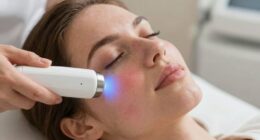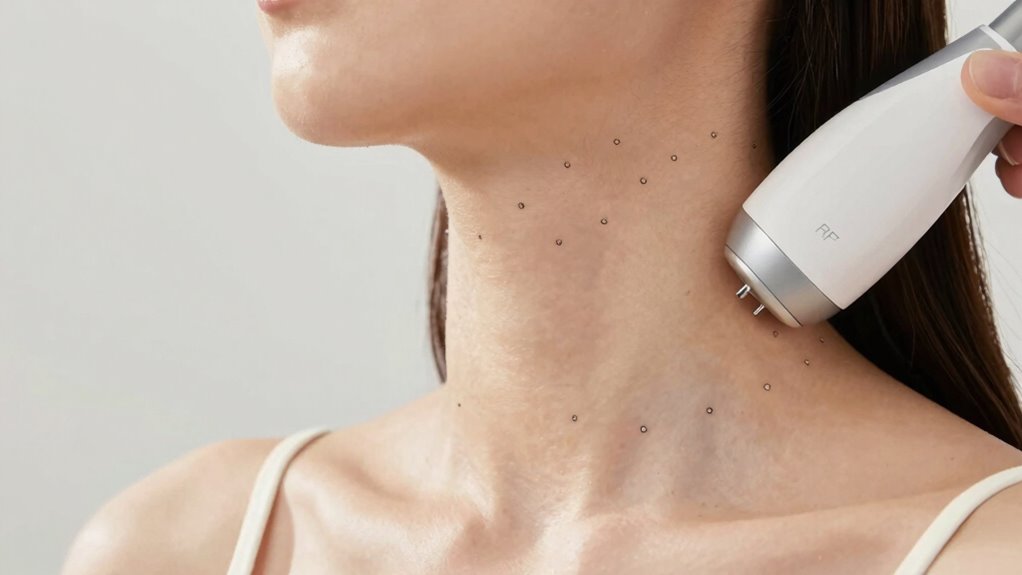

To get the most out of RF treatments for your neck, focus on proper placement patterns like vertical, horizontal, or crosshatch to guarantee uniform energy delivery. Carefully target areas with laxity or sagging, adjusting device angles based on neck anatomy. Maintaining steady contact and following appropriate patterns helps stimulate collagen and tighten skin naturally. For detailed tips on ideal placement techniques that boost results, keep exploring the key strategies you need to know.
Key Takeaways
- Use vertical, horizontal, or spiral patterns targeting sagging areas for even energy distribution and enhanced collagen stimulation.
- Focus on regions with reduced elasticity, customizing placement to individual neck anatomy for natural tightening.
- Maintain consistent device contact with slow, deliberate movements to ensure uniform treatment coverage.
- Adjust placement based on skin thickness, applying gentler settings for thin skin and deeper focus for thicker skin.
- Regularly verify device calibration and avoid sensitive areas to maximize safety, efficacy, and long-lasting results.
Why Placement Pattern Matters for RF Neck Treatments
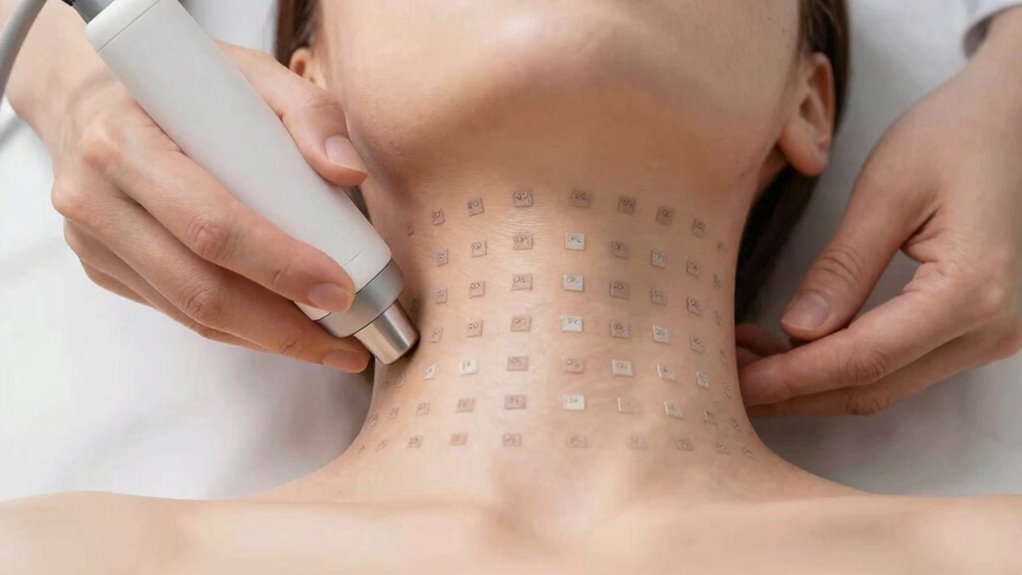
The placement pattern of radiofrequency (RF) devices is essential for achieving peak results in neck skin treatments. Proper pattern ensures even energy distribution, which maximizes skin tightening and collagen stimulation. Before starting, you should calibrate the device correctly; this guarantees consistent energy delivery and prevents uneven treatment. An improved placement pattern also enhances patient comfort by reducing unnecessary heat buildup and minimizing discomfort during the procedure. When you follow a systematic approach, you avoid overlapping or missed areas that could compromise results. Precise placement not only improves efficacy but also makes the treatment safer and more predictable. Additionally, understanding early detection techniques can help identify the need for RF treatments sooner, improving overall outcomes. Incorporating treatment planning strategies ensures comprehensive coverage and better results. Proper body jewelry measurements and placements can also influence how the energy is absorbed and distributed during RF therapy, contributing to more uniform results. Moreover, employing treatment protocols based on anatomy can optimize energy delivery and improve patient satisfaction. Recognizing how device calibration impacts treatment consistency is crucial for achieving optimal results. Remember, careful device calibration combined with an effective placement pattern plays a vital role in achieving optimal outcomes in neck RF treatments.
Key Factors to Consider Before Placing RF Devices on Your Neck
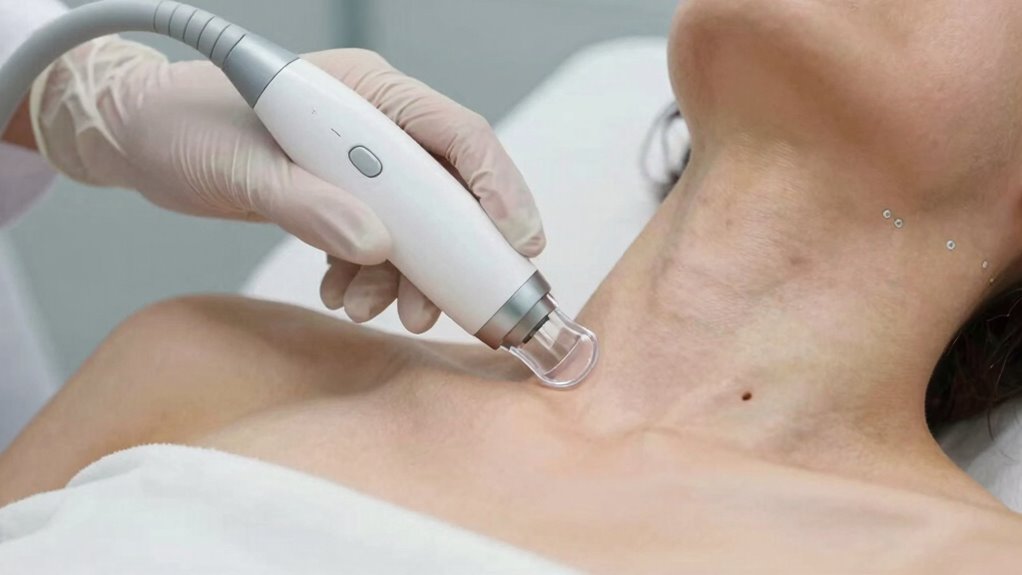
Before placing RF devices on your neck, it’s crucial to assess the skin’s condition and anatomy. Understanding your skin’s elasticity, thickness, and any sensitivities can prevent adverse reactions. You should also consider cost considerations, ensuring the treatment fits your budget without sacrificing quality. Verify device compatibility to avoid ineffective results or damage—check if the device suits your skin type and treatment goals. Additionally, being aware of digital content formats can help you better understand the latest advancements and techniques in RF therapy. Recognizing travel safety tips can be valuable if you’re seeking treatments abroad or in unfamiliar settings. It’s also helpful to research the inclusive casting practices of clinics to ensure respectful and diverse treatment options. Knowing how device safety standards are maintained can further assure you of the treatment’s reliability. Being aware of skin anatomy can inform you about optimal device placement for better outcomes. Keep these factors in mind:
Assess your skin, budget, and device compatibility to ensure safe, effective RF neck treatments.
- Emotional confidence from safe, effective treatments
- Avoiding costly trial-and-error with incompatible devices
- Ensuring your skin can handle RF therapy without irritation
- Maximizing results by choosing the right device for your needs
- Peace of mind knowing you’re making an informed decision
Being mindful of these factors helps you achieve ideal, safe outcomes.
How to Properly Place RF Devices on Your Neck for Best Results
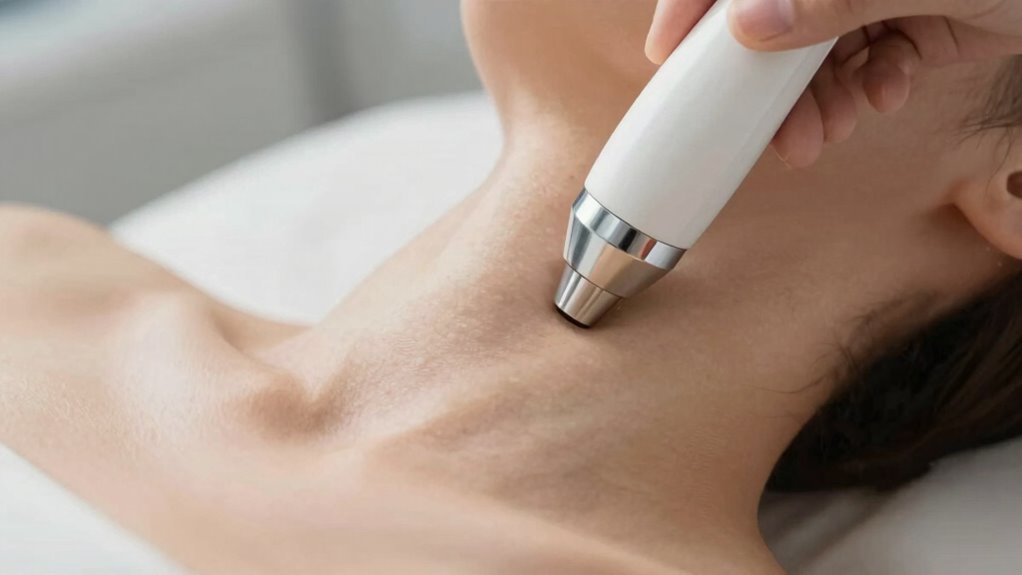
Proper placement of RF devices on your neck guarantees you get the best results while minimizing risks. Before starting, verify the device is properly calibrated for your specific skin type and treatment area. Accurate calibration ensures effective energy delivery and safety. Position the device evenly along your neck, avoiding sensitive areas like the carotid artery and vocal cords. Maintain consistent contact with your skin to enhance patient comfort and prevent uneven heating. Use gentle, steady movements, and avoid overlapping spots to prevent irritation. Regularly check the device’s alignment and calibration throughout the session. Proper placement combined with correct device calibration maximizes treatment efficacy and keeps you comfortable. Remember, precise positioning is key to achieving smooth, youthful results with minimal discomfort. Incorporating traditional Indonesian decor masks into your space can create a culturally rich and harmonious environment that complements your skincare routine. Additionally, paying attention to device placement patterns can significantly improve the overall effectiveness of your RF treatments, especially when combined with an understanding of treatment area anatomy to target the right regions effectively. For optimal results, always assess the skin response during treatment and adjust the placement accordingly. Recognizing the importance of proper device positioning techniques can further enhance treatment safety and outcomes.
Popular RF Neck Placement Patterns and Their Benefits
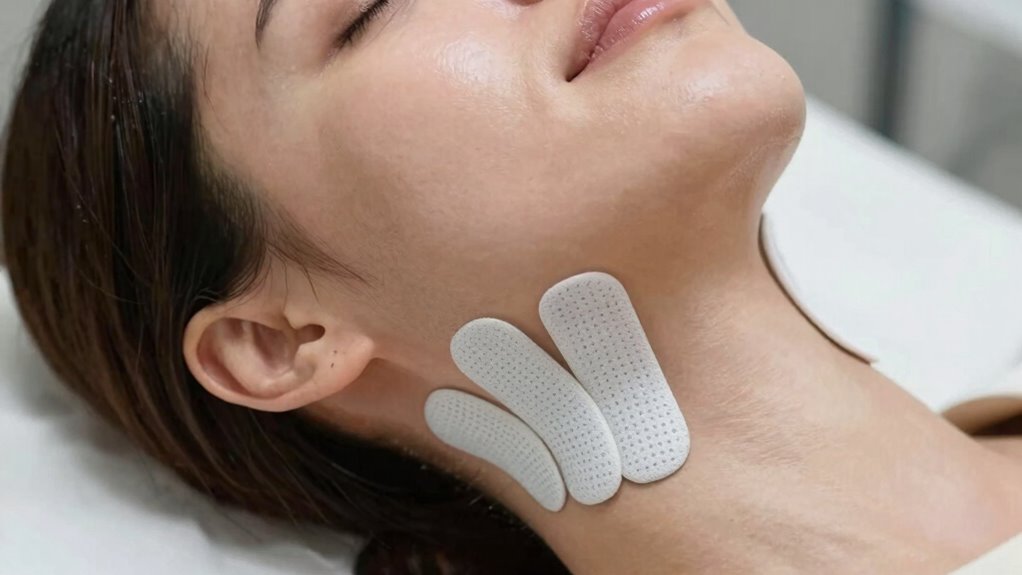
Different RF neck placement patterns are designed to target specific areas and maximize skin tightening. Choosing the right pattern offers benefits like improved collagen production and more natural results. Understanding these common patterns helps you achieve the best possible outcome for your skin. Incorporating sound healing science principles into your skincare routine can enhance overall relaxation and effectiveness. Additionally, being aware of current trends in skin rejuvenation can help optimize your treatment choices. Being mindful of proper treatment techniques ensures safety and enhances results during RF procedures. Exploring free floating techniques in treatment planning can also provide adaptable options tailored to individual needs, especially when considering home soundproofing solutions for a more comfortable recovery environment.
Common RF Neck Patterns
When it comes to RF treatments for the neck, choosing the right placement pattern is key to achieving ideal results. Understanding neck anatomy helps target areas where skin elasticity has diminished, restoring firmness and smoothness. Common RF neck patterns focus on specific zones to optimize outcomes, including:
- Vertical lines along the midline to lift sagging skin
- Horizontal bands across the lower neck for tightening
- Spiral patterns to improve overall skin texture
- Crosshatch designs for extensive coverage
- Focused spots on stubborn areas for targeted rejuvenation
These patterns are designed to stimulate collagen, enhance skin elasticity, and restore youthful contours. Selecting the right pattern ensures you maximize the treatment’s effectiveness, giving you that firmer, smoother neck you desire. Additionally, targeted placement allows for more precise stimulation of collagen in problem areas, leading to better overall results. Incorporating knowledge about projector technology can help in understanding how different RF devices might optimize treatment outcomes through specific energy delivery methods. Understanding RF device types further supports customizing treatments to suit individual skin conditions and desired outcomes. Moreover, employing appropriate placement patterns can help minimize treatment time while maximizing results, especially when tailored to individual skin laxity levels. Recognizing the importance of regional flavors in skin treatment can also guide practitioners in customizing approaches to different skin types, improving overall efficacy and patient satisfaction.
Advantages of Pattern Selection
Choosing the right RF neck placement pattern offers several key benefits that can enhance your treatment results. A benefit analysis shows that effective placement techniques lead to more uniform energy delivery, maximizing skin tightening and collagen stimulation. Proper pattern selection ensures thorough coverage of target areas, reducing the risk of missed spots and uneven results. It also allows you to customize treatments based on individual skin laxity and anatomy, increasing efficacy. Additionally, strategic placement techniques help minimize discomfort and downtime, making the procedure more comfortable and efficient. By selecting the ideal pattern, you improve overall outcomes and patient satisfaction. Furthermore, understanding the importance of consistent technique can help maintain the longevity of results in treatment efficacy. Ultimately, understanding the advantages of pattern selection empowers you to achieve safer, more predictable, and longer-lasting neck skin rejuvenation.
Adjusting RF Device Placement for Different Neck Types and Skin Conditions

To get the best results, you need to adjust your RF device placement based on the neck’s anatomy and skin condition. This means considering variations in skin thickness and tailoring your approach accordingly. Making these modifications guarantees the treatment is both safe and effective for each individual.
Tailoring for Neck Anatomy
Have you ever considered how different neck anatomies influence RF device placement? Your unique structure impacts how effectively you achieve muscle relaxation and skin tightening. To optimize results, tailor your approach based on your neck’s features. Focus on areas with prominent muscle bands or sagging skin, adjusting placement to target those zones precisely. Remember, a customized pattern can enhance comfort and outcomes.
- Address prominent muscle bands to improve muscle relaxation
- Focus on sagging areas for better skin tightening
- Adjust placement for a natural, harmonious look
- Use varied patterns to accommodate unique neck contours
- Prioritize safety and comfort with precise positioning
Adjusting for Skin Thickness
Adjusting RF device placement based on skin thickness is essential for achieving safe and effective results. Thicker skin may need more energy, while thinner skin requires gentler calibration to protect skin elasticity. Proper device calibration ensures the energy penetrates to the right depth without causing damage. Be attentive to the variation in neck types and skin conditions, adjusting your approach accordingly.
| Skin Type | Recommended Adjustment |
|---|---|
| Thick, less elastic | Increase device calibration slightly, focus on deeper layers |
| Thin, elastic | Reduce energy, prioritize superficial layers |
| Moderate | Use standard calibration, monitor response |
This tailored approach guarantees the best outcomes while safeguarding your patient’s skin health.
Modifying for Skin Conditions
When considering different neck types and skin conditions, tailoring RF device placement is essential for ideal results and safety. If your skin has decreased elasticity or stubborn wrinkles, adjusting placement can maximize wrinkle reduction and improve firmness. For sagging skin, focus treatment on the lower neck and jawline, emphasizing areas with less elasticity. If your skin is thin or sensitive, use gentler settings and avoid overly aggressive spots. For uneven texture or scars, target specific irregularities while maintaining safety. Keep these in mind:
- Prioritize areas needing the most lift or wrinkle reduction
- Adjust device positioning to match skin elasticity levels
- Use lighter settings on sensitive or thin skin
- Focus on stubborn wrinkle zones for more noticeable results
- Monitor skin response to prevent irritation or damage
Tips for Maximizing Results With Proper RF Device Positioning
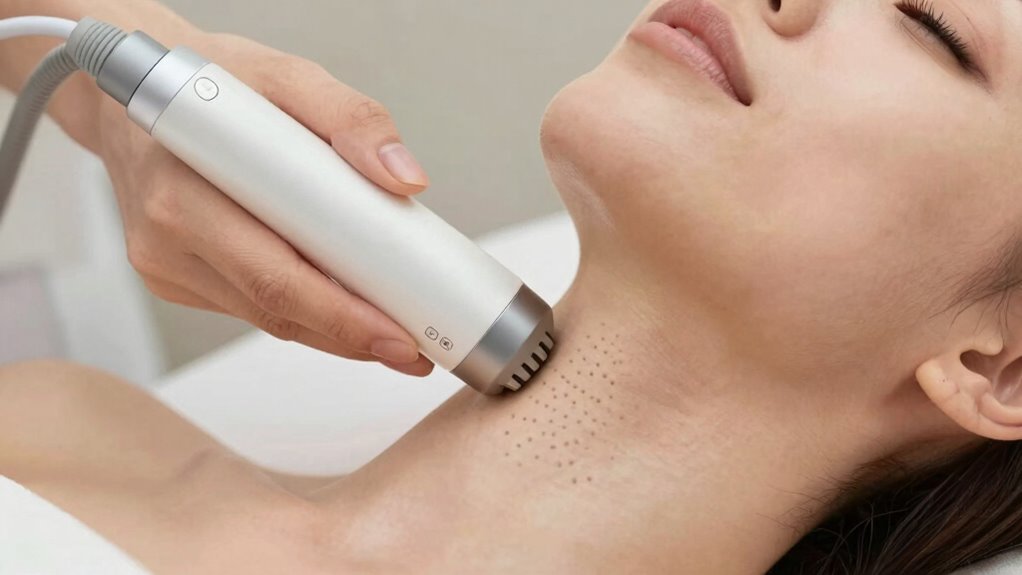
Proper positioning of the RF device is essential for achieving ideal results on neck skin. Before starting, verify the device is properly calibrated to deliver consistent energy levels. This calibration helps maximize effectiveness and prevents over-treatment. Always follow safety precautions, such as using appropriate gel and avoiding sensitive areas, to protect your skin. Maintain steady, even contact with the skin, aligning the device along the predetermined placement pattern. Keep movements slow and deliberate to ensure uniform coverage. Avoid overlapping too much, which can cause uneven results or irritation. Regularly check the device for proper function throughout the session. By focusing on precise placement and adhering to safety measures, you’ll optimize your treatment outcomes and achieve smoother, more youthful-looking neck skin.
Frequently Asked Questions
Can RF Treatment Be Combined With Other Skin Rejuvenation Methods?
Yes, you can combine RF treatment with other skin rejuvenation methods to enhance results. This combination therapy leverages treatment synergy, targeting different skin concerns simultaneously. For example, pairing RF with laser treatments or microneedling can improve skin elasticity and firmness more effectively than standalone procedures. Always consult your practitioner to guarantee the combination is suitable for your skin type and goals, and to minimize risks.
How Long Does It Take to See Visible Results From RF Neck Treatments?
You’ll start noticing visible results from RF neck treatments within 2 to 4 weeks. The treatment works by stimulating collagen production, leading to improved skin tightening over time. For maximum results, multiple sessions are usually recommended, and consistency is key. Keep in mind that individual responses vary, but with proper care, you’ll see your neck skin become firmer and more youthful as collagen levels increase.
Are There Specific Skin Types That Respond Better to RF Therapy?
You’ll find that skin type compatibility varies, but generally, RF therapy works well on lighter to medium skin tones. Darker skin types may require treatment customization to minimize risks like hyperpigmentation. It’s best to consult with your specialist, who can tailor the treatment pattern based on your specific skin type. This personalized approach ensures you get ideal results while reducing potential side effects, making RF therapy effective for a broader range of skin types.
What Are the Potential Risks or Side Effects of RF Neck Treatments?
You should be aware that RF neck treatments carry potential risks like skin redness, swelling, or temporary discomfort. To guarantee safety, follow proper safety considerations and consult a professional. Managing side effects involves cooling the area afterward and avoiding sun exposure. While serious side effects are rare, monitoring your skin’s response and communicating any adverse reactions helps ensure a safe, effective treatment experience.
How Often Should RF Treatments Be Repeated for Optimal Results?
You should typically schedule RF treatments every 4 to 6 weeks, allowing your skin time to rejuvenate and respond. Maintaining a consistent treatment frequency helps optimize results, so follow your provider’s recommended maintenance schedule. Over time, periodic sessions maintain your improvements and prevent regression. Keep track of your progress, and don’t hesitate to discuss adjustments with your specialist to tailor the treatment plan to your evolving needs.
Conclusion
Think the right RF device placement doesn’t make a difference? Think again. Proper positioning isn’t just about comfort; it’s backed by science showing improved skin tightening and rejuvenation. When you follow the right pattern, you’ll see better, longer-lasting results. So, don’t assume any placement works—trust proven techniques. Your neck deserves precise care, and the right pattern could be the key to turning back the clock faster than you’d expect.