
TL;DR

Get wellness gear delivered free — and shop member deals
- Fast, free delivery on millions of items
- Access to Prime Big Deal Days deals on October 6–7
- Prime Video, Amazon Music and more included
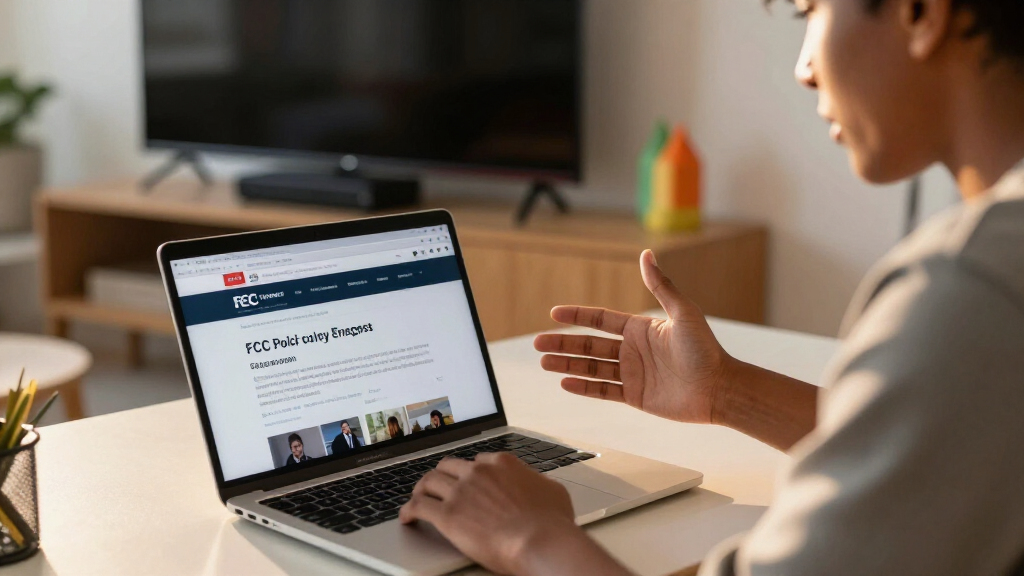
The Federal Communications Commission has eliminated the limit on how many broadcast television stations a single company can own. This move could impact media consolidation and market competition. The decision is effective immediately, but its long-term effects remain uncertain.
The Federal Communications Commission has officially eliminated the longstanding cap on the number of broadcast television stations a single company can own. This decision, announced on April 2024, marks a significant shift in media ownership policy and could lead to increased consolidation in the broadcast industry. The move is expected to influence market competition and diversity of media voices.
According to the FCC, the decision to scrap the ownership limit was made after a review of existing rules and industry practices. The agency stated that the previous restrictions were outdated and no longer aligned with current media markets. The change allows companies to own an unlimited number of broadcast TV stations nationwide, subject to other regulatory considerations. The FCC chair, Jessica Rosenworcel, emphasized that the move aims to promote efficiency and innovation, though critics warn it could lead to greater media consolidation and reduced local diversity. The rule change is effective immediately, with some stakeholders calling for further analysis of its potential impacts.Implications for Media Ownership and Market Competition
This decision is likely to accelerate consolidation within the broadcast TV industry, potentially allowing larger corporations to dominate local markets. Such concentration could impact the diversity of viewpoints and local news coverage, raising concerns among consumer advocates and small broadcasters. Conversely, supporters argue that removing ownership caps can foster operational efficiencies and innovation. The move signals a shift in federal policy that could influence media landscape dynamics for years to come.
As an affiliate, we earn on qualifying purchases.
Background on Ownership Rules and Industry Trends
Historically, the FCC has maintained limits on the number of broadcast stations a single entity could own, aiming to prevent excessive market concentration and promote diversity. These rules have been periodically reviewed and adjusted, most notably in 2004 and 2018. The current change follows a broader trend toward deregulation in media policy, with some industry groups advocating for fewer restrictions to adapt to digital and media market changes. Prior to this decision, ownership caps varied depending on market size and other factors, but the new policy removes these limits entirely for broadcast TV stations.
“Removing these restrictions will allow broadcasters to operate more efficiently and innovate in a rapidly changing media landscape.”
— FCC Chair Jessica Rosenworcel
Potential Impact on Local Media Diversity and Competition
While the FCC has stated that the move aims to promote efficiency, it is still unclear how this will affect local news coverage and market competition in practice. Industry observers warn that increased consolidation could lead to fewer independent voices, but definitive data on the long-term effects are not yet available. Regulatory and legal challenges to the decision may also emerge, and the full impact on consumers and smaller broadcasters remains to be seen.
Next Steps: Monitoring Industry Changes and Regulatory Responses
Regulators, industry stakeholders, and consumer advocates will closely watch how companies respond to the new rule. Possible future actions include legal challenges, further rule adjustments, or legislative measures to counteract potential negative effects. The FCC may also conduct reviews or studies to assess the impact of the policy change over time. Public comments and industry feedback are expected to shape ongoing regulatory decisions in this area.
Key Questions
What does removing the ownership limit mean for broadcasters?
It allows broadcast companies to own an unlimited number of TV stations nationwide, potentially leading to greater industry consolidation.
Will this change affect viewers and local news coverage?
The impact on viewers is uncertain; critics warn it could reduce local diversity, while supporters believe it may improve operational efficiency.
Are there any legal challenges to this FCC decision?
Legal challenges may arise from advocacy groups or state regulators concerned about media concentration and its effects on competition and diversity.
When does the policy change take effect?
The removal of the ownership cap is effective immediately following the FCC’s announcement in April 2024.
Could Congress intervene in this decision?
It is possible; Congress could pass legislation to reinstate or modify ownership rules, but no such action has been announced yet.
Source: hn
Fall Picks
fall essentials
As an affiliate, we earn on qualifying purchases.