
TL;DR

Get wellness gear delivered free — and shop member deals
- Fast, free delivery on millions of items
- Access to Prime Big Deal Days deals on October 6–7
- Prime Video, Amazon Music and more included
Recent wellness advice suggests that small, consistent evening rituals can help improve sleep quality. These rituals are supported by emerging research on sleep hygiene. The article explores what these rituals are, why they matter, and how to incorporate them into nightly routines.
Health and wellness professionals are increasingly recommending small, intentional rituals before bed to help improve sleep quality. These practices, which include calming activities and establishing routines, are supported by emerging research on sleep hygiene and are gaining popularity as accessible ways to enhance sleep health.
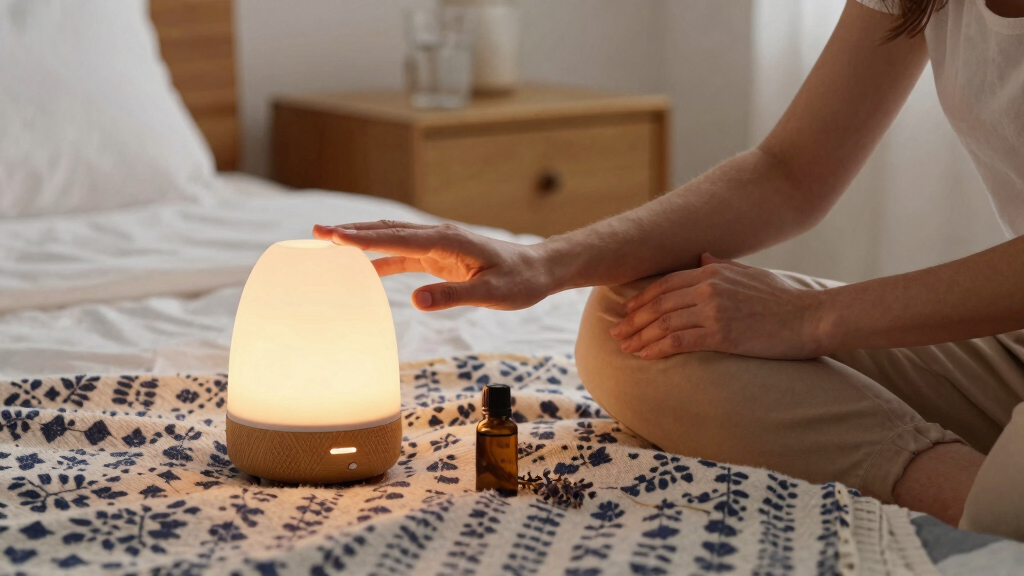
Experts in sleep health emphasize that simple nightly rituals, such as dimming lights, reading a book, or practicing gentle stretching, can signal to the body that it is time to wind down. These routines are not meant to replace medical treatment but serve as supportive measures to promote relaxation and consistency in sleep schedules. Recent studies suggest that establishing a predictable pre-sleep routine can reduce sleep onset latency and improve overall sleep quality, especially for those experiencing mild sleep disturbances.According to Dr. Lisa Monroe, a sleep psychologist at the National Institute of Sleep Health, ‘Consistency in your pre-sleep activities helps reinforce your body’s natural circadian rhythms, making it easier to fall asleep and wake refreshed.’ Many wellness coaches recommend avoiding screens and caffeine in the hour before bed and instead engaging in calming activities like meditation or listening to soft music. While these practices are widely endorsed, individual responses can vary, and they should be integrated into a broader sleep hygiene routine tailored to personal needs.Additionally, some experts highlight the importance of creating a sleep-friendly environment—such as a cool, dark, and quiet bedroom—and maintaining regular sleep and wake times. The emphasis on small rituals is part of a broader movement toward holistic approaches to sleep health, recognizing that habits and environment significantly influence sleep quality.
Why Small Rituals Can Support Better Sleep
Implementing small, consistent rituals before bed can support better sleep by signaling to the body that it is time to wind down, reinforcing circadian rhythms, and reducing sleep onset difficulties. While not a cure for sleep disorders, these practices can be a valuable part of a holistic approach to sleep hygiene, especially for those experiencing mild issues or seeking to improve overall sleep quality. As sleep health becomes a growing concern amid busy lifestyles, these accessible routines offer a practical way to promote relaxation and consistency, potentially leading to improved daytime functioning and well-being.
As an affiliate, we earn on qualifying purchases.
Recent Trends in Sleep Hygiene and Wellness Advice
Over the past few years, there has been a rising focus on sleep hygiene as part of overall wellness. Experts increasingly emphasize the importance of establishing pre-sleep routines that promote relaxation and signal the body to prepare for sleep. Research indicates that consistent habits, such as reducing screen time and engaging in calming activities, can improve sleep onset and quality. This advice aligns with broader health trends that prioritize mental and physical well-being through simple lifestyle adjustments. The promotion of small rituals reflects a shift toward accessible, non-invasive strategies for sleep support, especially relevant during periods of increased stress or disrupted routines.
“Consistency in your pre-sleep activities helps reinforce your body’s natural circadian rhythms, making it easier to fall asleep and wake refreshed.”
— Dr. Lisa Monroe, sleep psychologist
What Aspects of Rituals Are Still Being Studied
It is not yet fully established how long-term adherence to specific rituals impacts sleep quality across diverse populations. While preliminary research and anecdotal reports support their benefits, individual responses vary, and more rigorous studies are needed to determine optimal practices and their effectiveness in treating sleep disorders.
Future Research and Practical Recommendations for Sleep Rituals
Researchers plan to conduct larger, controlled studies to better understand which rituals are most effective and how they can be tailored to individual needs. Meanwhile, sleep health professionals recommend incorporating calming, consistent routines as part of a holistic sleep hygiene approach, with ongoing guidance to adapt practices based on personal response. Public health campaigns may also promote these rituals as accessible tools for improving sleep in the general population.
Key Questions
Are these rituals effective for everyone?
While many find small rituals helpful, their effectiveness varies among individuals. They are generally recommended as supportive measures, not cures for sleep disorders.
What are some examples of good pre-sleep rituals?
Examples include dimming lights, reading a book, practicing gentle stretching, listening to calming music, or meditating. Avoid screens and caffeine before bed.
Can these rituals replace medical treatment for sleep issues?
No. These routines support good sleep hygiene but should not replace medical advice or treatment for diagnosed sleep disorders.
How long should I practice these rituals before seeing benefits?
Results can vary, but many people notice improvements within a few weeks of consistent practice. Patience and consistency are key.
Are there risks associated with these rituals?
Generally, these activities are safe. However, individuals with specific health conditions should consult a healthcare professional before making significant changes to their routines.
Source: rss
Fall Picks
fall essentials
As an affiliate, we earn on qualifying purchases.