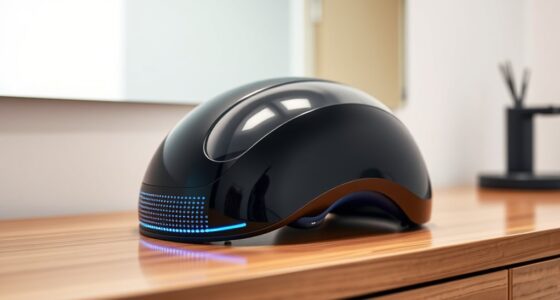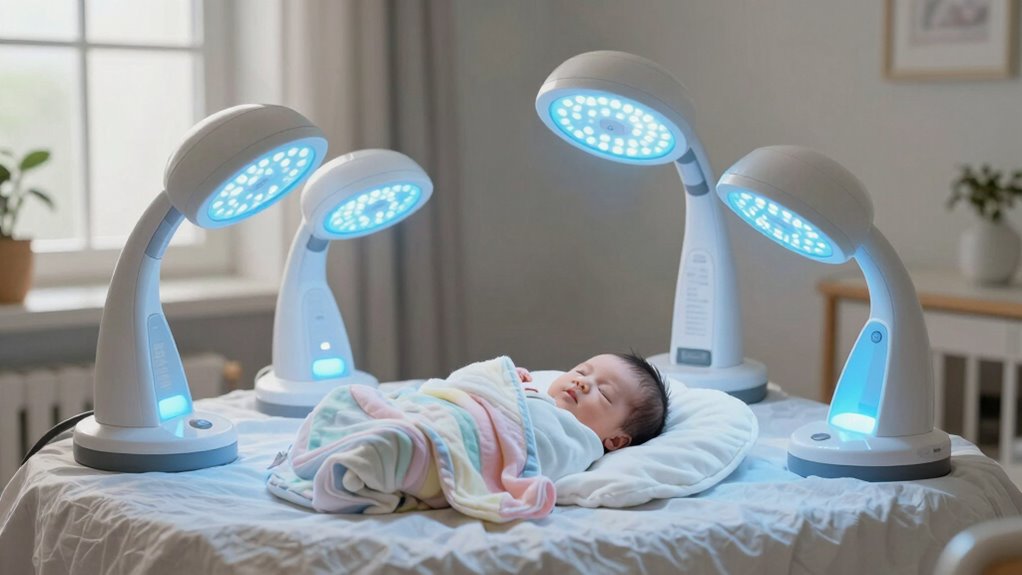

Choosing the right phototherapy lamp for neonatal jaundice at home involves balancing safety, convenience, and effectiveness. For parents seeking reliable in-home treatment, the Jaundice Light Therapy Baby Bilirubin Lamp Blanket stands out for its proven blue LED therapy, but it requires multiple sessions and isn’t portable. The Portable Blue LED Light Therapy for Newborns offers excellent portability and safety, ideal for on-the-go use but may need careful management of treatment timing. Meanwhile, the Neonatal Jaundice Blue Light Lamp with 105 LEDs provides a powerful, non-heating option for more consistent daily sessions. This guide compares these options and more, helping you choose based on your specific needs and treatment preferences.

Get wellness gear delivered free with Prime
- Fast, free delivery on millions of items
- Prime Video, Amazon Music and more included
- Member-only deals all year
Key Takeaways
- Most options require multiple sessions over several days for effective bilirubin reduction.
- Portability varies widely; some devices are travel-friendly, while others are better suited for home use.
- Safety features like UV-free, non-heating lights make these lamps suitable for delicate neonatal skin.
- Devices with more LEDs or higher wattage generally offer faster or more consistent results.
- All products should be used under pediatric guidance, especially those requiring longer or repeated treatments.


| phototherapy lamp for newborn jaundice home | Application |
|---|---|
| Jaundice Light Therapy Baby Bi | Neonatal jaundice treatment |
| Jaundice Light Therapy for New | Neonatal jaundice, skin care |
| Jaundice Light Therapy for New | Neonatal jaundice |
| Neonatal Jaundice Blue Light L | — |
| Portable Blue Light Lamp for N | — |
More Details on Our Top Picks
Jaundice Light Therapy Baby Bilirubin Lamp Blanket Blue Ray 144LED
This neonatal jaundice lamp employs blue light therapy with 144 LEDs, providing a safe, non-invasive treatment option. Its design focuses on delivering effective bilirubin reduction through 30-minute sessions, making it suitable for parents comfortable managing multiple treatments over days. Compared to portable options, it offers more consistent exposure but is less convenient for travel. Its primary limitation is that it requires several sessions for optimal results and lacks detailed info on power source or size, which could impact usability.
Pros:- Non-invasive and painless therapy
- Safe blue LED light for delicate skin
- Effective in reducing bilirubin levels
Cons:- Requires multiple sessions over days
- Limited portability
- No detailed information on power source
Best for: Parents seeking a dedicated, home-use device with proven efficacy
Not ideal for: Families needing a portable or travel-ready device
- Light Type:Blue LED
- Number of LEDs:144
- Application:Neonatal jaundice treatment
- Treatment Duration:30 minutes per session
- Warranty:1 month
Our verdict“A reliable, effective option for those prioritizing home-based treatment over portability.”
Jaundice Light Therapy for Newborns and Skin Care – Portable Blue LED Lamp with 18 LEDs
This compact blue LED device is designed for neonatal jaundice and skin care, weighing less than 2 pounds and equipped with 18 LEDs. Its portability makes it ideal for parents on the move who want a safe, painless, UV-free blue light therapy device. While it’s easy to carry and operate, it’s best suited for quick, shorter sessions, requiring multiple treatments over days for significant bilirubin reduction. Its limited LED count means it may not deliver as intense or rapid results as larger devices, and managing session timing is essential for safety.
Pros:- Portable and lightweight for travel
- Safe for all skin types, including sensitive skin
- Painless, non-heating blue light therapy
Cons:- Requires multiple sessions for best results
- Limited LED count may mean slower effectiveness
- Designed mainly for neonatal jaundice and skin care
Best for: Parents needing a lightweight, travel-friendly solution
Not ideal for: Families seeking intensive or high-frequency treatment
- Material:ABS
- Light Chips:18pcs
- Voltage:110-240V
- Use Time:3-5 times daily, 1-5 minutes
- Weight:Less than 2 pounds
- Application:Neonatal jaundice, skin care
Our verdict“A great portable option for occasional use, especially when convenience matters most.”
Jaundice Light Therapy for Newborns – Bilirubin Blue Light Lamp with 18 LEDs and Eye Mask
This device offers a portable blue LED light with 18 LEDs, including an eye mask to facilitate treatment under medical guidance. It uses specific wavelength blue light to lower bilirubin levels efficiently, supporting natural excretion. Its portability and included eye protection make it suitable for home use, but it should be used under pediatric supervision, and treatment might extend over several days. Its limited LED count means it might not be as fast as larger devices, but its convenience makes it appealing for routine use.
Pros:- Portable and easy to use
- Includes eye mask for safety
- Effective wavelength for bilirubin reduction
Cons:- Requires medical supervision
- Treatment may last several days
- Limited information on battery life
Best for: Parents wanting a portable, hospital-style device for home use
Not ideal for: Those seeking high-intensity or fast results without medical oversight
- Light Type:Blue LED
- Number of LEDs:18
- Usage:Portable, with eye mask
- Application:Neonatal jaundice
Our verdict“A practical choice for parents who want a portable device that closely resembles clinical treatment but under pediatric guidance.”
Neonatal Jaundice Blue Light Lamp for Newborns, 105 LED 460nm Blue Light Therapy Device
This lightweight blue light therapy lamp uses 105 LEDs at 460nm to promote bilirubin breakdown safely. Designed for multiple daily sessions of about 2 hours, it offers a balanced approach between effectiveness and convenience. Its non-heating, UV-free design makes it suitable for sensitive skin, and its portability allows use at home or in clinics. The longer session times might be a drawback for busy parents, but the higher LED count supports faster bilirubin reduction compared to smaller devices.
Pros:- Non-invasive, painless therapy
- UV-free, safe for all skin types
- Effective with multiple daily sessions
Cons:- Requires longer daily sessions
- Must be used with goggles
- Not as portable as smaller devices
Best for: Parents seeking a reliable, semi-portable device for regular use
Not ideal for: Families requiring quick, short sessions or travel-only use
- LED Count:105
- Wavelength:460 nm
- Use Time:2 hours, 3-5 times daily
- Recommended Distance:30-50 cm
Our verdict“A solid choice for consistent, at-home bilirubin management with a focus on safety.”
Portable Blue Light Lamp for Newborns, 460nm Wavelength, 18 LED Light for Jaundice Relief and Skin Whitening
This compact blue light uses 18 LEDs at 460 nm, offering a gentle, UV-free, non-heating therapy suitable for jaundice relief and skin whitening. Its lightweight, under 2 pounds design makes it perfect for travel and quick home treatments. While it’s easy to operate and safe, it’s not a medical device, so results may vary, and it’s best used as a supplementary tool under pediatric advice. Routine sessions of 2 hours multiple times daily are necessary for noticeable effects.
Pros:- Portable and lightweight
- Safe, UV-free, non-heating LED tech
- Easy to operate
Cons:- Not a medical device
- Requires multiple daily sessions
- Variable effectiveness
Best for: Parents wanting a lightweight, multi-purpose device for occasional use
Not ideal for: Those needing intensive or clinical-grade treatment
- Wavelength:460 nm
- LED Count:18
- Weight:Under 2 lbs
- Operation Distance:20-30 inches
- Safety:UV-free, non-heating
Our verdict“Ideal for supplementary use or skin care, especially for families valuing portability and ease of use.”

How We Picked
Our selection process focused on devices specifically designed or suitable for home use in treating neonatal jaundice. We prioritized safety features such as UV-free blue LED technology and non-heating lights, critical for newborns. We looked for versatility, including portability for travel and ease of use, as well as devices with a clear treatment protocol. Effectiveness was assessed based on LED count, wavelength, and user reviews, with a preference for products supported by clinical or medical guidance. Finally, we balanced price point and durability to recommend options accessible for most families.
| phototherapy lamp for newborn jaundice home | Application |
|---|---|
| Jaundice Light Therapy Baby Bi | Neonatal jaundice treatment |
| Jaundice Light Therapy for New | Neonatal jaundice, skin care |
| Jaundice Light Therapy for New | Neonatal jaundice |
| Neonatal Jaundice Blue Light L | — |
| Portable Blue Light Lamp for N | — |
Factors to Consider When Choosing Phototherapy Lamp For Newborn Jaundice Home
Choosing the right phototherapy lamp for home neonatal jaundice treatment depends on several factors. The primary considerations include safety features, portability, treatment efficacy, and ease of use. Devices with more LEDs or higher wavelengths tend to offer quicker bilirubin reduction but may require longer sessions or more supervision. Portability is vital if you plan to travel or need frequent on-the-go treatments. Always consult with your pediatrician to ensure the device suits your baby’s specific needs and to establish a safe treatment routine.Safety Features
Safety is paramount when selecting a phototherapy device for newborns. Look for lamps that emit UV-free blue light and are non-heating, reducing the risk of skin burns or eye damage. Devices with built-in eye protection or included masks add an extra layer of safety, especially if the treatment is supervised at home. Always verify that the device complies with medical safety standards and consult your pediatrician before use.
Portability and Ease of Use
If you need flexibility, choose a lightweight, portable device that can be easily moved or carried during travel. Smaller devices with fewer LEDs are often more convenient but might require longer or more frequent sessions to achieve the same results. Consider how much space you have at home and whether you prefer a dedicated device or something more versatile for on-the-go use.
Treatment Effectiveness
The number of LEDs, wavelength, and device power influence how quickly bilirubin levels can decrease. Larger LED counts and higher wavelengths generally mean faster results, but they may also require longer setup or supervision. Devices with adjustable timers and safety features make it easier to tailor treatment sessions to your baby’s needs. Always follow medical guidance on session length and frequency.
Frequently Asked Questions
Is home phototherapy safe for newborns?
When used correctly, home phototherapy devices that are UV-free and non-heating are generally safe for newborns. It’s essential to follow your pediatrician’s guidance, ensure the device is used at the correct distance, and monitor your baby during treatment. Safety features like eye masks and built-in timers help prevent accidental overexposure, but supervision remains critical throughout the process.
How long does each phototherapy session typically last?
The duration varies depending on the device and bilirubin level. Many devices recommend sessions ranging from 1 to 2 hours, sometimes up to 3-5 hours per day, split into multiple shorter periods. Always adhere to your pediatrician’s instructions, as longer or more frequent sessions might be necessary for more severe jaundice, but overexposure should be avoided.
Can I use a portable device for my baby’s jaundice treatment?
Yes, portable devices can be effective for mild cases or as a supplement to clinical treatment. They offer convenience and mobility, making it easier to administer therapy at home or while traveling. However, because they often have fewer LEDs and lower power, they might require longer or more frequent sessions. Always consult your pediatrician before relying solely on portable devices for treatment.
Are there any risks associated with phototherapy at home?
Risks are minimal when devices are used according to safety guidelines, but improper use can lead to skin irritation, eye exposure, or inadequate bilirubin reduction. Overexposure or incorrect positioning may cause discomfort or less effective treatment. Regular pediatric supervision is recommended to minimize these risks and ensure the therapy is safe and effective.
When should I stop phototherapy at home?
Follow your pediatrician’s advice regarding treatment duration. Typically, phototherapy is continued until bilirubin levels decrease to safe thresholds, confirmed through blood tests. Once your baby’s bilirubin stabilizes or drops below the recommended range, your doctor will advise stopping or reducing treatment. Never discontinue therapy prematurely without medical approval.
Conclusion
For parents prioritizing reliable, effective home treatment, the Jaundice Light Therapy Baby Bilirubin Lamp Blanket offers a solid balance of safety and performance, though it demands multiple sessions. Those needing a portable, on-the-go solution will find the Portable Blue LED Light Therapy Device convenient, but should be aware of its slower results. Families looking for consistent, daily bilirubin management might prefer the Neonatal Blue Light Lamp with 105 LEDs for its higher LED count and effective design. Lastly, for multi-purpose or travel-friendly use, the 460nm wavelength portable lamp with 18 LEDs provides a lightweight option, although it’s less suited for intensive medical treatment. Choose based on your treatment goals, lifestyle, and pediatric guidance to ensure your baby’s safety and health.