
Using neuropathy devices isn’t just about pointing and sitting; you need to understand their advanced features, sensor responses, and real-time feedback. Active participation and proper placement of sensors are key to effective therapy. Adjustments based on your body’s signals help personalize treatment and avoid discomfort. Collaborating with healthcare providers and listening to your body maximize results. If you keep exploring, you’ll discover how to truly optimize your device for better quality of life.
Key Takeaways
- Effective use requires proper sensor placement and understanding device feedback for optimal therapy.
- Real-time adjustments based on sensor data ensure personalized, safe, and effective treatment.
- User engagement and active participation enhance outcomes and help interpret sensations during therapy.
- Training is necessary to correctly interpret feedback and prevent misapplication of device settings.
- Combining device features with healthcare provider guidance maximizes therapy benefits and safety.
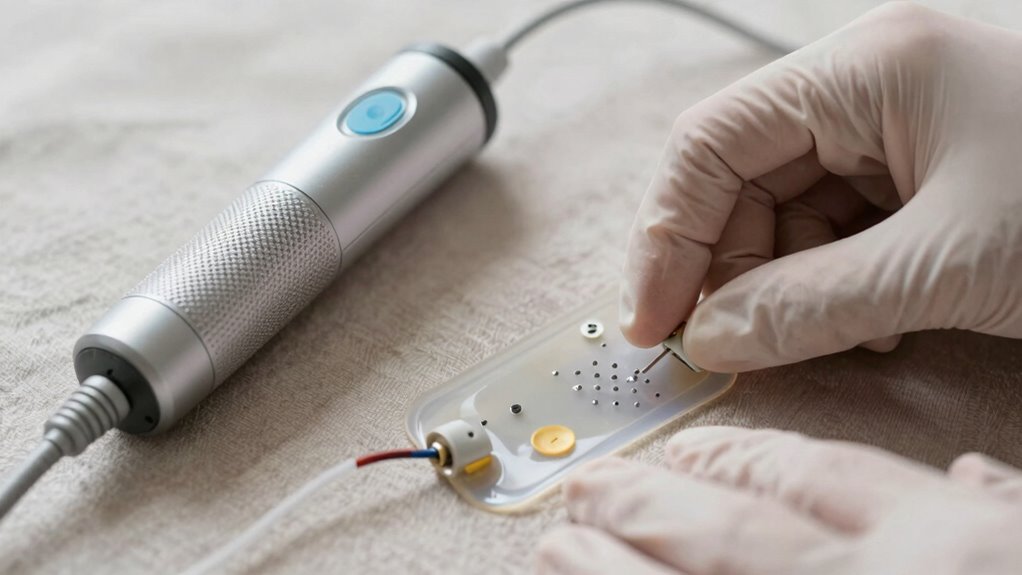
Neuropathy devices have become indispensable tools for those seeking relief from nerve pain and discomfort. But using these devices isn’t as simple as just pointing and sitting. To get the most benefit, you need to understand how they work and the importance of proper use. One key aspect is sensor technology, which plays an essential role in personalizing treatment. Modern devices are equipped with sensors that monitor nerve responses, temperature, and even muscle activity. These sensors detect subtle changes in your body, allowing the device to adjust its output accordingly. These real-time adjustments are part of sensor responsiveness, which ensures that therapy remains effective and tailored to your current condition. This adaptive technology enhances the precision of treatment, making sure your therapy is both safe and effective. These real-time feedback mechanisms ensure that the therapy is effective without causing discomfort or overstimulation. It’s not just about applying a treatment but making sure it’s tailored to your specific needs, which can vary from day to day or even hour to hour. Additionally, understanding how sensor technology functions can help you better interpret the feedback and optimize your treatment sessions. Recognizing the importance of automated grammar analysis tools can also assist writers in identifying passive voice and improving clarity in their documentation or instructions.
Modern neuropathy devices use sensor technology for personalized, real-time treatment adjustments.
Your engagement with the device also matters considerably. Many neuropathy devices now include user interfaces that encourage active participation. For example, you might be prompted to rate your pain levels or select specific treatment modes. This kind of patient engagement isn’t just a feature; it’s a critical element in optimizing your therapy. When you’re involved in the process, you develop a better understanding of how your body responds and can communicate more effectively with your healthcare provider. Plus, engaging with the device often means you’re more likely to stick with your treatment plan, improving long-term results.
However, it’s important to recognize that effective use requires more than just following basic instructions. You need to pay attention to how the device interacts with your body, noting any sensations or changes. Proper placement of sensors and electrodes is essential; even slight misalignments can reduce effectiveness. And because sensor technology is sophisticated, you should be trained to interpret feedback from the device accurately. This knowledge helps prevent frustration and ensures you’re making the most of your therapy sessions.
In essence, using neuropathy devices thoughtfully involves understanding their advanced features and actively participating in your treatment. It’s about more than just sitting passively; it’s about engaging with the technology, listening to your body, and working with your healthcare team to fine-tune your therapy. When you embrace this approach, you’ll find that these devices can be much more effective, providing real relief from nerve pain. The combination of sensor technology and patient engagement creates a personalized, responsive treatment experience that can make a profound difference in your quality of life.
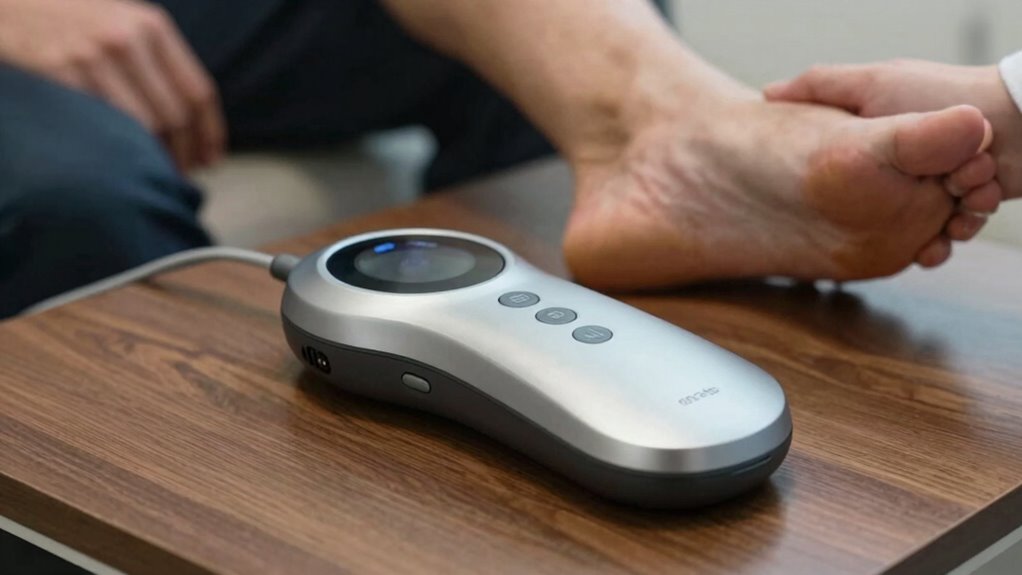
neuropathy nerve stimulation device
As an affiliate, we earn on qualifying purchases.
As an affiliate, we earn on qualifying purchases.
Frequently Asked Questions
How Do Neuropathy Devices Differ From Traditional Treatments?
Neuropathy devices differ from traditional treatments by offering targeted, customizable relief. You can adjust device settings for better effectiveness, unlike one-size-fits-all approaches. These devices focus on specific nerve areas, providing more precise treatment. Their effectiveness depends on proper customization, ensuring that you get tailored relief. Unlike medication or generic therapies, neuropathy devices allow you to actively control your treatment, making them a more personalized and potentially more effective solution.
Are Neuropathy Devices Suitable for All Types of Nerve Damage?
You might think neuropathy devices are a one-size-fits-all solution, but that’s far from the truth. These devices aren’t suitable for all types of nerve damage, especially severe or complex cases. Alternative treatment options exist for different nerve issues, and your patient experience varies greatly depending on the condition. You should consult a healthcare professional to determine if a neuropathy device fits your specific nerve damage, rather than assuming it’s a universal fix.
What Safety Precautions Should Users Take With These Devices?
You should always follow proper device maintenance and user training to stay safe with neuropathy devices. Regularly inspect the device for damage, clean it as instructed, and replace batteries when needed. Make sure you understand how to operate it correctly by attending training sessions or reading the manual thoroughly. Avoid using the device on damaged skin or if you feel discomfort, and consult your healthcare provider if unsure about safety procedures.
How Long Does It Typically Take to See Results?
Imagine planting a seed and waiting for it to sprout; that’s how treatment patience works for neuropathy devices. Typically, you’ll notice symptom improvement within a few weeks, but full results often take several months. Everyone’s different, so staying consistent and giving your body time to respond is key. Trust the process, and with patience, you’ll see gradual changes that make a real difference.
Can Neuropathy Devices Be Used Alongside Other Therapies?
Yes, you can use neuropathy devices alongside other therapies. Combining them with complementary therapies or holistic approaches can enhance your overall treatment. Always talk to your healthcare provider before starting new methods to guarantee they work well together and suit your specific needs. Integrating these approaches might improve your symptom management and provide a more thorough path to relief, making your treatment plan more effective and personalized.
Conclusion
Don’t assume neuropathy devices are a quick fix; they require thoughtful consideration and proper use. If you think they’re just “point and sit,” you might miss out on real relief. By understanding your options and working with healthcare professionals, you can find solutions that truly make a difference. Remember, investing time now can lead to long-term comfort. So, don’t settle for shortcuts—choose devices that align with your needs and give you the relief you deserve.