
You should adjust your expectations for scalp treatments because they involve different skin structures, absorption rates, and goals than facial care. The scalp has thicker skin with more oil glands, making products absorb slower and results take longer. Treatments focus on improving scalp health, boosting circulation, and addressing underlying issues, rather than just surface appearance. Being aware of these differences helps set realistic goals. If you want to understand how to optimize your scalp sessions, keep exploring these essential distinctions.
Key Takeaways
- The scalp has thicker skin with more oil glands, affecting how treatments are absorbed and their visibility of results.
- Scalp treatments often require longer, consistent sessions to see improvements due to slower absorption.
- Goals focus on improving scalp health and follicle stimulation, unlike facial treatments that target surface skin issues.
- Application techniques and formulations differ to address the scalp’s structural and sensitivity differences.
- The scalp is less sensitive but can react to harsh treatments, requiring careful timing and moderation for safety and effectiveness.
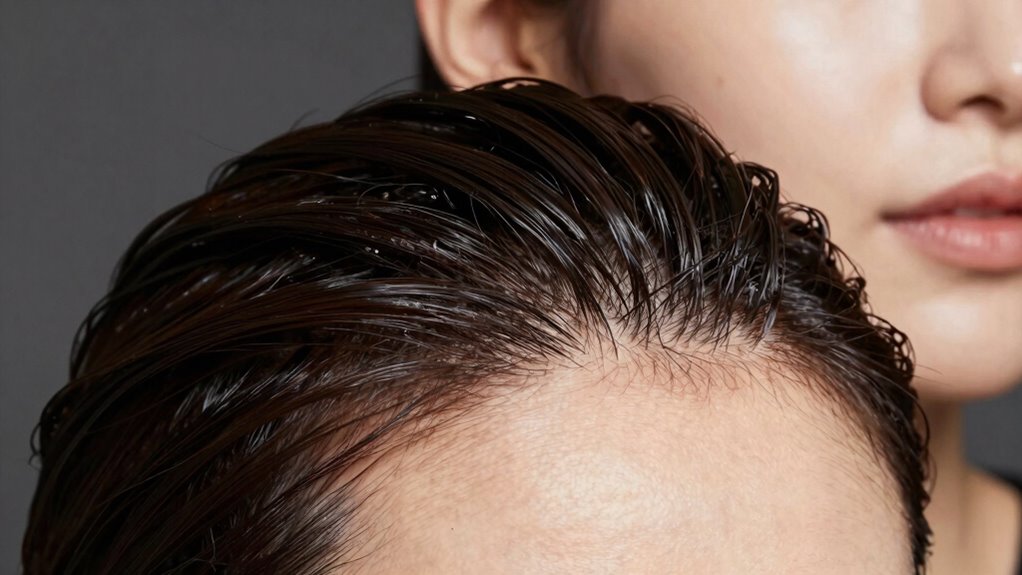
When it comes to skincare treatments, understanding the differences between scalp sessions and face sessions can help you choose the right approach for your needs. While both treatments aim to improve your skin or scalp health, they function quite differently due to the unique structure and needs of each area. Scalp sessions focus on boosting hair health and optimizing product absorption into the scalp, which is a different challenge compared to treating the delicate skin on your face. Because your scalp has thicker skin, more oil glands, and stronger hair follicles, the expectations for scalp treatments need to be adjusted accordingly.
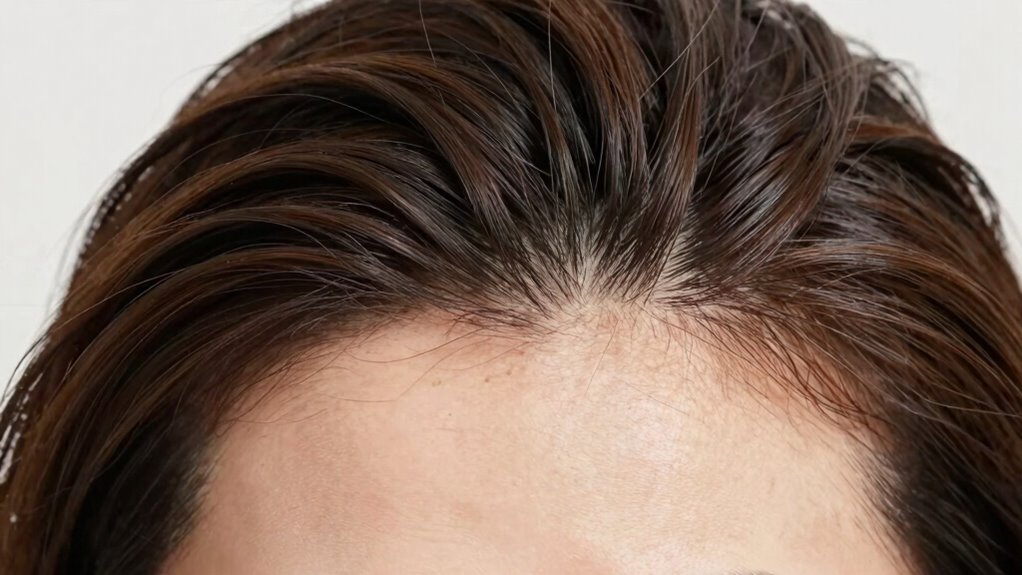
One key reason scalp sessions require different expectations is the way products are absorbed. On your face, the skin is thinner and more receptive to topical treatments, so you might expect more immediate or visible results from skincare products. However, on your scalp, the thicker skin and hair follicles mean that products often take longer to penetrate and make an impact. You shouldn’t expect instant results just because a product is applied; instead, consistent sessions over time are necessary to see improvements in hair health, such as reduced thinning or increased strength. Additionally, the structural differences between scalp and facial skin influence how treatments perform and what outcomes are realistic. Recognizing these anatomical distinctions can help set proper expectations for progress. Understanding these cellular structures also explains why scalp treatments may need different formulations to be effective. It’s also important to consider that scalp treatments often require different application techniques to reach the targeted areas effectively.
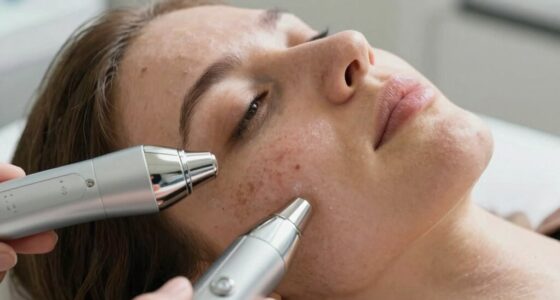
Furthermore, scalp sessions are often designed to address underlying issues like scalp dryness, excess oil, or buildup, which can hinder hair growth. These issues are less prominent on your face and require different formulations and treatment methods. The goal isn’t just to treat surface skin but to create a healthier environment for your hair to thrive. As a result, scalp treatments may involve more intensive or specialized procedures, such as microneedling or targeted serums, that focus on stimulating hair follicles and improving scalp circulation. Understanding structural differences can help set realistic expectations for treatment outcomes. Additionally, because the scalp is less sensitive than the face, treatments can sometimes be more aggressive, but should still be approached with care to avoid unnecessary scalp irritation.
Expectations around sensitivity also differ. Your face is more prone to irritation from treatments because it’s more sensitive and exposed. The scalp, however, is less delicate but can still react to treatments if they are too harsh or improperly applied. This means you need to be mindful of how often you undergo scalp sessions and the types of products used, avoiding over-treatment that could lead to irritation or scalp damage. Recognizing these distinctions can help prevent unnecessary discomfort and promote better results.

The Ordinary Hair Care Natural Moisturizing Factors + Hyaluronic Acid, Lightweight Hydrating Scalp Serum with Hyaluronic Acid and Squalane, 2 Fl Oz
- Lightweight Hydrating Serum: Supports scalp hydration and comfort
- Mimics Natural Moisture: Contains natural moisturizing factors, hyaluronic acid, squalane
- Non-Greasy Formula: Hydrates without weighing down hair
As an affiliate, we earn on qualifying purchases.
As an affiliate, we earn on qualifying purchases.
Frequently Asked Questions
How Long Do Scalp Sessions Typically Last Compared to Face Sessions?
Scalp sessions usually last about 30 to 45 minutes, while face sessions tend to be shorter, around 20 to 30 minutes. You might notice increased scalp sensitivity afterward, so it’s crucial to give your scalp time to recover. These sessions focus on improving hair follicle health, which requires more targeted treatment and longer duration. Be patient, and you’ll see better results as your scalp becomes healthier over time.
Are There Any Special Products Used Exclusively for Scalp Sessions?
Think of scalp sessions as a garden needing special care—you wouldn’t use the same tools on flowers and vegetables. You use scalp-specific serums and exclusive hair masks designed to target scalp concerns, like excess oil or dryness. These products are formulated to nourish the scalp deeply while promoting healthy hair growth. Using these tailored products guarantees your scalp gets the right treatment it needs for maximum results.
Can Scalp Sessions Be Performed More Frequently Than Face Sessions?
Yes, scalp sessions can be performed more frequently than face sessions because scalp care focuses on stimulating hair health and maintaining scalp health, which often requires regular attention. You might schedule scalp sessions weekly or bi-weekly to promote hair growth and prevent issues like dryness or buildup. Just remember, more frequent sessions should be tailored to your specific scalp needs to avoid overdoing it and guarantee the best hair health.
What Are Common Aftercare Tips Following a Scalp Session?
After a scalp session, you should keep your scalp clean and avoid direct sun exposure to protect your scalp health. Use gentle, nourishing products that promote hair growth and avoid harsh chemicals. Keep your scalp moisturized and avoid scratching or picking at it. Staying hydrated and maintaining a healthy diet also support hair growth. These aftercare tips help guarantee your scalp remains healthy, encouraging ideal hair growth and overall scalp health.
Do Scalp Sessions Require Different Skincare Precautions Than Face Sessions?
Did you know that the scalp has more oil glands than your face? Scalp sessions do require different skincare precautions because your scalp needs extra attention to promote hair health and prevent buildup. Applying scalp hydration products and avoiding harsh chemicals help maintain balance. Unlike face skincare, focus on gentle, nourishing treatments tailored for hair growth, ensuring your scalp stays healthy and vibrant without over-stimulating or drying out the skin.
Conclusion
Just as the moon’s tides differ from the sun’s rays, your scalp and face require unique care and expectations. Embrace these differences, knowing that each session serves its own purpose—nurturing what’s beneath and revealing what’s visible. Like a well-tuned symphony, understanding these nuances allows your skincare routine to harmonize perfectly. So, approach each session with patience and appreciation, trusting that, in time, your skin will shine as brilliantly as a star in the night sky.