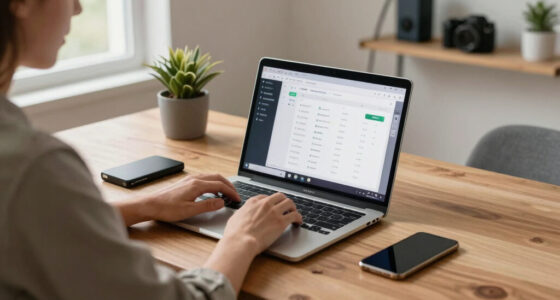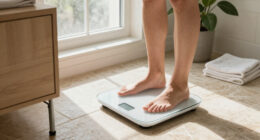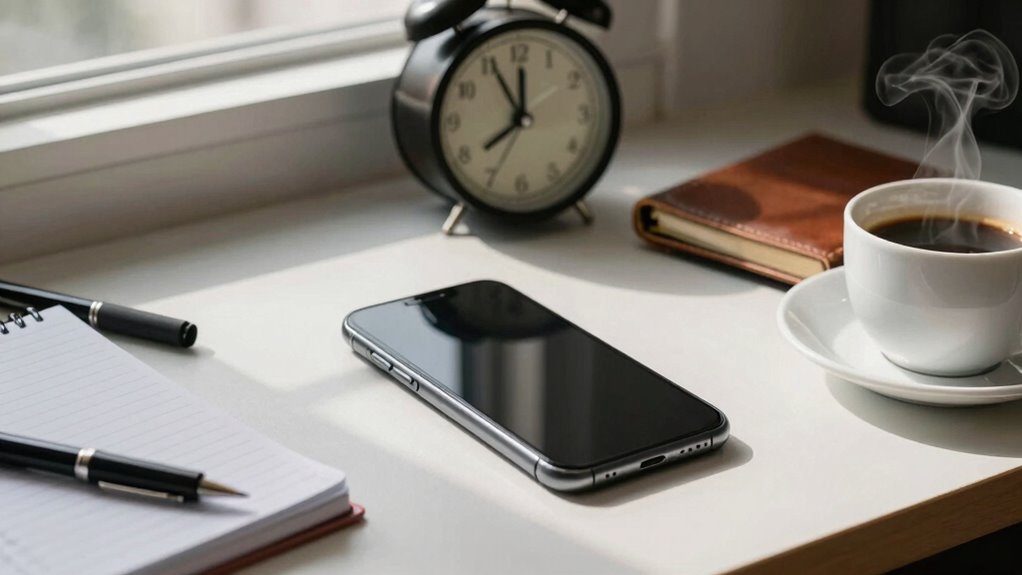
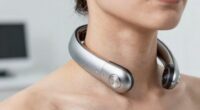
Devices work better as routine anchors when they integrate smoothly into your daily life and give you immediate, personalized feedback. Smartphones, with their multifunctionality and customization, reinforce habits and act as behavioral cues from morning to night. Wearables, constantly on your body, serve as persistent reminders for health routines and prompt actions like stretching or standing. When devices match your habits and are user-friendly, they become more effective at embedding routines—if you want to discover how to choose the right ones, keep exploring.

Get wellness gear delivered free with Prime
- Fast, free delivery on millions of items
- Prime Video, Amazon Music and more included
- Member-only deals all year
Key Takeaways
- Devices that seamlessly integrate into daily routines and provide immediate, personalized feedback are more effective as anchors.
- Personalization and ease of use increase user engagement and long-term adherence to routines.
- Devices with multifunctionality and adaptability better reinforce diverse habits and behaviors.
- Persistent devices, like wearables, serve as constant reminders, embedding routines more automatically.
- Alignment with individual habits and needs enhances the device’s reliability as a behavioral cue.
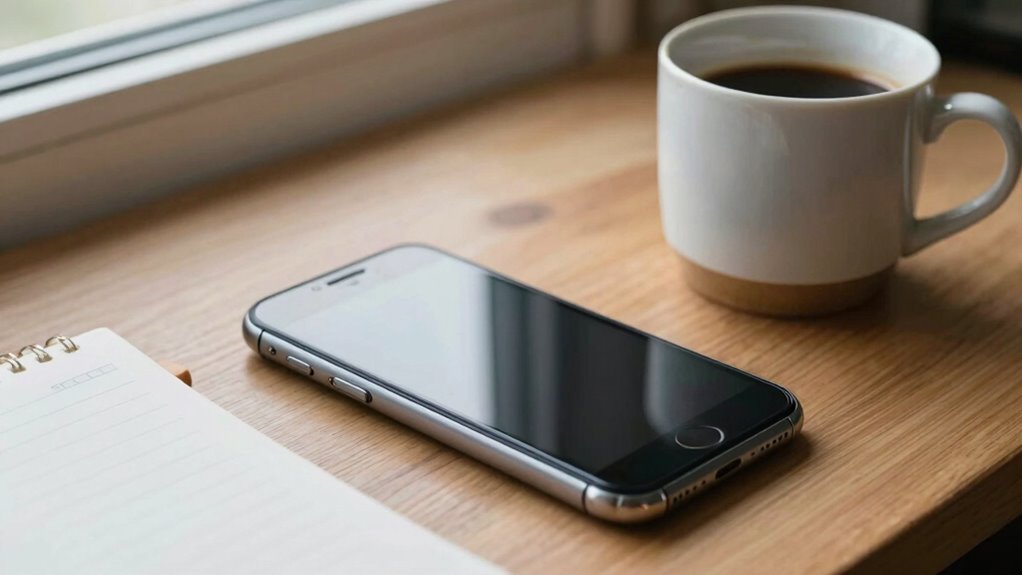
In today’s fast-paced world, devices have become more than just tools—they serve as routine anchors that structure our daily lives. Among these, smartphones stand out because of how deeply they’re woven into your daily habits. You check your phone first thing in the morning, using it to wake up, plan your day, or even set your mood. As the day progresses, your smartphone’s notifications, messaging apps, and social media keep you connected and informed, shaping your routines without you even realizing it. But what makes smartphones particularly effective as routine anchors isn’t just their multifunctionality; it’s how they adapt to your habits, reinforcing behaviors with each interaction. For example, your morning coffee might be paired with scrolling through news on your device, making that moment a predictable part of your day. Over time, your smartphone becomes more than a gadget—it becomes a behavioral cue that signals certain actions or moods. Additionally, many devices leverage habit formation principles to strengthen routine adherence and make behaviors more automatic. Wearable technology takes this a step further by integrating seamlessly into your daily rhythm. Unlike smartphones, which you carry around, wearables are always on your body—watches, fitness trackers, or smart rings—making them persistent reminders of your routines. They often track your health metrics, alert you to schedule changes, or prompt you to move when you’ve been sedentary too long. This constant presence helps embed specific behaviors into your daily schedule, making routines more automatic and less effortful. For instance, a fitness tracker might remind you to stand up and stretch during a long workday, reinforcing a healthy habit. Because wearable tech offers immediate feedback and personalized prompts, it’s especially effective at anchoring routines that relate to health, fitness, and wellness. Devices that work best as routine anchors are those that fit naturally into your lifestyle and provide consistent, immediate feedback. Smartphones excel here because of their versatility—they’re always accessible and can be customized to suit your needs. Wearables, on the other hand, excel at embedding physical activity and health-related routines into your day. Both types of devices succeed because they reinforce behaviors through habit formation, acting as cues and motivators. When a device aligns well with your personal habits, it becomes a reliable partner in maintaining routines. Recognizing the importance of personalization can help you choose devices that truly support your routines rather than disrupt them. Furthermore, selecting devices that are user-friendly enhances adherence, ensuring your routines remain consistent over time. Developing a consistent device usage pattern can further improve the effectiveness of these routines, making them more ingrained and effortless. Incorporating feedback mechanisms into device design can also boost motivation and help sustain long-term habits.
fitness tracker with personalized feedback
As an affiliate, we earn on qualifying purchases.
As an affiliate, we earn on qualifying purchases.
Frequently Asked Questions
How Do Personal Preferences Influence Device Choice as a Routine Anchor?
Your personal preferences greatly influence your device choice as a routine anchor through device customization and emotional attachment. When you customize devices to fit your habits, they become more integrated into your daily life. Additionally, emotional attachment to certain devices—like a favorite phone or a sentimental gadget—makes you more likely to rely on them consistently. These factors strengthen your connection, making those devices more effective anchors in your routine.
Can Multiple Devices Serve Effectively as Routine Anchors Simultaneously?
Sure, you can wield multiple devices as routine anchors—if you enjoy the chaos of device compatibility issues and battery longevity struggles. Just imagine juggling your phone, smartwatch, and tablet, each vying for attention and power, all trying to be your trusty routine anchor. It’s a delightful game of technological whack-a-mole, where the key is ensuring they don’t all die simultaneously, leaving your routine in the digital dust.
How Does Technology Familiarity Impact a Device’s Effectiveness as an Anchor?
Your familiarity with technology considerably impacts a device’s effectiveness as an anchor. When you’re comfortable with a device, its consistency and ease of use boost its role as a reliable routine anchor. Conversely, limited technological adaptability can cause frustration, reducing its effectiveness. You’re more likely to stick with devices you know well, which enhances their ability to help establish and maintain consistent routines. Familiarity breeds confidence and smoother integration into your daily life.
Are There Specific Habits That Enhance Device-Based Routines?
Building beneficial habits begins with bold, consistent choices. You can enhance your device-based routines through deliberate device customization—tailoring notifications and layouts to suit your needs. Coupling this with habit consistency, like setting specific times to check your device, creates a dependable rhythm. By shaping your device to serve your routine and sticking to it, you turn technology into a seamless, supportive part of your daily life.
How Do Environmental Factors Affect Device Reliability as Routine Anchors?
Environmental factors profoundly influence device reliability as routine anchors. If your environment is stable, with consistent lighting, noise levels, and layout, your devices become stronger contextual cues, reinforcing habits. Disruptions or variability can weaken these cues, making routines harder to maintain. To enhance reliability, keep your environment consistent, minimizing changes that could interfere with your device’s role as a routine anchor, ensuring smoother habit formation and maintenance.
Conclusion
In the end, some devices naturally become your quiet companions, gently guiding your routines without demanding too much attention. Others may struggle to fill that role, quietly stepping aside when needed. Recognize those subtle differences and embrace the ones that effortlessly anchor your day, making life smoother. After all, it’s often the gentle, unobtrusive tools that keep us moving forward most gracefully—quietly supporting us in the background, just as they should.
Cold & flu season Picks
humidifiers
As an affiliate, we earn on qualifying purchases.