A well-designed home therapy setup matters more than product hype because it focuses on your unique needs, comfort, and safety. Personalized equipment and remote monitoring guarantee your therapy adapts as you progress, making it more effective and sustainable. Overhyped features can distract from what truly supports your health and wellbeing. When your setup is tailored and connected, you get better results and long-term benefits. Keep exploring to discover how to create a truly effective home therapy environment.
Key Takeaways
- Personalized setups ensure comfort, safety, and effectiveness, which generic products cannot guarantee.
- Remote monitoring provides real-time insights, allowing better adjustments than relying solely on hype.
- Focusing on core needs and usability promotes long-term adherence over trendy features.
- Eco-friendly, sustainable equipment supports health and environmental goals beyond product marketing.
- Custom and connected systems adapt to evolving needs, offering lasting benefits over fleeting product trends.

Have you ever wondered how to create a comfortable and efficient home therapy area? The truth is, it’s not just about the latest gadgets or flashy products; it’s about tailoring the setup to fit your specific needs. Personalized equipment plays a pivotal role here. Instead of buying generic devices that may not suit your unique condition, investing in equipment that’s customized to your requirements ensures better comfort, effectiveness, and safety. For example, adjustable beds, ergonomic chairs, or specialized therapy tools designed for your particular therapy plan make a significant difference. These personalized choices help you stay motivated and consistent, which are key to success.
Beyond the equipment itself, remote monitoring has become a game-changer in home therapy setups. With remote monitoring tools, your healthcare provider can keep track of your progress without requiring frequent visits. This technology provides real-time data on your therapy sessions, essential signs, or device usage, allowing adjustments to be made promptly. It also offers peace of mind, knowing that help is just a notification away if something seems off. Remote monitoring makes your home setup smarter, more connected, and responsive to your evolving needs. It shifts the focus from simply having high-tech products to making sure those products are integrated into a system that actively supports your health goals.
While product hype may promise the latest innovations, what truly matters is how well your home therapy setup aligns with your personal health journey. Overemphasizing the newest features can lead you to overlook what’s fundamental: comfort, usability, and ongoing support. The best setup isn’t necessarily the most expensive or the most advanced; it’s the one that fits seamlessly into your daily routine, making therapy feel less like a chore and more like a manageable part of your life. Personalized equipment ensures your therapy tools are suited to your body and style, while remote monitoring keeps your care team connected and engaged. Together, they create a system that’s not just high-tech but genuinely supportive.
Additionally, understanding the importance of biodiversity and conservation can inspire a more sustainable approach to acquiring and maintaining therapy equipment, emphasizing eco-friendly choices and responsible sourcing. Choosing equipment made from sustainable materials can reduce your environmental impact and promote long-term ecological health. Incorporating eco-conscious options in your setup also encourages a broader awareness of environmental responsibility, which can positively influence your overall well-being and lifestyle choices. Moreover, considering the environmental lifecycle of your equipment ensures that sustainability remains a priority throughout its use and disposal. A conscious approach to sustainability also aligns with the growing emphasis on eco-friendly practices within the healthcare and wellness industries, fostering a more holistic view of health.
Ultimately, investing in a home therapy setup that emphasizes personalization and connectivity over product hype guarantees you get lasting benefits. It’s about creating a space that genuinely works for you, offers ongoing support, and adapts as your needs change. When you focus on these core principles, your therapy becomes more effective, more sustainable, and more empowering.
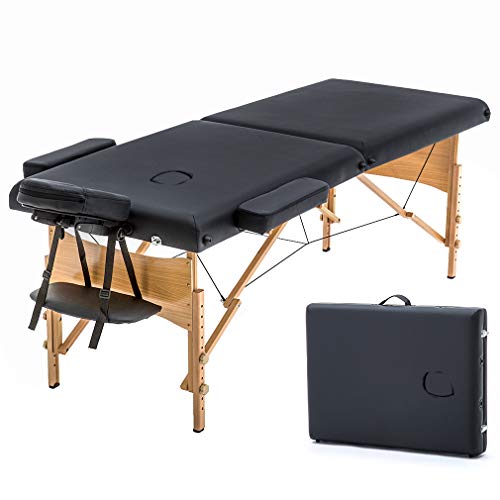
BestMassage Massage Bed Portable Massage Table 24 inch Wide Lash Bed Height Adjustable 2 Folding Spa Table with Non-Woven Bag for Spa Footmassage Facial CareSpa Tattoo
- Easy to Set Up: No tools required, quick unfolding
- Portable and Lightweight: Weighs 32 lbs with carrying case
- Comfortable and Durable: 2-inch sponge and reinforced hardwood
As an affiliate, we earn on qualifying purchases.
As an affiliate, we earn on qualifying purchases.
Frequently Asked Questions
How Do I Determine the Best Space for My Home Therapy Setup?
You should choose a space with good room lighting, ideally natural light, to create a calming environment. Make certain noise levels are low, so distractions don’t interfere with your therapy. Avoid busy areas, and pick a quiet corner where you can focus. Ensure there’s enough space for your equipment and comfort, making it easier to stay consistent and relaxed during your sessions. This setup boosts your effectiveness and overall experience.
What Safety Precautions Should I Consider During Installation?
Think of your home therapy setup like a ship’s bridge—you need safety equipment and clear emergency procedures. Always wear gloves and masks when handling equipment, and secure all cords and devices to prevent tripping. Keep a fire extinguisher nearby, and familiarize yourself with emergency procedures, like shutting off power quickly. These precautions guarantee your safety, turning your space into a secure environment where your health and safety stay protected.
How Often Should I Maintain or Replace Therapy Equipment?
You should perform regular equipment maintenance and follow a set replacement schedule to guarantee ideal therapy safety and effectiveness. Check your devices daily for signs of wear or damage, and clean them as recommended. Most equipment needs replacement every 6 to 12 months, but consult the manufacturer’s guidelines for specific timelines. Staying proactive with maintenance and replacements helps prevent malfunctions, ensuring your therapy remains safe and effective.
Can I Customize My Home Therapy Setup to Fit My Needs?
Absolutely, you can customize your home therapy setup to fit your needs. Focus on personalized adjustments that cater to your comfort and treatment goals. Look for equipment with flexibility options, such as adjustable settings or modular parts, so you can modify your setup as your needs evolve. This tailored approach guarantees you’re comfortable, more effective in your therapy, and can seamlessly adapt your equipment over time, enhancing your overall treatment experience.
What Are Common Mistakes to Avoid When Setting up at Home?
Think of your home therapy setup as a carefully crafted garden—if you clutter equipment or overlook accessibility, it’s like weeds choking growth. Avoid common mistakes by prioritizing equipment organization to keep everything within reach, preventing frustration. Also, optimize accessibility so you can smoothly access what you need without unnecessary strain. This careful planning creates a safe, efficient space, nurturing your well-being, not hindering it like overgrown weeds.
Conclusion
Ultimately, your home therapy setup determines your daily dose of comfort and consistency. Don’t get dazzled by dazzling displays or product hype; prioritize practicality and personalization. A well-woven workspace works wonders, while a poorly planned space piles on problems. Remember, a thoughtful, tailored setup transforms treatment time into a tranquil routine, fostering confidence and continuity. So, focus on form, function, and familiarity—because your home health haven hinges on your heartfelt, helpful habitat.