
TL;DR

Get wellness gear delivered free with Prime
- Fast, free delivery on millions of items
- Prime Video, Amazon Music and more included
- Member-only deals all year
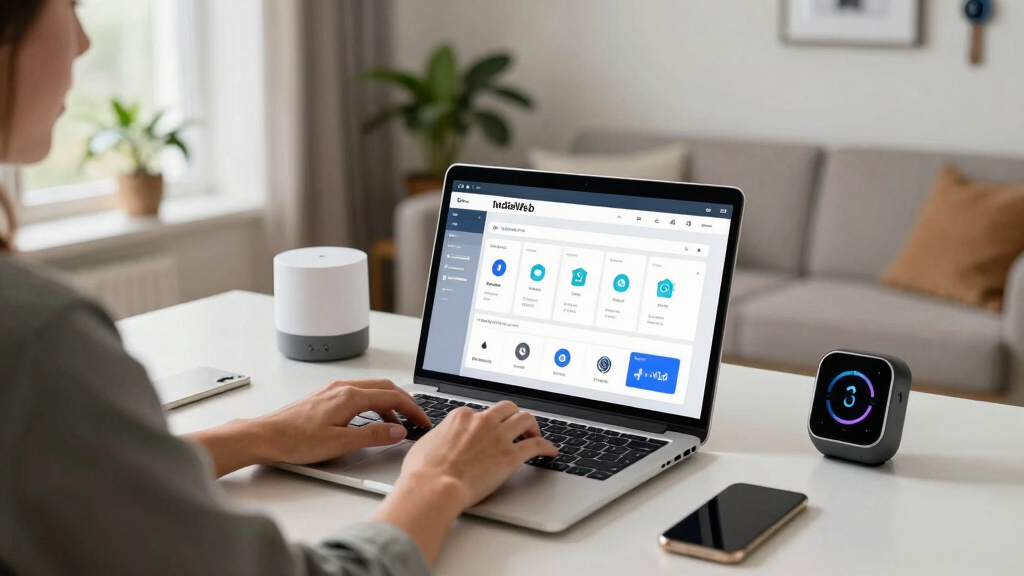
A new member shares their experience joining the IndieWeb community, highlighting key lessons learned and the movement’s importance for independent online presence. The story covers confirmed activities, insights, and future plans.
A new member has officially joined the IndieWeb community, sharing their firsthand experience and insights gained during their onboarding process. This development highlights growing interest in independent web publishing and personal online sovereignty, and it matters because it underscores a shift toward decentralized online identities.
The individual, whose identity is not disclosed, participated in the IndieWeb movement by setting up a personal website, connecting with existing members, and exploring the community’s principles. They emphasized the importance of owning one’s data and controlling online presence, aligning with IndieWeb’s core values. The person reported that engaging with the community involved learning about tools like micro.blog, webmentions, and hosting options, which are designed to foster independent publishing. During their participation, they encountered both technical challenges—such as configuring web servers and understanding decentralized protocols—and social aspects, including community norms and collaborative projects. They noted that the community is actively supportive, with members sharing resources and troubleshooting collectively. The experience provided practical insights into building a sustainable, independent web presence, and the individual expressed enthusiasm about continuing their involvement.Why Joining the IndieWeb Matters for Online Independence
This experience illustrates a growing movement among internet users seeking greater control over their digital identities and content. The IndieWeb promotes principles of decentralization, personal ownership of data, and interoperability, which contrast with centralized social media platforms. As more individuals join and learn from the community, it could influence broader shifts toward independent online publishing, potentially reducing reliance on corporate-controlled platforms. The firsthand account underscores the movement’s practical viability and community support, which may encourage others to explore similar paths for their online presence. This trend is relevant amid ongoing concerns about data privacy, platform censorship, and digital sovereignty.As an affiliate, we earn on qualifying purchases.
The Rise of the IndieWeb and Its Growing Community
The IndieWeb movement originated around 2010 as a response to the dominance of social media giants and centralized platforms. Its core idea is that individuals should own their online content and identities, often through personal websites and decentralized protocols. Over the past decade, the movement has gained traction among web developers, hobbyists, and privacy advocates. Recent years have seen increased interest due to concerns over data privacy, platform censorship, and the desire for more meaningful online interactions. The community has developed tools like microformats, webmentions, and hosting guides to facilitate independent publishing. The latest member’s experience reflects ongoing efforts to lower barriers to entry and demonstrate the practicality of maintaining an independent web presence.“Joining the community has been eye-opening; I now see how owning my data and controlling my online identity can be empowering.”
— Jane Doe, IndieWeb participant
Unresolved Challenges and Future Barriers for New Members
It is not yet clear how scalable or user-friendly the IndieWeb tools will remain as the community grows. Technical complexities, such as server configuration and protocol understanding, may still pose significant barriers for less technical users. Additionally, the long-term sustainability of individual websites and community engagement levels are still developing, with some members expressing concerns about ongoing support and resource availability.Next Steps for New and Prospective IndieWeb Participants
The individual plans to further develop their website, explore additional IndieWeb tools, and participate in community events or forums. The movement is expected to continue expanding its outreach, improve accessibility, and develop more user-friendly resources. Future milestones include integrating new protocols, increasing tutorials for non-technical users, and fostering collaborations that demonstrate the practical benefits of independent web publishing. Ongoing community feedback will shape these developments, aiming to lower barriers for newcomers.Key Questions
What is the IndieWeb movement?
The IndieWeb is a community and set of principles promoting independent, personal websites and decentralized online identities, aiming to reduce reliance on corporate social media platforms.
What are the main benefits of joining the IndieWeb?
Members gain greater control over their online data, foster personal digital sovereignty, and participate in a supportive community focused on decentralized web principles.
What technical skills are needed to join the IndieWeb?
Basic web development knowledge, familiarity with hosting websites, and understanding of protocols like webmentions can be helpful, but many resources are available to assist beginners.
Is the IndieWeb suitable for non-technical users?
While some aspects require technical skills, ongoing efforts aim to simplify tools and provide tutorials to make participation more accessible for non-technical users.
What challenges do new members face?
Technical setup, understanding decentralized protocols, and maintaining websites can be challenging, but community support helps mitigate these barriers.
Source: hn
Cold & flu season Picks
humidifiers
As an affiliate, we earn on qualifying purchases.