
TL;DR

Get wellness gear delivered free with Prime
- Fast, free delivery on millions of items
- Prime Video, Amazon Music and more included
- Member-only deals all year
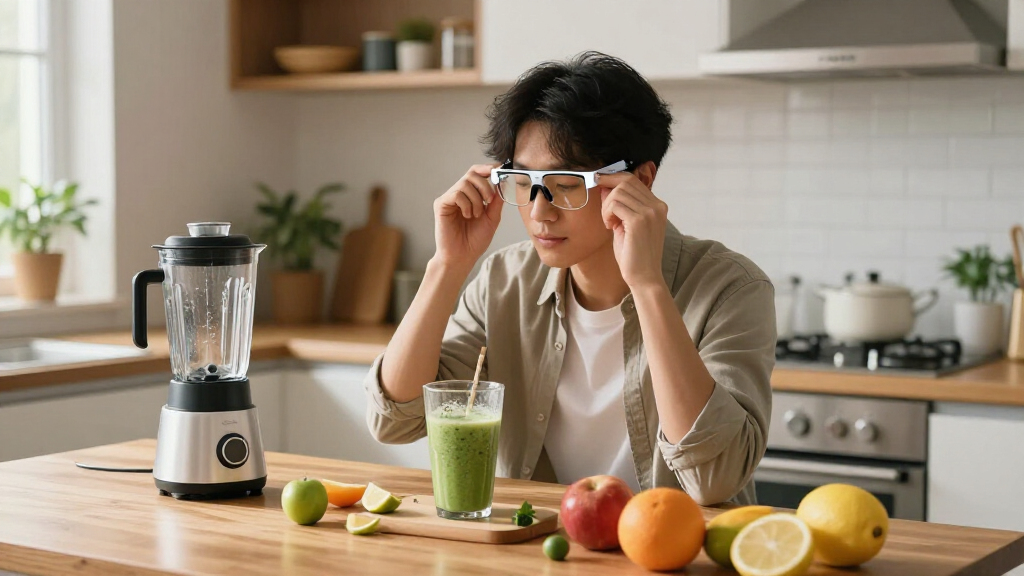
RayNeo has introduced a new line of smart glasses that do not include cameras, marking a shift toward privacy-focused wearable technology. The development is confirmed and highlights a growing trend in the industry.
RayNeo has unveiled its latest smart glasses model that notably omits cameras, emphasizing privacy and sleek design. This move is confirmed by the company and signals a new direction in wearable technology, addressing growing consumer concerns about privacy invasion.
The new RayNeo smart glasses are designed without integrated cameras, a departure from many competitors that incorporate camera modules for augmented reality and social sharing features. The company states that this design choice aims to enhance user privacy and reduce concerns over surveillance. RayNeo’s spokesperson explained that the glasses focus on features such as voice control, augmented reality overlays, and connectivity, without the risks associated with camera use. The product is targeted at consumers seeking a discreet, privacy-conscious wearable device that still offers advanced functionalities. Market analysts note that this approach could set a new standard for privacy in wearable tech, especially amid increasing regulatory scrutiny and public concern over camera-enabled devices in public spaces.Impact of Cameraless Design on Privacy Expectations
This development underscores a shift in the wearable tech industry toward prioritizing user privacy. By removing cameras, RayNeo aims to address widespread concerns about surveillance and data security, potentially influencing competitors to reconsider their device features. For consumers, this could mean more discreet, privacy-respecting options in the wearable market, aligning with broader societal demands for data protection and personal privacy. The move also raises questions about how much functionality can be maintained without camera-based features, and whether this will impact user experience and market adoption.As an affiliate, we earn on qualifying purchases.
Growing Privacy Concerns in Wearable Technology
Over recent years, wearable devices with integrated cameras have faced increasing scrutiny from privacy advocates and regulators. Major tech companies have been pressured to improve transparency and reduce intrusive features. RayNeo’s decision to develop camerless glasses follows a broader industry trend responding to public demand for privacy. Previous models from competitors have often included cameras, but with mixed consumer reception due to privacy fears. This product launch marks a notable shift, highlighting how privacy considerations are shaping product design in the wearable sector. The company’s move is part of a larger trend toward privacy-focused innovations in consumer electronics, driven by regulatory changes and societal expectations.“Our new smart glasses are designed to respect user privacy while providing essential augmented reality features. By removing the camera, we aim to address the privacy concerns of our users.”
— RayNeo spokesperson
Remaining Questions About Functionality and Market Reception
It is not yet clear how the absence of a camera will affect the overall functionality, user experience, and market acceptance of RayNeo’s glasses. Details about specific features, price point, and release timeline are still emerging, and consumer response remains uncertain as the product has not yet been widely available.Upcoming Product Launch and Industry Impact Assessment
RayNeo plans to officially launch the camerless smart glasses later this year, with detailed specifications and availability information to follow. Industry observers will monitor how the market responds and whether other companies adopt similar privacy-centric designs. Regulatory developments and consumer feedback will likely influence future product iterations and industry standards.Key Questions
Why did RayNeo decide to remove the camera from its smart glasses?
RayNeo states that the decision was driven by a desire to enhance user privacy and address increasing concerns about surveillance and data security in wearable technology.
Will the camerless design limit the features of the glasses?
While specific features are still being detailed, RayNeo emphasizes that the glasses will include augmented reality overlays, voice control, and connectivity options, aiming to balance privacy with functionality.
How might this affect the market for wearable devices?
If successful, RayNeo’s approach could encourage other manufacturers to prioritize privacy, potentially leading to a broader shift away from camera-enabled wearables. Consumer acceptance and regulatory responses will be key factors.
When will the glasses be available to consumers?
The company has announced plans for a launch later this year, but specific release dates and pricing details have not yet been disclosed.
Could the absence of a camera impact the user experience?
This remains uncertain; industry experts will observe whether the lack of a camera affects the device’s appeal, usability, and adoption in real-world scenarios.
Source: rss
Halloween Picks
halloween
As an affiliate, we earn on qualifying purchases.