TL;DR
Get ready for Prime Big Deal Days — try Prime free
Exclusive member deals on October 6–7, plus fast free delivery. Cancel anytime.
Start your free trialAs an affiliate, we earn on qualifying purchases.
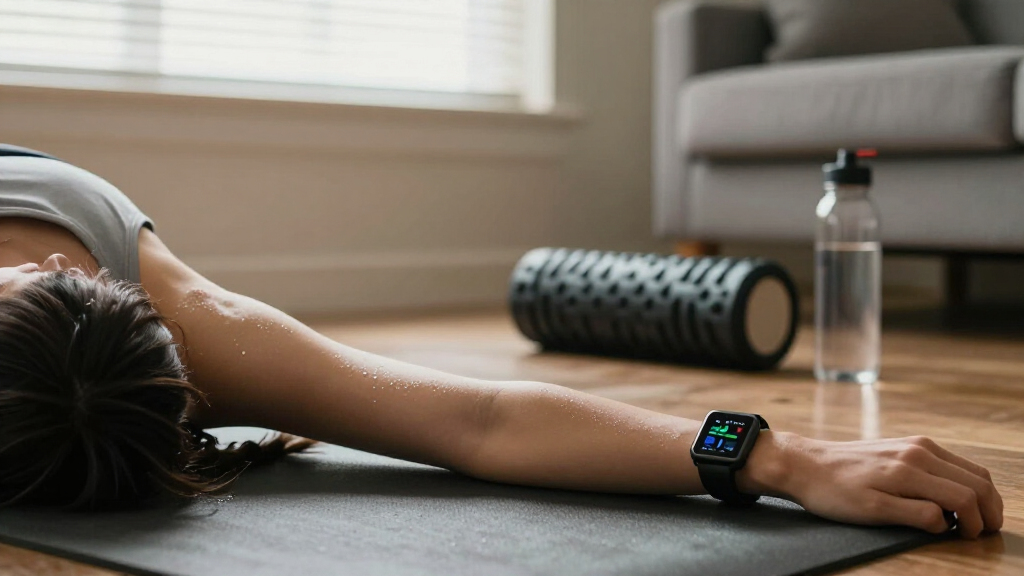
Many individuals notice slower recovery times after workouts compared to previous years. Experts attribute this to aging, lifestyle factors, and possible physiological changes, though some aspects remain under study. This trend is gaining attention amid increased fitness interest and aging populations.
Many fitness enthusiasts and active individuals are reporting that they are taking longer to recover from workouts than they did in the past, a trend that has been increasingly discussed online and among health professionals. While aging is a confirmed factor, other elements such as lifestyle and physiological changes are also believed to contribute, though research is still exploring these connections.
Recovery time after exercise, once considered relatively consistent for many, appears to be lengthening for a growing number of people. Experts confirm that aging naturally impacts muscle repair, hormone levels, and inflammation response, which can slow recovery. Additionally, lifestyle factors like stress, sleep quality, nutrition, and activity intensity influence recovery speed.
Recent studies and health reports suggest that, beyond age, sedentary habits or inconsistent training routines may also impair recovery. Despite these confirmed influences, some specific mechanisms—such as the precise impact of diet or sleep patterns—are still under active investigation. This has led to widespread discussion on social media and fitness forums about personal experiences and potential adjustments.
Implications of Slower Recovery for Active Adults
This trend matters because prolonged recovery can affect workout consistency, increase injury risk, and influence overall health and fitness goals. As populations age and more people maintain active lifestyles into later years, understanding these changes is crucial for optimizing training and health strategies. Recognizing the role of aging and lifestyle factors can help individuals adapt their routines to maintain fitness levels and reduce injury risk.
As an affiliate, we earn on qualifying purchases.
Factors Contributing to Changing Recovery Patterns
Historically, recovery times varied among individuals based on genetics, training intensity, and health status. Recently, interest in this topic has surged, partly driven by increased fitness engagement and aging demographics. Experts confirm that age-related physiological changes, such as decreased muscle mass, reduced hormone production, and slower inflammation resolution, are confirmed factors impacting recovery. However, the influence of lifestyle variables like stress, sleep, and diet remains complex and under active research.
While some studies highlight the importance of proper nutrition and sleep hygiene, others suggest that chronic stress and sedentary behavior may exacerbate recovery delays. The precise interplay of these elements is still being studied, and no definitive guidelines have been established yet.
Unresolved Questions About Recovery Delays
It is not yet clear how much specific lifestyle changes can mitigate age-related recovery slowing or whether certain interventions can reverse or slow these effects. The precise biological mechanisms linking stress, nutrition, and recovery remain under active investigation, and individual variability makes it difficult to establish universal guidelines.
Future Research and Practical Strategies for Recovery
Ongoing studies aim to clarify how lifestyle modifications, nutritional interventions, and training adjustments can optimize recovery, especially for aging populations. In the meantime, experts recommend personalized approaches, including adequate rest, balanced nutrition, stress management, and tailored training routines to improve recovery times. As research progresses, clearer guidelines may emerge to help individuals adapt their fitness routines effectively.
Key Questions
Is aging the main reason for slower recovery?
While aging is a confirmed factor affecting recovery, other elements such as lifestyle, diet, and stress also contribute. The overall impact varies among individuals.
Can I improve my recovery time through diet or supplements?
Some evidence suggests that proper nutrition and adequate hydration support recovery, but no specific supplement has been proven to significantly reverse age-related delays. Consult a healthcare professional for personalized advice.
Should I reduce workout intensity if recovery is slow?
Adjusting workout intensity and allowing more rest can help prevent injury and overtraining. Listening to your body and consulting with a fitness expert is advisable.
Are there specific signs that indicate poor recovery?
Persistent soreness, fatigue, decreased performance, and increased injury risk are common indicators that recovery may be inadequate.
Will recovery improve with age or lifestyle changes?
While some age-related changes are unavoidable, adopting healthier lifestyle habits can support better recovery and overall fitness maintenance.
Source: rss
Fall yard work Picks
leaf blowers
As an affiliate, we earn on qualifying purchases.