TL;DR
A Fit&Well writer says they added child’s pose and a standing forward fold after daily walks to address stiffness they noticed after moving to a hilly area. Physiotherapist Helen O’Leary says the poses stretch tissues in the lower back and may ease discomfort, but the report is a personal account, not evidence that the routine works for everyone.
Fit&Well has published a first-person account of two stretches its writer does after daily walks: child’s pose and a standing forward fold. The writer says the brief routine helps them feel less stiff after walking in hilly surroundings, while physiotherapist Helen O’Leary explains how the poses can stretch the lower-back tissues; the report does not establish that they relieve discomfort for everyone.

Get wellness gear delivered free with Prime
- Fast, free delivery on millions of items
- Prime Video, Amazon Music and more included
- Member-only deals all year
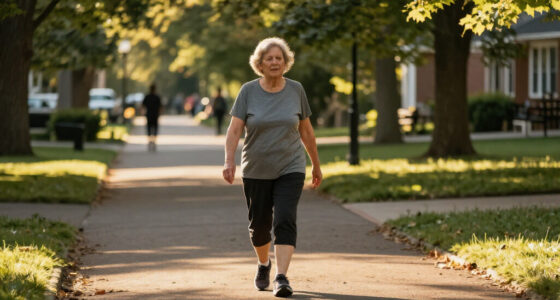
The writer describes walking for up to an hour as their daily exercise and says they had assumed a low-impact activity did not require a recovery routine. After moving to a hilly area, they began noticing stiffness in their legs, hips and back following some walks. They say they now hold each of the two stretches for about one minute and feel less stiff for the rest of the day.
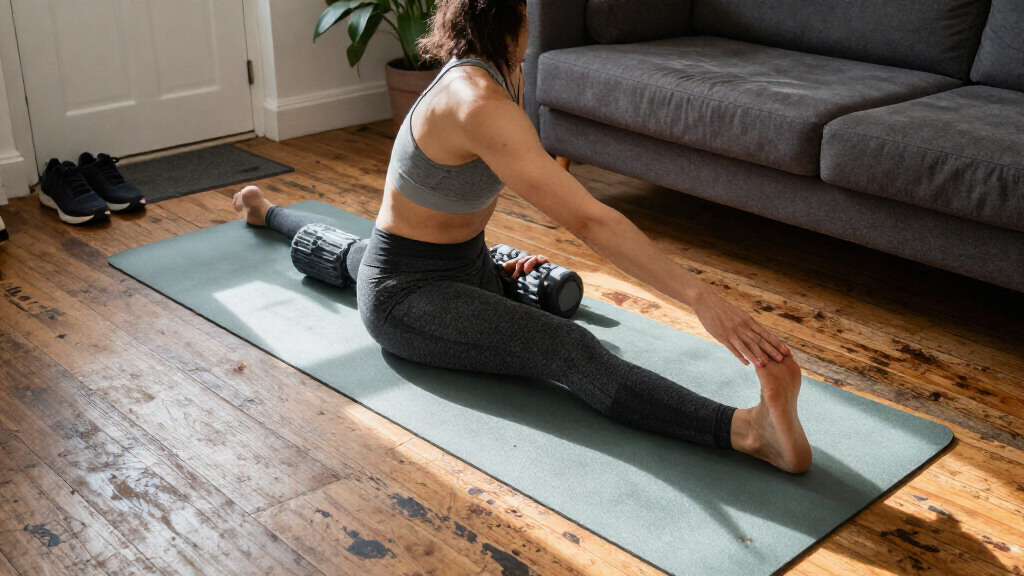
For child’s pose, the instructions are to kneel with the knees wider than hip-width, reach the arms forward and sit the hips back toward the heels. For a standing forward fold, stand with feet about hip-width apart and lower the arms toward the feet, bending the knees as needed. The writer advises stopping at the point where a stretch is felt in the hamstrings and holding the position.
O’Leary, identified in the report as a physiotherapist at Complete Pilates, says that some people feel stiff or achy after walking, particularly after a longer walk. She says these poses flex the spine and stretch soft tissues in the lower back. She also describes a child’s-pose variation: walk the hands to one side and sit back into the opposite hip, then repeat on the other side. The source does not provide trial results or measurements of the routine’s effects.
A Brief Routine After Hilly Walks
The report highlights that even activity the writer considers low-intensity can be followed by stiffness, particularly after walks in hilly terrain. Its practical takeaway is a short routine attached to an existing daily habit: the writer connects stretching to walking, a technique often called habit stacking, and says that makes it easier for them to stretch regularly.
That account may give readers a simple option to try after a walk, but it is personal experience rather than proof of a general health benefit. O’Leary’s comments offer a professional explanation of the movements, not evidence that they prevent injury or treat a medical condition. Anyone who experiences persistent or worsening pain should seek guidance from a qualified health professional rather than relying on stretches alone.
Products Worth Considering

Withings Body Scan Smart Scale with Segmental Body Composition and ECG, Black

Garmin Forerunner 255 GPS Running Smartwatch, 46 mm, Slate Gray

Garmin Forerunner 265 GPS Running Smartwatch, 46 mm, Black/Powder Gray
As an affiliate, we earn on qualifying purchases.
Why the Writer Added Stretching
The writer says walking is their only daily form of exercise and that their walks generally last no longer than an hour. They had not previously thought recovery work was necessary because walking did not feel like a demanding workout. The change came after relocating to a hilly area and noticing stiffness after some outings.
O’Leary’s explanation focuses on the back: she says standing keeps the lower back in a neutral or slightly extended position, which can load its small joints. The two suggested poses move the spine into flexion. The report does not compare them with other stretches, specify how often the writer experienced symptoms, or assess whether hills were the sole cause of the stiffness.
“It is quite common to feel a bit stiff or achy after walking, particularly following a long walk, and certain stretches can alleviate that discomfort.”
— Helen O’Leary, physiotherapist at Complete Pilates, as quoted by Fit&Well
What the Account Cannot Establish
The source is a first-person report, not a controlled study. It gives no data on how many walks were followed by stiffness, how long symptoms lasted before the routine, or whether the stretches alone caused the writer’s reported improvement. It also does not establish that the poses are suitable for every person or that they prevent pain or injury.
The report does not give a publication date, identify a specific duration for the writer’s experience with the routine, or describe any assessment of the underlying cause of their stiffness. Readers with pain, a health condition or difficulty getting into these positions may need individual advice before trying them.
How to Try the Two Poses
The article offers the movements as a short option to follow a walk, with the writer holding each pose for about one minute. Its child’s-pose variation involves moving the hands to one side and sitting back toward the opposite hip, then switching sides. The standing fold should be done with the knees bent as needed, stopping where a gentle hamstring stretch is felt.
The report does not announce a study, clinical guidance or further follow-up. Anyone choosing to try the routine can adjust or stop a movement if it causes pain. People with ongoing symptoms or concerns about whether a pose is appropriate can consult a physiotherapist or other qualified health professional.
Key Questions
Which two stretches does the Fit&Well writer do after walking?
The writer describes child’s pose and a standing forward fold as their post-walk stretches.
How long does the writer hold each stretch?
The report says the writer holds each position for about one minute. That is the writer’s routine, not a universal prescription.
What does the physiotherapist say the stretches may do?
Helen O’Leary says the poses flex the spine and stretch soft tissues in the lower back, and that certain stretches can alleviate post-walk stiffness or discomfort. The report does not show that they work for everyone.
Can child’s pose be adjusted to stretch one side more?
O’Leary suggests walking the hands to one side while sitting back into the opposite hip, then repeating on the other side. Stop if the movement causes pain or feels unsuitable.
Source: rss