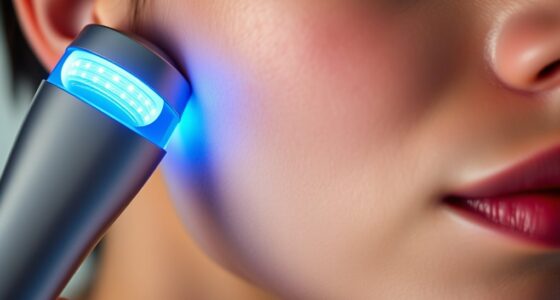

FDA clearance matters for LED light devices because it shows they meet strict safety and effectiveness standards before reaching you. This process reduces the risk of skin irritation, tissue damage, or other adverse effects. With clearance, you can trust the device’s quality and performance, knowing it’s been thoroughly evaluated. If you want to understand how safety regulations protect you and why clearance is important, there’s more to discover below.

Get wellness gear delivered free with Prime
- Fast, free delivery on millions of items
- Prime Video, Amazon Music and more included
- Member-only deals all year
Key Takeaways
- FDA clearance ensures LED devices meet safety and efficacy standards before entering the market.
- It verifies compliance with regulations, reducing risks like skin irritation or tissue damage.
- Clearance provides confidence for consumers and healthcare providers in device safety and performance.
- The process assesses manufacturing quality, technical documentation, and clinical data when needed.
- It helps manufacturers demonstrate their commitment to safety, quality, and proper labeling.
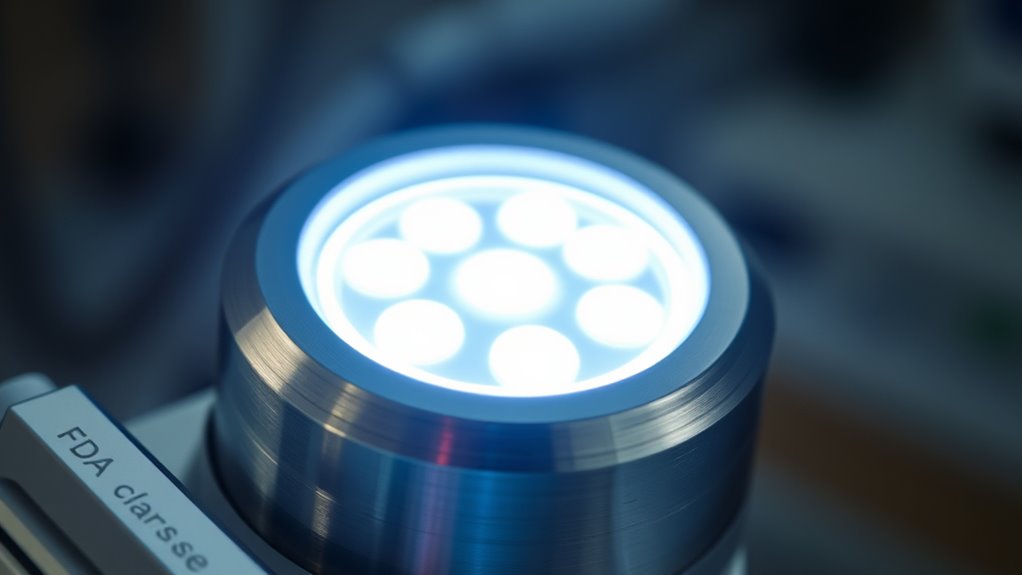
Getting FDA clearance for LED light devices guarantees they meet safety and effectiveness standards before reaching consumers. This process guarantees that the devices comply with established safety regulations designed to protect users from potential harm. When you’re considering an LED light device, understanding its device classification is essential. The FDA categorizes medical devices, including certain LED light products, into classes based on their risk level: Class I, II, or III. Most LED light devices fall into Class I or II, meaning they pose minimal to moderate risks, but they still require appropriate oversight. Knowing the device classification helps you gauge the level of scrutiny and conformity the product has undergone before hitting the market.
FDA clearance ensures LED light devices meet safety standards and are appropriately classified based on risk before entering the market.
For you, as a consumer or healthcare provider, FDA clearance provides confidence that the LED light device has undergone rigorous evaluation, including testing for safety and performance. Devices that have received clearance have demonstrated compliance with safety regulations, reducing the likelihood of adverse effects, such as skin irritation or unintended tissue damage. The clearance process involves a thorough review of manufacturing practices, technical documentation, and clinical data when necessary, guaranteeing the device is both safe and effective for its intended use.
Understanding the importance of safety regulations can help you make more informed decisions about which LED light devices to use or recommend. The FDA’s role is to set standards that manufacturers must meet, including proper labeling, instructions for safe use, and quality control measures. Clearance isn’t just a formality; it’s a mark that the device has been evaluated against these strict safety criteria. This process minimizes the risk of faulty devices entering the market and helps prevent unsafe products from causing harm.
Device classification plays a critical role in shaping what safety evaluations a product must undergo. For example, a simple LED light used for cosmetic purposes might be classified differently than a device intended for medical treatments like skin therapy or wound healing. The classification determines the regulatory pathway, influencing the amount of evidence required for clearance. As you consider LED light devices, knowing their classification reassures you that the device has been scrutinized appropriately based on its intended function and potential risks.
FDA cleared LED light therapy device
As an affiliate, we earn on qualifying purchases.
As an affiliate, we earn on qualifying purchases.
Frequently Asked Questions
How Long Does the FDA Clearance Process Typically Take?
The FDA clearance process usually takes anywhere from several months to over a year, depending on the device and regulatory complexity. During this time, you should expect regulatory timelines to be influenced by the thoroughness of clearance procedures, including document reviews and testing results. You can help speed up the process by ensuring all your submissions are complete and accurate, reducing delays in steering the clearance procedures.
Are All LED Light Devices Required to Have FDA Clearance?
Remember, “not all that glitters is gold.” Not all LED light devices require FDA clearance; it depends on their intended use and product classification. If your device is marketed for medical or therapeutic purposes, regulatory compliance means it likely needs FDA clearance. However, general lighting or aesthetic products usually don’t. Always check the FDA guidelines to determine whether your device must go through the clearance process to stay compliant.
What Are the Consequences of Selling Non-Cleared LED Devices?
If you sell non-cleared LED light devices, you risk regulatory penalties and market restrictions. The FDA can issue warning letters, fines, or even seize your products, damaging your reputation and financial stability. Market restrictions may prevent you from selling in certain regions or industries. Staying compliant guarantees you avoid these consequences, maintain consumer trust, and access broader markets with confidence.
How Does FDA Clearance Differ From FDA Approval?
You need to understand that FDA clearance and approval are different aspects of regulatory terminology. Clearance typically means your device is shown to be substantially equivalent to a legally marketed device, often for diagnostic or similar purposes. Approval, however, involves a more rigorous review process, usually for high-risk devices like implants. Knowing this distinction helps you navigate compliance requirements and avoid legal issues when bringing LED light devices to market.
Can Manufacturers Expedite FDA Clearance for Their LED Devices?
You can’t really expedite FDA clearance for your LED devices, but you can streamline the process by adopting manufacturing innovations and understanding regulatory pathways. Staying ahead with efficient documentation, testing, and quality controls helps demonstrate safety and effectiveness faster. Engaging early with the FDA through pre-submission meetings can clarify requirements, making the clearance process smoother and quicker, ultimately getting your LED devices to market sooner.
Conclusion
Getting FDA clearance for your LED light device is like earning a trusted badge of honor. It shows your product meets safety and effectiveness standards, giving you credibility and peace of mind. Just as a lighthouse guides ships safely through rough waters, FDA clearance steers your business clear of legal and safety pitfalls. It’s an essential step to build trust with customers and stand out in a competitive market. Don’t skip it — it’s your beacon for success.
Halloween Picks
halloween
As an affiliate, we earn on qualifying purchases.