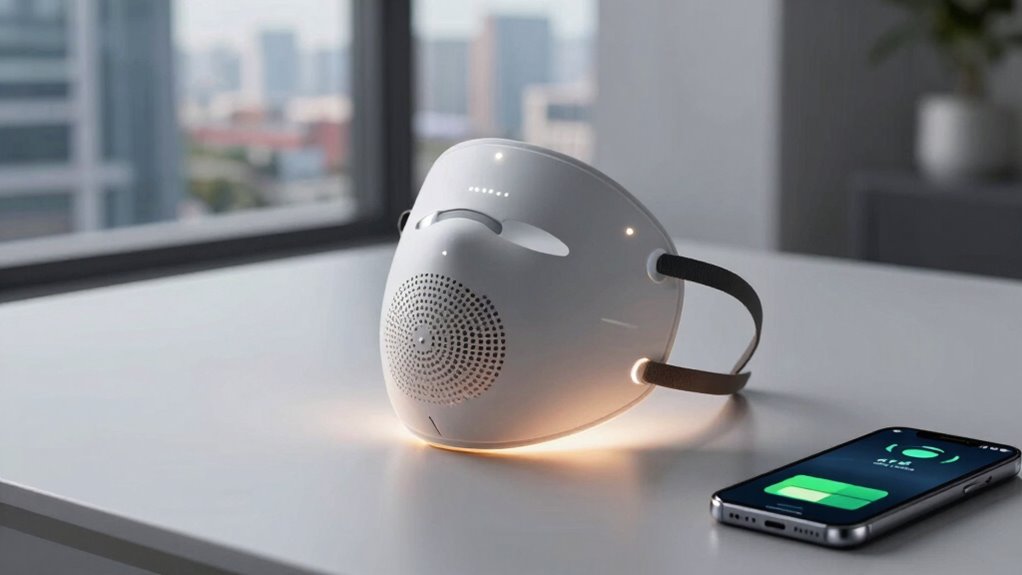

Rechargeable masks work well in routines that demand convenience and frequent reuse because they charge quickly and last long enough for multiple uses daily. They’re perfect if you value quick recharges and safety features that boost reliability. However, they may struggle in tough environments where durability and robustness matter most, as slow recharge cycles or limited battery life can become a hindrance. If you want to understand which routines suit rechargeable masks best, keep exploring this topic.

Get wellness gear delivered free with Prime
- Fast, free delivery on millions of items
- Prime Video, Amazon Music and more included
- Member-only deals all year
Key Takeaways
- Rechargeable masks excel in routines prioritizing convenience, quick recharging, and frequent reuse due to improved battery technology.
- They may fall short in demanding, rugged environments where durability and physical resilience are essential.
- Fast recharge times enhance usability for daily, light activities but are less critical in extreme, active scenarios.
- Safety features and battery management systems increase reliability for casual or indoor use, but may not withstand strenuous conditions.
- Limited battery lifespan and cycle count can restrict effectiveness in high-intensity routines requiring long-lasting power.
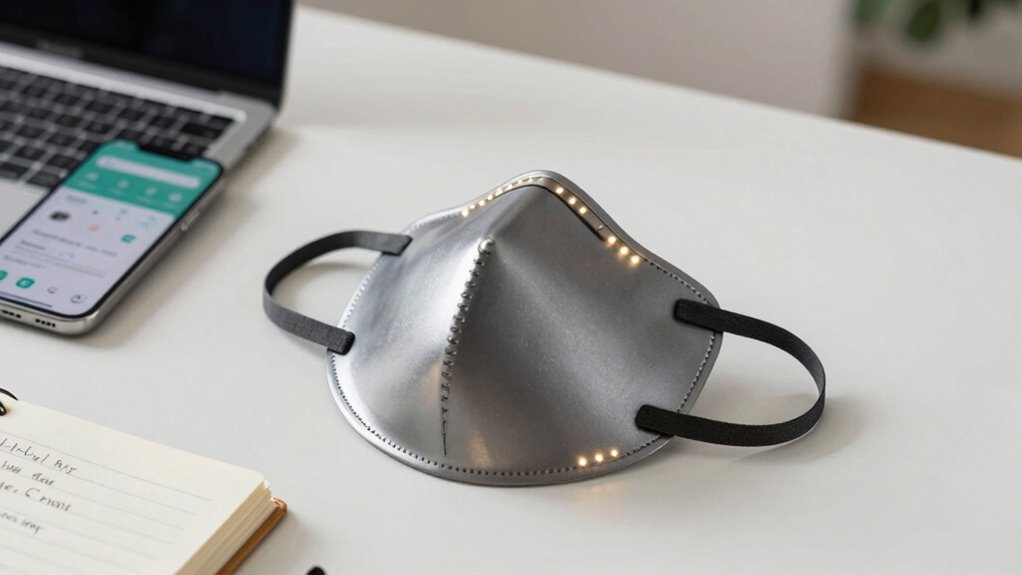
Recharge efficiency is another major point that influences whether rechargeable masks win or lose in your routine. These masks are equipped with batteries that power features like built-in filters, air purification, or even smart sensors. The faster and more efficiently these batteries recharge, the more seamlessly the mask integrates into your daily life. If you find yourself constantly waiting for long recharge times, or if the battery life diminishes quickly, the mask becomes less practical. On the other hand, models with quick recharge capabilities and long-lasting battery life allow you to use the mask multiple times throughout the day without interruption. This convenience is especially important for people with busy schedules or those who rely heavily on masks for extended periods. As technology advances, battery efficiency continues to improve, making rechargeable masks more appealing for everyday use. Additionally, battery safety is an important consideration, as improved safety features reduce the risk of malfunctions or hazards related to battery use. Moreover, advancements in battery technology have contributed to more reliable and faster recharging processes, further enhancing usability. A well-designed battery management system can also help maximize overall battery longevity, ensuring the mask remains functional longer. However, rechargeable masks may lose favor in routines that demand extreme durability or involve heavy physical activity. For instance, if you work outdoors or engage in strenuous exercise, the mask’s physical robustness—its ability to withstand sweat, moisture, and rough handling—becomes critical. In such cases, the focus shifts from recharge efficiency to mask durability. If a rechargeable mask’s materials or battery components aren’t designed to handle rigorous conditions, it might fail prematurely or require frequent repairs. Similarly, if the mask’s recharge cycle is slow or its battery life is limited, it might not keep pace with your active routine. In these scenarios, traditional disposable masks or more rugged, non-rechargeable options could be more suitable, even if they lack the sustainability appeal of rechargeable masks.
rechargeable face masks with quick recharge
As an affiliate, we earn on qualifying purchases.
As an affiliate, we earn on qualifying purchases.
Frequently Asked Questions
Are Rechargeable Masks Environmentally Friendly?
Rechargeable masks can be environmentally friendly if they’re designed with sustainability in mind. They reduce waste by eliminating disposable filters, but their environmental impact depends on battery life and recycling challenges. You’ll want to take into account how easy it is to recycle the batteries and components, as improper disposal can harm the environment. When choosing a rechargeable mask, look for options with eco-friendly materials and clear recycling instructions to minimize your footprint.
How Long Do Rechargeable Masks Typically Last?
Rechargeable masks typically last between 6 to 12 months, depending on usage and battery quality. Your battery lifespan influences how long it remains effective, so you’ll need to take into account replacement frequency. As batteries degrade over time, expect to replace them every year or so to maintain peak performance. Regular maintenance and mindful usage can extend your mask’s lifespan, ensuring you get the most out of your investment.
Can Rechargeable Masks Be Used While Charging?
Like a busy bee, you wonder if you can use your rechargeable mask while it charges. Generally, it’s not recommended because it could strain the battery, affecting its life and performance. Most masks rely on specific charging methods, like USB or wireless chargers, which are designed to be used during charging. To maximize battery life, give it time to fully charge before wearing, avoiding simultaneous use.
Are Rechargeable Masks Suitable for Sensitive Skin?
Rechargeable masks can be suitable for sensitive skin if they’re designed with gentle, hypoallergenic materials. You should check for features that minimize allergic reactions, like avoiding harsh chemicals or fragrances. Always do a patch test first to see if your skin reacts. If you have known sensitivities, consult with a dermatologist before using a rechargeable mask. This approach helps make certain of comfort and reduces the risk of irritation.
What Safety Features Do Rechargeable Masks Include?
They say safety first, and rechargeable masks include features like automatic shut-off, overcharge protection, and temperature control to keep you safe. You can customize the design to suit your style, while some models also allow battery replacement for extended use. These safety features guarantee you don’t have to worry about overheating or electrical issues, making your routine safer and more convenient. Always check the product specs for added security options.
Conclusion
So, while rechargeable masks can be a game-changer for some routines, they’re not a one-size-fits-all solution. You need to weigh the convenience against the potential drawbacks and determine if they fit your lifestyle. Remember, it’s not about putting all your eggs in one basket. Sometimes, the best approach is to keep an open mind and adapt as you go. After all, you don’t want to put all your eggs in one basket and miss out on other options.
Fall Picks
fall essentials
As an affiliate, we earn on qualifying purchases.