📊 Full opportunity report: Does Your Skincare Routine Look Different In Progress Photos? on IdeaNavigator AI — validation score, market gap, and execution plan.

Get wellness gear delivered free with Prime
- Fast, free delivery on millions of items
- Prime Video, Amazon Music and more included
- Member-only deals all year
TL;DR
An IdeaNavigator AI proposal outlines an app that would use guided weekly selfies to track skin texture, tone and blemishes alongside routine changes. It is a product concept, not a validated tool: accuracy, dermatologist agreement, user retention and business viability remain unproven.
IdeaNavigator AI’s proposal outlines a skincare-tracking app that would use guided weekly selfies to measure changes in skin texture, tone and blemishes. The concept calls for a 12-week trial involving 500 users and dermatologist review of a subset of photos, but the proposal reports no trial results or evidence that the app has been built.
According to IdeaNavigator AI’s proposal, the product would target people who spend money on skincare but have difficulty judging whether a routine is helping. The proposal estimates that routines may cost $50 to $200 a month and says day-to-day impressions can be affected by lighting and memory, making gradual changes difficult to assess.
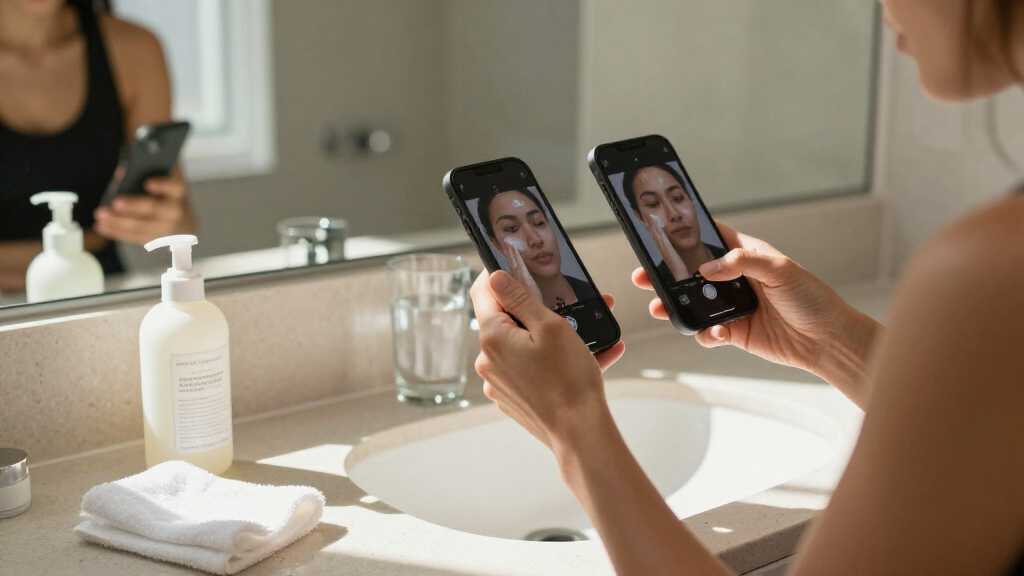
The suggested first version would guide users through weekly photo capture, with instructions intended to keep alignment and lighting consistent. IdeaNavigator AI says the app would score texture, tone evenness and blemish counts over time, let users record routine changes, and show which changes came before measured improvements.
These features are proposed, not demonstrated outcomes. IdeaNavigator AI’s plan suggests testing the app’s metrics against dermatologist photo assessments for a sample of participants and tracking retention across the cohort. It also proposes subscription revenue and product affiliate links tied to products associated with user improvement. The proposal provides no pricing, commercial launch, clinical validation or pilot findings.
Testing Skincare Progress at Home
If the proposed measurements prove reliable, a tracker could give users a more consistent record than memory or occasional mirror checks. That may help someone notice a gradual change and avoid switching products based only on short-term impressions. It could also make routine changes easier to review by recording when they happened alongside later photo measurements.
Those potential benefits depend on more than producing a score. Consistent photography and meaningful validation are needed before users can know whether a change in a metric reflects their skin or differences in the image. A score could be misleading if lighting, camera processing, pose or other capture conditions vary. IdeaNavigator AI’s proposed dermatologist comparison is intended to examine this issue, but its proposal reports no results.
The affiliate model proposed by IdeaNavigator AI also deserves scrutiny. If revenue depends partly on product referrals, users would need clear information about how recommendations are chosen and whether commercial relationships affect them. A correlation between a product change and later improvement would not by itself establish that the product caused the change. Other routine adjustments and natural fluctuation could also matter.
As an affiliate, we earn on qualifying purchases.
From Routine Changes to Photo Tracking
The idea sits within the beauty-tech and skincare-app market, where digital tools aim to help people record routines and observe changes. Its central problem is one of measurement: skin can change gradually, while a person comparing today’s appearance with yesterday’s may not notice a trend. IdeaNavigator AI’s proposal frames standardized photos as a way to make comparisons more repeatable.
IdeaNavigator AI suggests a 12-week cohort of 500 users, with dermatologist assessments for a subsample and retention tracked. This is a proposed test design, not evidence that recruitment has begun or that the sample would establish accuracy across different users, devices and skin characteristics. The proposal does not specify the assessment method, the size of the dermatologist-reviewed group or how disagreements between automated scores and human assessments would be handled.
Accuracy and Trial Status
IdeaNavigator AI’s proposal describes no app, completed study or validated performance figures. It is unclear whether a product is in development, whether a 500-person cohort has been recruited, or when a pilot might begin. The proposal does not report how well automated measures match dermatologist assessments, how stable scores are across phones and lighting conditions, or how performance may vary among users.
The proposal also leaves practical details unspecified, including how photos would be stored and protected, what safeguards would govern sensitive skin images, and whether the app would offer health guidance or only tracking. It provides no evidence that a routine change caused an improvement or that users would keep using the service after the trial. The suggested subscription and affiliate revenue model has not been tested in the material provided.
Evidence Needed Before Launch
IdeaNavigator AI’s proposal describes a 12-week user cohort as a possible next step, pairing guided weekly captures with routine-change records and retention measures. A subset of participants would have photos reviewed by dermatologists so the app’s scores could be compared with those assessments. The information available provides no launch date or confirmation that this work is underway.
For the concept to support its central promise, a future report would need to explain the scoring method, photo-capture controls, dermatologist review process and results, including limitations. Readers would also need information about image privacy and any commercial links to recommended products. Until such evidence is reported, the tracker should be understood as a proposed workflow rather than a proven way to determine whether a skincare routine works.
Source: IdeaNavigator AI proposal
Key Questions
Is the skincare photo-tracking app available?
IdeaNavigator AI’s proposal describes an app concept, but does not say that a product has launched or that a pilot is underway.
What would the app measure?
According to the proposal, the suggested app would score skin texture, tone evenness and blemish counts from guided weekly photos, while recording routine changes.
Have dermatologists confirmed the app’s scores are accurate?
No validation results are reported in IdeaNavigator AI’s proposal. It recommends comparing app metrics with dermatologist photo assessments for a subset of participants.
Would a score prove that a product caused an improvement?
No. A change that follows a routine adjustment would show timing, not causation by itself. Other factors could contribute, and IdeaNavigator AI’s proposal reports no evidence establishing product effects.
What trial is proposed?
IdeaNavigator AI suggests a 12-week cohort of 500 users, with dermatologist assessment of some photos and user retention tracked. The proposal does not report the plan as completed.
Source: IdeaNavigator AI
Fall Picks
fall essentials
As an affiliate, we earn on qualifying purchases.