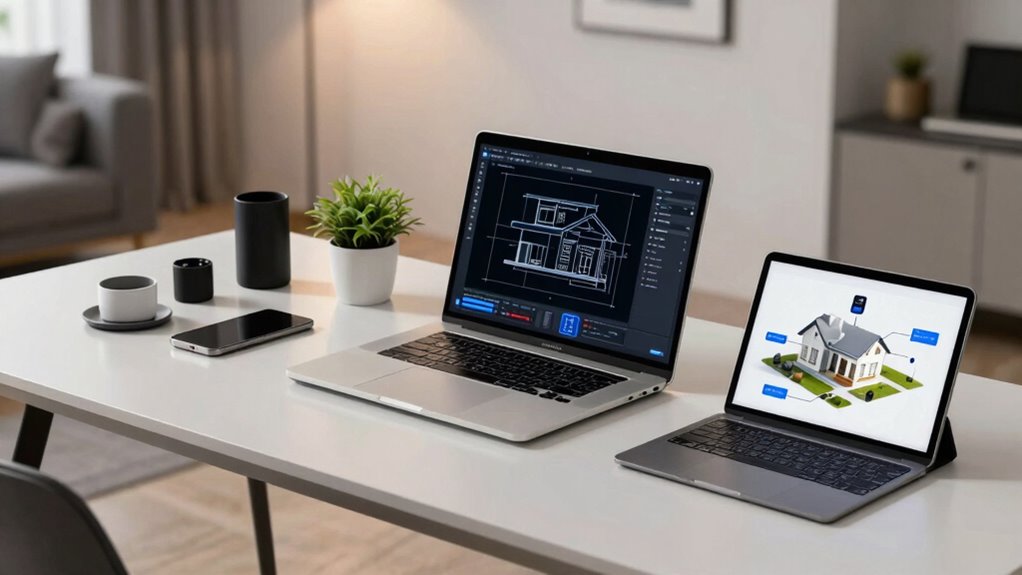

The smartest way to build a home setup in stages is to plan carefully from the start, integrating smart home technology and energy-efficient features early on. By choosing modular construction and prioritizing flexibility, you can adapt your space as your needs change and technology advances. Phased investments help manage costs and prevent overwhelming expenses. Starting with a solid foundation sets the stage for seamless upgrades and expansions, guiding you toward a future-proof home—discover how to make this process smooth and successful.

Get wellness gear delivered free with Prime
- Fast, free delivery on millions of items
- Prime Video, Amazon Music and more included
- Member-only deals all year
Key Takeaways
- Plan for smart home technology integration early to ensure compatibility and seamless upgrades over time.
- Incorporate energy-efficient features from the start to optimize sustainability and reduce long-term costs.
- Use modular construction methods to enable flexible upgrades and phased development.
- Prioritize adaptable design to accommodate evolving technology and changing household needs.
- Develop a comprehensive strategy balancing initial planning, budget management, and future expansion.
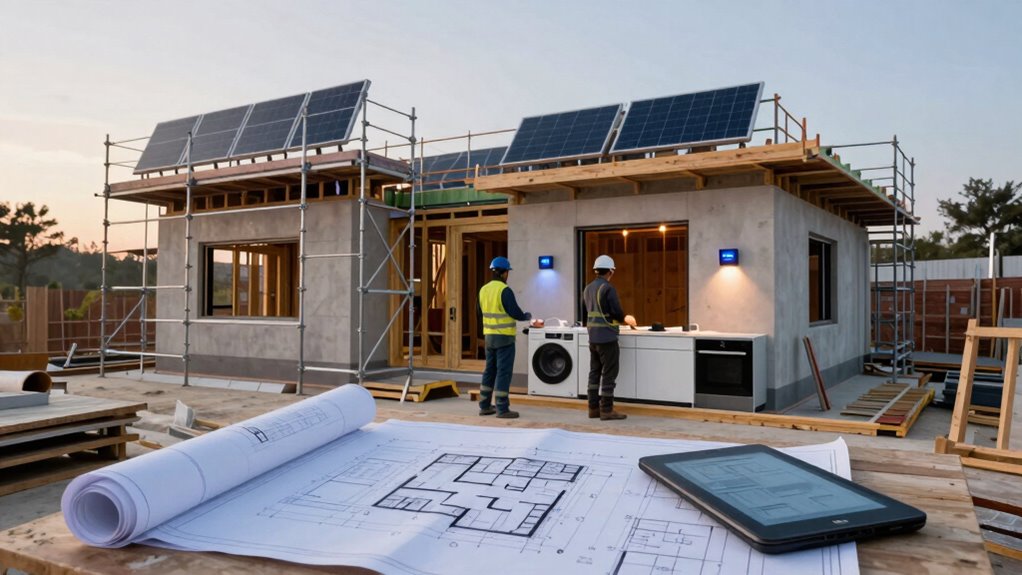
Building in stages also allows you to incorporate smart home technology more thoughtfully, ensuring each device integrates seamlessly into your evolving setup. It reduces waste, lowers your carbon footprint, and provides you with greater control over your living environment. Incorporating energy-efficient design from the beginning helps optimize your home’s long-term performance and sustainability. Building in stages offers flexibility, allowing you to enjoy the benefits of a smart, energy-efficient home without overwhelming costs or logistical challenges. When you plan ahead, your home becomes a customized space that adapts to your life and keeps pace with technological advances, all while staying affordable and efficient. Additionally, a phased approach enables you to prioritize essential upgrades, making the entire process more manageable and tailored to your evolving needs. Emphasizing modular construction can further enhance your ability to adapt and upgrade your home over time. This approach also encourages a more intentional selection of materials and finishes, aligning your design choices with both your aesthetic preferences and sustainability goals.
As an affiliate, we earn on qualifying purchases.
Frequently Asked Questions
How Do I Prioritize Which Stages to Complete First?
You should prioritize stages based on your design inspiration and material selection. Start with foundational work like planning and permits, then focus on structural elements that set the tone. Choose your materials early, considering durability and style, so they influence your design choices. By aligning your design inspiration with material selection from the start, you guarantee a smooth progression through each stage, avoiding costly redesigns or delays.
What Budget Considerations Are Essential for Staged Home Building?
Did you know that proper budget planning can save homeowners up to 20% on construction costs? When building in stages, it’s crucial to focus on accurate cost estimation to avoid surprises. Prioritize your budget by allocating funds for each phase, including permits, materials, and labor. Keep a contingency fund for unexpected expenses, ensuring your project stays on track financially and prevents delays or compromises in quality.
How Can I Ensure Flexibility for Future Upgrades?
You can guarantee flexibility for future upgrades by integrating automation planning into your initial design. Use modular components and wired infrastructure that support easy additions or modifications. Employ future-proofing strategies like dedicated wiring for smart devices and scalable systems. This approach allows you to upgrade technology over time without costly rewiring or structural changes, making your home adaptable to evolving needs and innovations.
What Are Common Mistakes to Avoid During Staging?
Avoid common staging mistakes like neglecting cohesive color schemes and overdoing decorative accents. Think of your home as a story—disjointed colors or cluttered decor can confuse the narrative. For example, a mismatched palette can make rooms feel disconnected. Keep your design balanced and intentional, focusing on harmonious color schemes and minimal decorative accents. This approach makes your space inviting and adaptable for future upgrades, preventing costly redo’s later on.
How Long Does Each Stage Typically Take to Complete?
Each stage of building your home setup typically takes a few weeks, but it varies based on design trends and material choices. For example, selecting trendy finishes might extend timelines, while straightforward materials can speed things up. You’ll want to plan for about 4-6 weeks per stage, allowing time for planning, procurement, and installation. Staying flexible helps manage expectations as you progress through each stage efficiently.
Conclusion
Building your home setup in stages is smart, efficient, and adaptable. By planning carefully, you can avoid costly mistakes and optimize your budget over time. Did you know that 80% of homeowners who upgrade their homes in stages report higher satisfaction and better functionality? Take it step-by-step, prioritize your needs, and enjoy the process of creating a space that truly fits your lifestyle. Patience and planning will lead to your ideal home, one stage at a time.
Halloween Picks
halloween
As an affiliate, we earn on qualifying purchases.