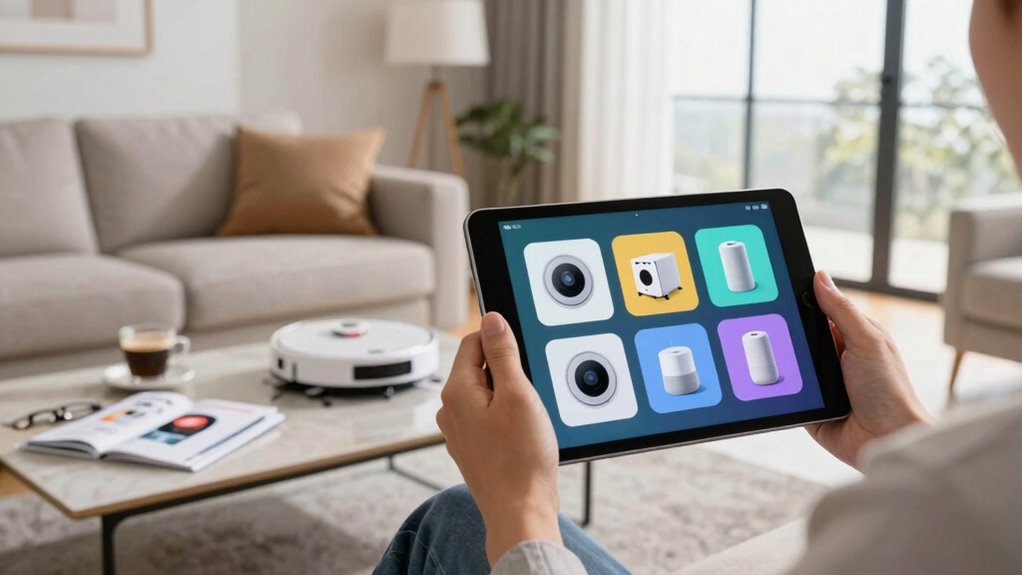

To compare home devices without spreadsheet fatigue, focus on key factors like smart home compatibility and energy efficiency. Prioritize devices that work seamlessly with your existing ecosystem, and look for energy-saving labels like ENERGY STAR. Use curated comparison sites, forums, and expert reviews for straightforward info and real-world insights. This approach helps you make confident decisions aligned with your routines. Keep exploring to discover more tips for simplified, effective comparisons.

Get wellness gear delivered free — and shop member deals
- Fast, free delivery on millions of items
- Access to Prime Big Deal Days deals on October 6–7
- Prime Video, Amazon Music and more included
Key Takeaways
- Use curated comparison websites and expert reviews for quick, summarized insights on device features and performance.
- Focus on core factors like smart home compatibility and energy efficiency to streamline decision-making.
- Read user reviews and forum feedback to gain real-world experiences and long-term reliability insights.
- Check for certifications like ENERGY STAR to quickly identify energy-efficient options.
- Prioritize devices that align with your existing smart home ecosystem and lifestyle needs.
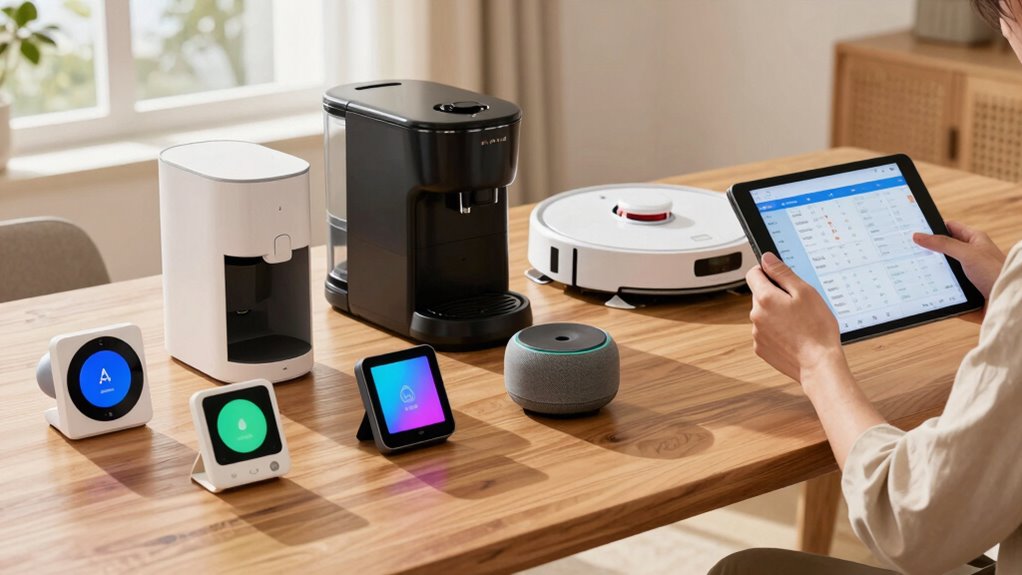
When you’re faced with choosing new home devices, it’s easy to feel overwhelmed by endless options and complex spreadsheets. The sheer number of features, specifications, and brands can make the decision process intimidating. Instead of drowning in data, focus on a straightforward approach that highlights what truly matters: how well the device integrates into your smart home ecosystem and its energy efficiency. These two factors streamline your comparison process and help you select devices that are both compatible and cost-effective.
Start by identifying your essential needs. For smart home integration, consider whether the device works seamlessly with your existing system, such as Alexa, Google Home, or Apple HomeKit. Compatibility ensures you won’t have to juggle multiple apps or deal with frustrating connectivity issues later. Many brands now prioritize cross-platform compatibility, so checking the manufacturer’s specifications or user reviews can save you from costly mistakes. When a device is designed for smooth integration, it simplifies your setup and makes managing your smart home more intuitive.
Next, look at device energy efficiency. This isn’t just about saving on your utility bills; it also reflects the device’s overall quality and sustainability. Energy-efficient devices often come with labels like ENERGY STAR or equivalent certifications, which can serve as quick indicators of their performance standards. Pay attention to how much power the device consumes during operation and standby modes. Devices that consume less energy not only reduce your carbon footprint but also tend to last longer, saving you money in the long run. Comparing energy ratings directly on product descriptions or reviews can help you quickly gauge which devices are more economical and eco-friendly. Incorporating sustainable practices into your choices can further enhance the positive impact on the environment. Additionally, understanding how energy efficiency relates to device longevity can help you make more informed decisions that benefit both your wallet and the planet. Recognizing the importance of device performance can also guide you toward options that balance energy savings with effective operation. A helpful tip is to consider energy-efficient features that are standard in newer models, as these can make a significant difference over time.
Rather than creating complicated spreadsheets, leverage curated comparison websites, smart home forums, and expert reviews. These resources distill critical information—such as compatibility and energy efficiency—into easy-to-understand summaries. They often include user feedback on real-world performance, giving you insight into how devices perform over time, not just in specs. This approach simplifies the decision-making process and minimizes spreadsheet fatigue, helping you quickly narrow down options without drowning in endless data.
Finally, trust your instincts and prioritize your lifestyle needs. If a device’s smart home compatibility is perfect but it’s not energy-efficient, ask yourself if that trade-off is worth it. Conversely, if saving on energy costs is a top priority, focus on devices with high energy ratings that fit into your existing ecosystem. By concentrating on these two core aspects—smart home integration and device energy efficiency—you make smarter, more confident decisions without the fatigue of managing endless spreadsheets.
As an affiliate, we earn on qualifying purchases.
Frequently Asked Questions
How Do I Prioritize Features When Comparing Devices?
To prioritize features when comparing devices, start by identifying your most important needs. Use feature weighting to assign values based on what matters most to you, like speed, durability, or energy efficiency. Establish comparison criteria that reflect your priorities, then evaluate each device against these. This approach helps you focus on what truly matters, making your decision clearer and avoiding overwhelm during the comparison process.
What Are the Hidden Costs of Home Devices?
Hidden costs of home devices are like shadows lurking in the corner—energy inefficiency, maintenance, and replacement expenses. You might save on upfront costs, but poor energy efficiency can drain your wallet over time. Long-term savings depend on choosing devices that sip energy and last longer, preventing surprise expenses. Always factor in these hidden costs, so your investment pays off rather than becoming a financial ghost haunting your budget.
How Can I Assess Device Compatibility With Existing Systems?
To assess device compatibility, start by checking the device’s specifications for system requirements and supported protocols. Look for compatibility with your existing home systems, like smart hubs or voice assistants. Focus on device integration features, ensuring they can communicate seamlessly. Reading user reviews and manufacturer details helps identify potential issues. Testing devices in-store or through demos can also confirm compatibility, making sure everything works smoothly together.
What Is the Best Way to Read User Reviews Effectively?
To read user reviews effectively, focus on patterns in user feedback, like common praises or complaints, which reveal genuine experiences. Pay attention to review credibility by checking for detailed comments, verified purchases, and balanced perspectives. Avoid overly positive or negative reviews that seem biased. By analyzing these review patterns and credibility cues, you get a clearer, more reliable understanding of the device’s real performance, helping you make informed decisions.
How Often Should I Update or Replace Home Devices?
You should consider updating or replacing your home devices when their device lifespan reaches its limit, which varies by device type. Keep an eye on signs like declining performance or frequent repairs. Regular maintenance tips can extend their life, but don’t overlook subtle clues that it’s time for a change. Staying vigilant ensures your home runs smoothly, and you avoid sudden breakdowns that could disrupt your day.
Conclusion
Imagine trying to juggle dozens of devices, each with its own specs and features—it’s like balancing on a tightrope. Instead of risking a fall into spreadsheet fatigue, use a simple comparison method that keeps your focus clear. Just as a lighthouse guides ships safely through fog, clear, straightforward comparisons help you navigate your options effortlessly. With this approach, you’ll find the perfect device without feeling overwhelmed, making your home smarter without the stress.
Halloween Picks
halloween
As an affiliate, we earn on qualifying purchases.







![Anxiety Be Like [Heresvix]](https://lightmask.net/wp-content/uploads/2026/10/anxiety-be-like-heresvix-featured-260x140.jpg)