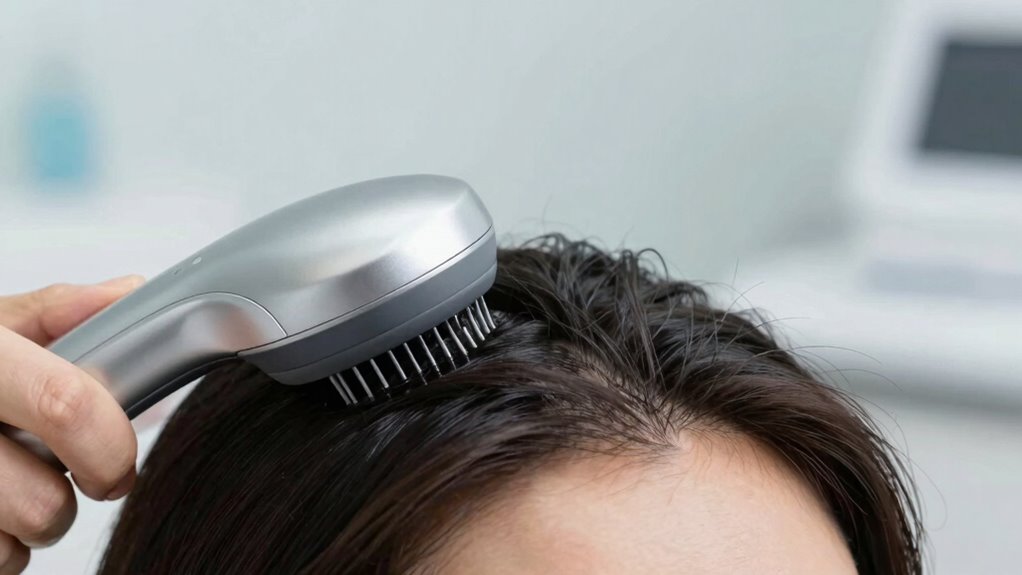

You should adjust your expectations because scalp devices and facial devices target different skin layers and outcomes. Scalp devices stimulate hair follicles and promote gradual growth, so you won’t see quick results—patience and consistent use are key. Facial devices often provide faster surface improvements, like clearer skin or less wrinkles. Understanding these differences helps you stay realistic and see better results over time. If you’re curious about how to get the most from each device, there’s more to explore.

Get wellness gear delivered free — and shop member deals
- Fast, free delivery on millions of items
- Access to Prime Big Deal Days deals on October 6–7
- Prime Video, Amazon Music and more included
Key Takeaways
- Scalp devices target hair follicles and require longer, consistent use for gradual hair growth, unlike facial devices which often show quick surface results.
- Expectations should be realistic: scalp devices support but do not cure significant hair loss, while facial devices provide visible skin improvements.
- The mechanisms differ: scalp devices often use laser therapy deep in tissues, whereas facial devices work on surface skin layers.
- Results from scalp devices depend on individual conditions and take months, whereas facial device benefits can appear in just a few uses.
- Proper understanding of each device’s purpose prevents disappointment and encourages appropriate, long-term use.
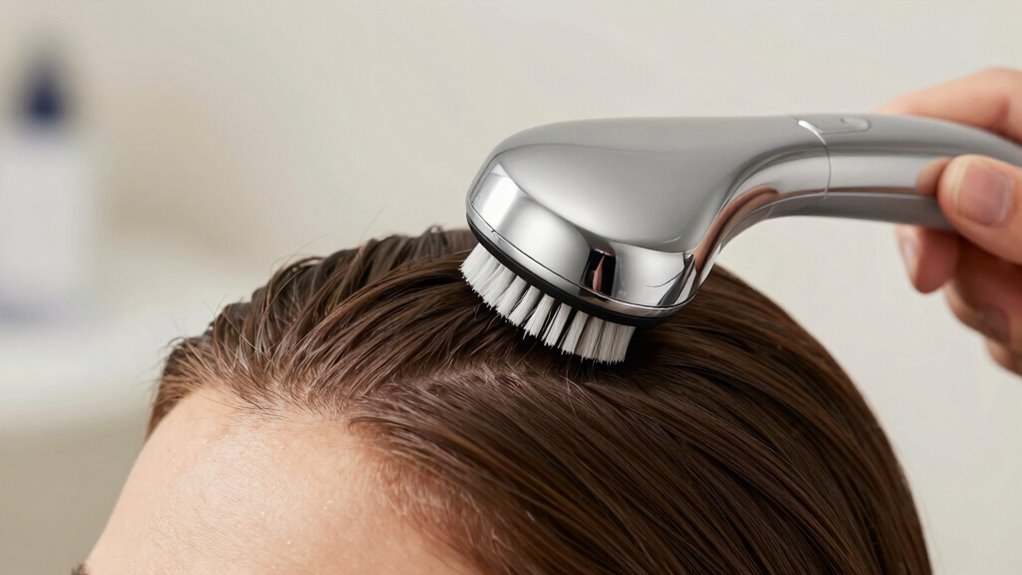
When choosing between scalp devices and facial devices, it’s important to understand how each targets different skin and hair concerns. Scalp devices are designed specifically to promote hair growth and improve scalp health, which are quite different from the goals of facial devices. While facial devices focus on skin rejuvenation, acne treatment, or anti-aging, scalp devices aim to stimulate hair follicles and enhance scalp circulation. Recognizing these differences helps you set realistic expectations for what each device can achieve.
Scalp devices promote hair growth; facial devices focus on skin rejuvenation—each serves a distinct purpose.
With scalp devices, you shouldn’t expect immediate results. Hair growth is a gradual process, and improvements in scalp health can take several weeks or even months. These devices often use techniques like low-level laser therapy (LLLT) or micro-vibration to stimulate hair follicles, encouraging stronger, thicker hair over time. But remember, individual results vary depending on your hair loss cause and scalp condition. If you’re experiencing significant hair thinning or pattern baldness, a scalp device can support hair growth but isn’t a miracle cure. It’s meant to complement other treatments and lifestyle changes, such as proper nutrition and medical advice.
On the other hand, facial devices tend to work more quickly on surface-level skin concerns. They often target issues like fine lines, wrinkles, or uneven skin tone by boosting collagen production or clearing pores. Because they’re designed for the skin’s outermost layers, results are usually visible sooner—sometimes after just a few uses. But with scalp devices, the focus is deeper in the scalp tissue and hair follicles, making the process inherently slower. You need patience and consistency to notice meaningful improvements in scalp health and hair growth. Additionally, understanding the difference between skin and scalp treatments helps you set realistic goals for each type of device. Furthermore, understanding the scientific basis behind scalp technology can help you appreciate the gradual nature of results and manage expectations better. It’s also beneficial to recognize that the longevity of results depends on ongoing maintenance and proper device usage.
Ultimately, understanding that scalp devices and facial devices serve distinct purposes helps you avoid disappointment. While facial devices can deliver quick improvements in skin appearance, scalp devices focus on long-term benefits like hair growth and scalp health. Patience and consistency are key with scalp treatments, and recognizing their unique role ensures you make the most of your investment and care routine. It’s also helpful to educate yourself about the proper maintenance and usage of these devices to maximize their effectiveness.
low level laser therapy scalp device
As an affiliate, we earn on qualifying purchases.
As an affiliate, we earn on qualifying purchases.
Frequently Asked Questions
Are Scalp Devices Suitable for Sensitive Skin?
Scalp devices can be suitable for sensitive skin if you choose the right one and guarantee device compatibility. Look for devices with gentle settings or adjustable intensities to avoid irritation. Always perform a patch test first, and consult product guidelines or a dermatologist if you’re unsure. Properly selecting a device designed for sensitive skin helps prevent discomfort and ensures safe, effective use tailored to your scalp’s needs.
How Often Should I Use Scalp Devices?
You should use scalp devices about 2-3 times a week to optimize results without overdoing it. This frequency helps maintain device longevity while allowing your scalp to recover. Pay attention to your scalp’s response—if you notice irritation or discomfort, reduce usage. Consistent, moderate use is key for effective results and to prevent potential damage. Always follow manufacturer guidelines for best practices.
Can Scalp Devices Cause Hair Loss?
Scalp devices can cause hair thinning if you overuse them or push beyond their device limitations. While they’re designed to promote hair growth, improper use, excessive frequency, or applying too much pressure can lead to damage and hair loss. Always follow the manufacturer’s instructions, use the device as recommended, and avoid overdoing it. If you notice hair thinning, stop using the device and consult a professional to prevent further damage.
Are Scalp Devices Safe for All Hair Types?
You can’t judge a book by its cover, and that’s true for scalp devices too. They’re generally safe, but their effectiveness depends on device compatibility with your hair type. Some devices work well for thick, curly hair, while others suit fine or straight hair better. To promote hair growth safely, choose a device designed for your specific hair type. Always read guidelines and consult a professional if unsure.
Do Scalp Devices Require Special Maintenance?
Yes, scalp devices do require special maintenance. To guarantee device durability and peak battery life, you should regularly clean the attachments and store the device properly. Avoid exposing it to water or extreme temperatures, which can damage internal components. Keep the battery charged according to the manufacturer’s instructions, and replace parts as needed. Proper maintenance not only extends the device’s lifespan but also guarantees its effective performance over time.
Conclusion
Remember, scalp devices are like wise old trees, gradually nourishing your roots for long-term growth, while facial devices are more like quick, invigorating rain showers that give instant glow. Don’t expect the same magic from both—they’re playing different tunes in your beauty symphony. By understanding their unique roles, you set yourself up for a harmonious dance of healthier hair and radiant skin. Embrace the journey, knowing each device has its own rhythm to help you shine.
Cold & flu season Picks
humidifiers
As an affiliate, we earn on qualifying purchases.





![Anxiety Be Like [Heresvix]](https://lightmask.net/wp-content/uploads/2026/10/anxiety-be-like-heresvix-featured-260x140.jpg)