Recovery light targets healing by reducing inflammation and promoting tissue repair through red or near-infrared wavelengths that penetrate deeply into your skin. It’s designed to support your body’s natural healing process, especially after injuries or skin trauma. Beauty light, on the other hand, uses red or amber wavelengths aimed at boosting collagen, improving skin tone, and fostering a youthful glow. To discover how each can enhance your skin and health, keep exploring these innovative light therapies.

Get wellness gear delivered free with Prime
- Fast, free delivery on millions of items
- Prime Video, Amazon Music and more included
- Member-only deals all year
Key Takeaways
- Recovery light uses deep-penetrating red or near-infrared wavelengths to promote healing and reduce inflammation, focusing on skin repair.
- Beauty light employs red and amber wavelengths to stimulate collagen production and enhance skin appearance for aesthetic benefits.
- Recovery light prioritizes tissue repair, injury recovery, and inflammation management, while beauty light aims for skin rejuvenation and youthful glow.
- Recovery light targets therapeutic, healing effects, whereas beauty light emphasizes cosmetic improvements like reducing fine lines and improving tone.
- Both use specific wavelengths, but recovery light emphasizes natural healing, and beauty light focuses on aesthetic enhancement and skin radiance.
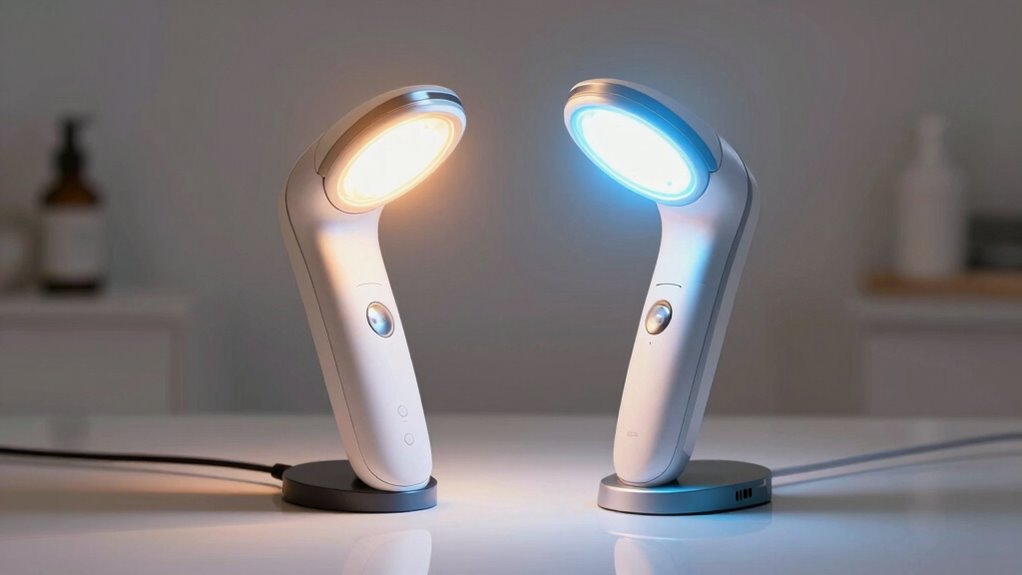
If you’re exploring light therapy options, understanding the key differences between recovery light and beauty light can help you choose the right treatment for your needs. Both types of LED therapy use specific wavelengths of light to target skin concerns, but they serve distinct purposes. Recovery light primarily focuses on promoting healing and reducing inflammation, making it ideal for post-injury recovery or soothing irritated skin. It’s often used in medical or therapeutic settings to accelerate healing processes. It works by stimulating cellular activity, increasing blood flow, and reducing inflammation. If your goal is to recover from skin trauma, reduce redness, or manage skin conditions like acne or rosacea, recovery light offers targeted benefits. It’s less about aesthetic enhancement and more about supporting the skin’s natural healing mechanisms. The wavelengths used in recovery light are usually in the red or near-infrared spectrum, which penetrates deeply into tissues to promote repair and regeneration. Additionally, recovery light can be integrated into broader biodiversity and sustainable living practices by supporting natural healing processes and reducing the need for chemical or invasive treatments. Incorporating recovery light into holistic health routines also aligns with natural healing principles, emphasizing minimal invasiveness and supporting overall well-being.
Beauty light, meanwhile, is tailored toward achieving a more youthful, vibrant complexion. It’s a popular choice in skincare routines and aesthetic treatments because it encourages skin rejuvenation through collagen production and improved cellular function. If you’re looking to diminish fine lines, improve skin elasticity, or even out skin tone, beauty light is what you want. It typically employs red and amber wavelengths that stimulate collagen synthesis and enhance blood circulation, making your skin look fresher and more radiant. LED therapy for skin rejuvenation can be performed at clinics or with at-home devices, offering a non-invasive way to boost your skin’s health. Using specific wavelengths ensures targeted results and safety for various skin types.
While both recovery and beauty lights use LED technology, their application differs based on your goals. Recovery light’s focus on healing makes it suitable for skin repair and reduction of inflammation, whereas beauty light emphasizes cosmetic improvements and anti-aging benefits. The key is selecting the right wavelength and treatment setup for your specific needs. If your skin needs healing or soothing, recovery light will serve you best. If you’re targeting skin rejuvenation, beauty light provides a safe, effective way to enhance your appearance over time.
In essence, understanding how each light therapy benefits your skin can help you make an informed choice. Whether you’re recovering from skin trauma or aiming for a more youthful glow, knowing the purpose behind recovery light and beauty light ensures you get the most out of your LED therapy sessions.
red and near-infrared LED light therapy device
As an affiliate, we earn on qualifying purchases.
As an affiliate, we earn on qualifying purchases.
Frequently Asked Questions
Can Recovery and Beauty Lights Be Used Together?
Yes, you can use recovery and beauty lights together for combined treatments or dual therapy. These lights complement each other, with recovery light promoting healing and reducing inflammation, while beauty light enhances skin appearance. Using both in a session can optimize results, allowing you to customize your treatment based on your needs. Just make certain your provider adjusts the settings properly to maximize benefits and avoid overexposure.
How Long Does Each Treatment Typically Last?
Recovery light treatments typically last about 20 minutes, offering quick, targeted healing sessions. Beauty light treatments usually extend to 30 minutes, focusing on enhancing skin appearance. While recovery treatments prioritize rapid results, beauty treatments aim for longer-lasting effects. The longevity comparison shows recovery light provides immediate relief, whereas beauty light’s benefits can last weeks. You’ll find that each treatment’s duration matches its purpose, making timing flexible based on your skincare goals.
Are There Any Side Effects From Either Light Therapy?
You might experience some potential risks with light therapy, like skin sensitivity or mild irritation, especially if you have sensitive skin. Generally, side effects are rare and temporary, but it’s essential to follow your provider’s instructions. If you notice redness, itching, or discomfort afterward, reduce exposure or stop treatment. Always consult a professional beforehand to minimize potential risks and guarantee the therapy suits your skin type.
Which Light Therapy Is More Suitable for Sensitive Skin?
Think of skin sensitivity as a delicate garden needing gentle care. For sensitive skin, recovery light therapy is like a soft breeze—less likely to cause irritation and ideal for those with skin sensitivity. In the therapy comparison, recovery light focuses on healing and calming, making it more suitable for sensitive skin. Beauty light offers more vibrant results but may be too intense for sensitive skin types.
How Soon Can Results Be Seen With Each Type of Light?
You can typically see skin rejuvenation results within a few sessions, but it varies based on your treatment frequency. With recovery light, you might notice improvements after 4-6 sessions, while beauty light often shows results sooner, sometimes after 2-4 treatments. Consistent treatment is key, and maintaining a regular schedule enhances your chances of achieving peak skin benefits. Patience and adherence to recommended treatment frequency are essential for the best outcomes.
Conclusion
Think of recovery light and beauty light as two friends with different talents. Recovery light is like a gentle rain that soothes and heals, helping your skin bounce back after a tough day. Beauty light is the bright sun that highlights your best features, making you glow. Knowing their unique roles lets you choose the right one, just like picking the perfect tool for a job—whether you want to repair or to shine.
Halloween Picks
halloween
As an affiliate, we earn on qualifying purchases.