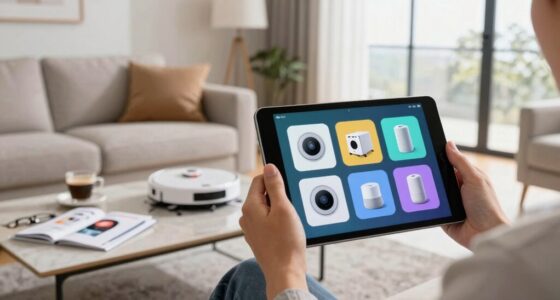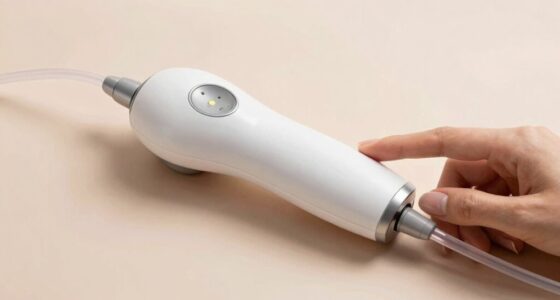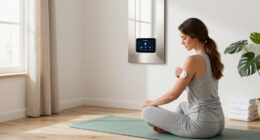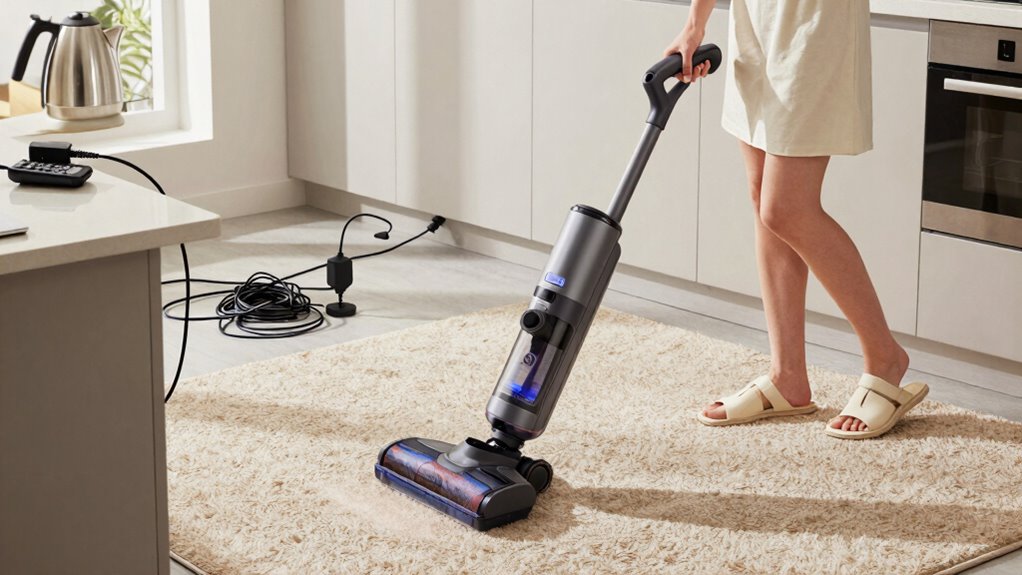

Cordless devices excel in routines that benefit from mobility, quick access, and convenience, allowing you to move freely without cords holding you back. They’re perfect for quick jobs, small tasks, or frequent uses where portability matters. However, they often fall short during extended or heavy-duty tasks that require consistent, long-lasting power. If you want to discover more about when and why cordless devices work best, keep exploring this topic further.

Get wellness gear delivered free — and shop member deals
- Fast, free delivery on millions of items
- Access to Prime Big Deal Days deals on October 6–7
- Prime Video, Amazon Music and more included
Key Takeaways
- Cordless devices excel in routines requiring mobility and quick access, minimizing interruptions caused by cords or charging delays.
- Limited battery lifespan can hinder extended tasks, causing routines to pause or slow down.
- Ergonomic, lightweight designs improve comfort during prolonged use, enhancing efficiency in certain routines.
- Proper battery maintenance ensures consistent performance, preventing failures during critical tasks.
- In routines demanding high power or continuous operation, corded devices may outperform cordless options due to battery limitations.
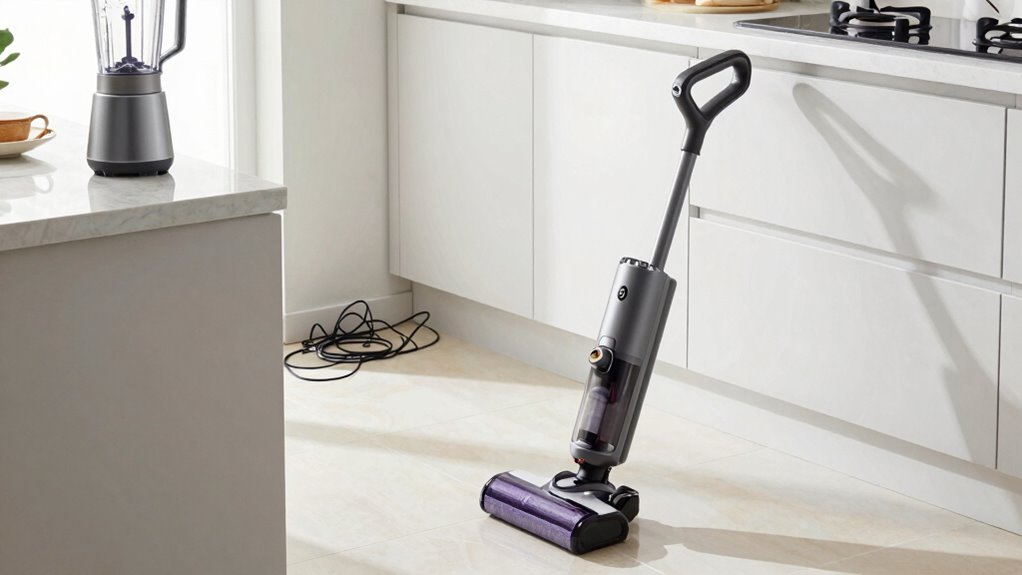
In today’s fast-paced world, cordless devices have become essential tools that seamlessly integrate into your daily routines. Their convenience and portability make them ideal for multitasking and quick shifts between tasks. One key factor that influences their effectiveness is battery longevity. When you rely on cordless devices, you want to avoid interruptions caused by dead batteries. Devices with longer-lasting batteries allow you to work or relax without constantly searching for charging stations or swapping out batteries. The ability to sustain power throughout your busy day means you can focus on what matters without unnecessary pauses. This is especially important for tools like vacuum cleaners, trimmers, or handheld gadgets, where frequent recharging can disrupt your flow. Consequently, choosing devices with impressive battery longevity ensures your routines stay smooth and uninterrupted. Additionally, selecting high-capacity batteries can extend usage time and improve overall performance, making cordless devices even more reliable for demanding tasks.
Another critical aspect that makes cordless devices stand out is their ergonomic design. When you hold a cordless device, comfort matters a lot. An ergonomic design reduces strain and fatigue, especially during extended use. If you’re using a cordless drill, hairdryer, or kitchen gadget, a well-designed ergonomic shape makes a noticeable difference in how effortless it feels. This design consideration isn’t just about comfort; it also enhances your control and precision. When a device fits well in your hand and is balanced properly, you’re less likely to experience discomfort or accidental slips. In routines where repetitive motions are involved, ergonomic design can prevent strain injuries and make your tasks more enjoyable. Incorporating ergonomic features in design can further improve user satisfaction and efficiency. The lightweight build and intuitive controls also contribute to user comfort, allowing you to operate your cordless devices efficiently for longer periods without fatigue. Moreover, battery maintenance is crucial to ensure longevity and consistent performance, which is often overlooked by users. Proper care of batteries, including regular charging habits and avoiding extreme temperatures, can significantly extend their lifespan and reliability.
cordless vacuum cleaner with long battery life
As an affiliate, we earn on qualifying purchases.
As an affiliate, we earn on qualifying purchases.
Frequently Asked Questions
How Do Cordless Devices Impact Energy Consumption?
Cordless devices can impact your energy consumption by often being less energy-efficient than corded options, mainly due to their reliance on batteries. They tend to have higher power consumption during use and require frequent recharging, which can add to your overall energy use. However, their convenience allows you to save energy by reducing cord clutter and enabling you to move freely, balancing efficiency with practicality.
Are Cordless Devices Suitable for Outdoor Routines?
Yes, cordless devices are suitable for outdoor routines because they offer portable convenience, letting you move freely without cords holding you back. Many models are designed with weather resilience, so they can withstand rain, sun, or wind. This makes them reliable companions for outdoor activities. Just guarantee you choose a device specifically built for outdoor use, and you’ll enjoy the flexibility and durability needed for outdoor routines.
What Security Risks Are Associated With Cordless Devices?
Think of cordless devices as open windows—convenient, but vulnerable to outside threats. You face security risks like wireless interference and data breaches, which can compromise your information. Hackers might intercept signals or exploit weak encryption, putting your data at risk. To stay safe, guarantee your devices use strong encryption, keep firmware updated, and avoid crowded Wi-Fi environments. These steps help protect your routines from unwanted intrusions.
How Long Do Cordless Device Batteries Typically Last?
Cordless device batteries typically last between 6 to 12 months, depending on usage and battery quality. Their battery lifespan varies, and you’ll usually need to charge them every few days or weekly with regular use. To maximize their lifespan, avoid overcharging and follow recommended charging frequency. Keep an eye on battery health and replace batteries when they start to hold less charge, ensuring your cordless devices stay reliable.
Can Cordless Devices Replace Wired Alternatives Entirely?
You can absolutely replace wired devices with cordless ones for many tasks, thanks to wireless convenience and improving battery longevity. They offer freedom of movement, reduce clutter, and simplify setups. However, for high-power or long-duration activities, they might fall short due to limited battery life. So, while cordless devices excel in flexibility and ease, some routines still benefit from the reliability and endurance of wired alternatives.
Conclusion
In the end, cordless devices can seamlessly fit into your routines when convenience and flexibility matter most. Imagine you’re preparing for a morning workout—using cordless headphones lets you move freely without tangled wires, boosting motivation. However, for tasks demanding high power or precision, like heavy-duty DIY projects, wired tools might still be your best bet. By understanding where cordless devices excel or fall short, you can choose the right tools to enhance your daily routines.
Fall Picks
fall essentials
As an affiliate, we earn on qualifying purchases.